
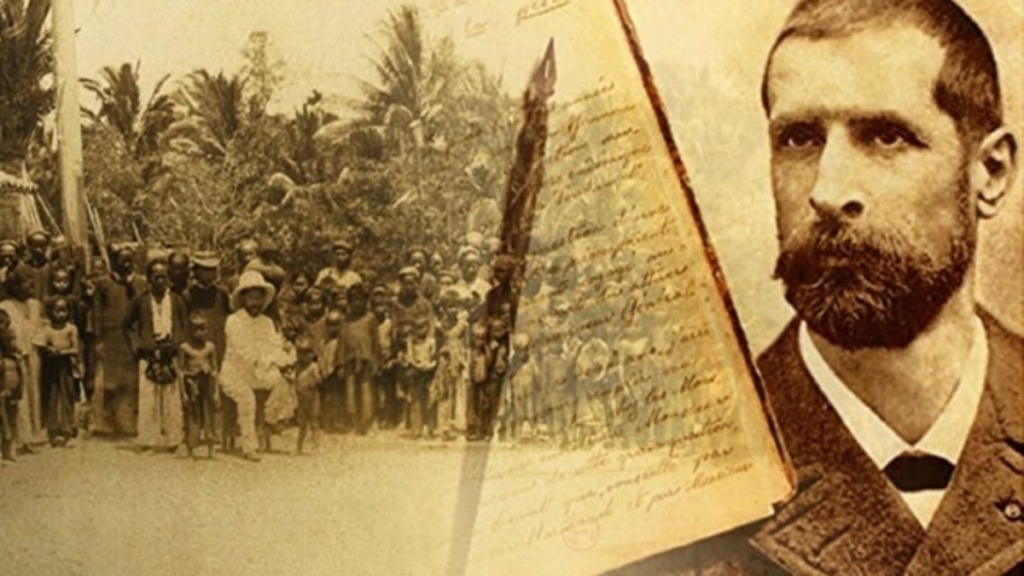
Dictionaries, encyclopedias, and biographers alike must have torn their hair out trying to define a man like Alexandre Yersin. He escapes all categories, slips between labels, and refuses frames that are too narrow. Explorer yet scholar, physician yet agronomist, inventor as much as a solitary figure, Yersin remains unclassifiable. He was a free spirit, entirely guided by curiosity and humility, whom no disciplinary box could contain. This disciple of Pasteur remains one of those discreet figures whose brilliance stems not from honors or tales of exploits, but from a life entirely dedicated to relentless curiosity and deep humanism.
Yersin: the loose cannon
Born in 1863 in the canton of Vaud, Switzerland, young Alexandre grew up under the watchful wing of a determined mother. A brilliant student, he studied in Switzerland, Germany, and then France, where his time at the Hôtel-Dieu in Paris profoundly altered his destiny. It was there he met Émile Roux, who introduced him to the Pasteur Institute. At only twenty-six, he became the first preparatory assistant for the microbiology course, at the heart of the scientific ferment that was revolutionizing the understanding of diseases. In 1889, he acquired French nationality, but it was Asia that called him.
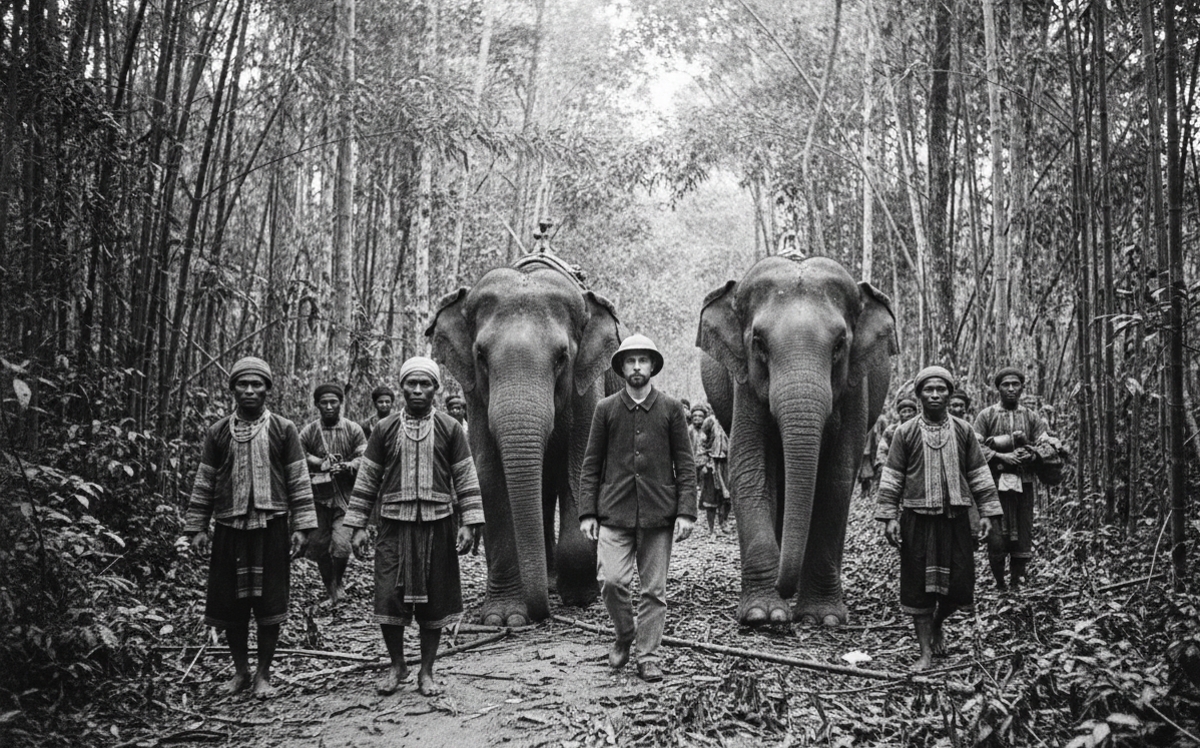
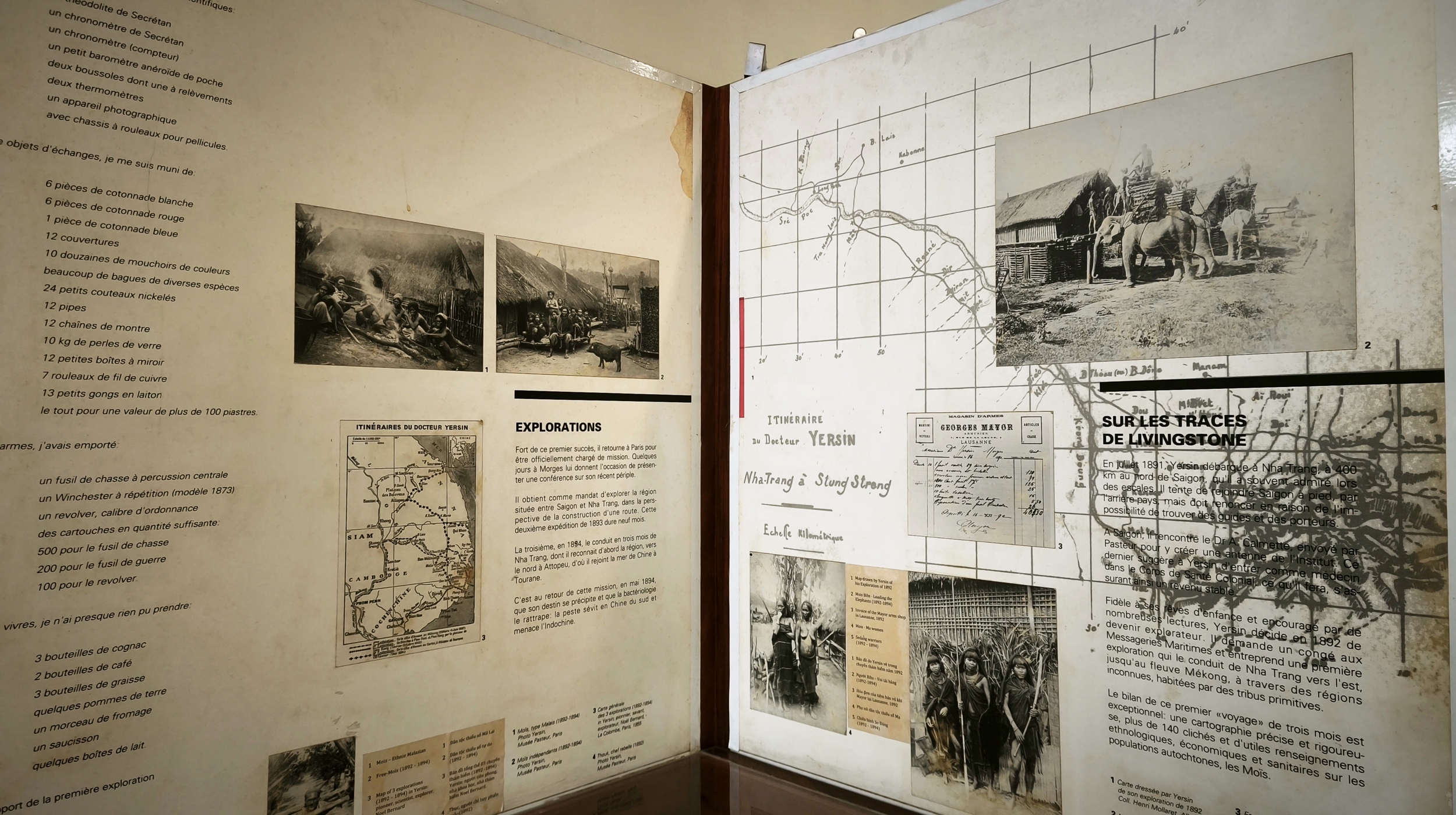
In 1890, Yersin abandoned everything to embark for Vietnam, then French Indochina, as a physician for the Messageries Maritimes shipping company. Initially assigned to the lines connecting Saigon to Manila, then to Haiphong, he discovered a country whose wild beauty struck him deeply. Far from the Parisian laboratories, he felt the call of the field, of the unknown. In 1891, he took leave to venture into the high lands of Cochinchina and Annam, explorations that complemented the work of the great missions of Doudart de Lagrée, Garnier, and Pavie. Walking for weeks through tropical forests, mountain villages, and misty ridges, he unveiled previously untouched regions to the Western world, while forging an intimate and lasting bond with the country.
In 1893, Dr. Alexandre Yersin, accompanied by his friend Governor-General Paul Doumer, chose a cool, foggy plateau to realize an essential project: the establishment of a climate station. The goal was to offer refuge to French colonists suffering from the humid climate of the plains, and to treat what was then called the “colonial liver” (foi colonial). It was on the Lang Biang Plateau that Yersin officially established the city of Dalat. One hundred and thirty years later, this pioneering initiative has left a remarkable legacy.
The city now boasts one of the most beautiful colonial architectural heritages in all of Vietnam and even Asia.
But Yersin, little sensitive to high society, quickly turned his back on honors. He settled in Nha Trang, then a small fishing village, where he founded a laboratory focused on animal diseases. There, he raised horses and cattle for his research, experimented with the cultivation of rubber and the quinine tree, and developed effective serums against cattle plague.
International recognition
It was, however, in 1894 that he definitively inscribed his name in medical history. Sent to Hong Kong, which was struck by a terrible epidemic, he succeeded in isolating the causative pathogen: the plague bacillus, still named Yersinia pestis today. The discovery was paramount, marking one of the greatest advances in modern bacteriology.
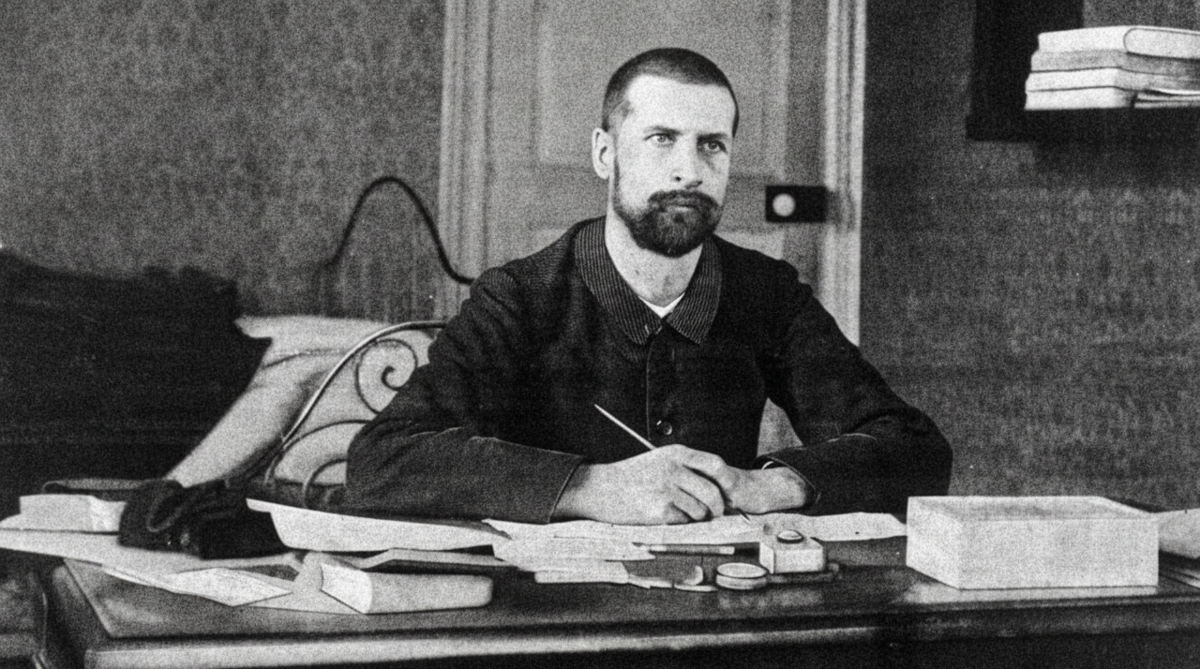
Bolstered by this recognition, he became the first dean of the Hanoi Faculty of Medicine in 1902. Yet, true to his modest nature, he quickly turned away from prestigious positions. He preferred to live among the Annamite population in Suoi Dau, near Nha Trang, treating all who came to him, without distinction. Affectionately nicknamed Ông Năm (“Mister Five Stripes,” referring to his five officer stripes), he was loved for his simplicity, generosity, and dedication. He represented the archetype of the scholar-peasant, working as much in his laboratory as in his garden, repairing his own instruments, and inventing apparatus and tools to meet local needs.
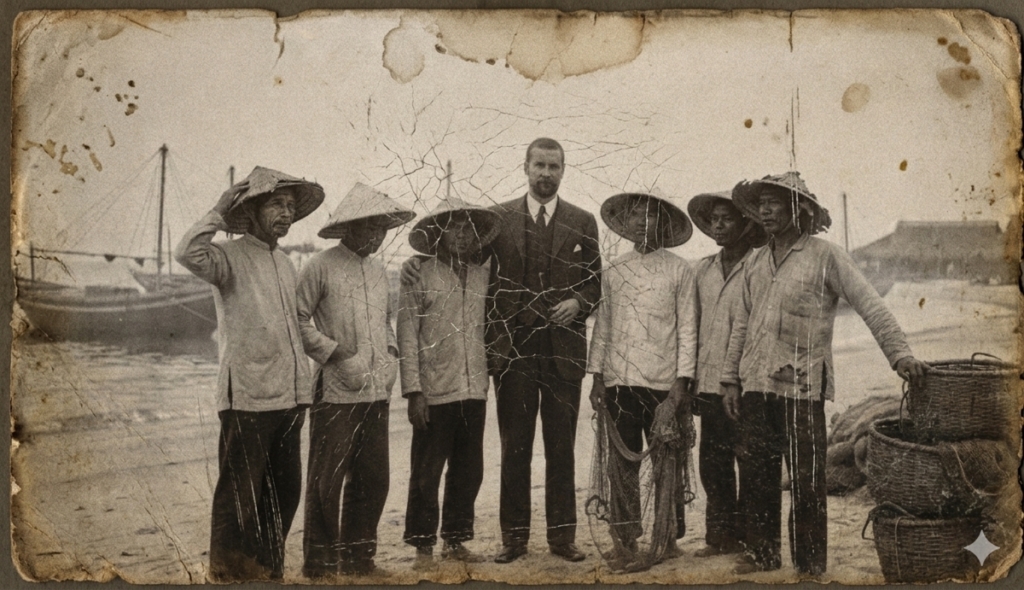
Furthermore, the Nha Trang fishermen held Alexandre Yersin in great esteem. His installation of a meteorological station was not merely a scientific initiative; it was tangible proof of his concern for their safety and livelihood.
Forever in the heart of the vietnamese people
Alexandre Yersin passed away on February 28, 1943, in his Nha Trang home, during the Japanese occupation. His funeral procession was followed by an immense crowd, a vibrant testimony to the deep affection the Vietnamese people held for him. After independence, while most colonial names disappeared, his, alongside those of Pasteur and Calmette, were preserved. This is a rare and sincere tribute paid to a man whose science was never divorced from empathy and respect.
There are no fewer than 10 streets named Yersin throughout Vietnam, including one, of course, in Nha Trang.
On the footsteps of Alexandre Yersin
To explore the legacy of this extraordinary figure, several stops are essential:
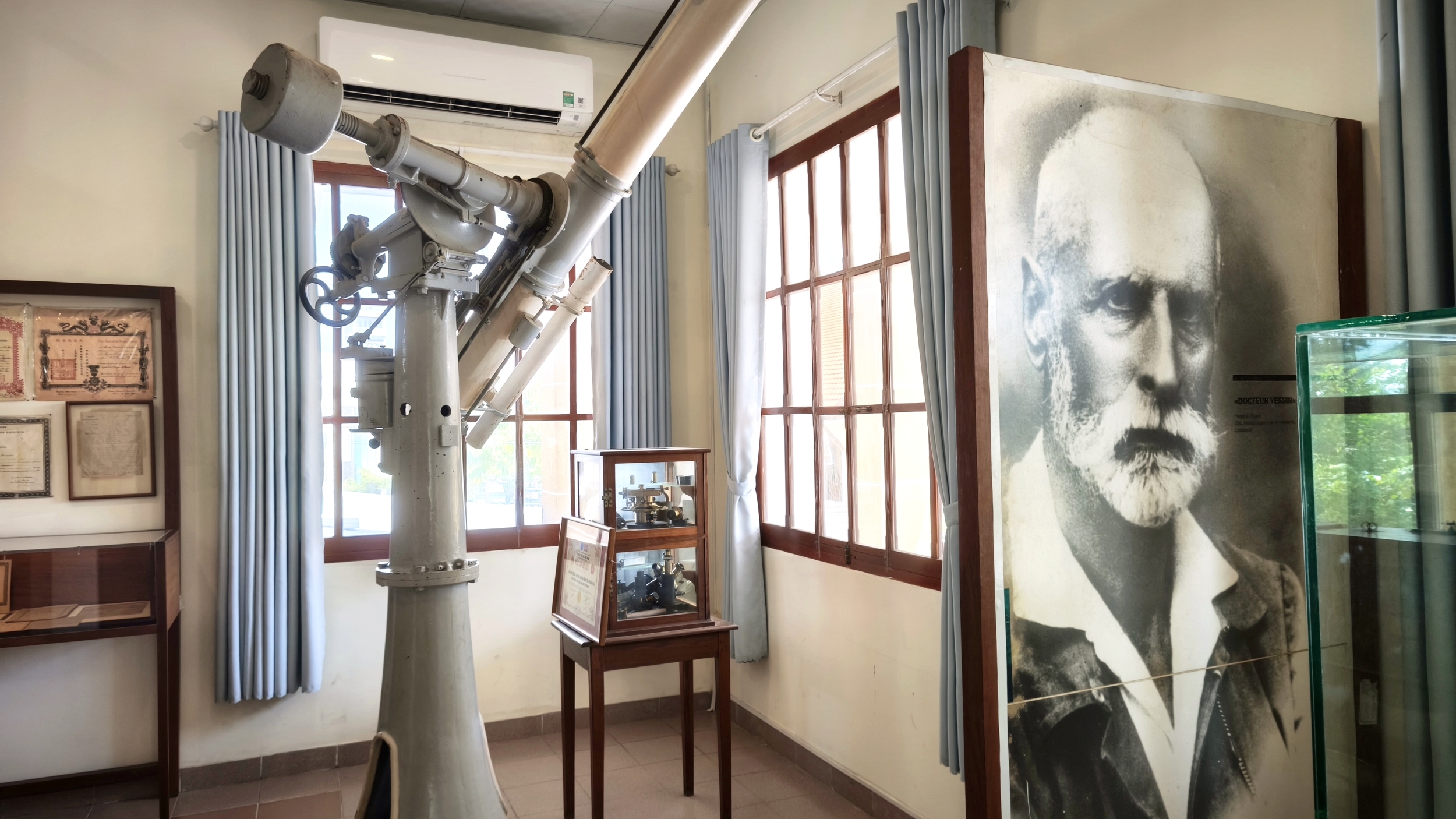
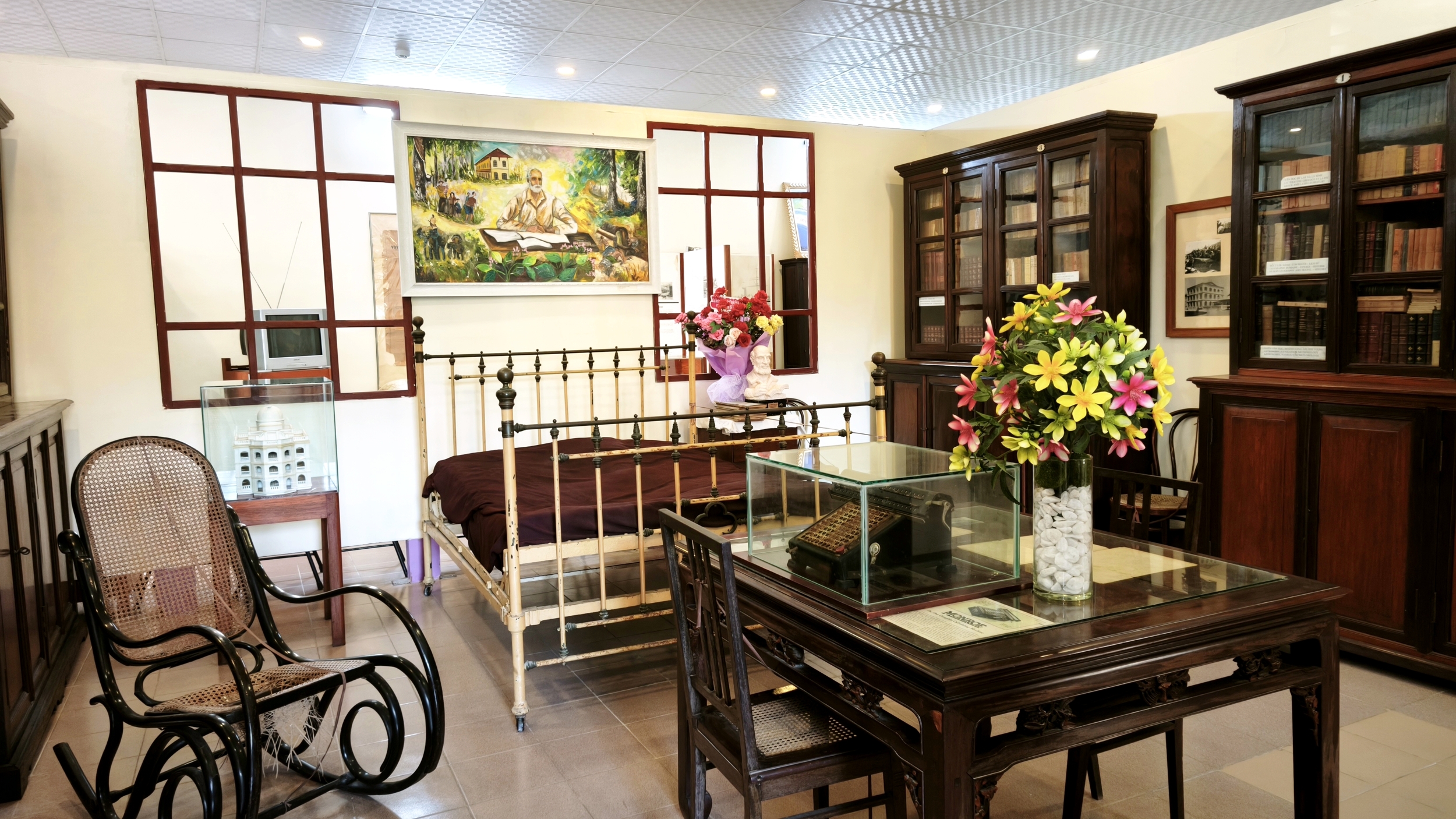
The Yersin Museum : Located in an elegant annex of the Pasteur Institute in Nha Trang, this museum is a treasure trove of artifacts. Visitors can discover his working instruments, notebooks, and documents testifying to his ceaseless curiosity and multiple activities in science and exploration. It is the ideal place to grasp the extent of his genius.
The Hon Ba House : Located 60 km from Nha Trang on Hon Ba Mountain, stands the doctor’s former home. This remarkably simple place, which served as an altitude laboratory, preserves personal items (stone benches and tables, a small bed, a library) and two ancient tea trees he planted, offering an intimate glimpse into his daily life away from the world.
Alexandre Yersin’s Tomb : It is located in Suoi Dau, about twenty kilometers southwest of Nha Trang. His burial site remains today a place of pilgrimage and veneration for many Vietnamese, who honor him as a benefactor.
Reading: To fully grasp his frantic existence, look no further than Peste & Choléra by Patrick Deville. This masterful biographical novel brilliantly retraces the path of the tireless Franco-Swiss explorer who became a cornerstone of Vietnamese history.
One regret. That his name is pinned to a Hanoi high school. A hub for the city’s bourgeois elite, expat and local alike, where social climbing and exclusivity are the norm. It’s a place where top-tier grades carry more weight than Yersin’s actual legacy. In the end, Yersin is still an outlier. A Swiss-French scholar who adored Vietnam, yet whose name now brands an elite he would have avoided like the plague (pun aside).