Overlooked by international travellers condemned to ticking off the same tired bucket list, and ignored by travel companies recycling identical itineraries year after year, Tuy Hoa has far more to offer than six kilometres of golden sand and tuna eyeballs masquerading as a local delicacy.
The city tells a very different story.
How can an unassuming provincial town, with no recognised architectural prestige, conceal one of Central Vietnam’s finest collections of tropical modernist architecture… almost without anyone noticing?
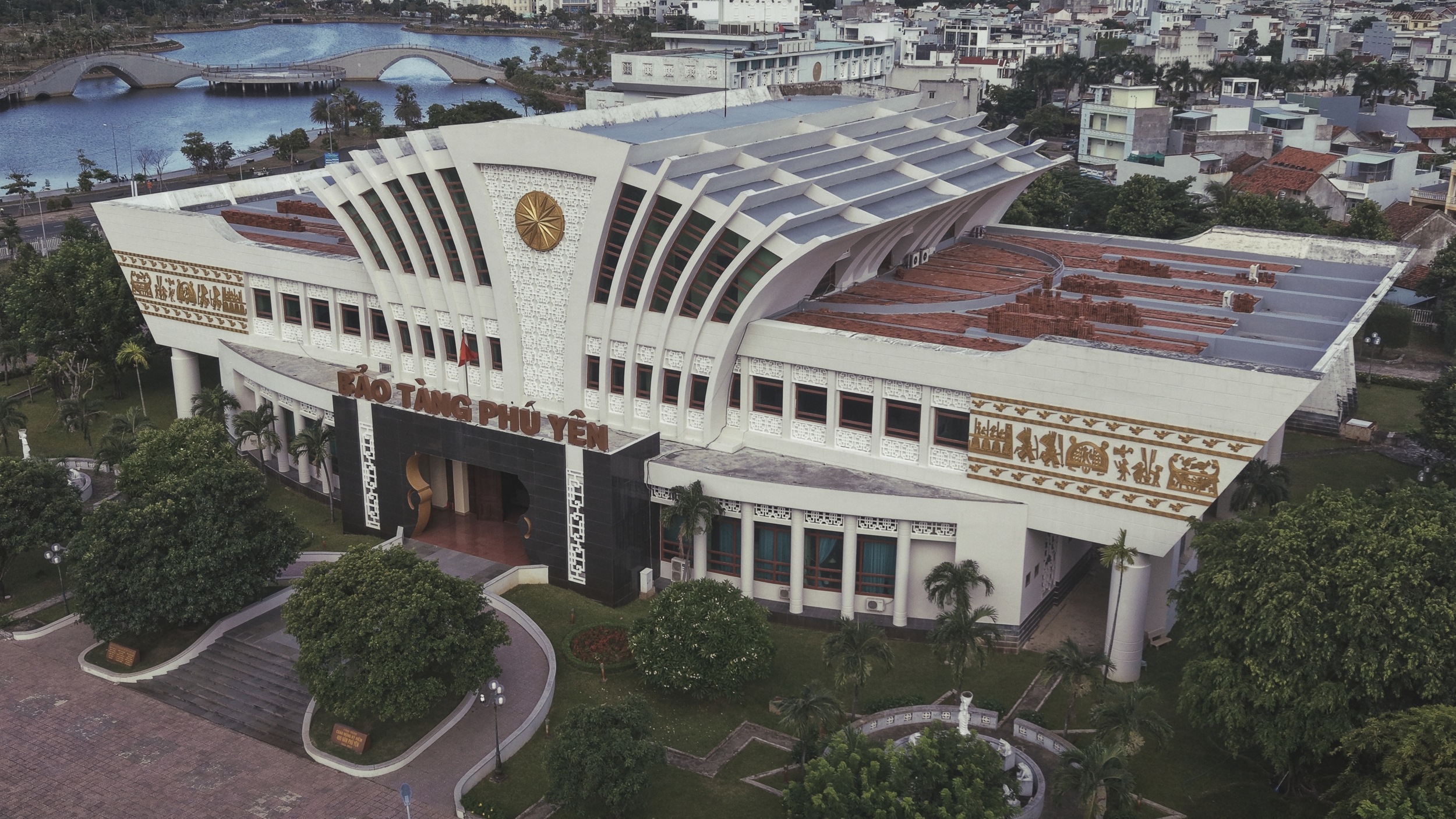
Dollars, concrete and freedom: The Birth of an architectural boom
Why did Tuy Hoa suddenly embrace tropical modernism in the 1960s and 1970s?
Because everything happened at once.
The Vietnam War turned the city into a strategic military hub. The Americans built a massive airbase, dollars poured in, the population exploded and a new middle class emerged.
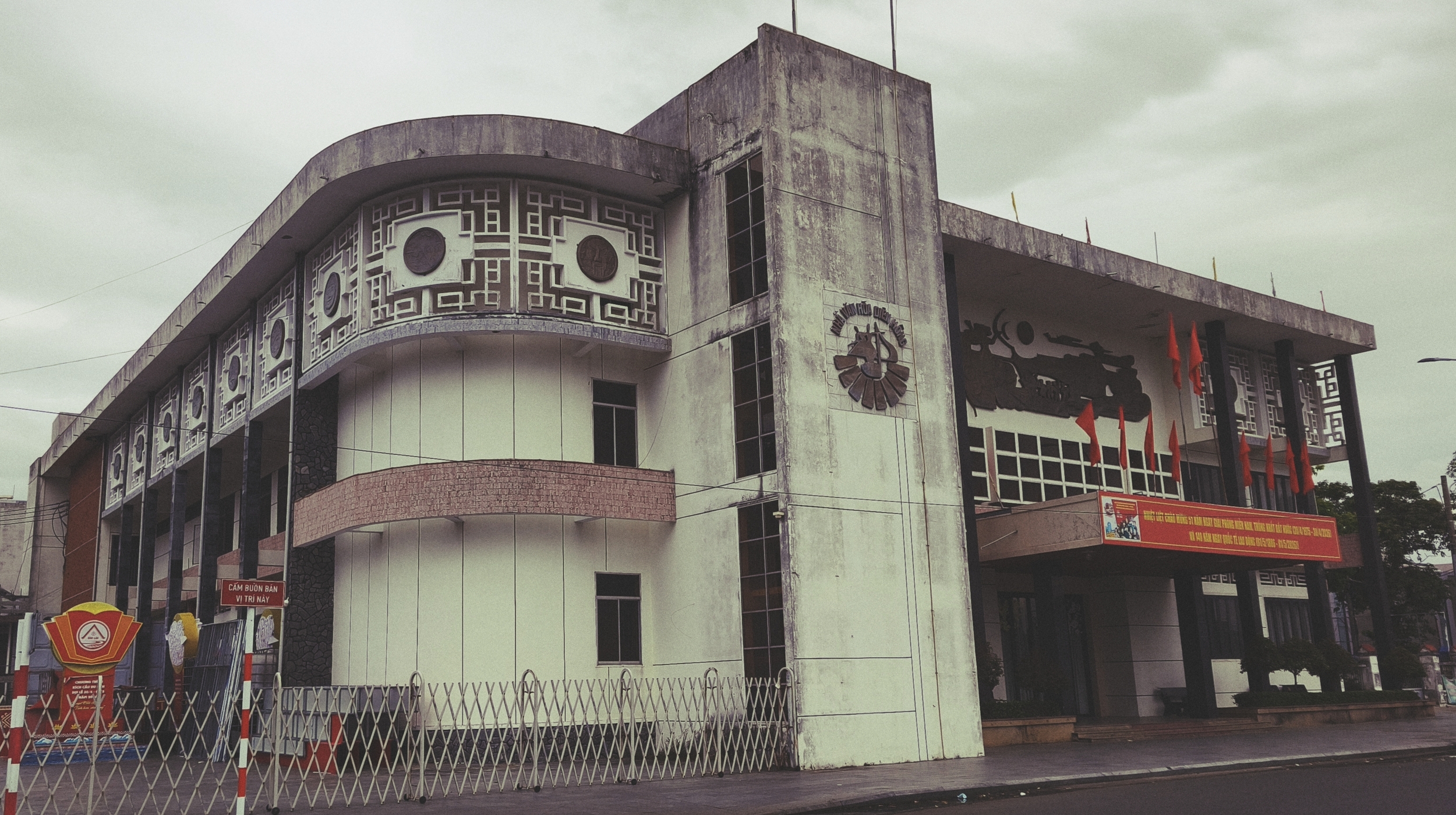
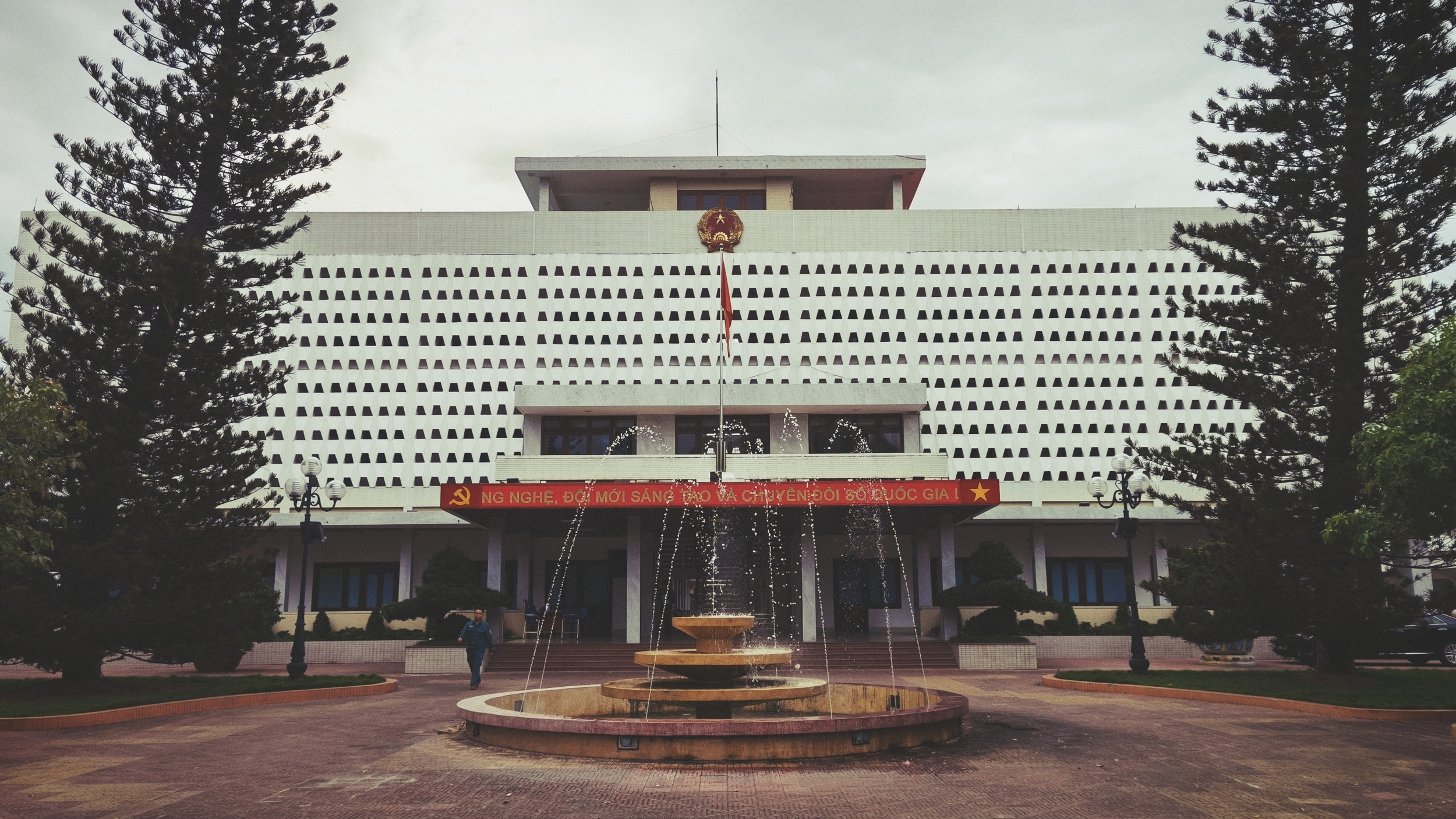
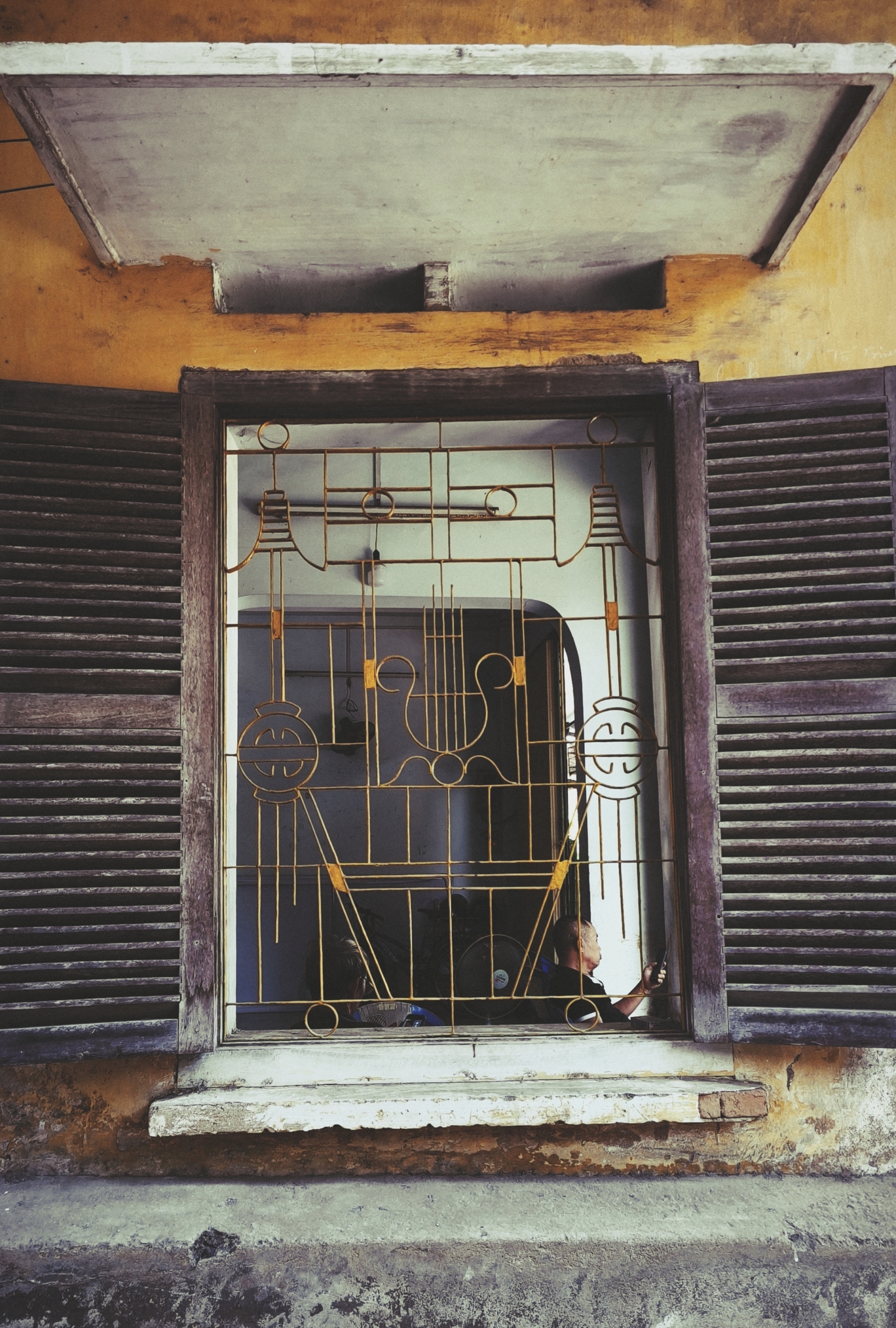
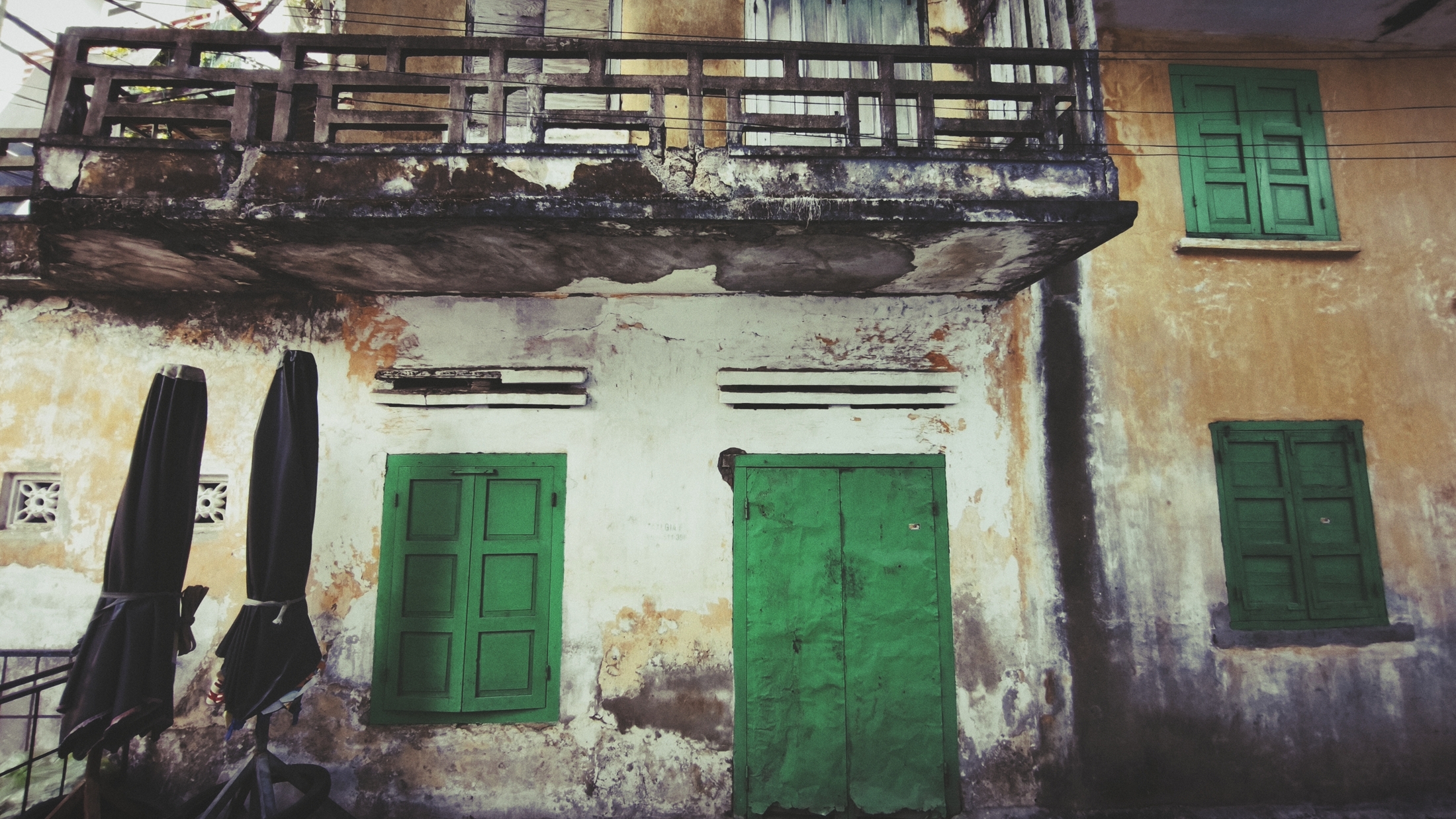
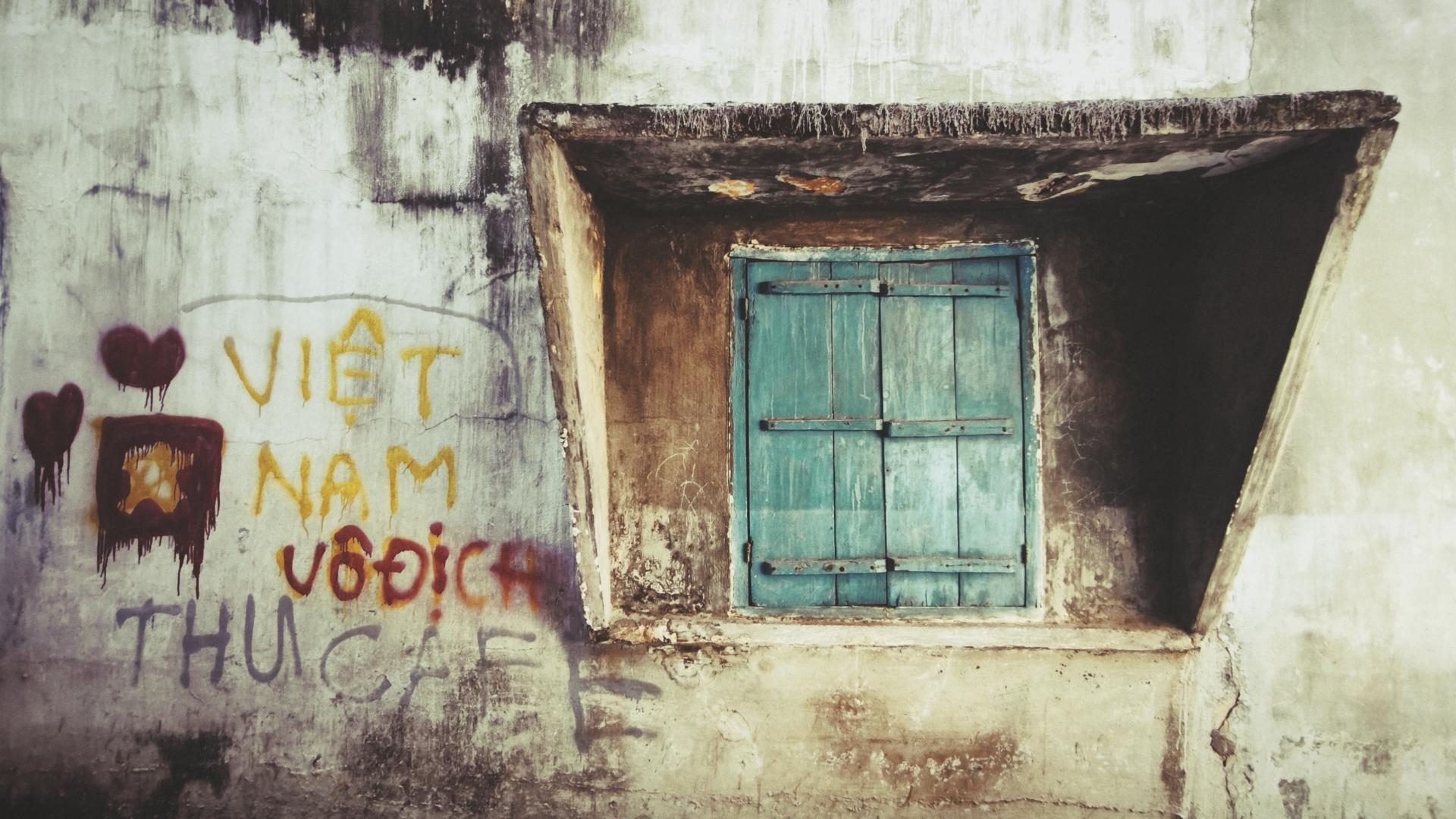
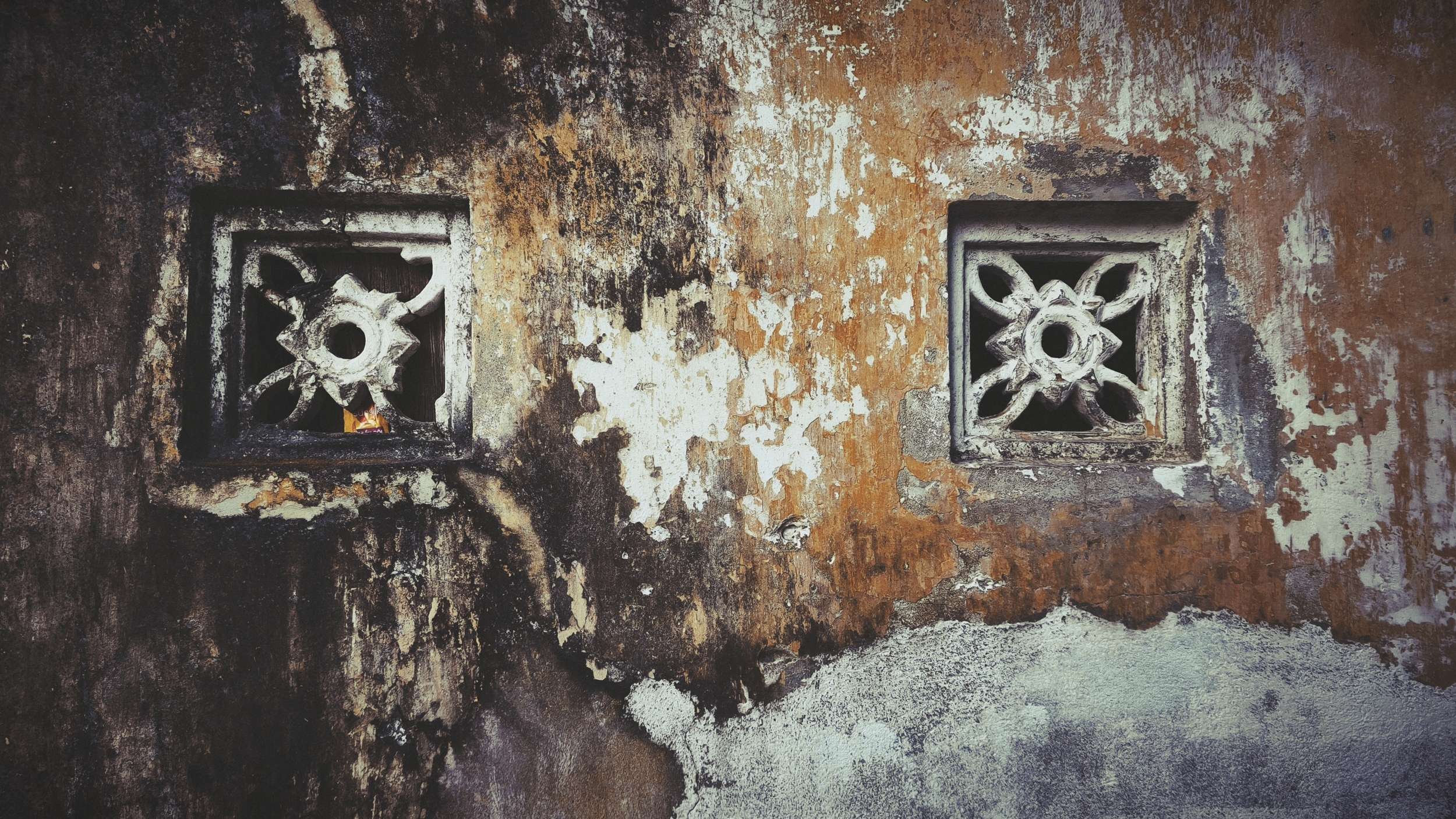
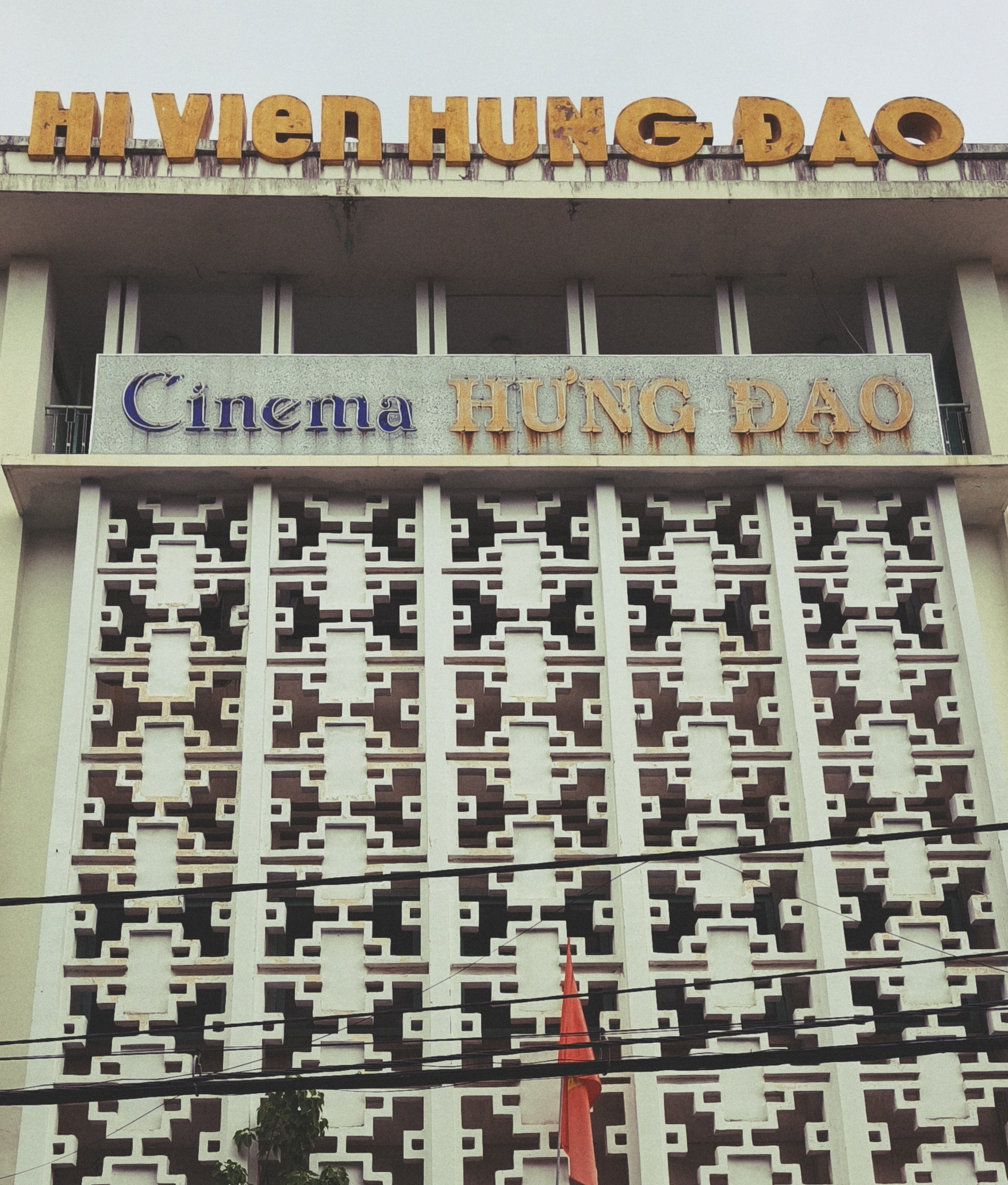
At the very same time, Saigon became the laboratory of Kiến trúc Miền Nam—South Vietnamese modernism. A new generation of Vietnamese architects swept aside the old French colonial vocabulary. They absorbed Le Corbusier and reinvented it in concrete: clean lines, flat roofs, perforated façades and buildings designed to breathe.
Shopkeepers, entrepreneurs and prosperous families wanted the same language.
People were no longer simply building houses.
They were displaying success.
Modernism became a social statement.
Unlike so many architectural fashions, however, this one actually worked. The façades filtered the tropical sun, sea breezes flowed naturally through the interiors and monsoon rains had already been anticipated in the design.
In Tuy Hoa, concrete wasn’t just showing off.
It knew how to live in the tropics.
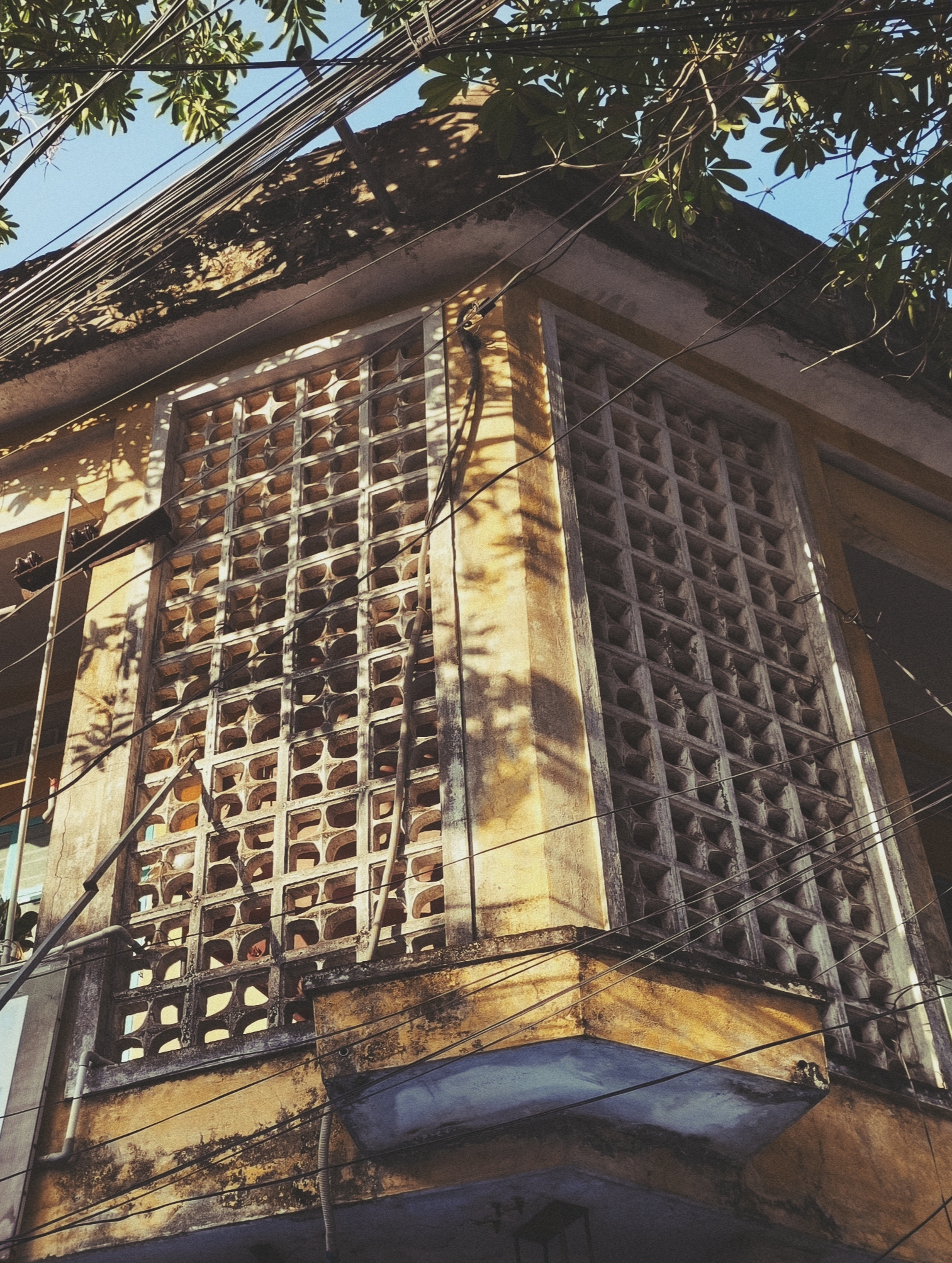
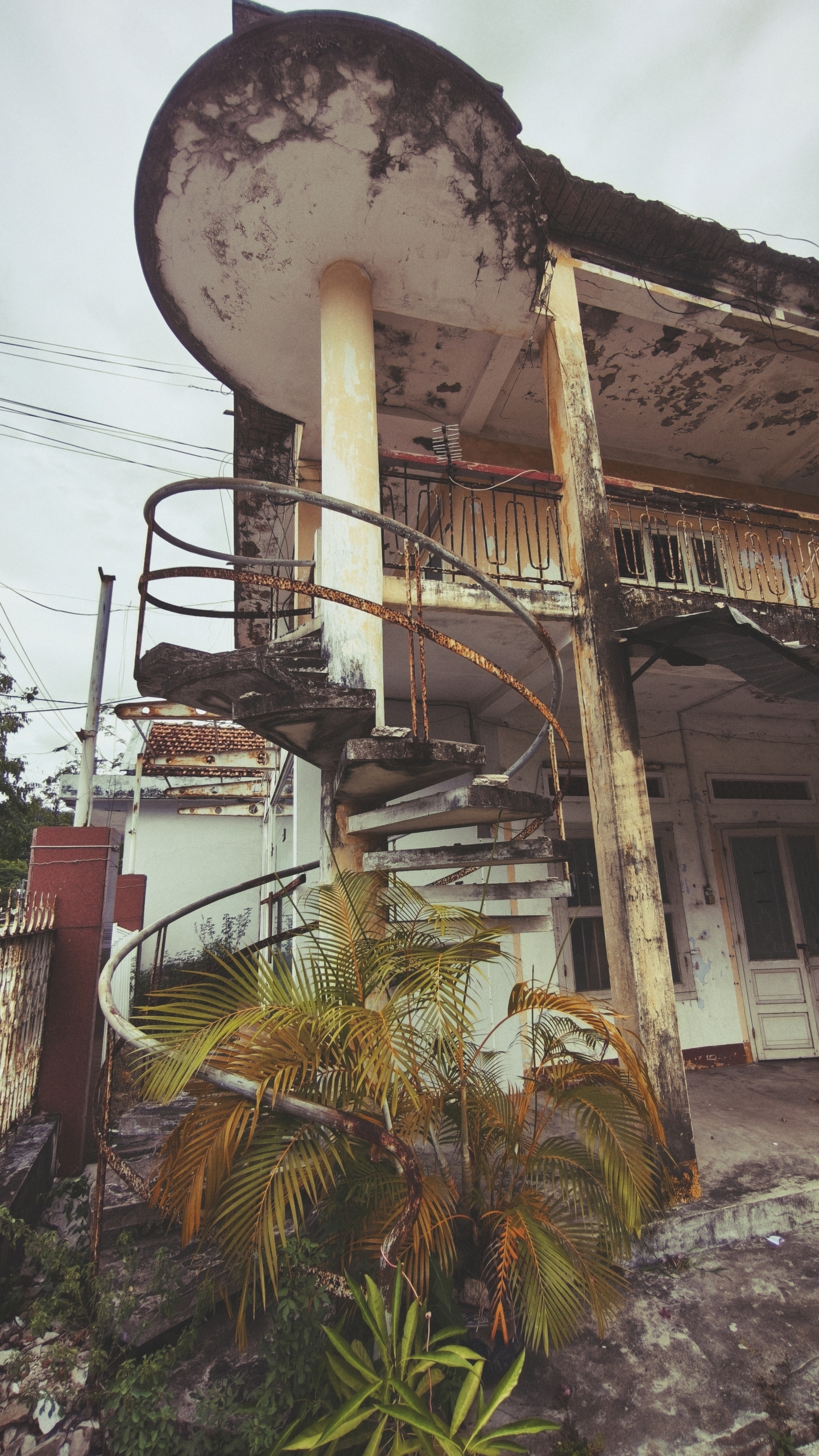
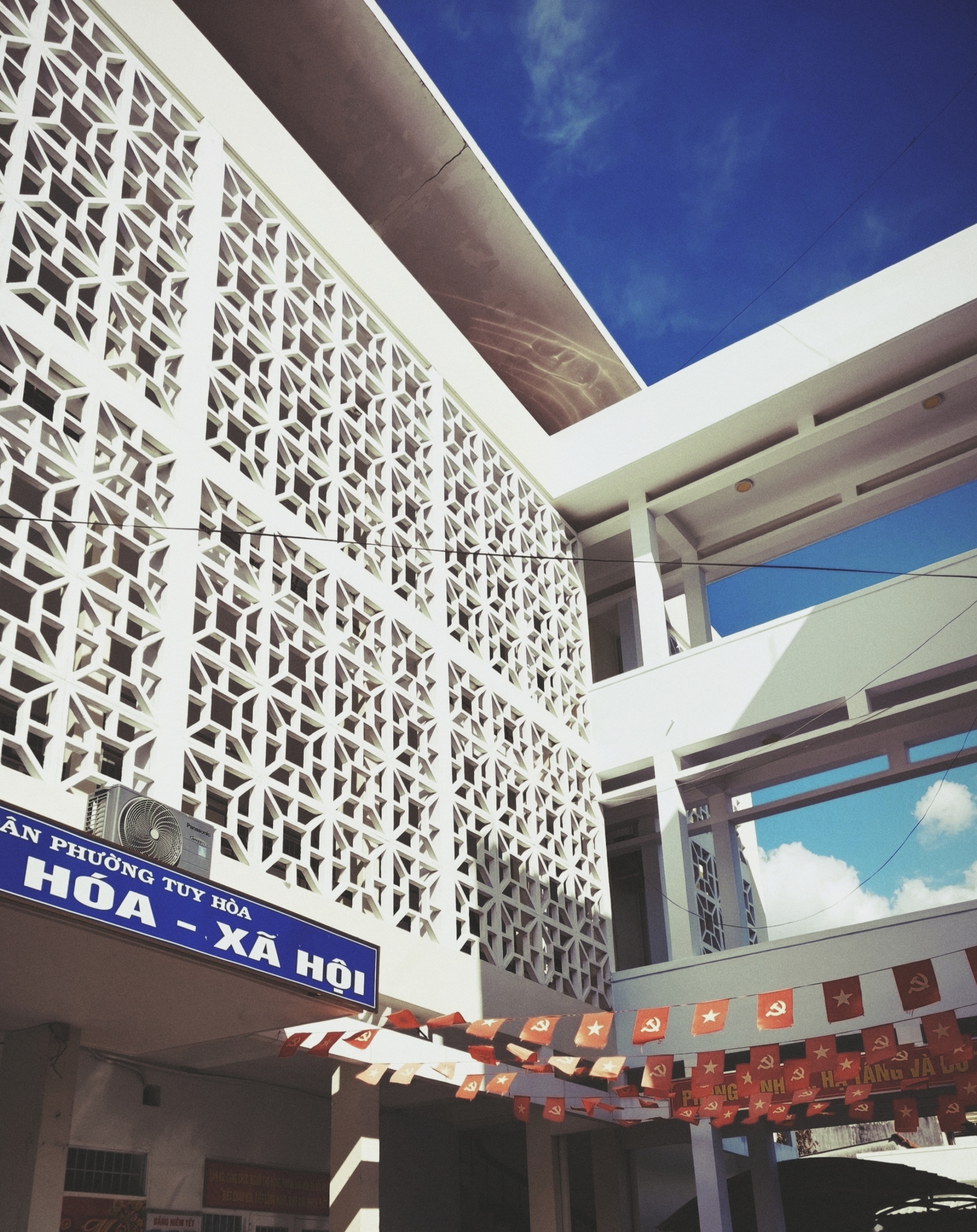
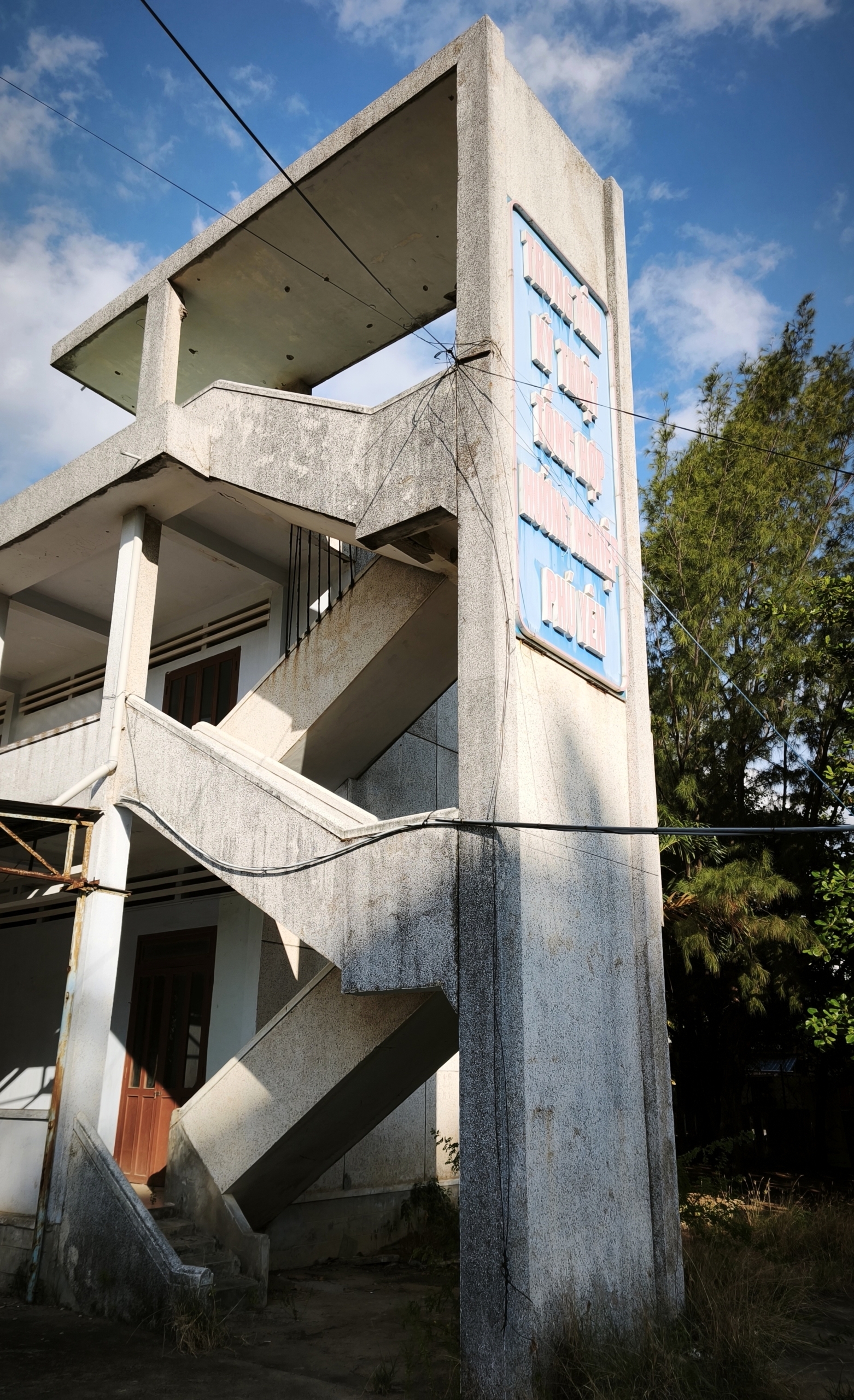
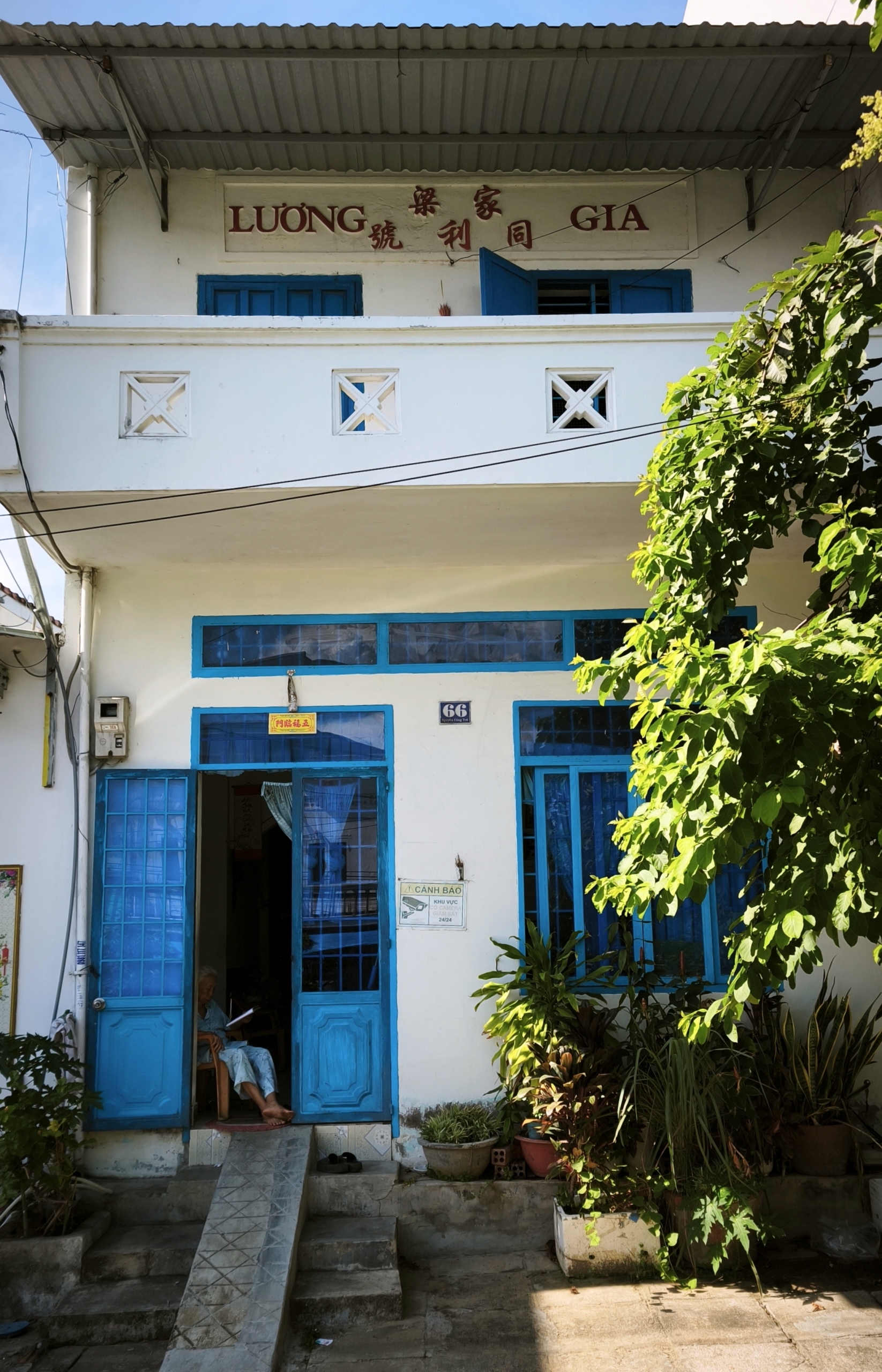
A living heritage in the midst of urban chaos
What makes Tuy Hoa remarkable is that its tropical modernism was never limited to monumental public buildings, nor did it disappear after the 1980s.
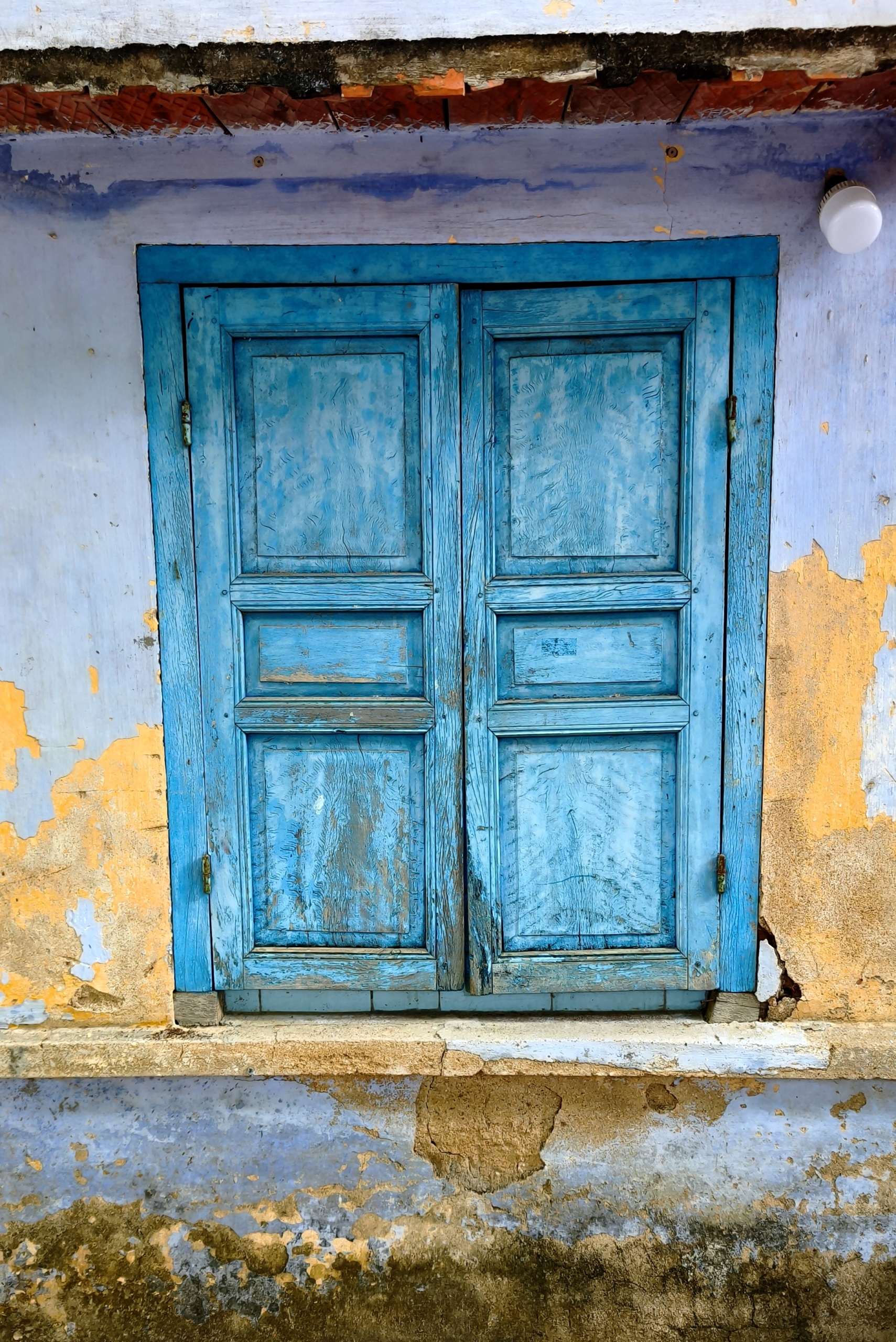
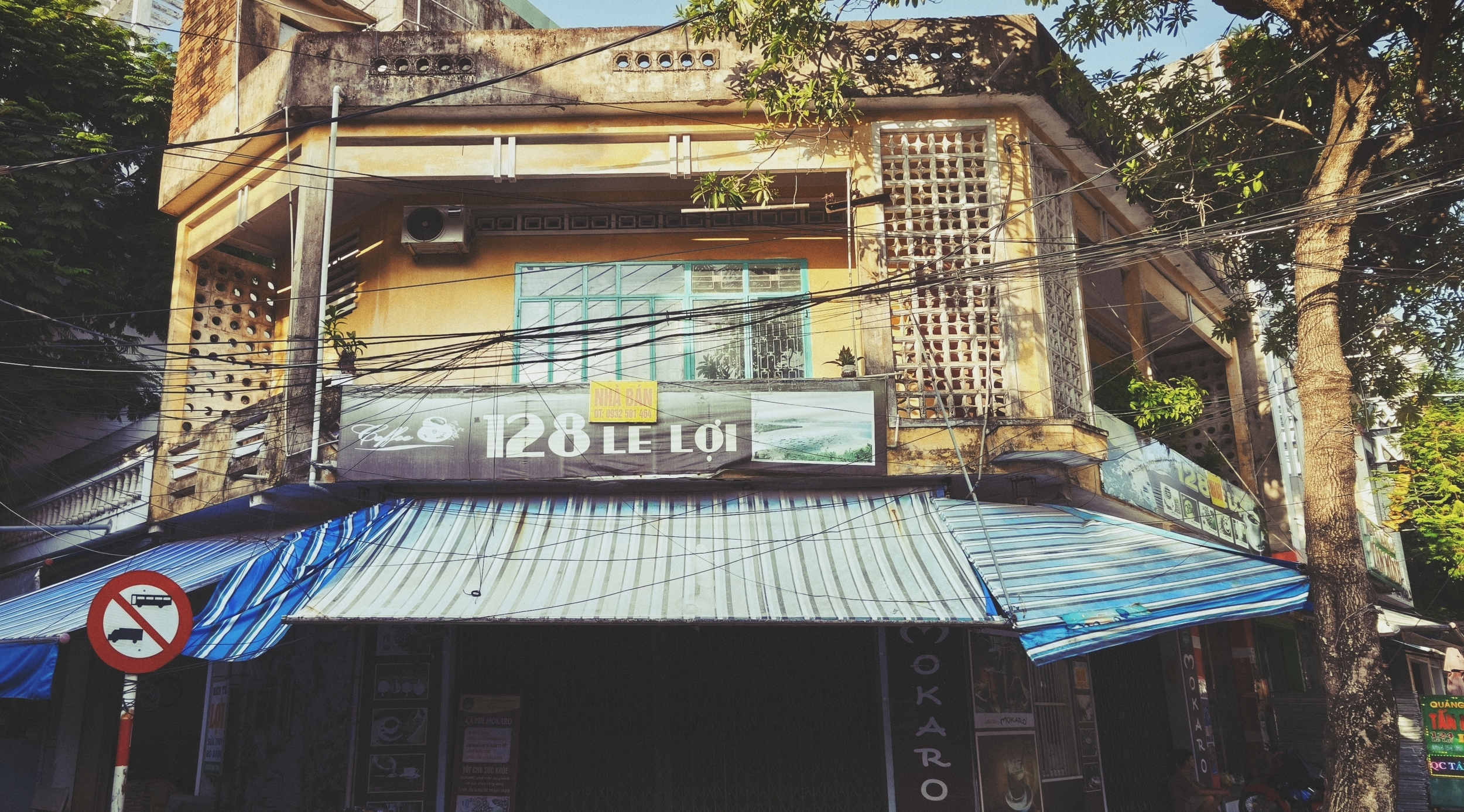
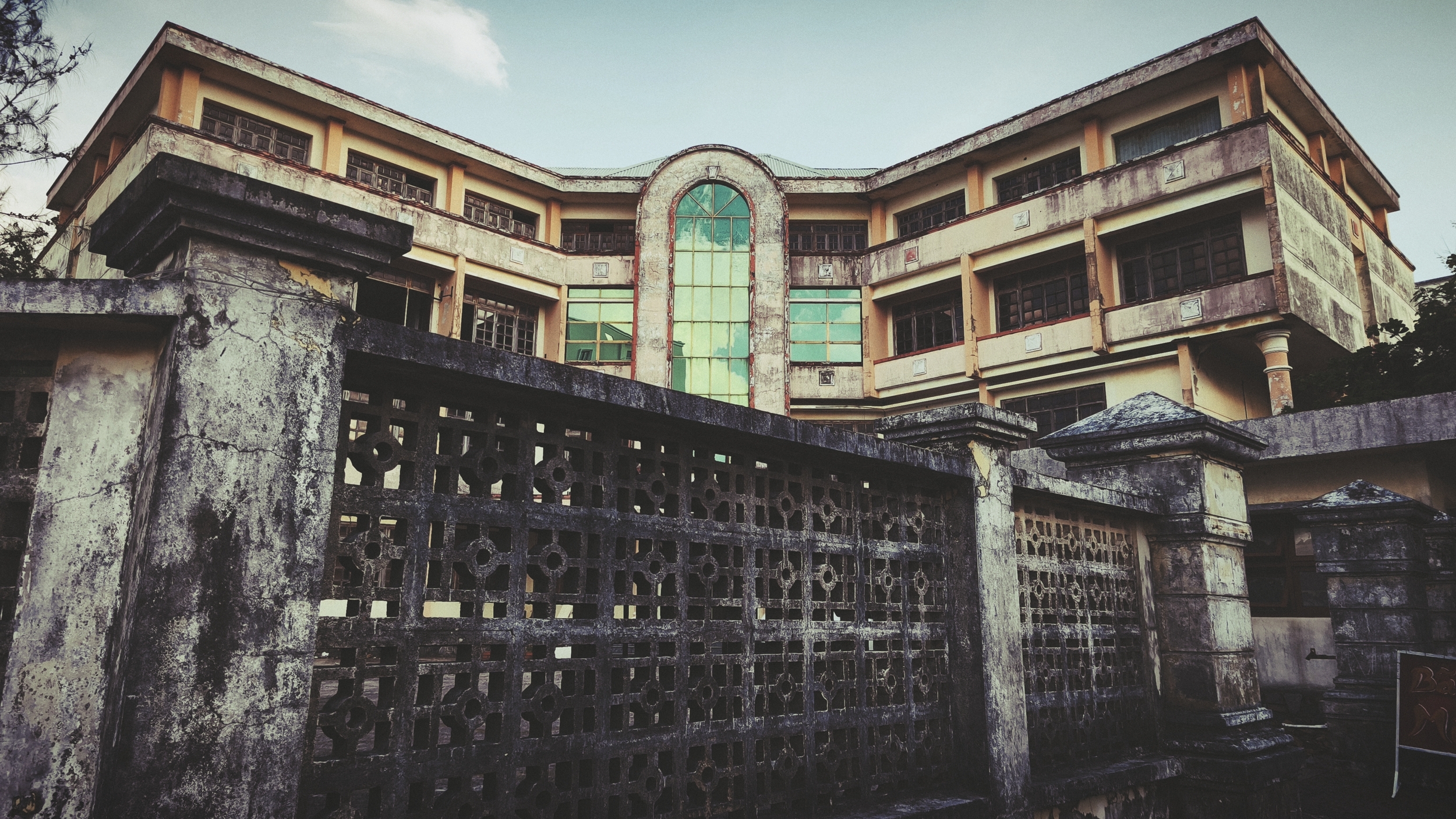
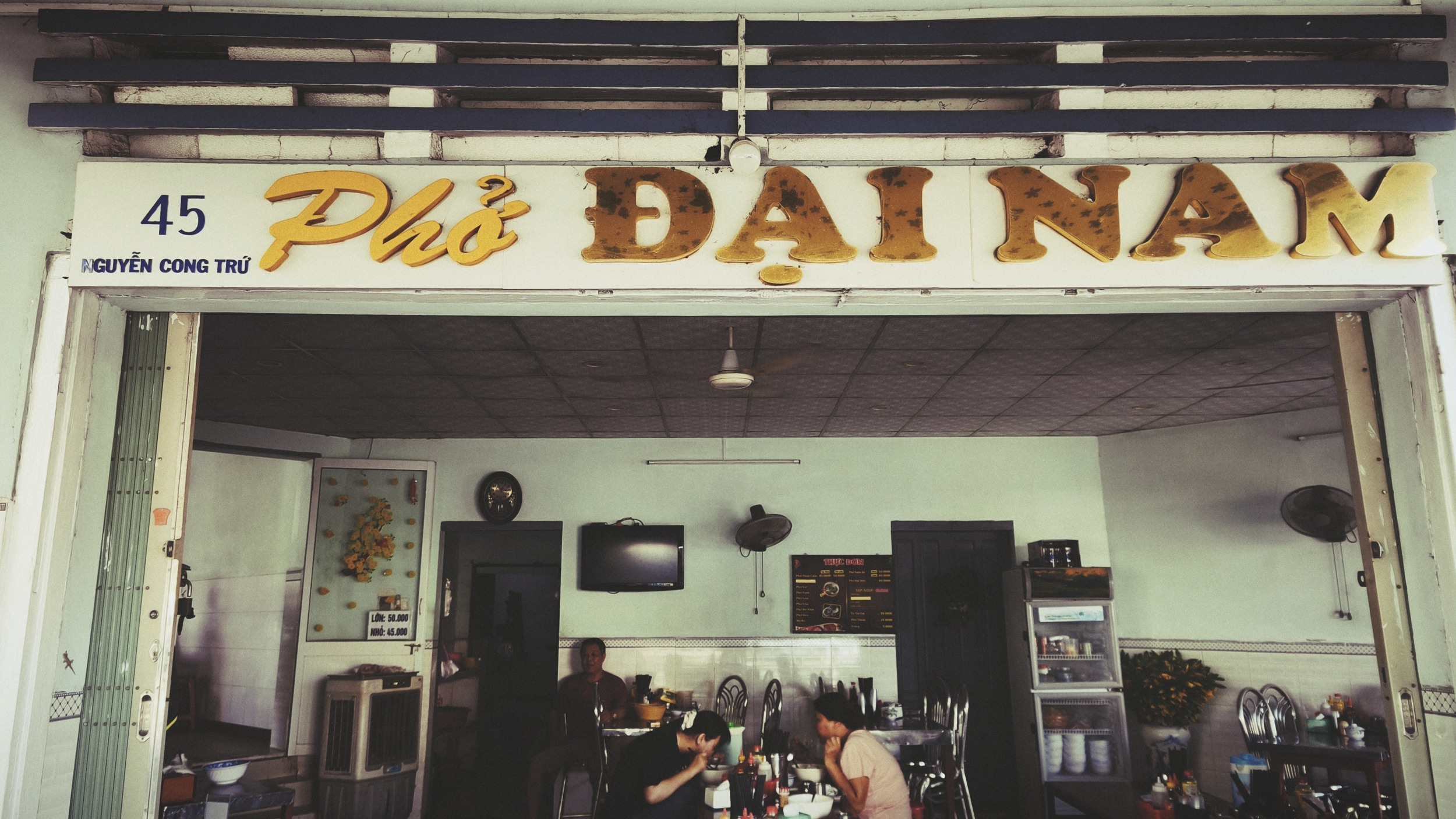
It slipped into family shophouses, neighbourhood cinemas, corner villas and anonymous office blocks.
Architecture designed for climate long before it was designed for prestige.
Still inhabited.
Still useful.
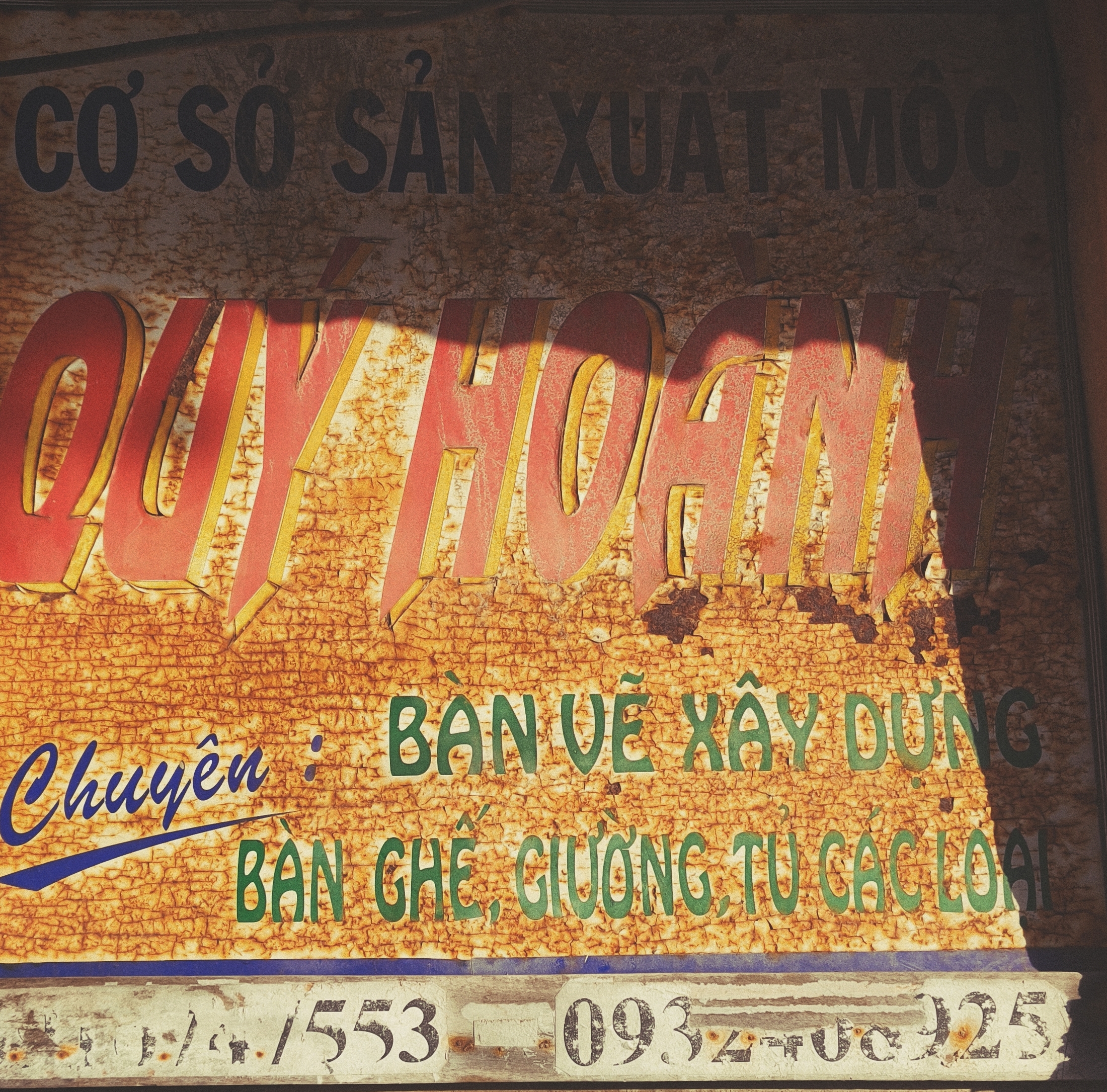
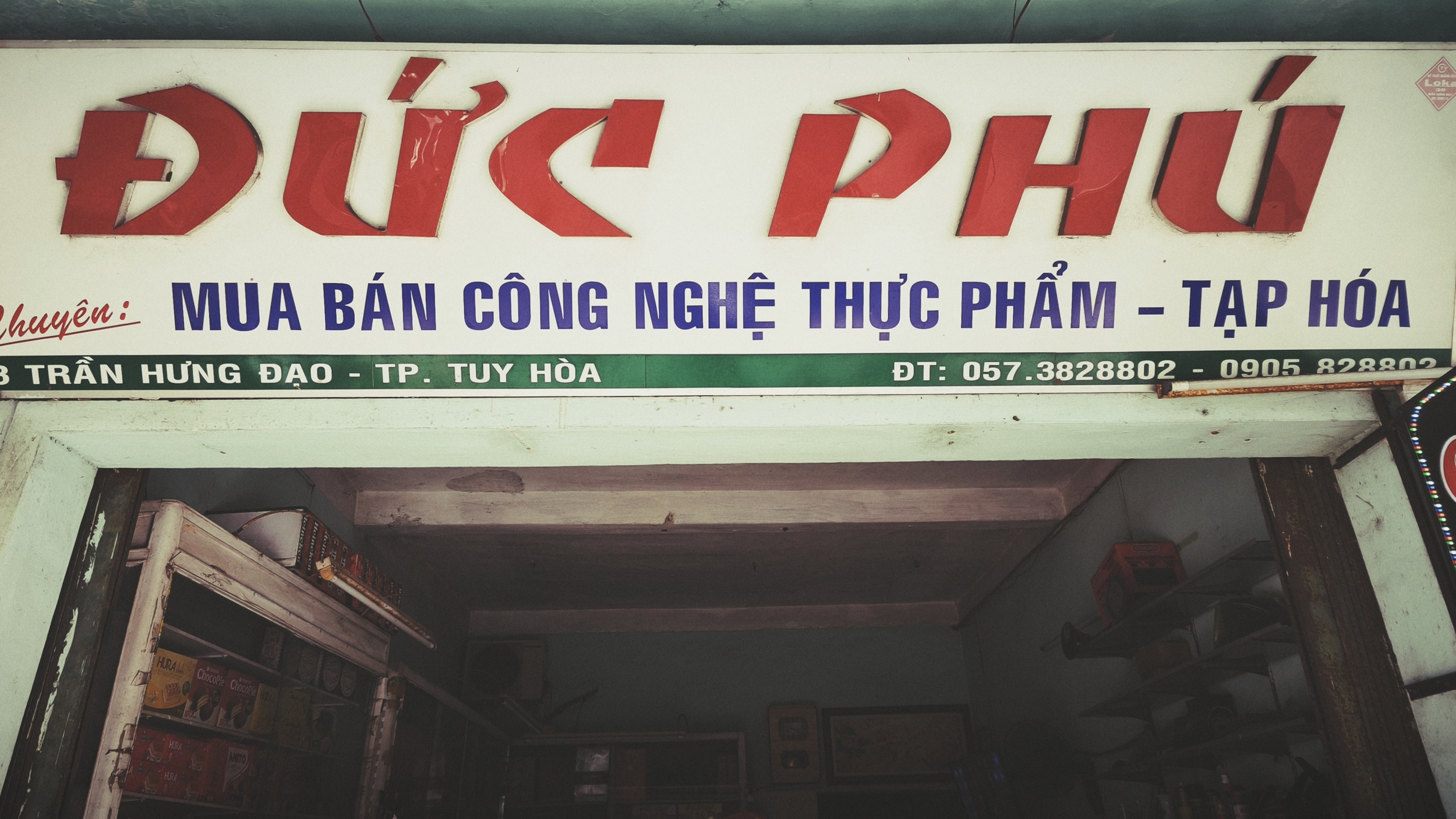
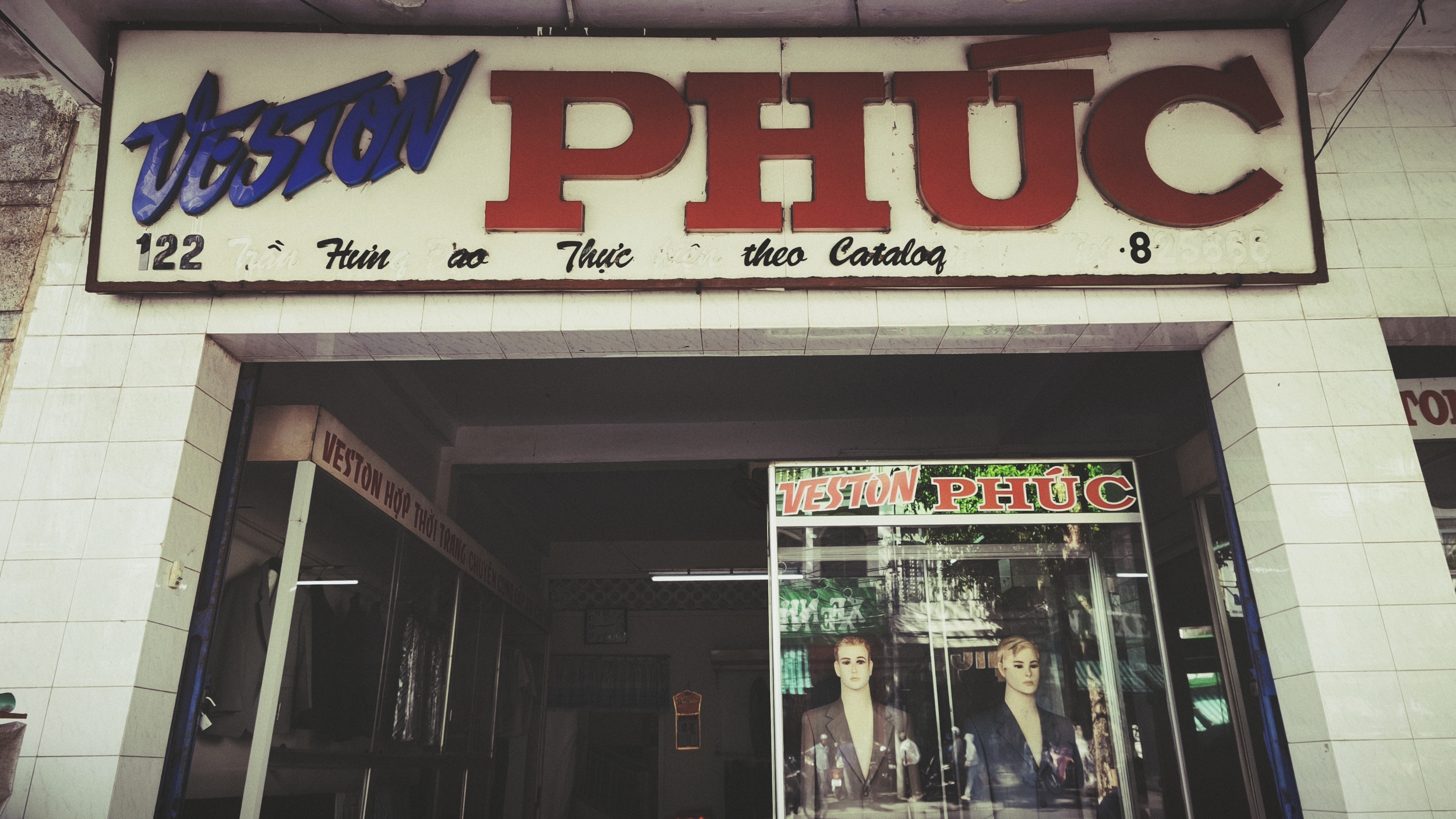
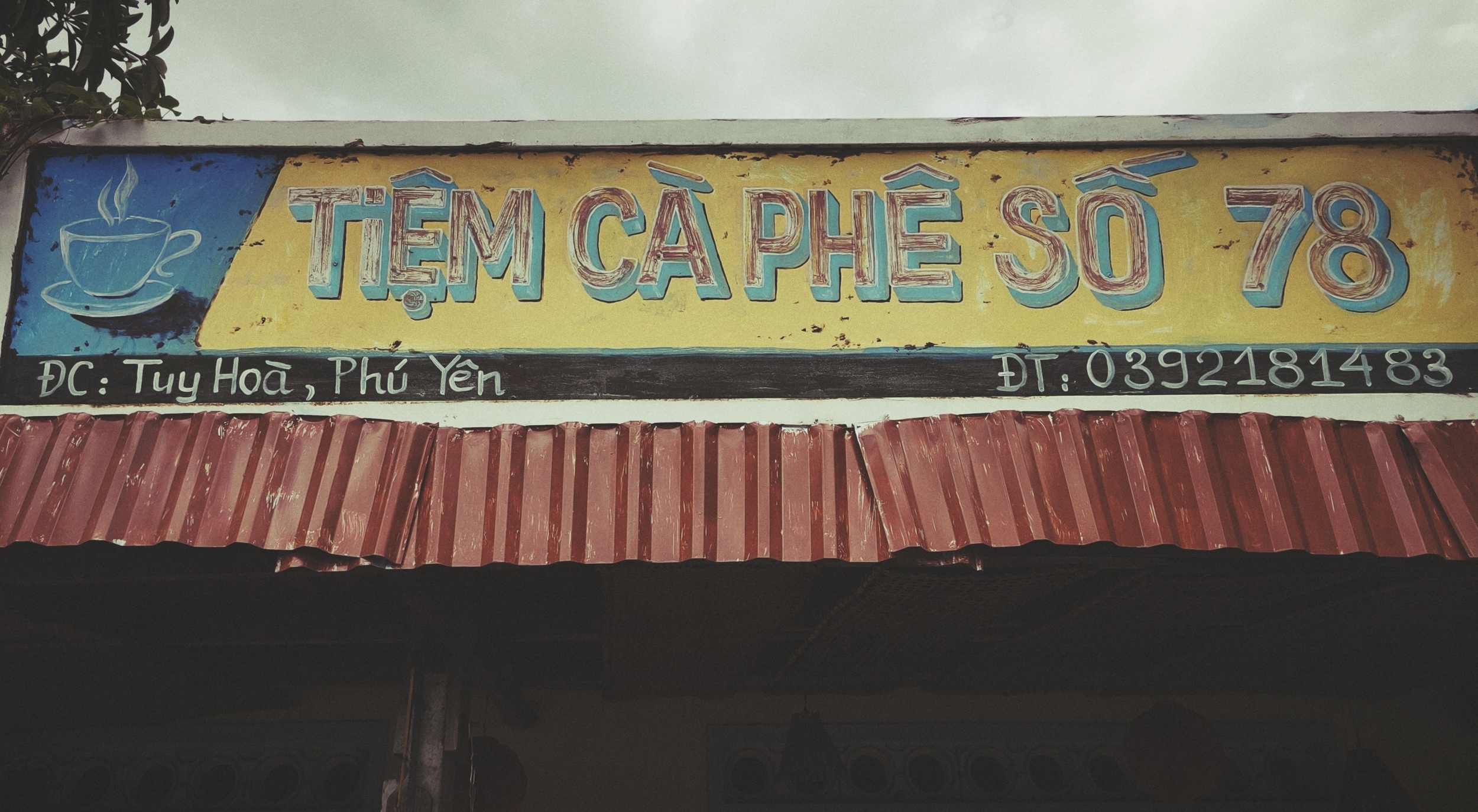
Sometimes buried beneath tangled power lines, oversized shop signs or clumsy renovations.
You simply have to learn to look beyond the visual noise to rediscover the original design.
Tuy Hoa is not a museum of tropical modernism.
It is tropical modernism that never stopped being lived in.
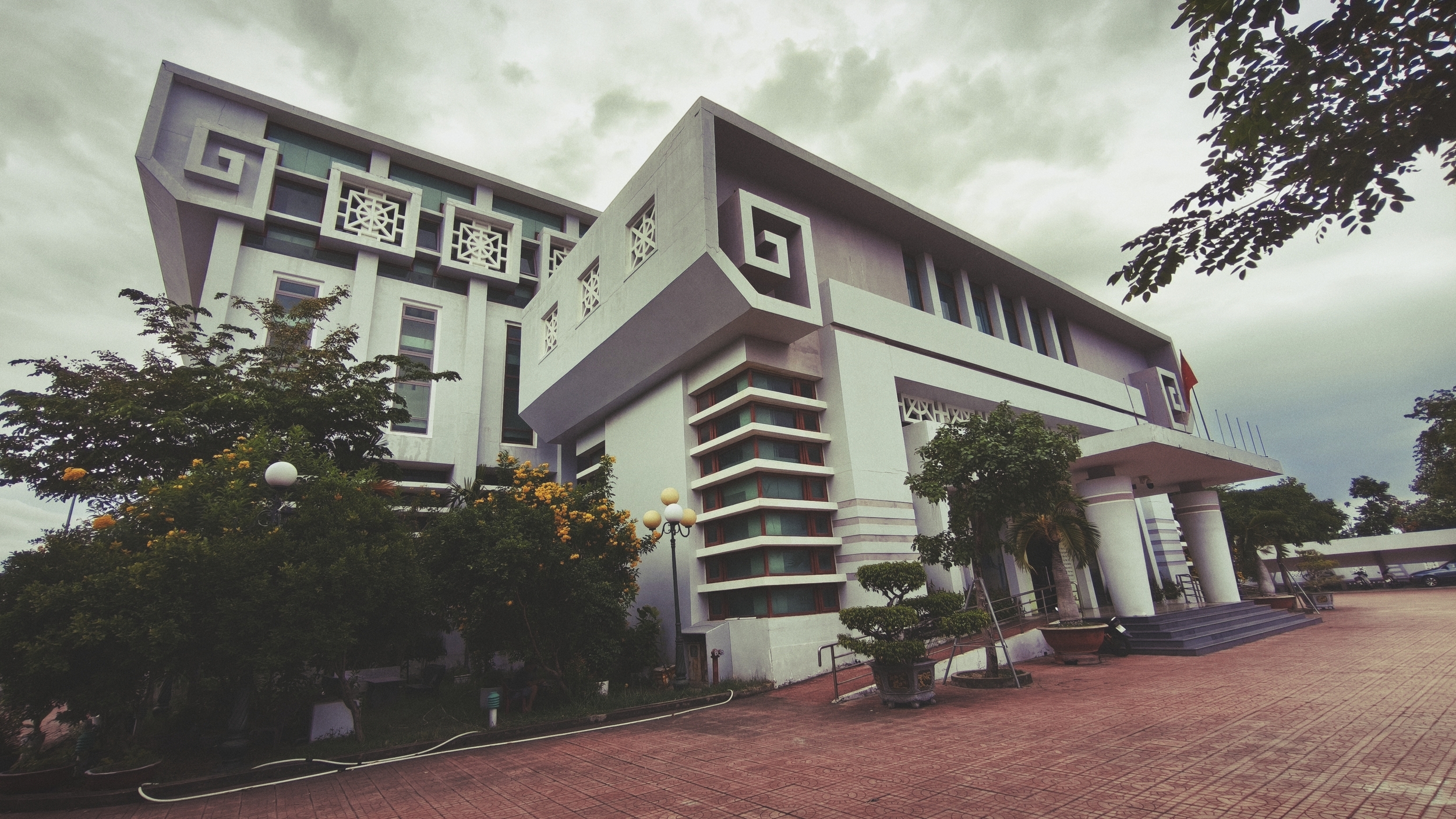
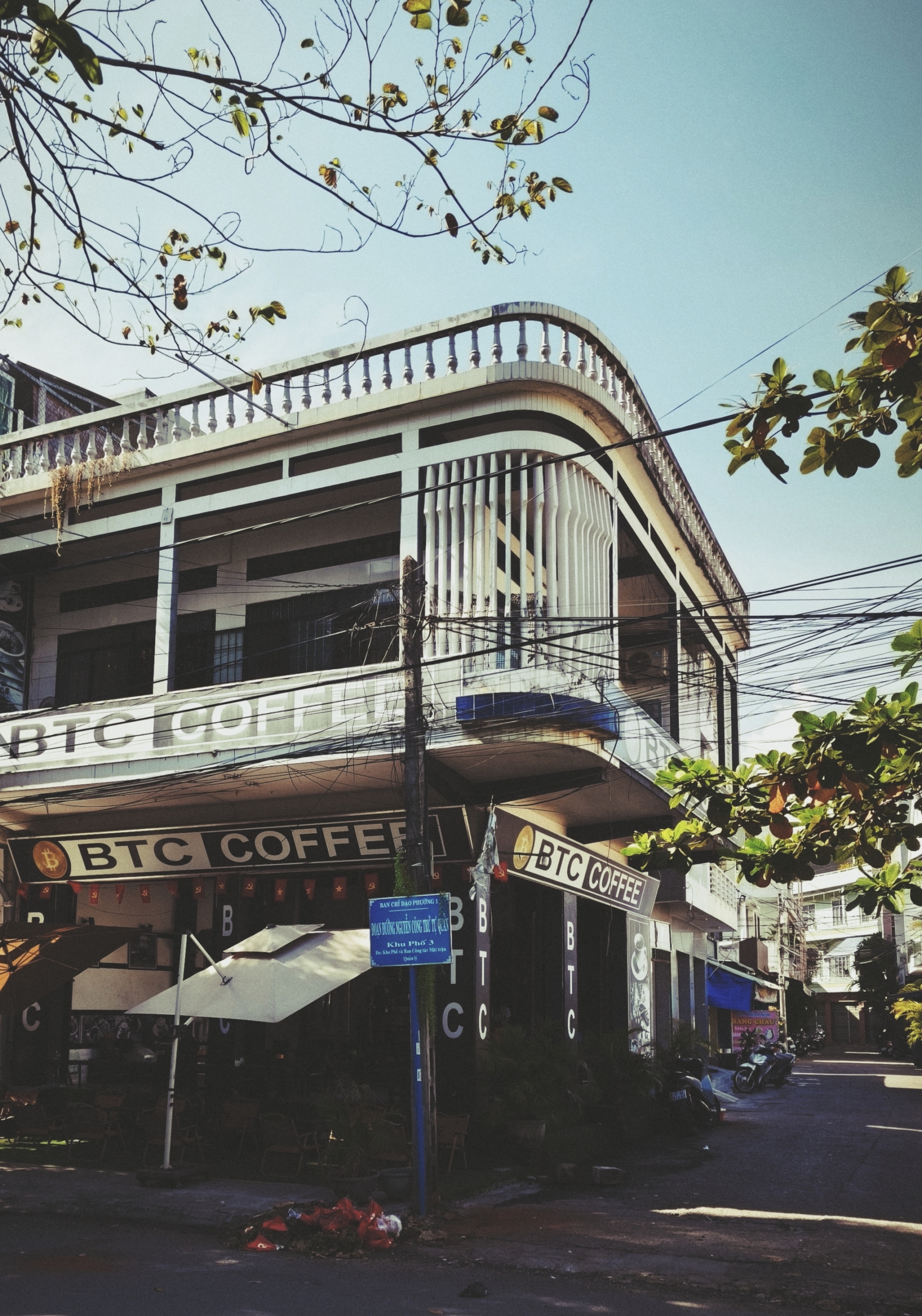
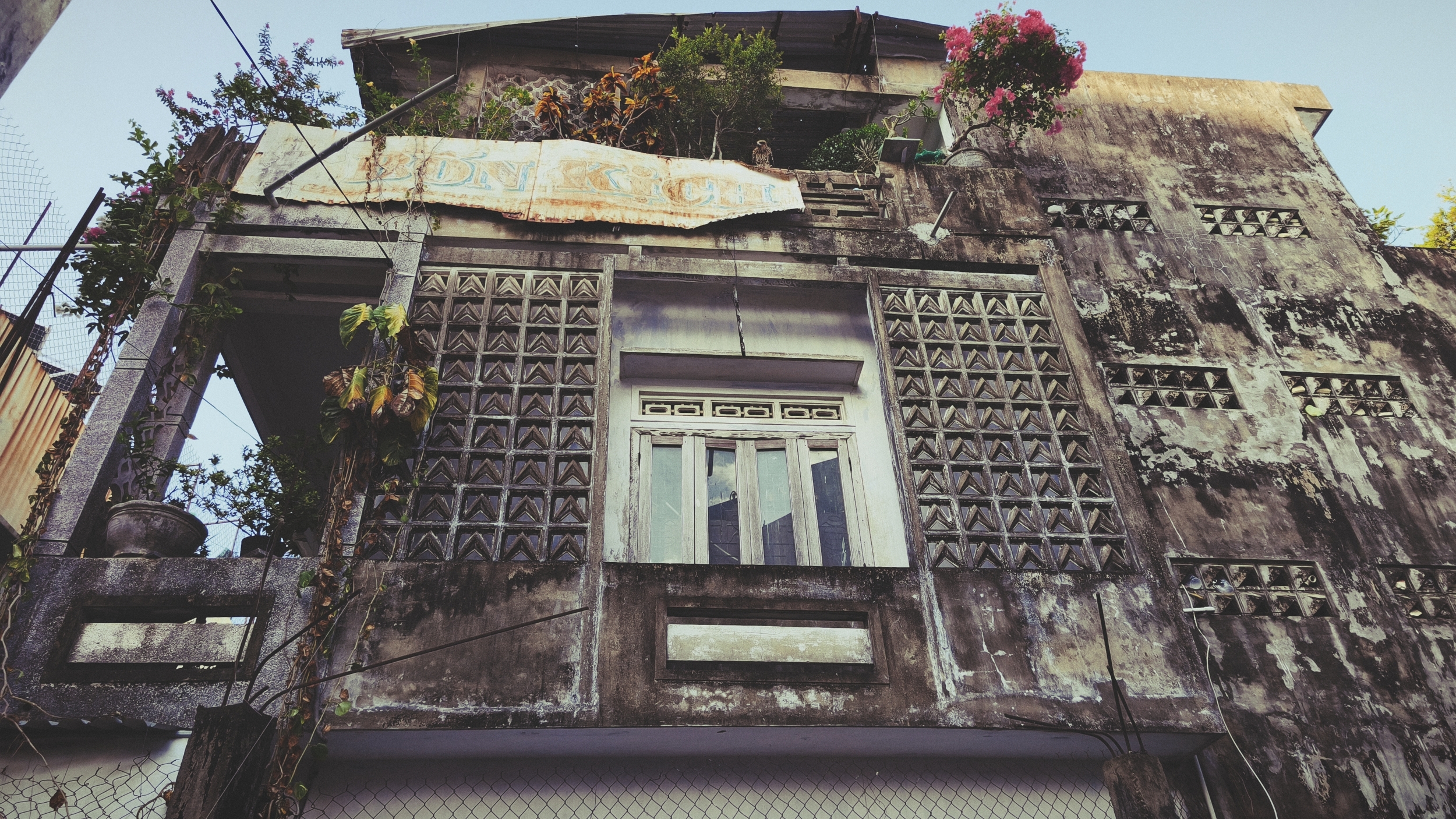
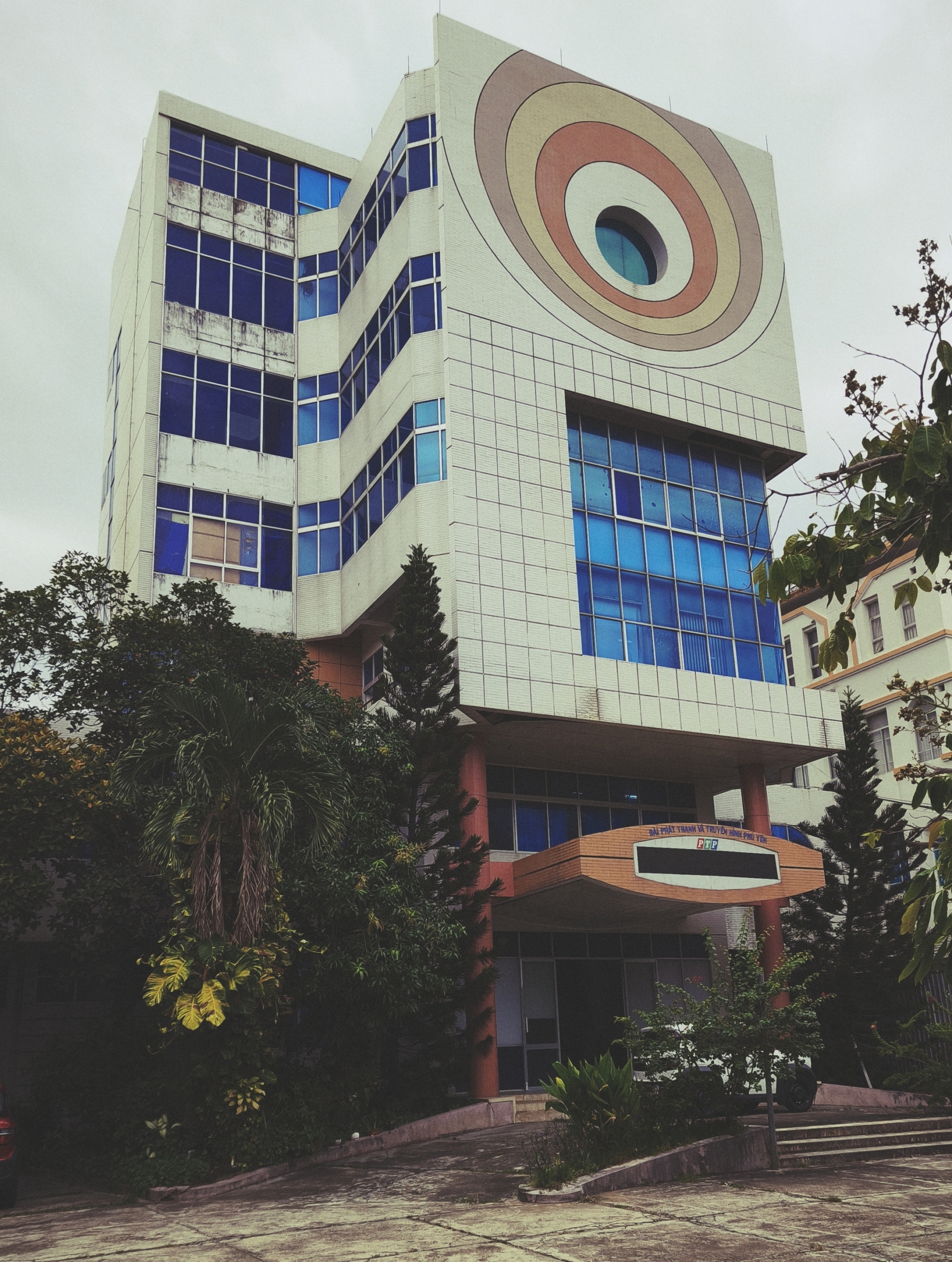
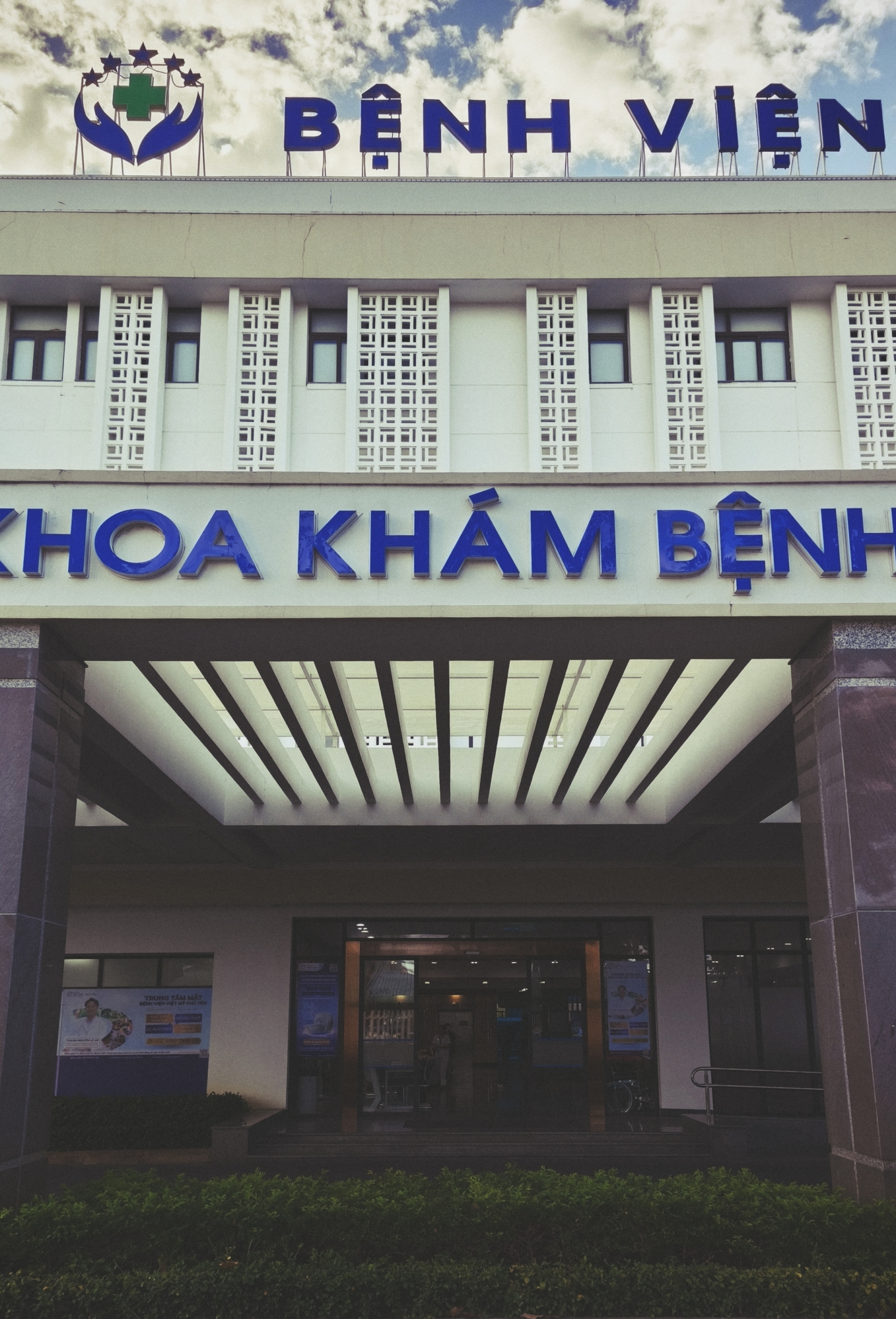
Space to breathe. Space to frame.
That is precisely what makes Tuy Hoa different from so many of Vietnam’s increasingly suffocating cities.
Its grid layout, inherited from the colonial period and expanded during the mid-twentieth century, offers something that has become surprisingly rare in Vietnam: space.
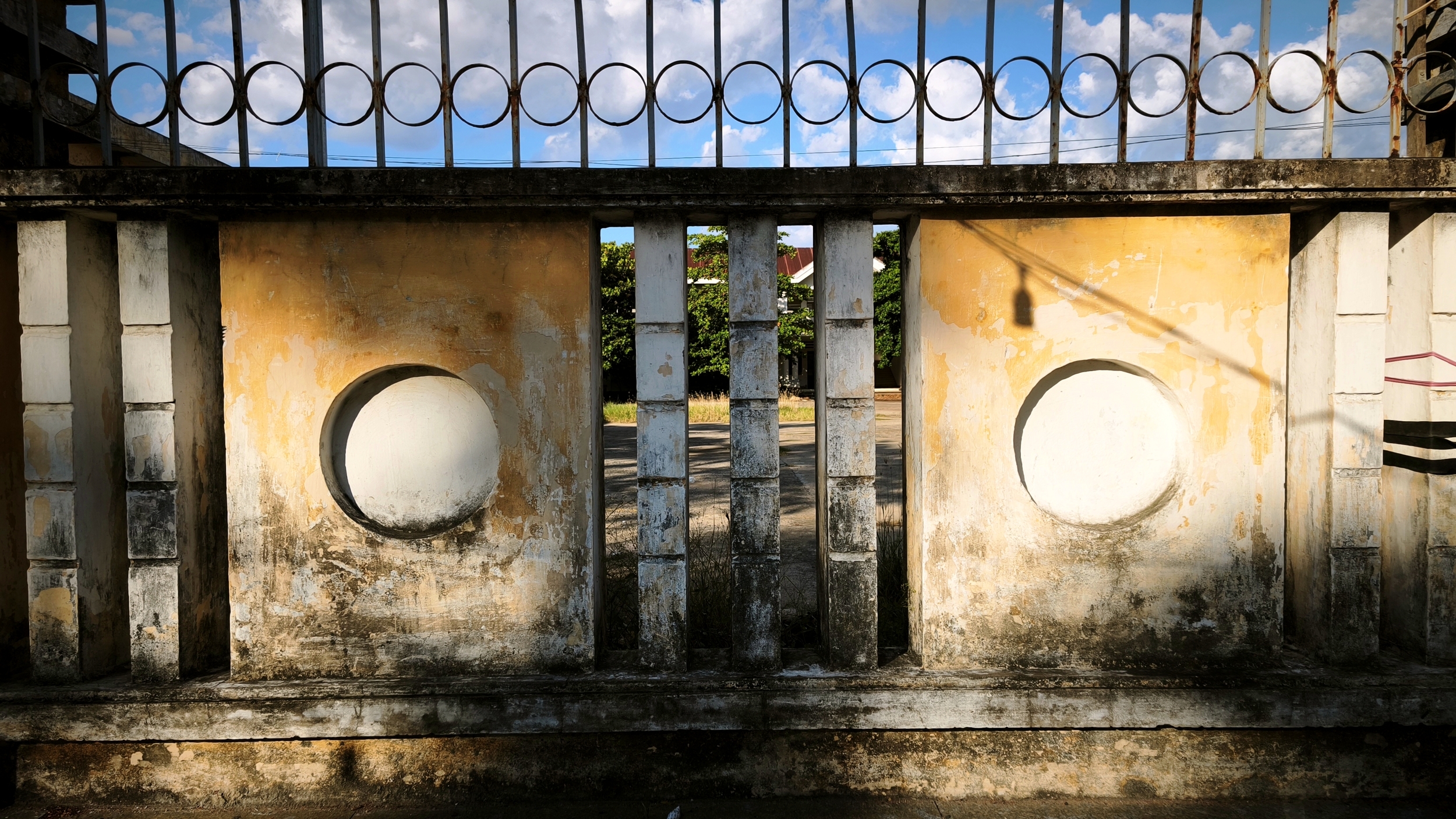
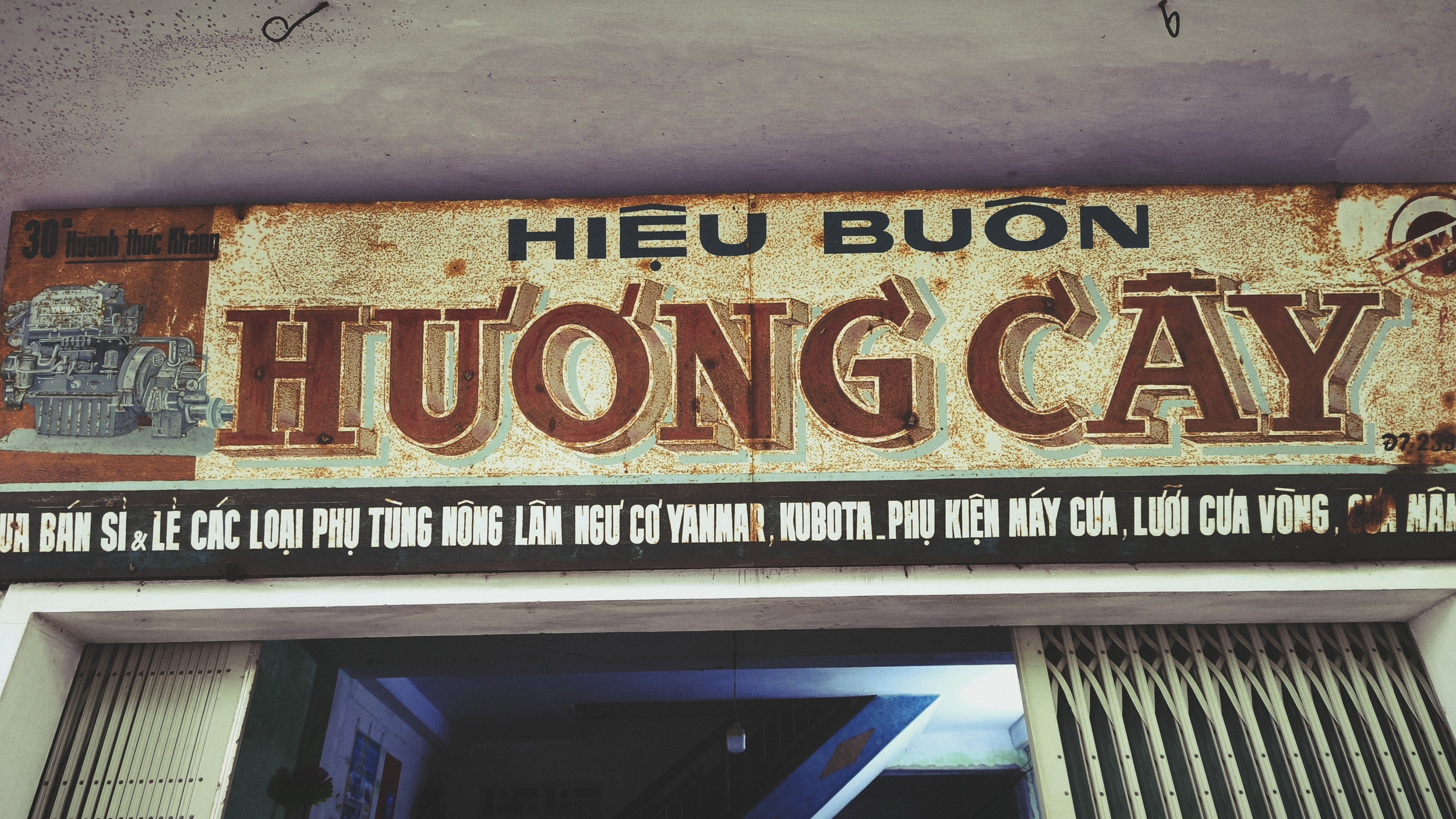
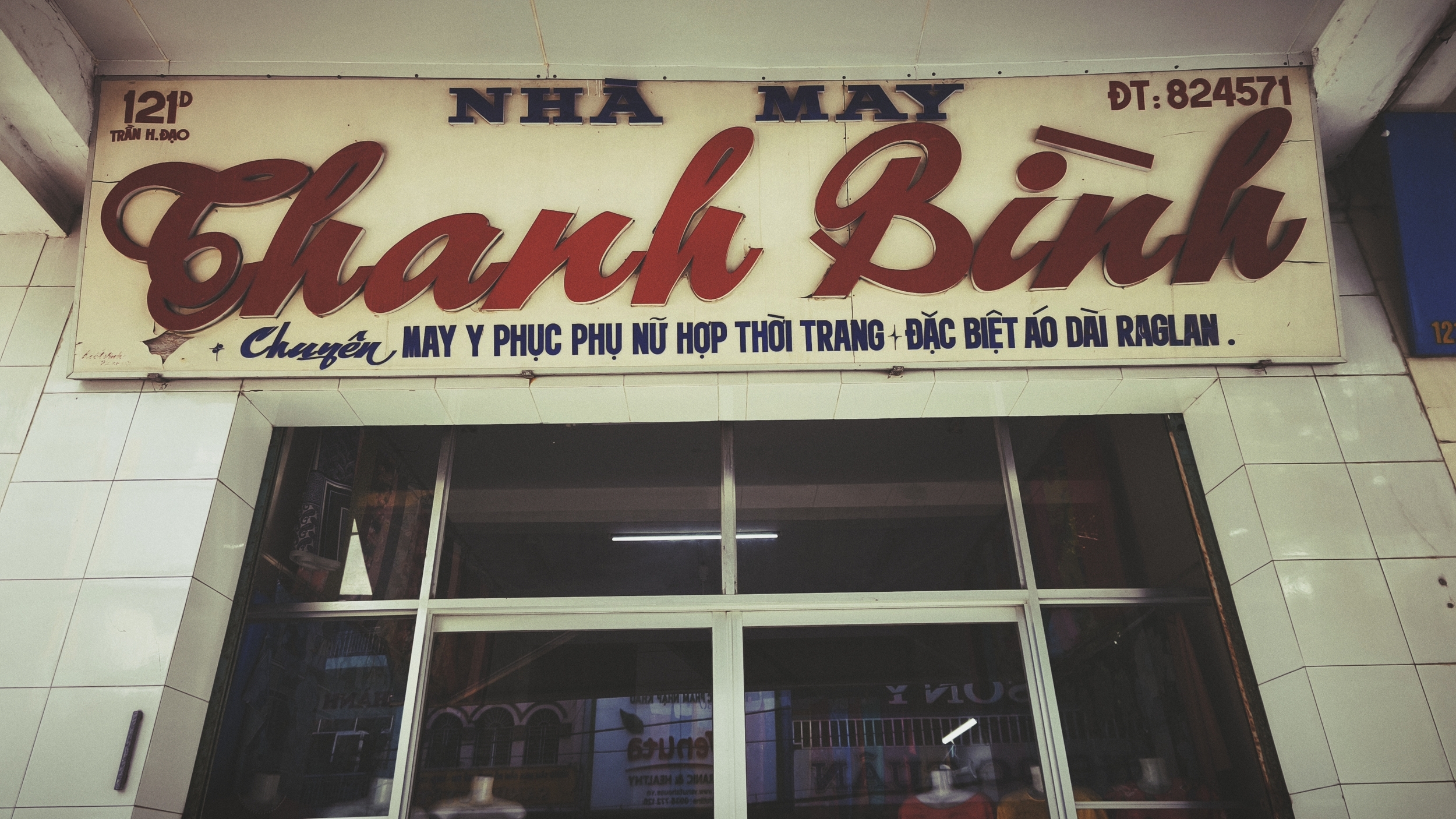
Space to breathe.
Space to step back.
Space to look up.
The broad avenues, shaded by mahogany and flamboyant trees, are not simply pleasant places to wander. They provide the perfect setting for this architectural treasure hunt.
Because tropical modernism demands distance.
You need to cross the street, stand beneath the shade of a tree, take a few steps back… and frame the building.
That sense of perspective is missing from much of today’s travel industry as well.
After years of recycling the same itineraries and the same promises, it no longer looks at Vietnam.
It simply reproduces it.
And that is probably why Tuy Hoa will never make it onto that damned bucket list.