
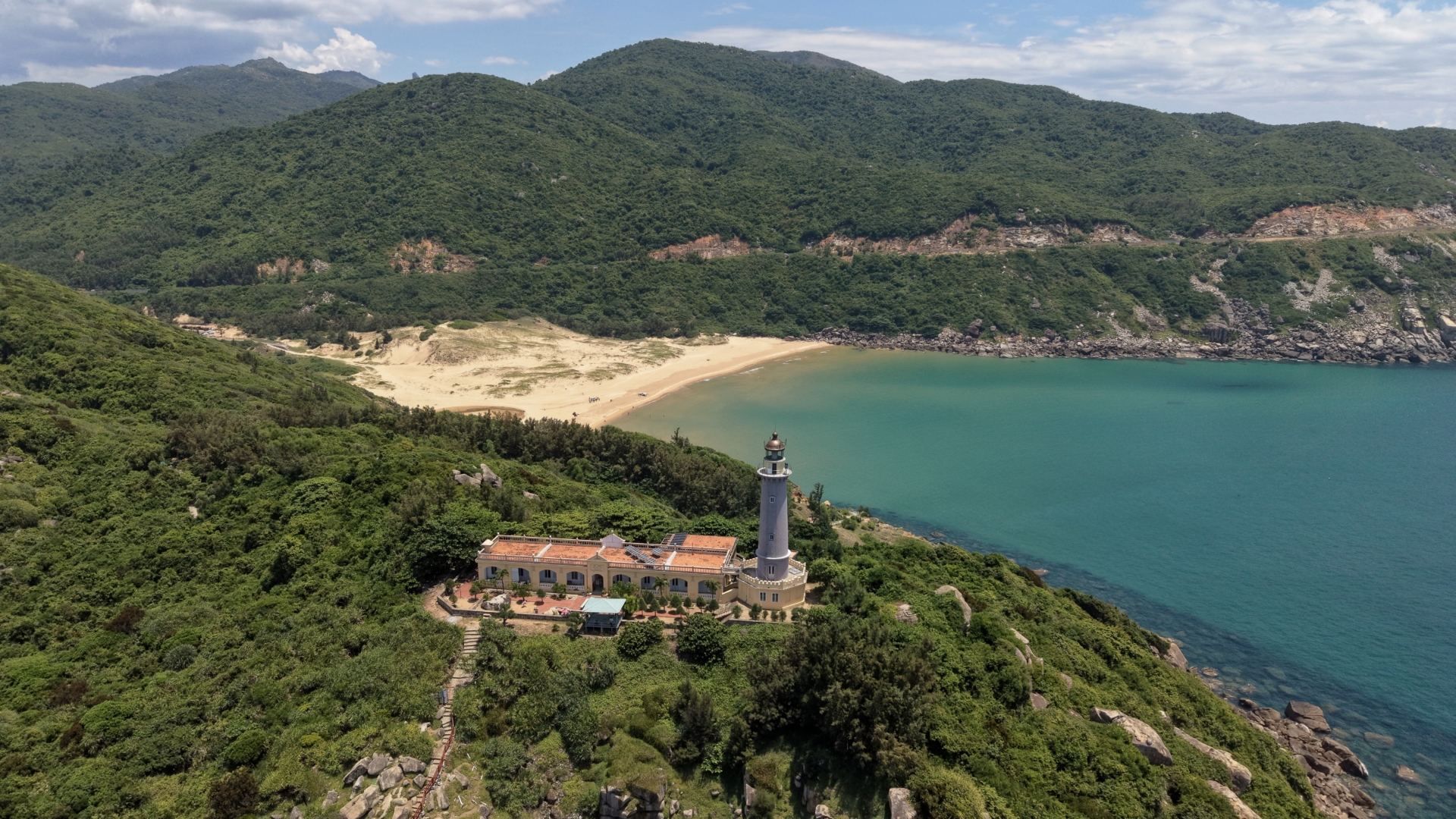
Between Tuy Hoa and Quy Nhon, the coastline never settles into one long ribbon of sand.
It bites.
It lunges out in rocky headlands, slips back into hidden coves, disappears behind a mountain before resurfacing a few kilometres farther on. This isn’t a coast you can take in with a single glance. It keeps moving. It keeps fighting.
Maybe it’s now or never.
This stretch of shoreline is both breathtaking and heartbreaking. It lives in that uneasy moment when wild landscapes still have enough strength to push back against the bulldozers.
The coast still has teeth.
The jaws of tourism and industrial development are already closing.
Writing about this place today feels less like travel journalism than evidence gathering. A way of preserving the beauty of bare rock before someone decides it would be more profitable beneath another four-lane highway leading to a white-marble hotel lobby.
Playing hooky in Central Vietnam
Three syllables. Tuy Hoa. They land like one of Central Vietnam’s last well-kept secrets.
For decades, the city was locked behind its role as a military base. Tourism never really arrived—not because nobody wanted it to, but because history got there first. The result is a city with a certain concrete awkwardness that accidentally became its greatest asset.
Good.
While Nha Trang and Da Nang perfected the art of entertaining visitors, Tuy Hoa quietly forgot to audition.
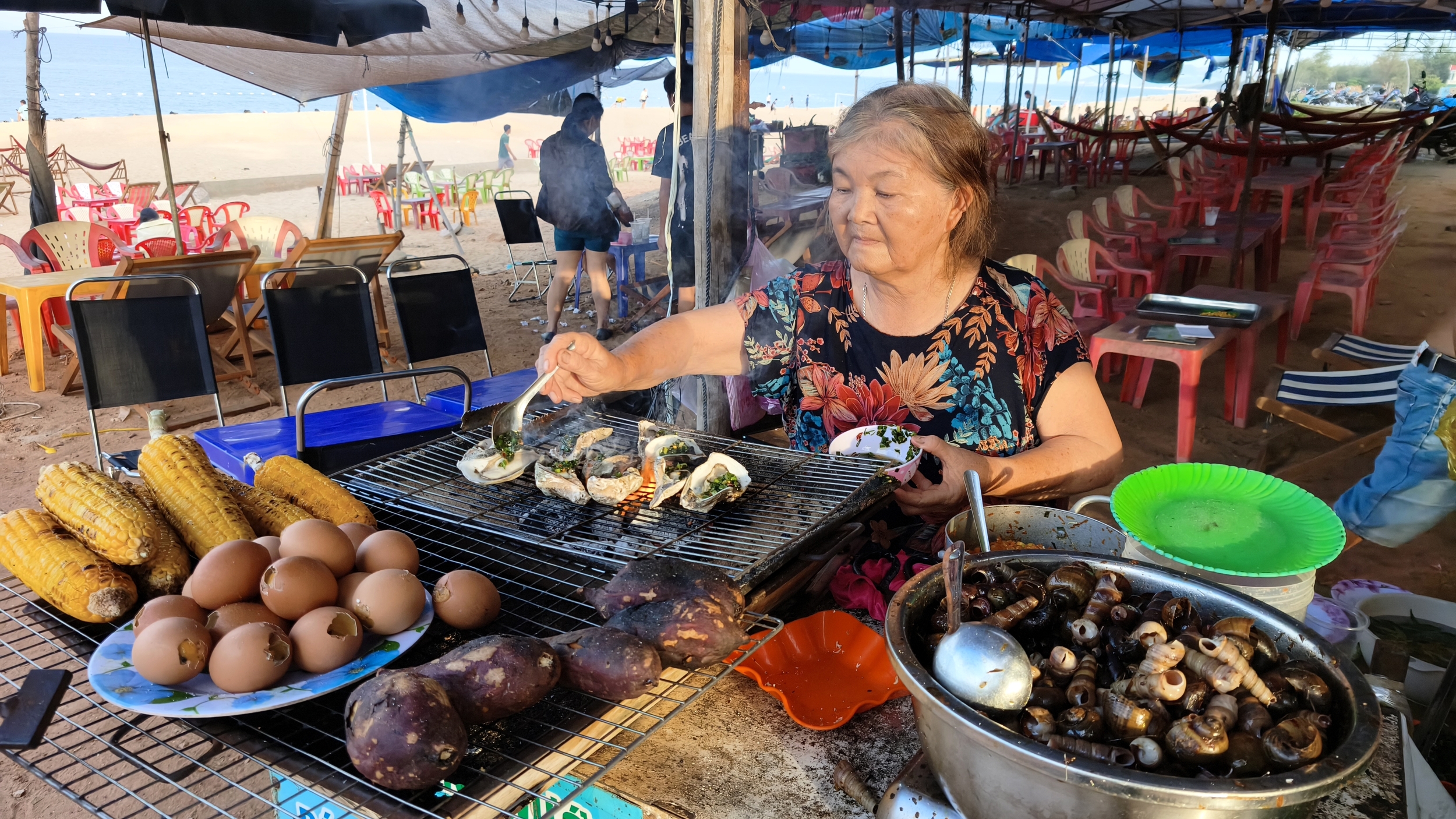
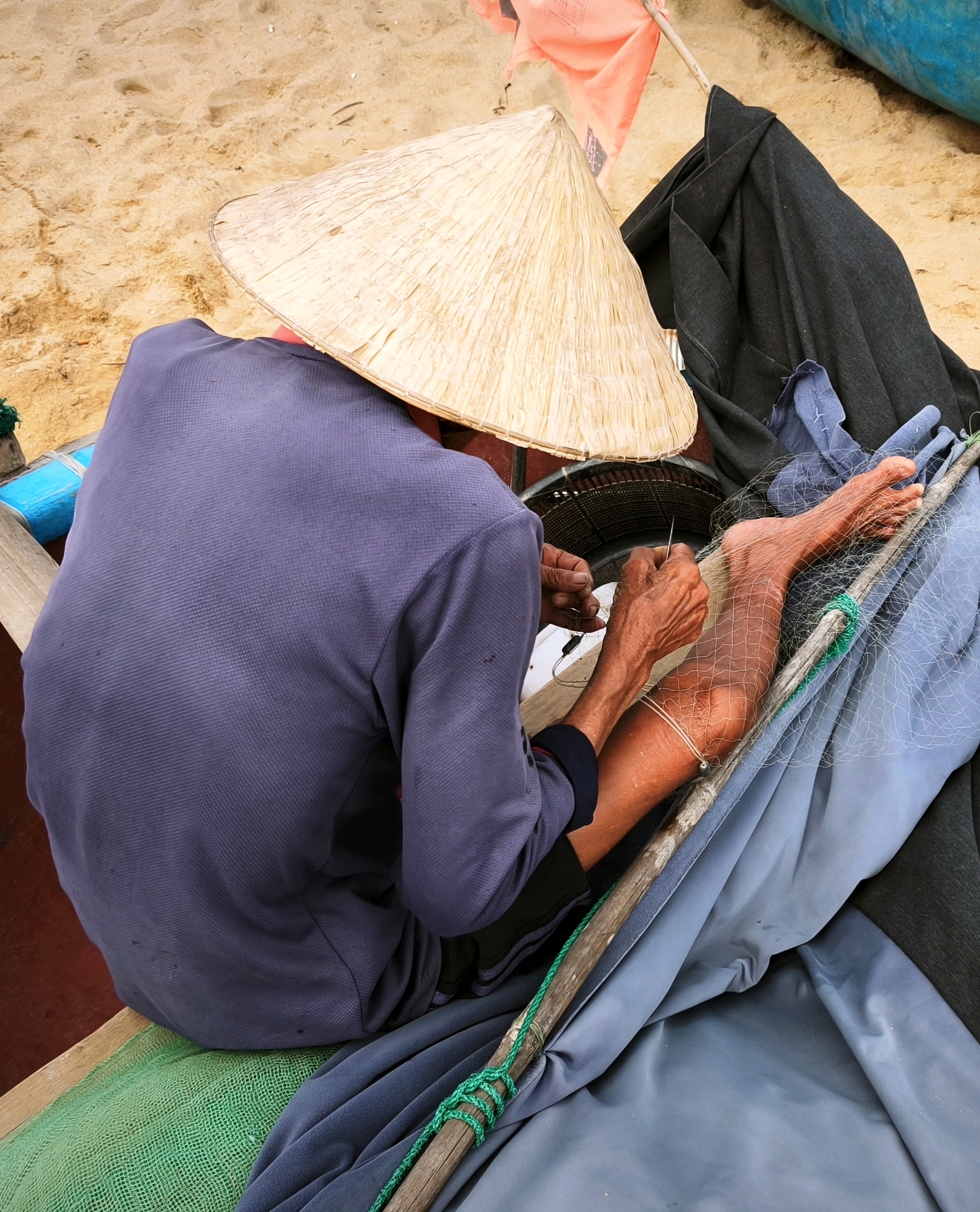
Not for polished experiences or carefully curated authenticity, but for the rare pleasure of finding a place that hasn’t yet learned how to perform.
This is where the hunt begins.
Head south and the landscape suddenly changes the rules.
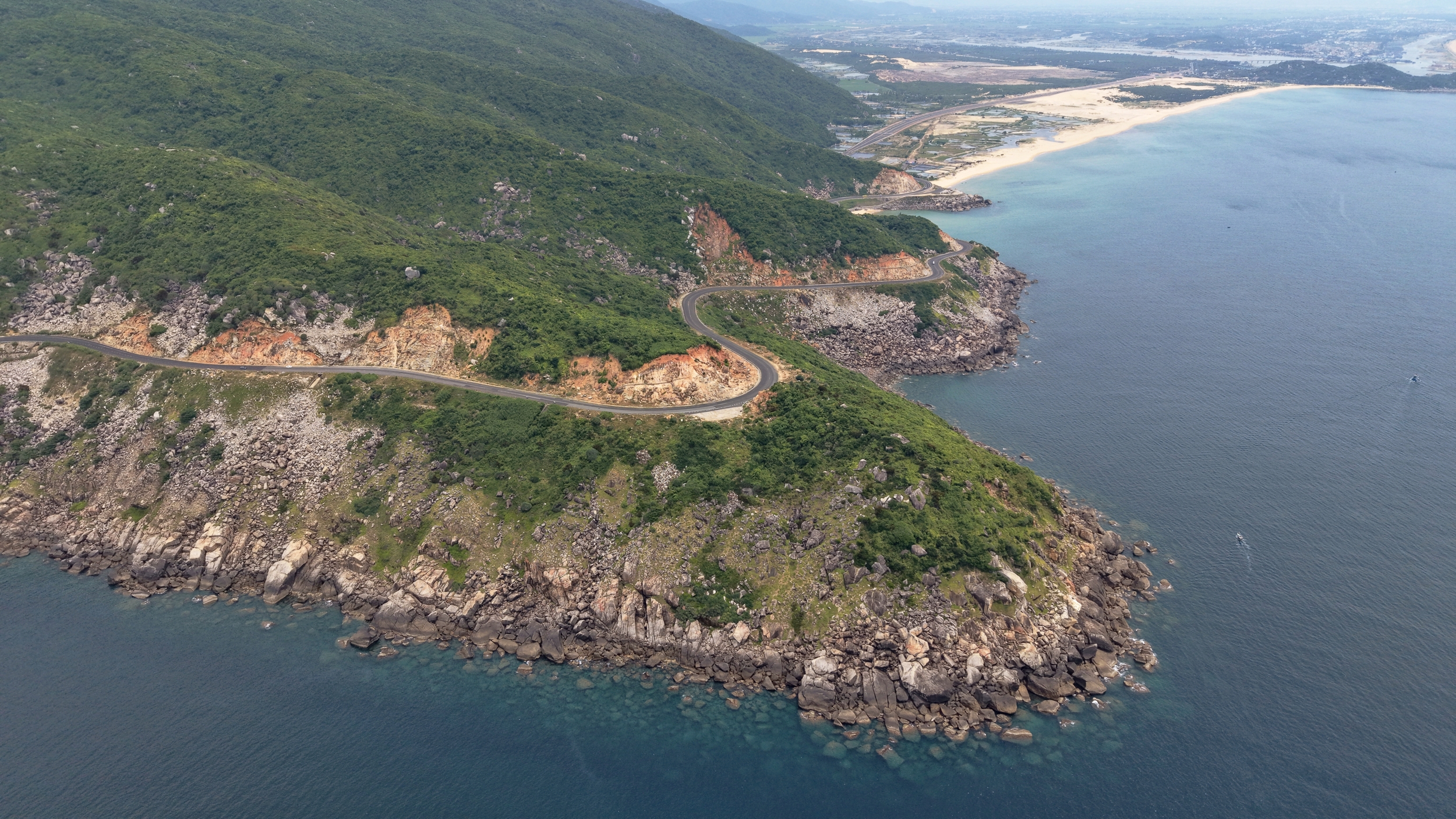
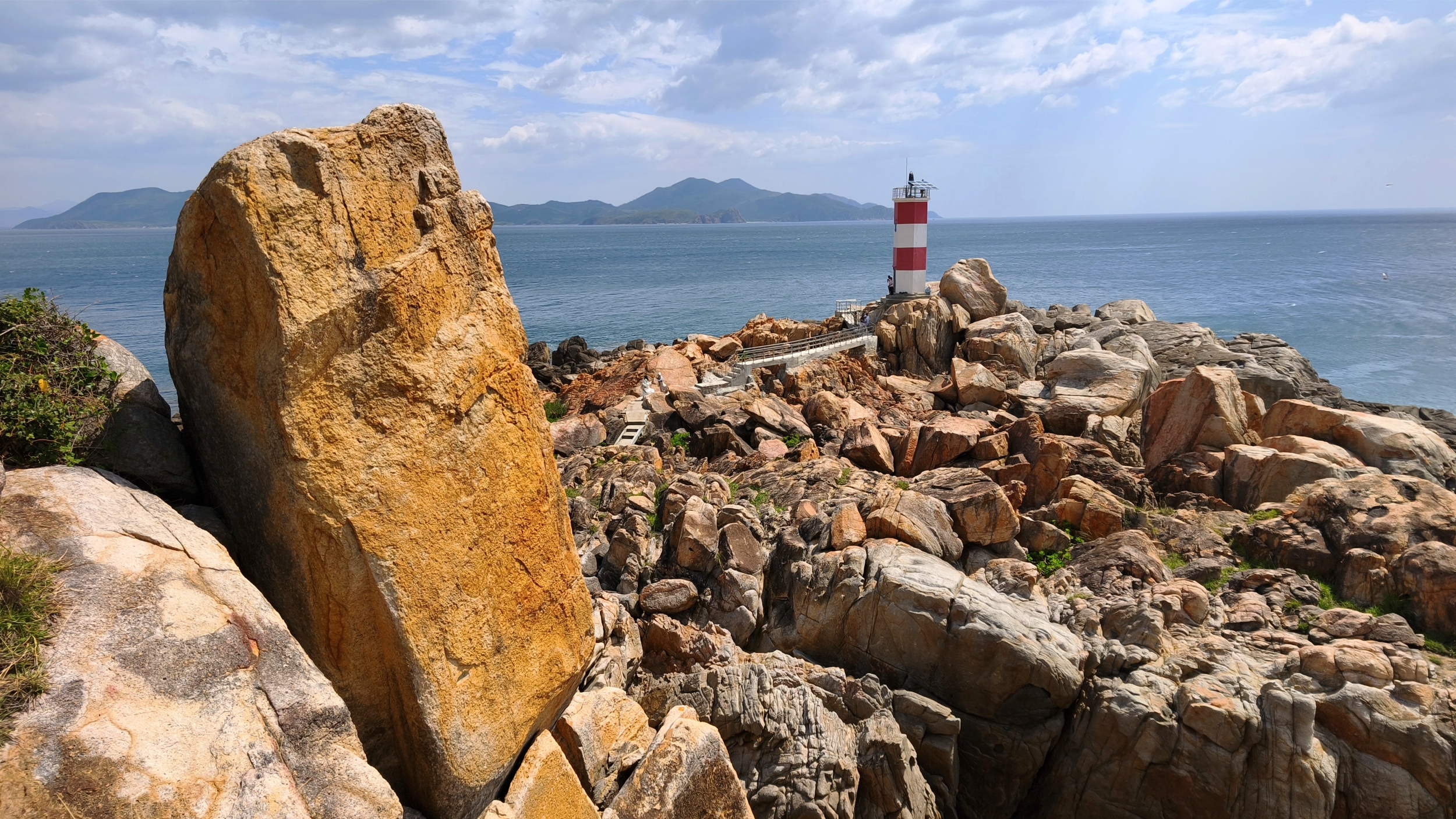
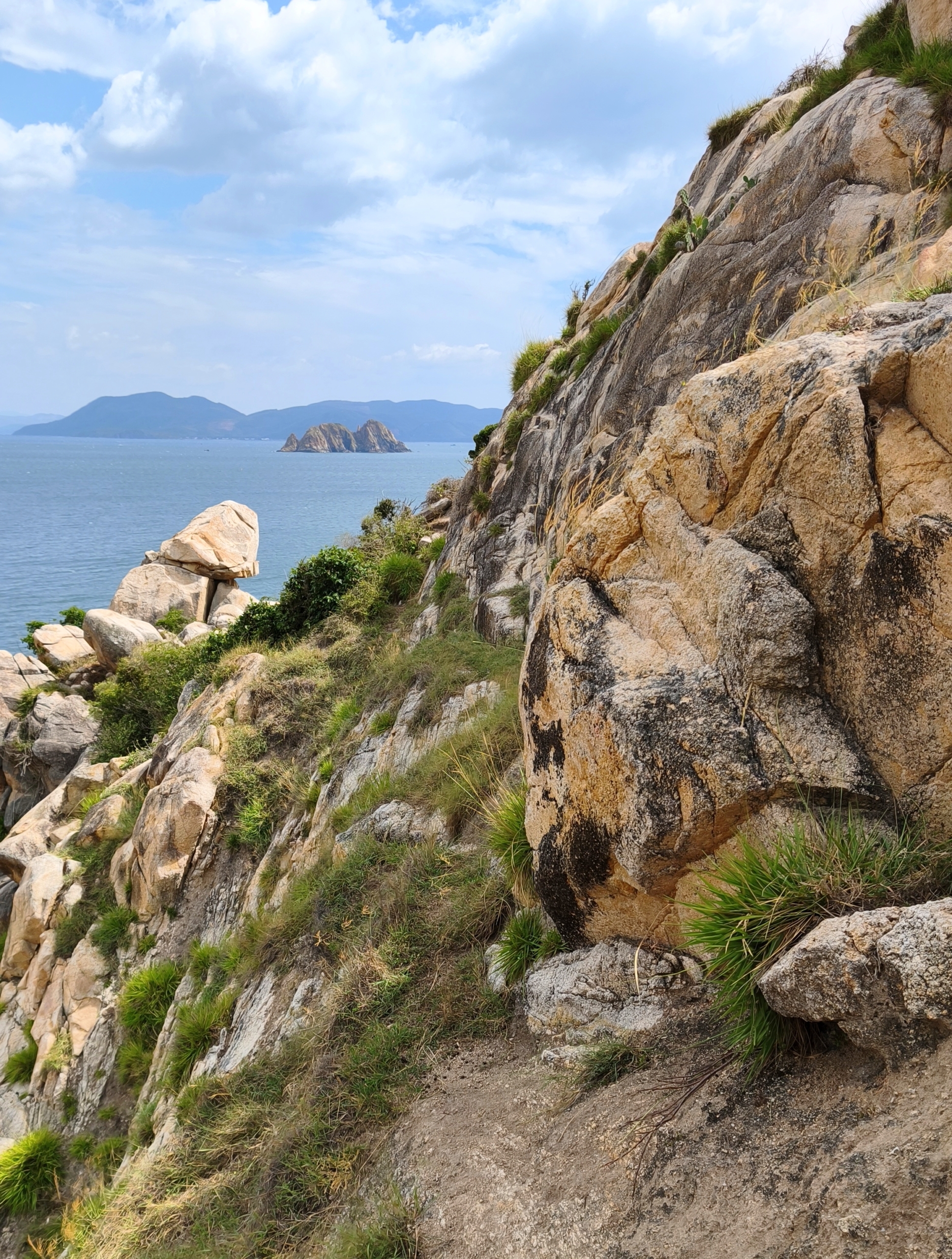
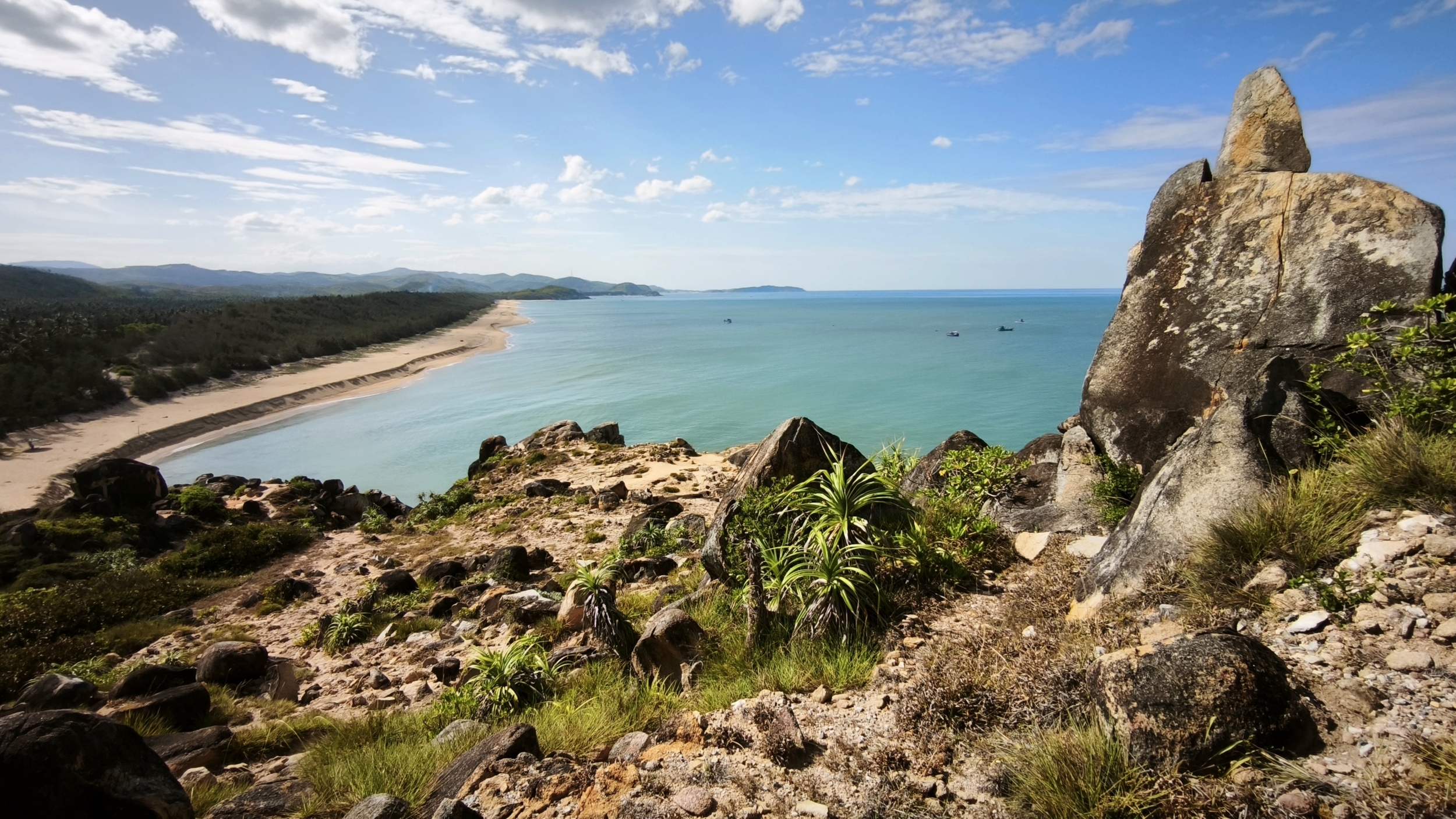
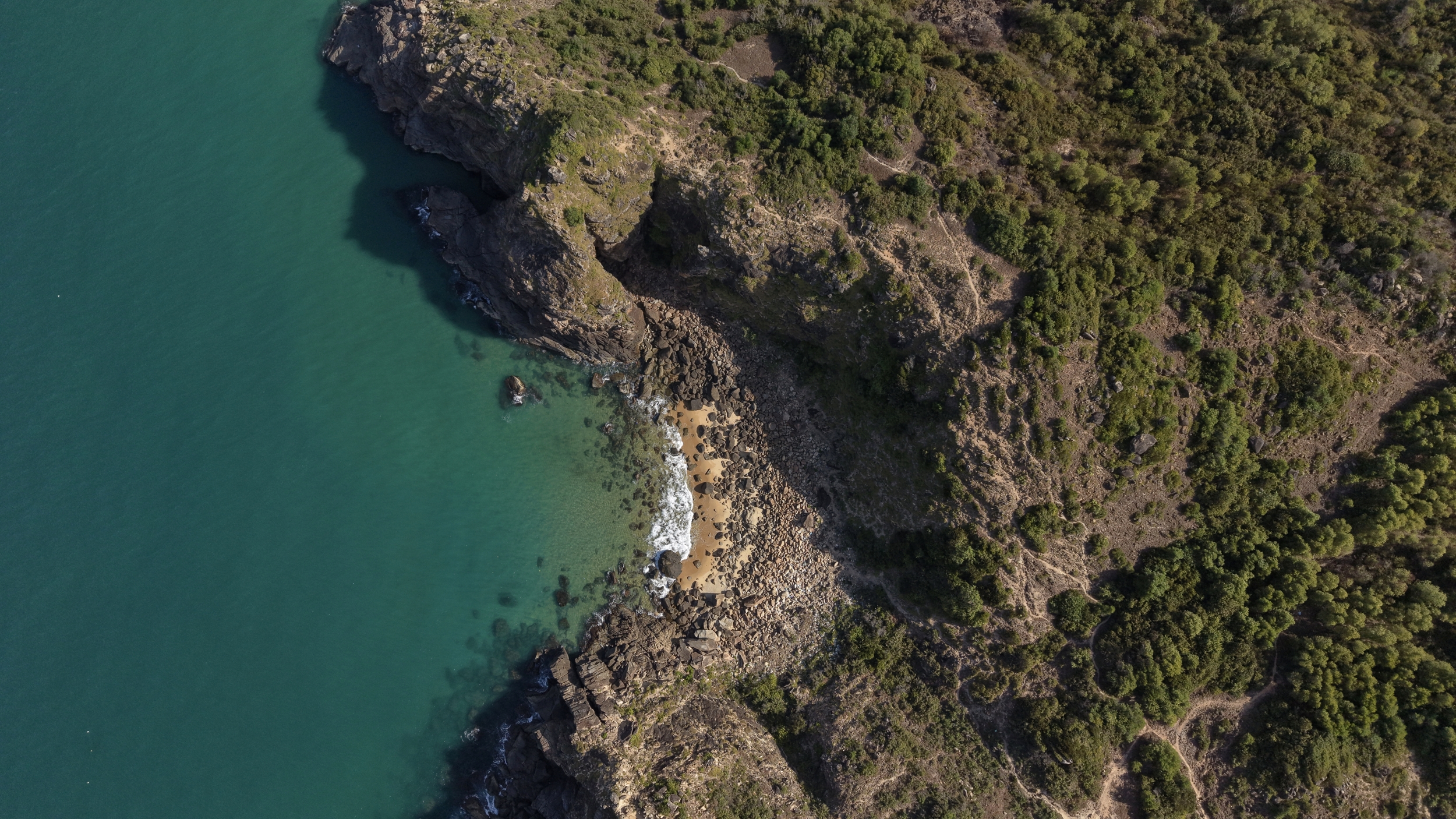
The mountains throw their granite shoulders into the sea, dealing the coastline like an arrogant poker player: a deserted beach here, Dai Lanh Cape with its nineteenth-century lighthouse there, then cliffs, rocky spurs and shattered basalt tumbling into the water as though no one had ever bothered drawing a straight line.
The coast refuses to relax.
Neither should you.
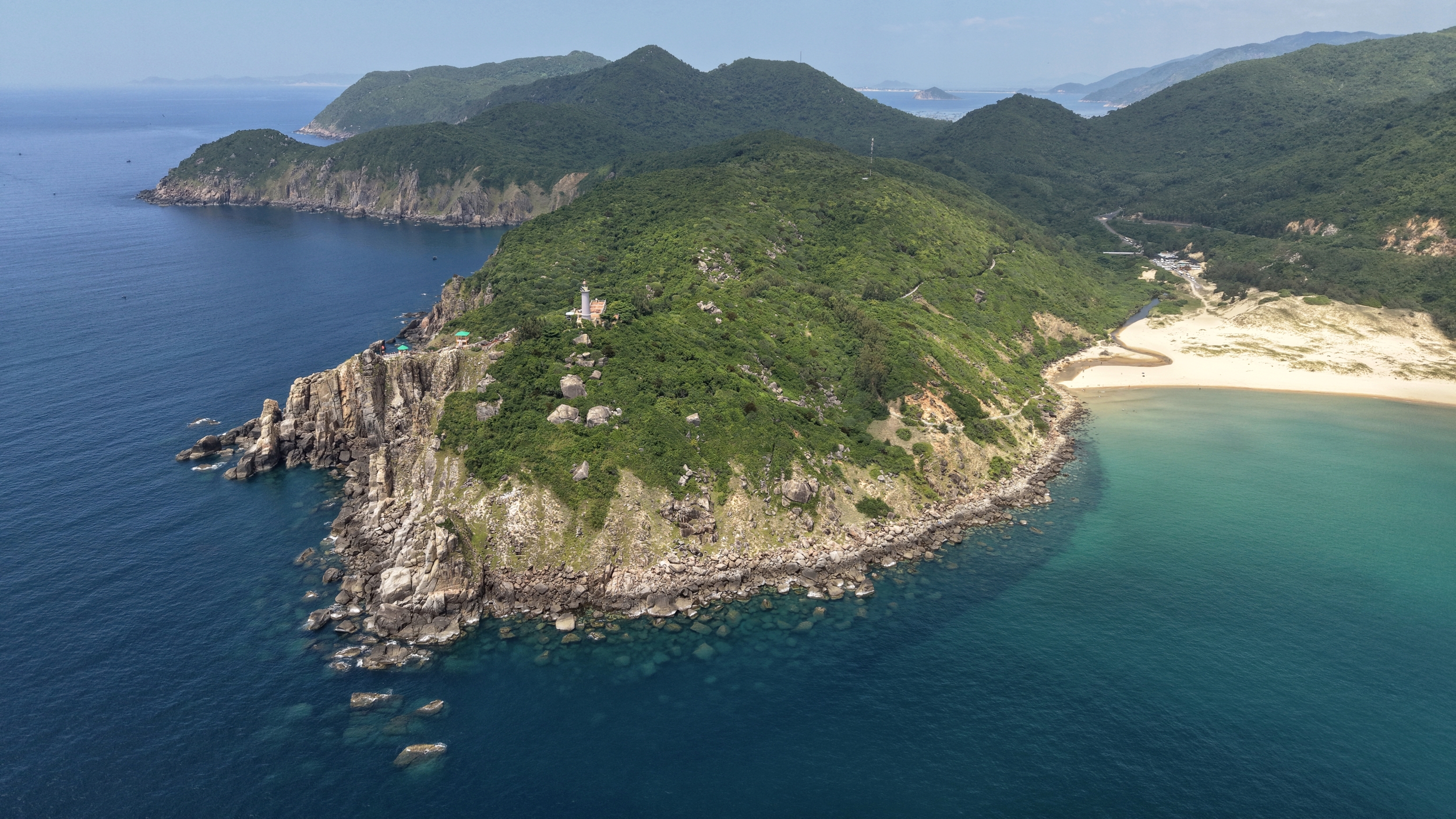
Tuy Hoa is just as good a base for exploring north.
Not to disappear behind the gates of another beach resort.
To meet a coastline that probably spent most of its childhood in detention.
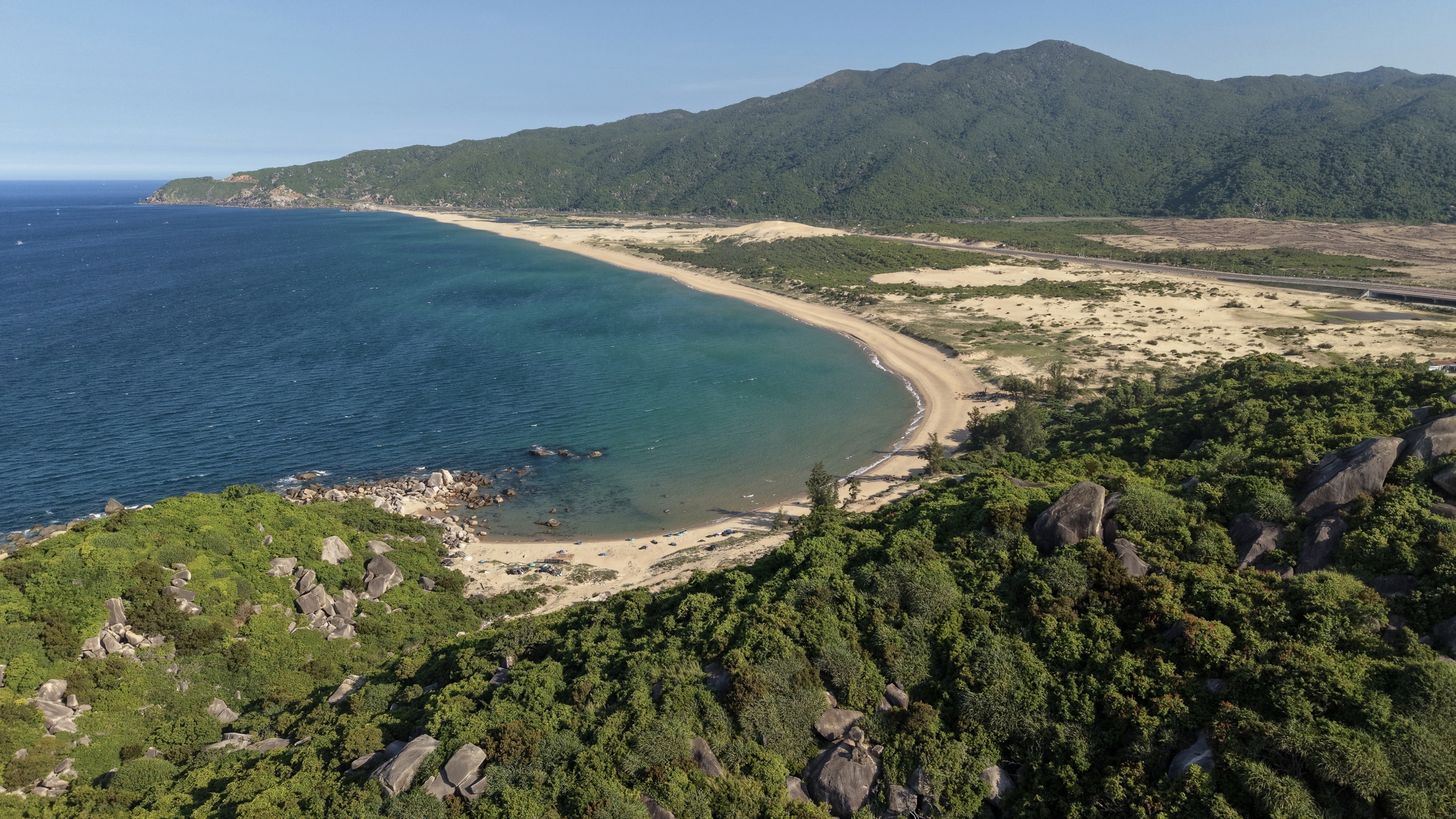
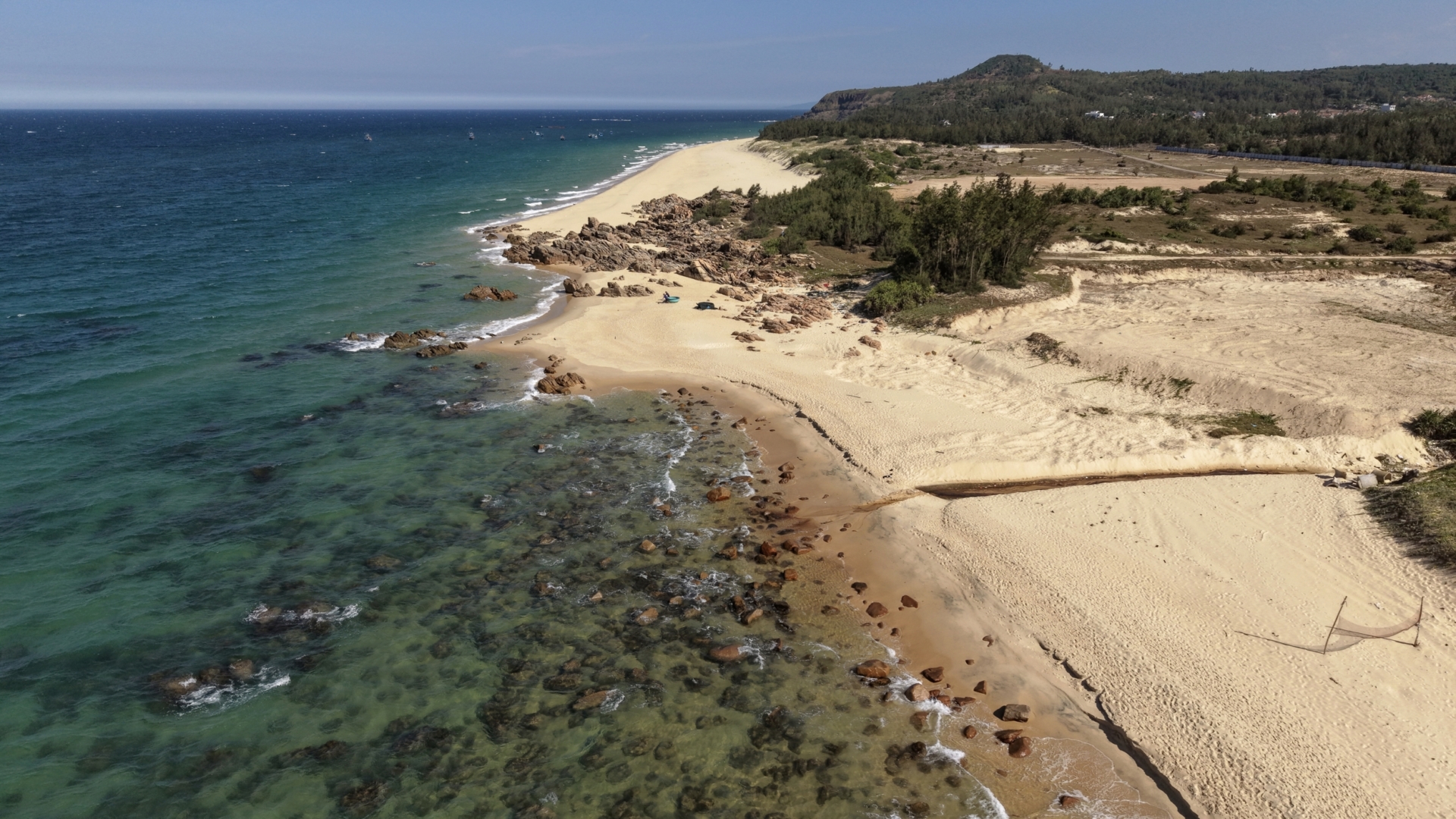
She’s an impossible little delinquent.
She ignores every rule.
Behind her, the rice paddies behave like model pupils. Two harvests a year. Perfect rows. Heads down. Homework done.
She wants nothing to do with any of it.
She bullies geography.
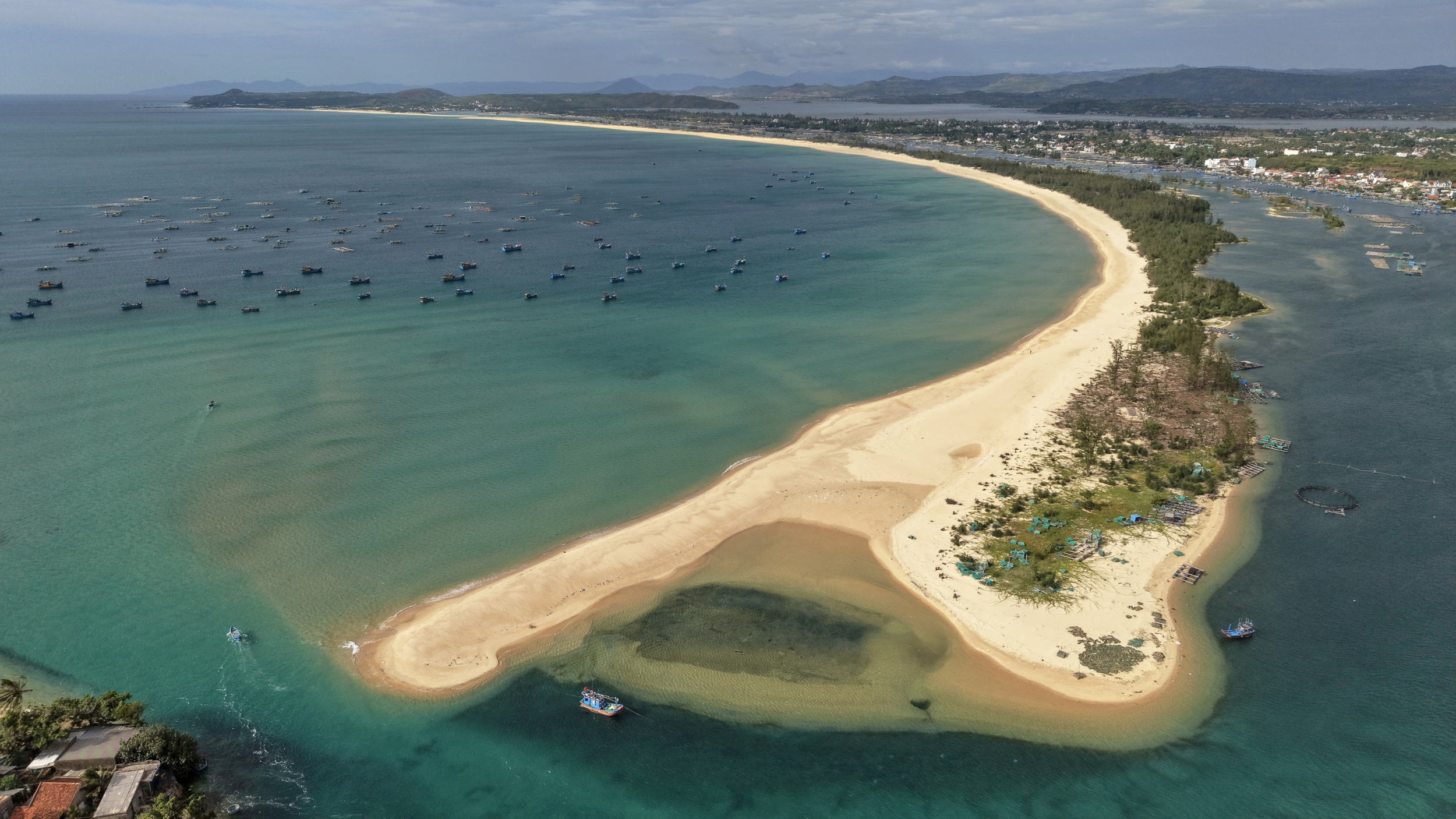
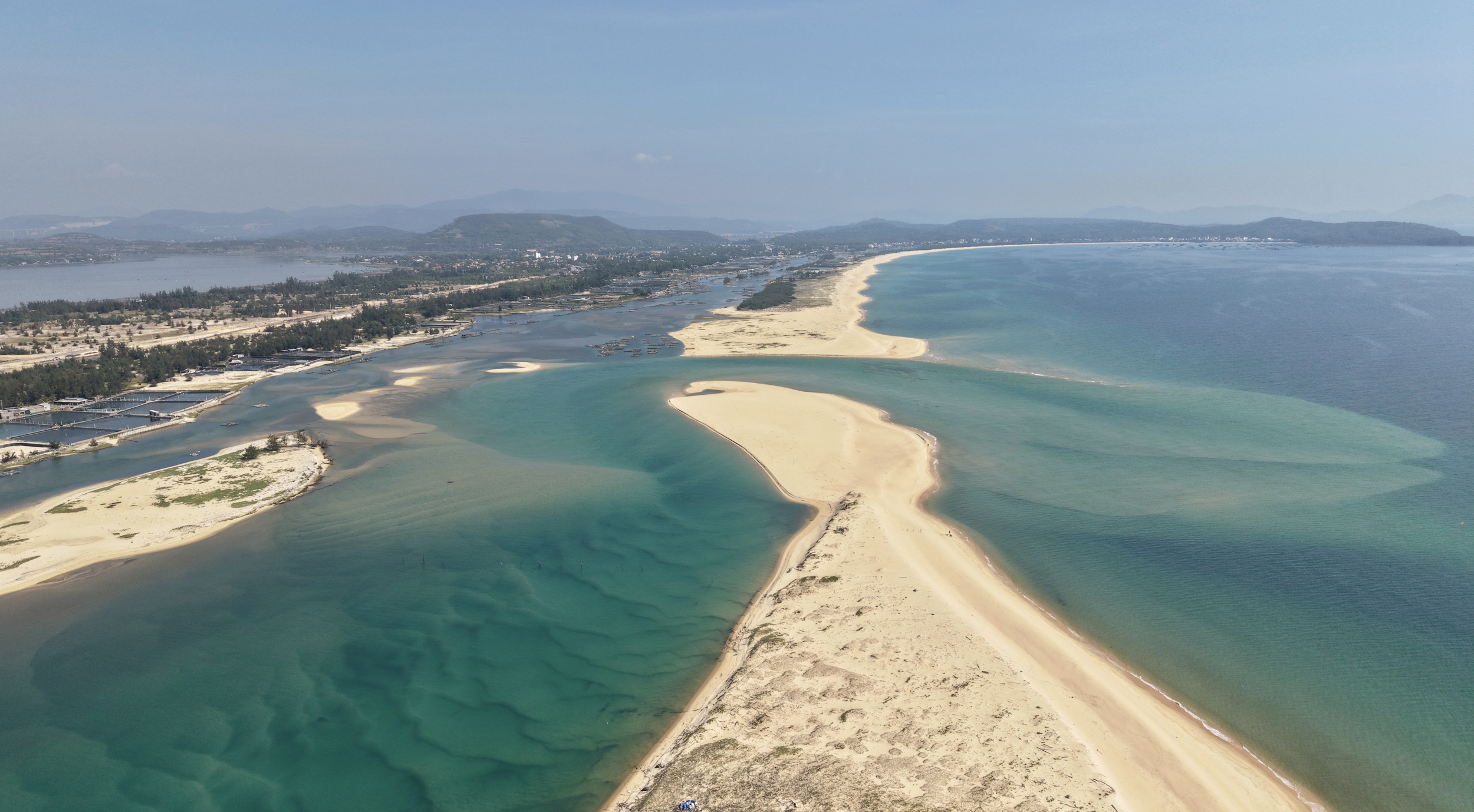
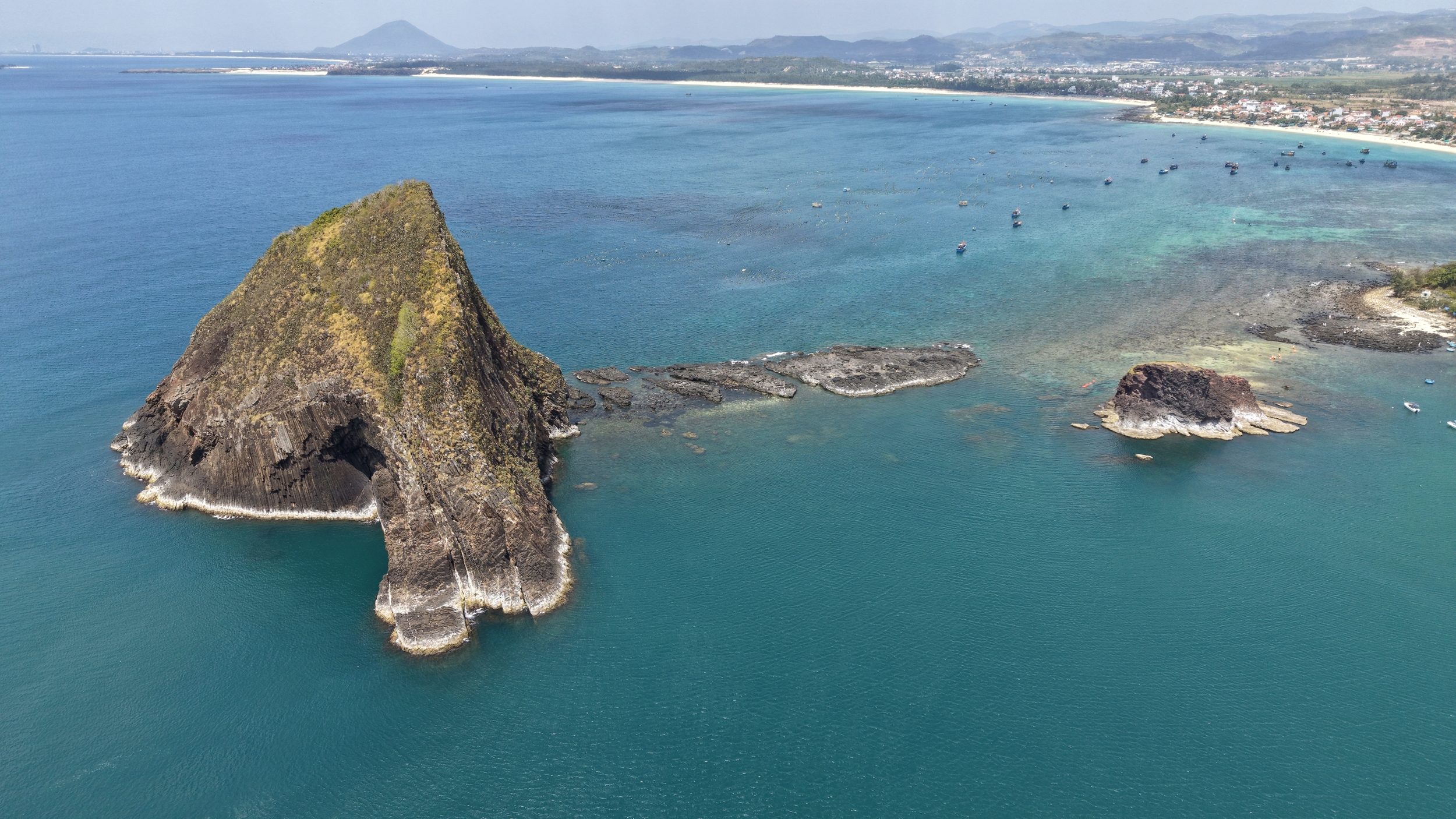
She stretches lagoons the way schoolgirls pull each other’s hair, steals chunks of mainland to invent peninsulas, doodles giant basalt hexagons across the shore and casually tosses rocks into the sea until they become islands.
She wrinkles the shoreline.
Breaks every straight line.
Refuses, with magnificent stubbornness, to become another well-behaved beach.
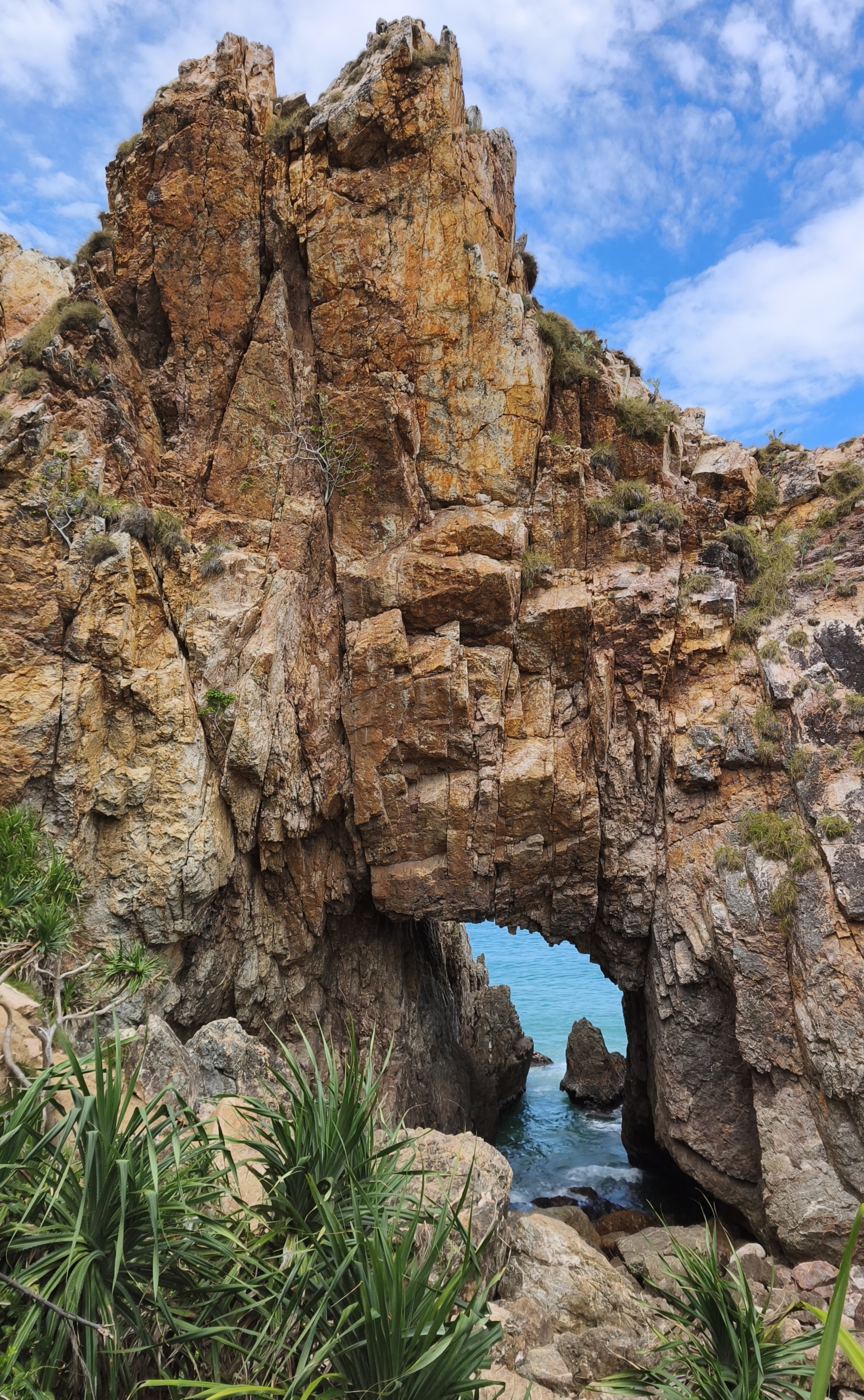
There is no fixing a girl like that.
Boarding school?
I’ve got a better idea.
I’m taking her to the old leprosy village of Quy Hoa to teach her some manners.
A poetic spanking
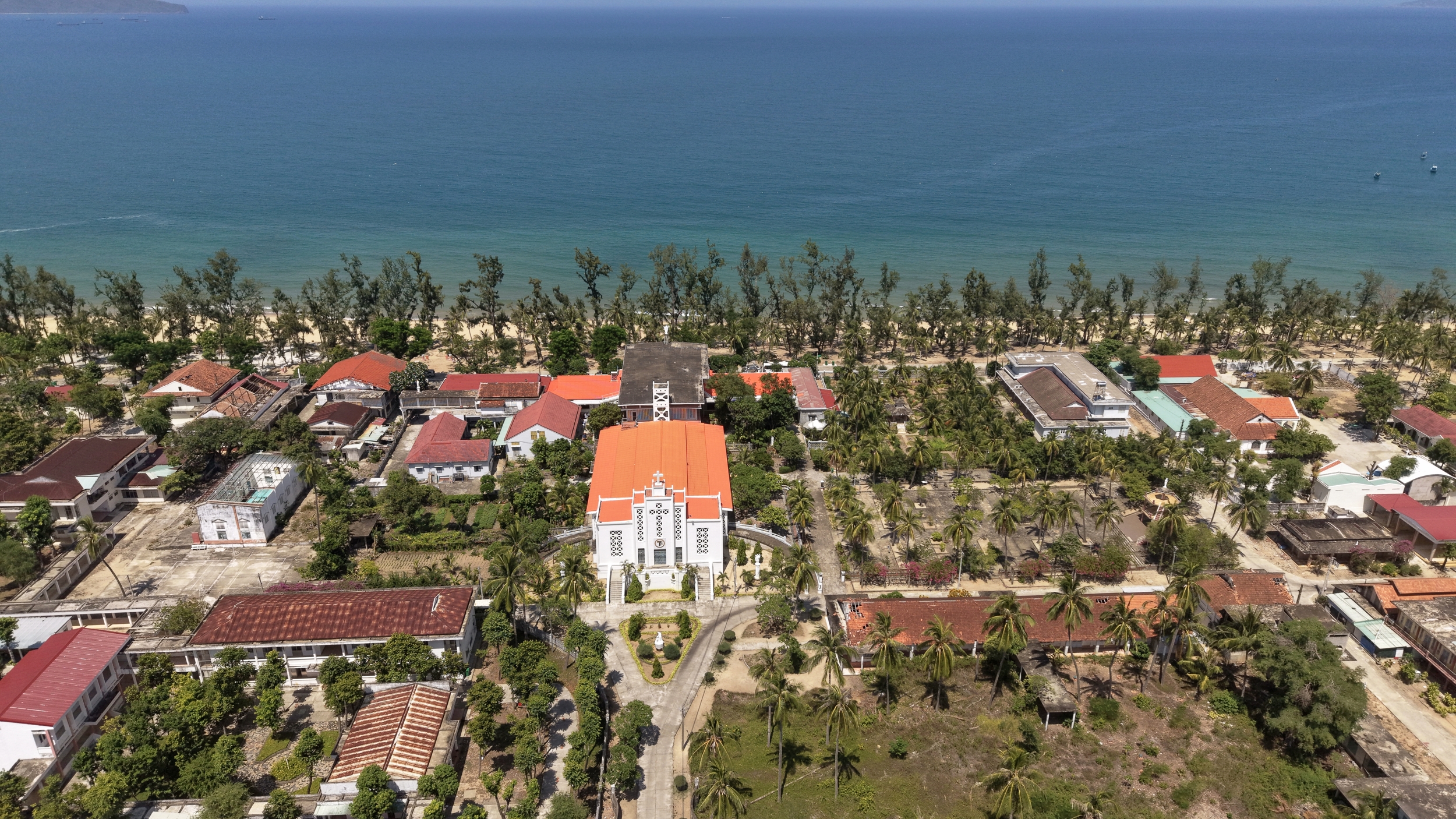
Founded by French missionaries in the 1920s, Quy Hoa has become the sort of place modern tourism no longer knows how to invent.
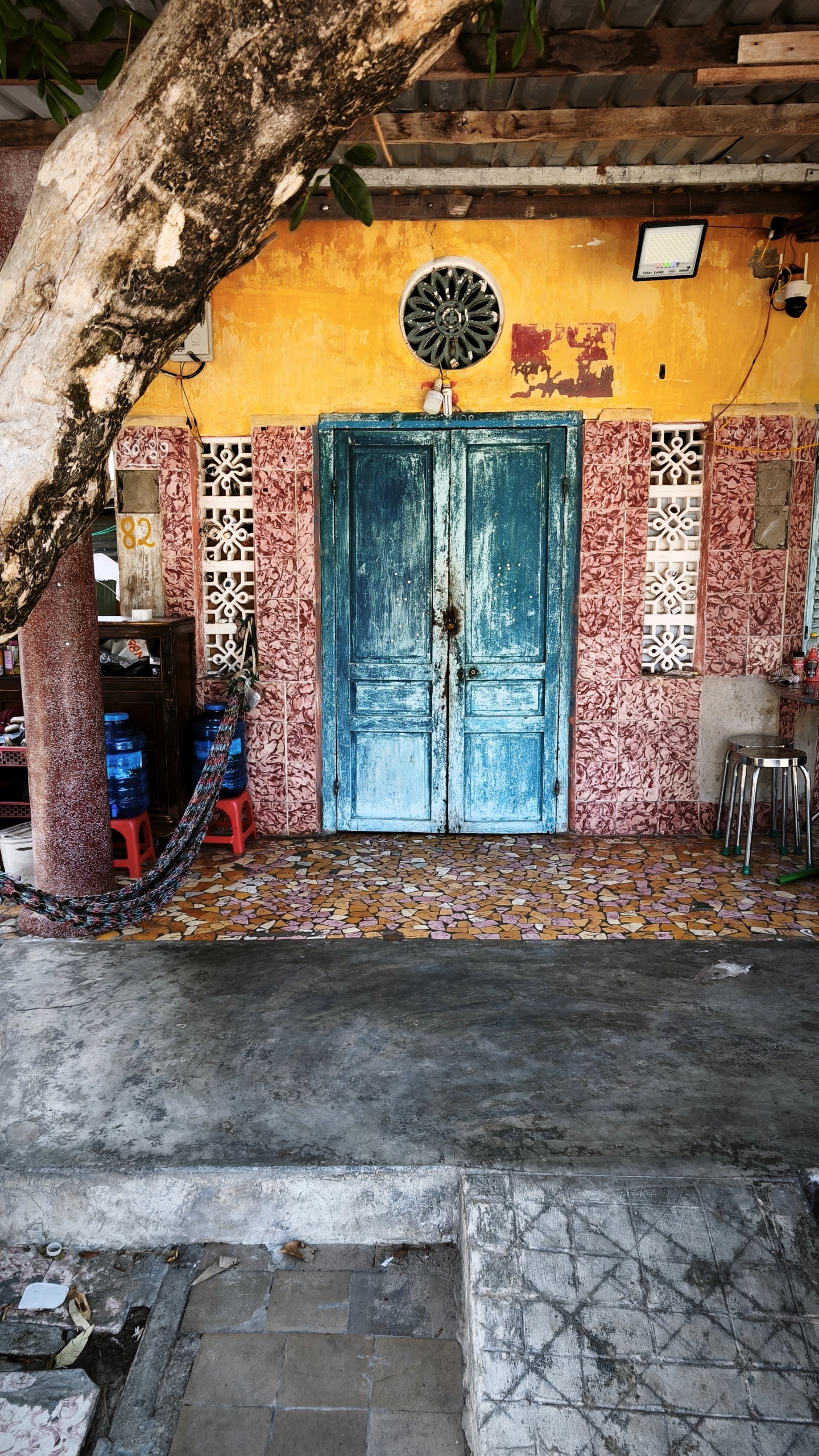
A quiet enclave of modest colonial cottages, flowering bougainvillea and statues honouring scientists whose discoveries travelled much farther than they ever did.
The beach keeps no schedule but the tides.
Here, she finally lowers her voice.
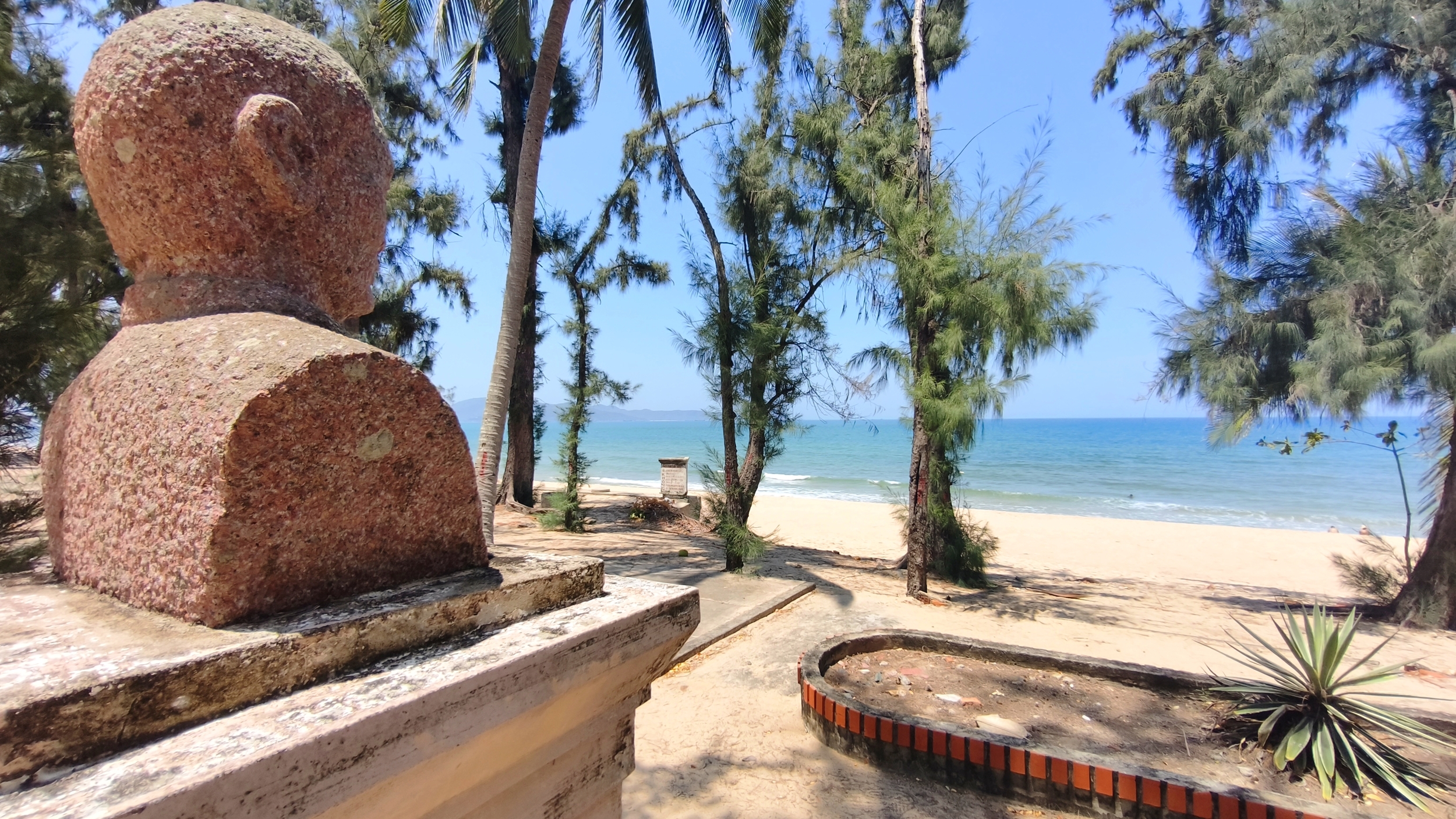
Time loosens its grip.
A rake combs the sand.
Pruning shears keep the rhythm of the day.
The waves don’t crash.
They brush the shore like silk.
Here, they don’t just heal bodies.
They slow landscapes down.
That’s the irony.
A place built to isolate the unwanted has quietly become one of the coast’s last sanctuaries. Not because anyone planned it that way, but because the bulldozers haven’t found a good enough reason to come.
Not yet.
You don’t lock up a girl like that
A little farther north of Quy Nhon, I thought my wild companion had finally run out of tricks. At Eo Gio, she gives the audience one last performance before the coastline seems to settle down.
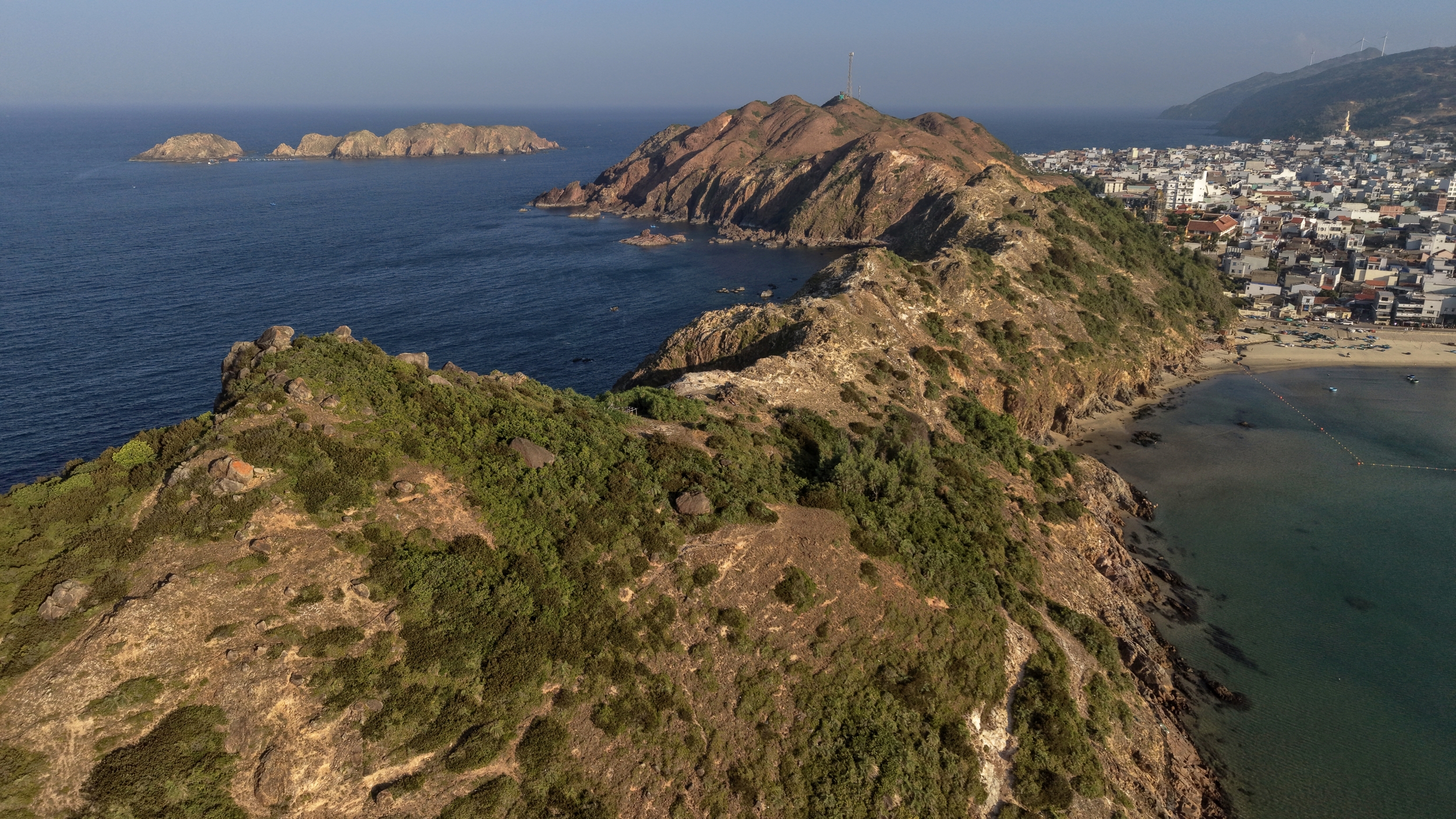
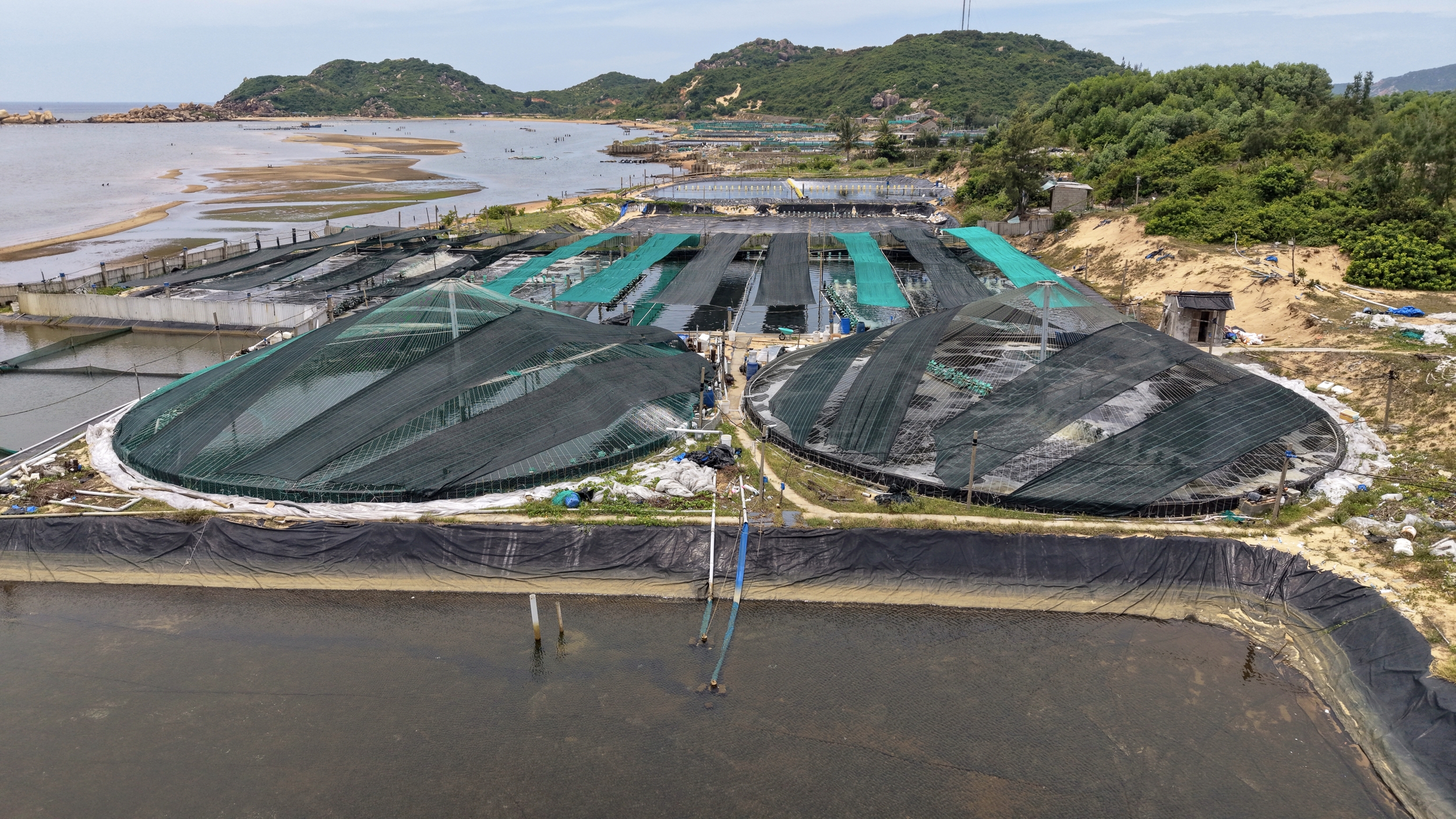
A long corridor of dunes sends her off to the factory. The lagoons are told to produce shrimp. The hills are expected to grow timber on schedule. Everything suddenly feels organised, productive… obedient.
I can feel disappointment creeping in.
Then, beyond another headland, she tells the foreman exactly where he can shove his clipboard and waits for me around the bend with that familiar insolent grin.
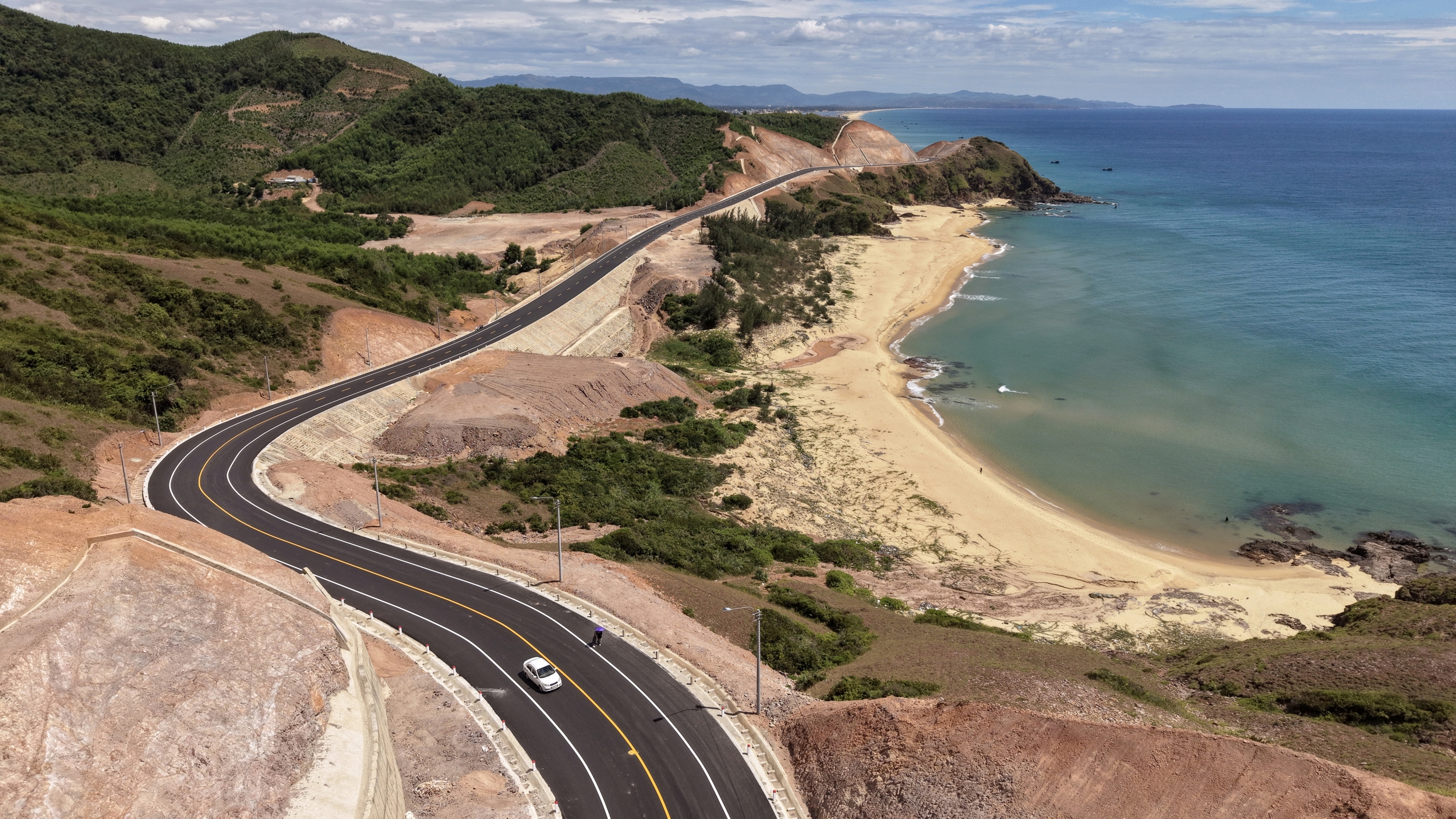
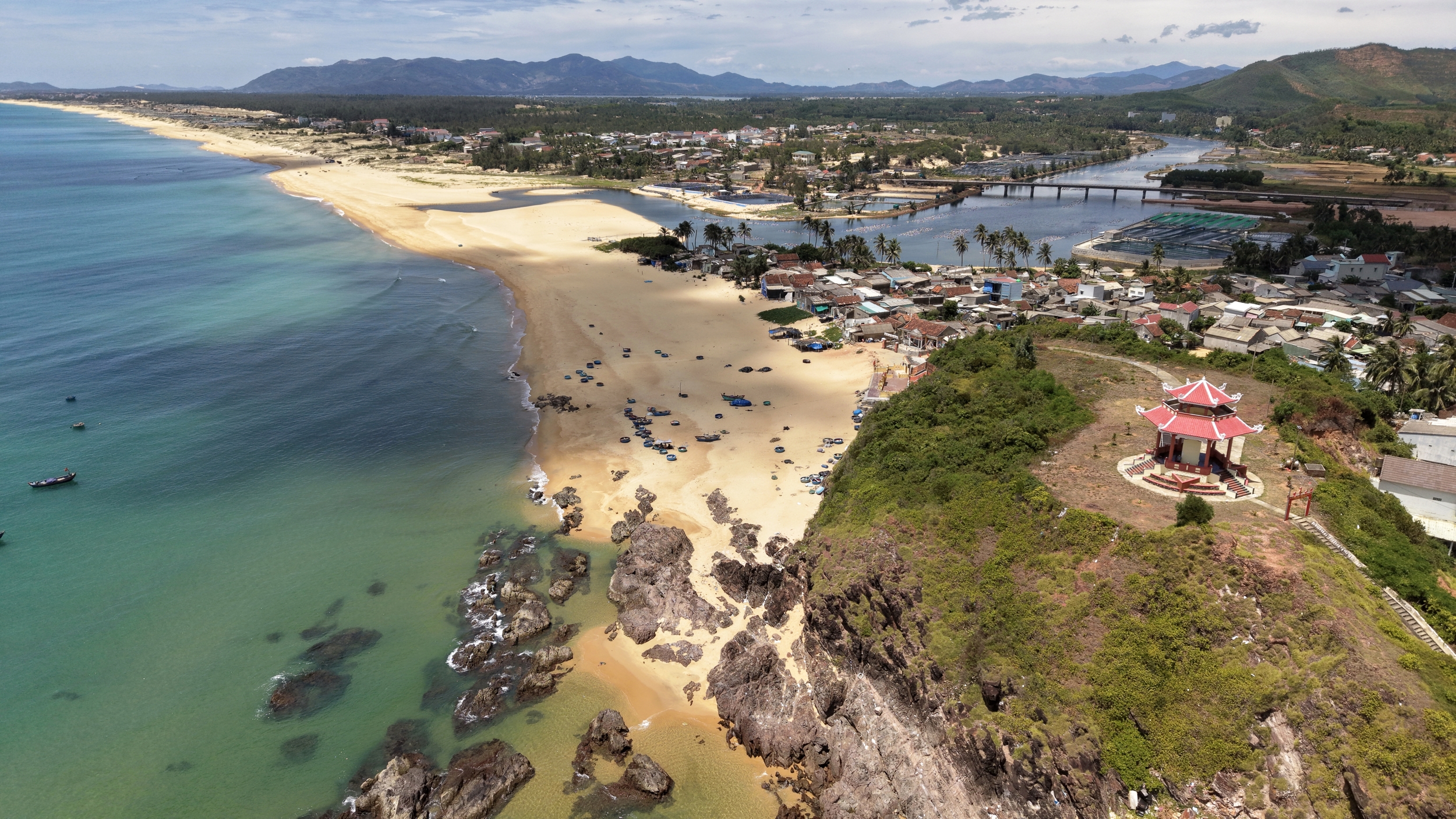
Just like that, disorder returns.
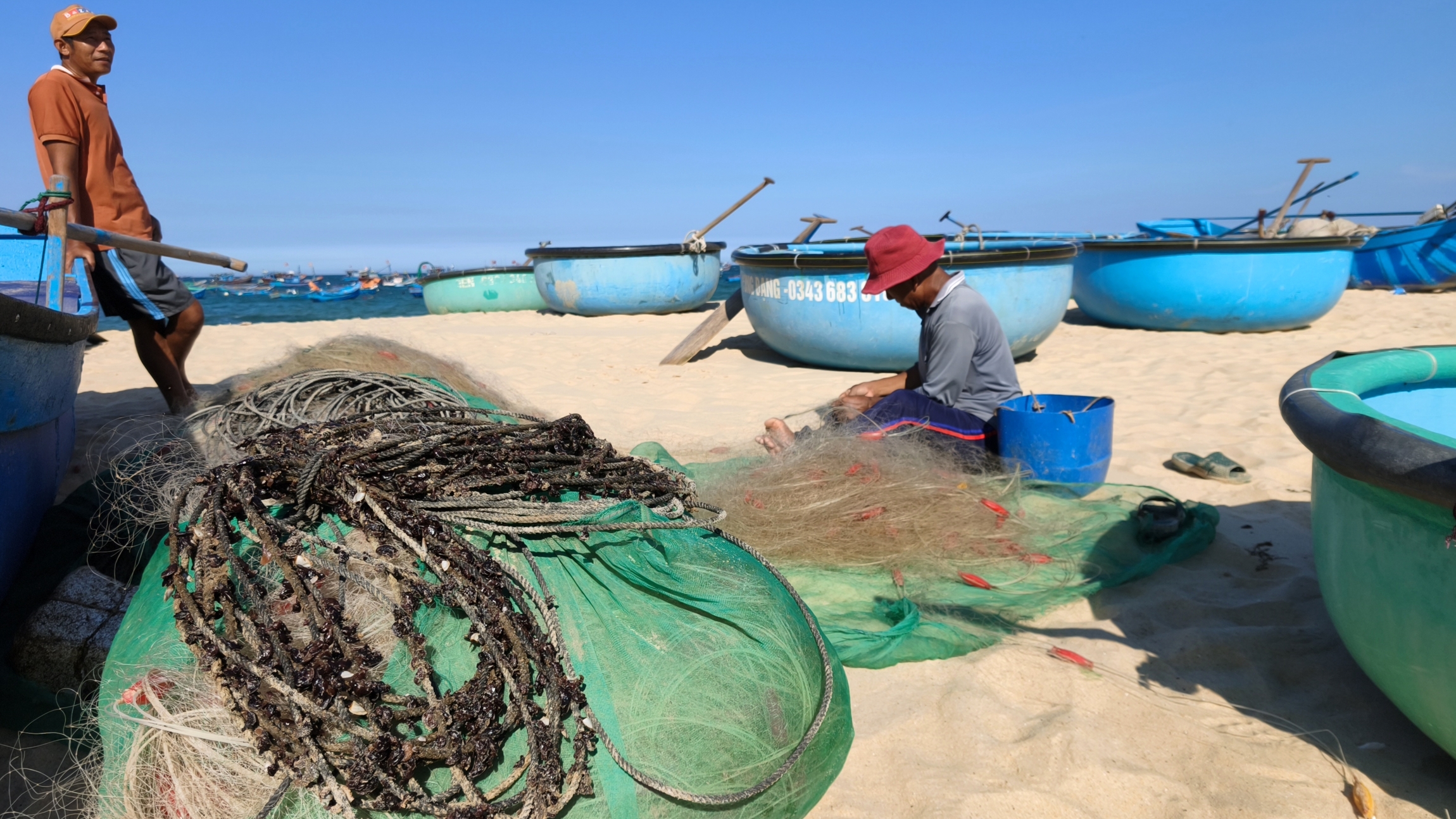
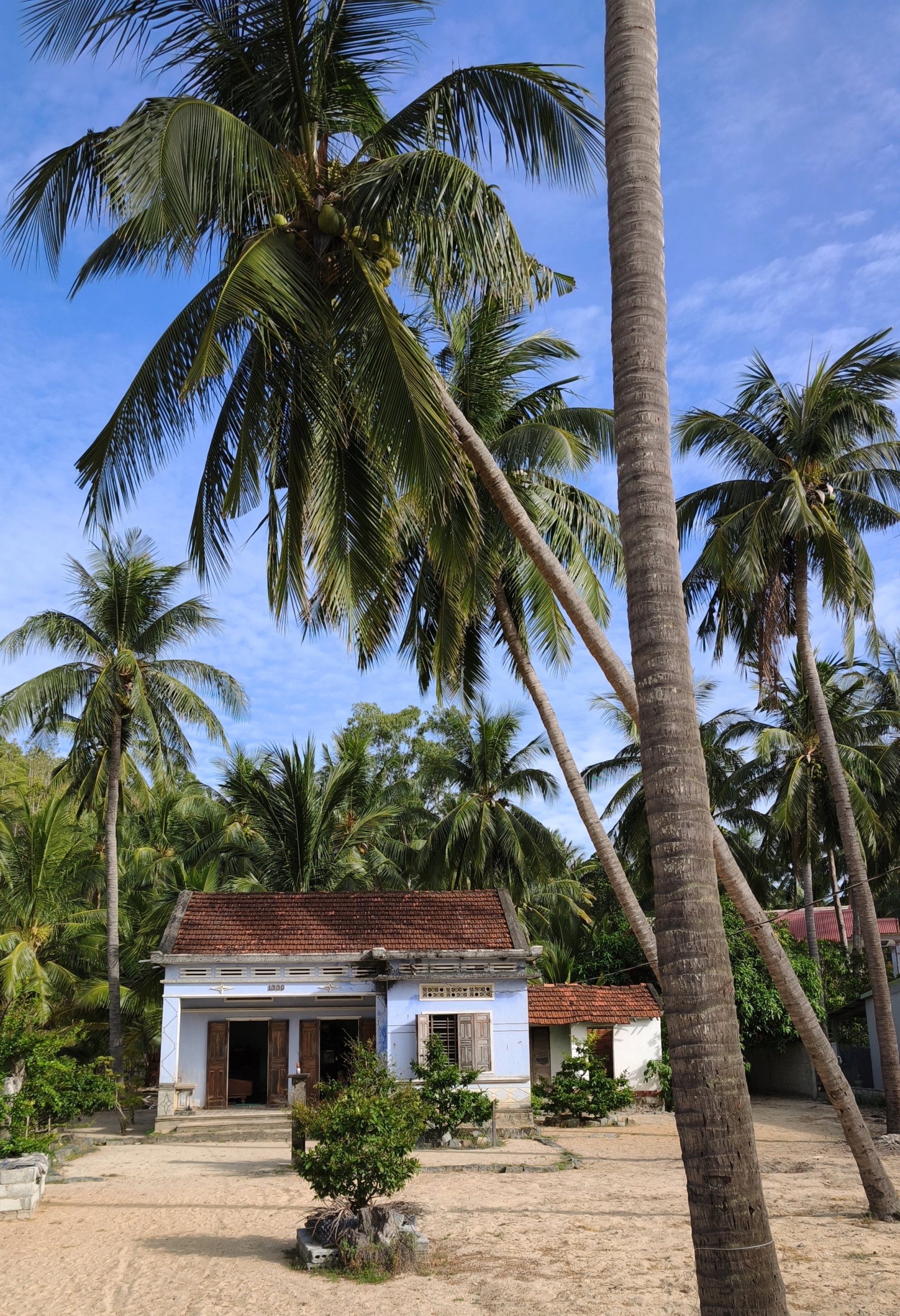
She scatters long ribbons of blond sand across the coast, punches rocky knuckles through the shoreline, hides sleepy fishing villages beneath coconut palms and fills the harbours with the smell of diesel instead of spreadsheets and shrimp-production targets.
Relief.
The little brat wasn’t finished after all.
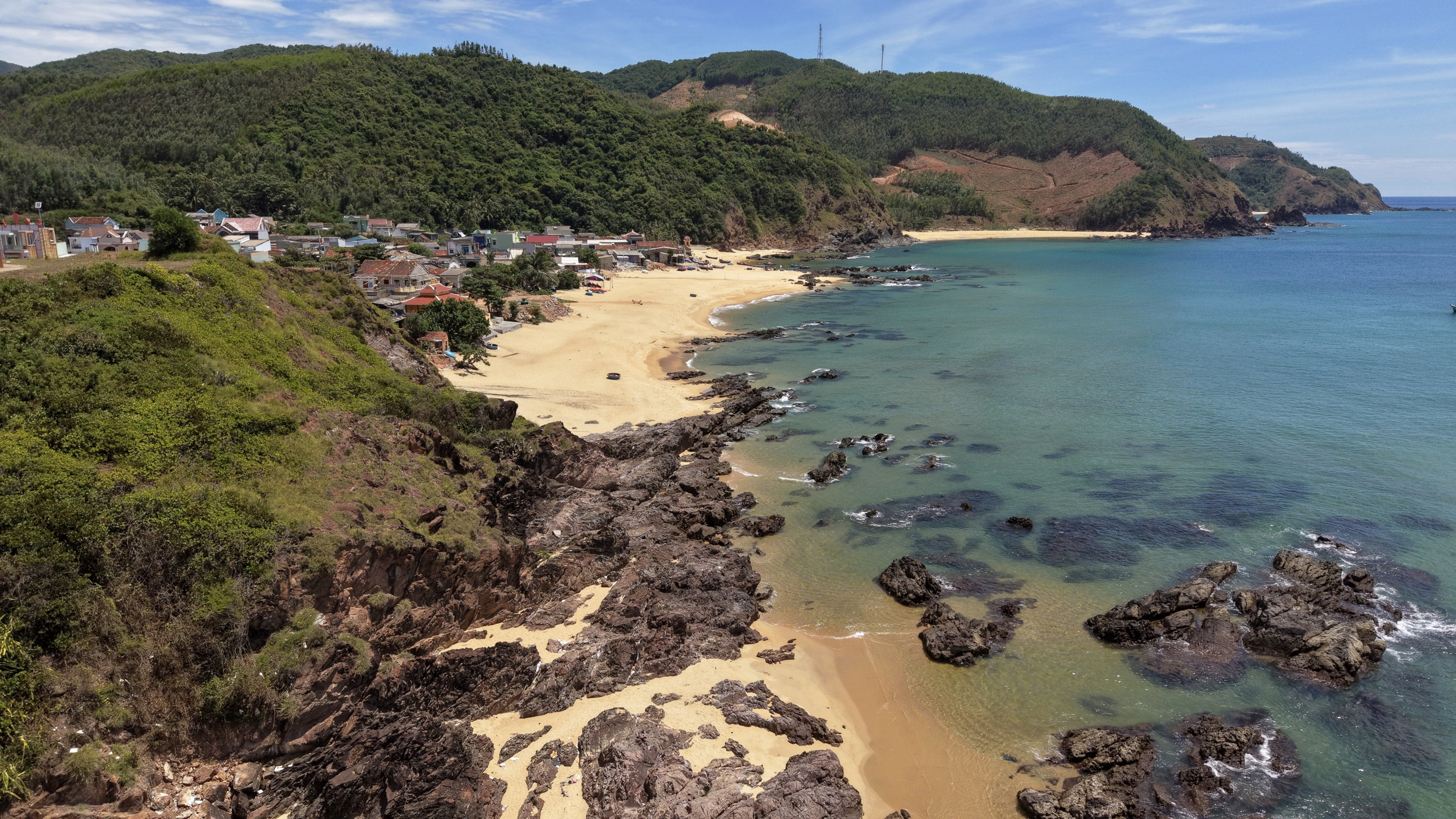
She starts bullying geography again, tossing another peninsula into the sea, carving out another hidden cove, stretching another impossible lagoon, as if determined to remind everyone that the landscapes worth remembering are always the ones that refuse to behave.
In Vietnam, Nature isn’t allowed to be useless
Driving this stretch of coast, I can’t shake a feeling—and perhaps I’m wrong—that Vietnam’s shoreline is slowly disappearing for travellers who still value places over facilities.
I’m not talking about luxury.
Or five-star resorts.
I’m talking about balance.
That fragile chemistry between the sea, the landscape, fishing villages, working harbours, architecture, food and the simple act of living by the water.
Too often, that balance feels broken.
Not because the scenery isn’t spectacular—it is—but because too many places seem designed as a collection of profitable pieces rather than a coherent whole. A beach. A resort. A seafood restaurant. A marina. A road. Each successful on its own. Together, they rarely become a place you want to linger.
That’s the question I kept asking myself.
How can a country blessed with one of Asia’s most extraordinary coastlines so seldom turn its bays, fishing ports and waterfronts into destinations where people want to spend time, beyond a swim, a seafood lunch or a few nights in a resort?
Perhaps the answer is painfully simple.
When every beach, every lagoon and every bay is first measured by its economic potential, landscapes gradually stop being places to inhabit.
They become assets to optimise.
The sea has to feed people.
Nobody argues with that.
But everything else—the silence, the beauty, the fishing boats rocking at dawn, the old villages, the empty headlands—can start looking like unrealised profit.
And that’s how a coastline slowly forgets how to tell stories.
The potential hasn’t gone anywhere.
The capes are still there.
The coves are still there.
The lagoons are still there.
The only question is how much longer they’ll remain landscapes rather than projects.
The coast still has teeth.
For now.
Looking to be guided through this region?
Reach out to Timo and his team at Vinh Hy Blue Skies, who ground their work in authentic local roots.