
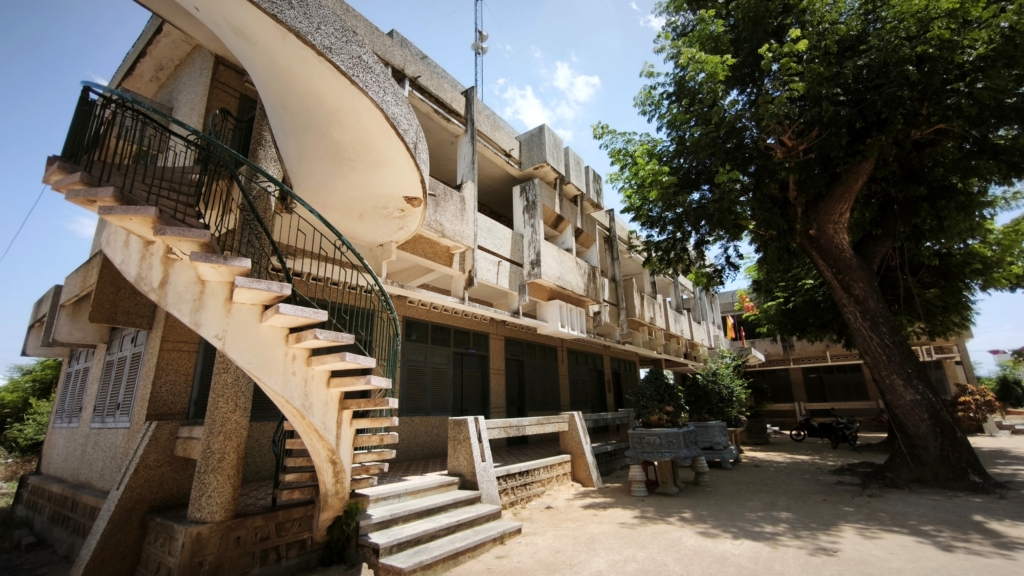
The history of this region is steeped in rebellion.
It was here, in Bình Định Province, that the three Tây Sơn brothers launched their uprising in the eighteenth century, overthrowing rival lords and reunifying Vietnam. This is a land of fighters, martial arts masters, defiant poets and quiet resilience carved in stone.
Today, the city is leading a different kind of rebellion.
A quieter one.
Perhaps the most beautiful of all.
A rebellion of concrete against concrete.
For more than sixty years, tropical modernism has held its ground here, surrounded by an urban landscape that builds far more than it composes.
The last insurgents no longer carry weapons.
They wear façades.
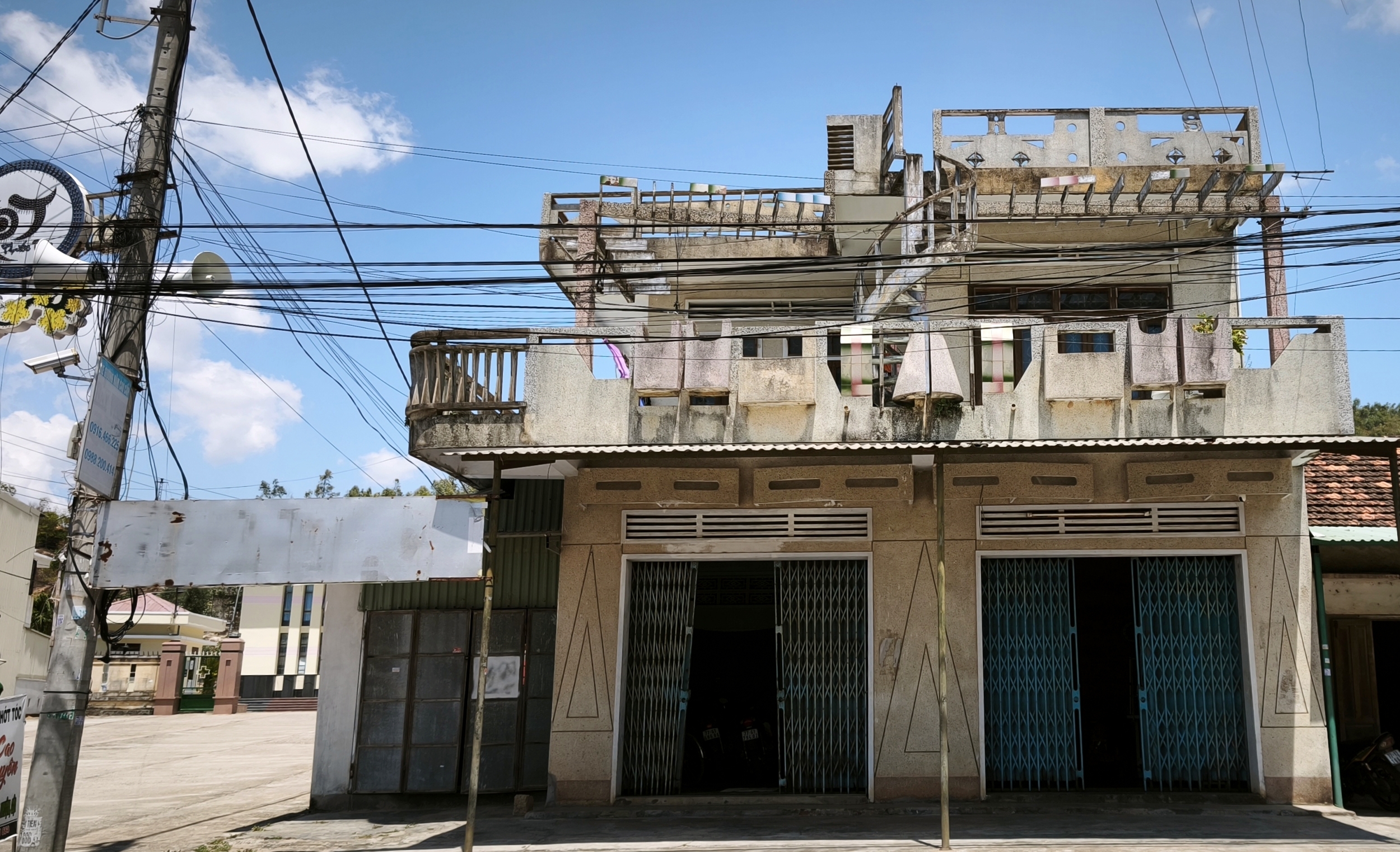
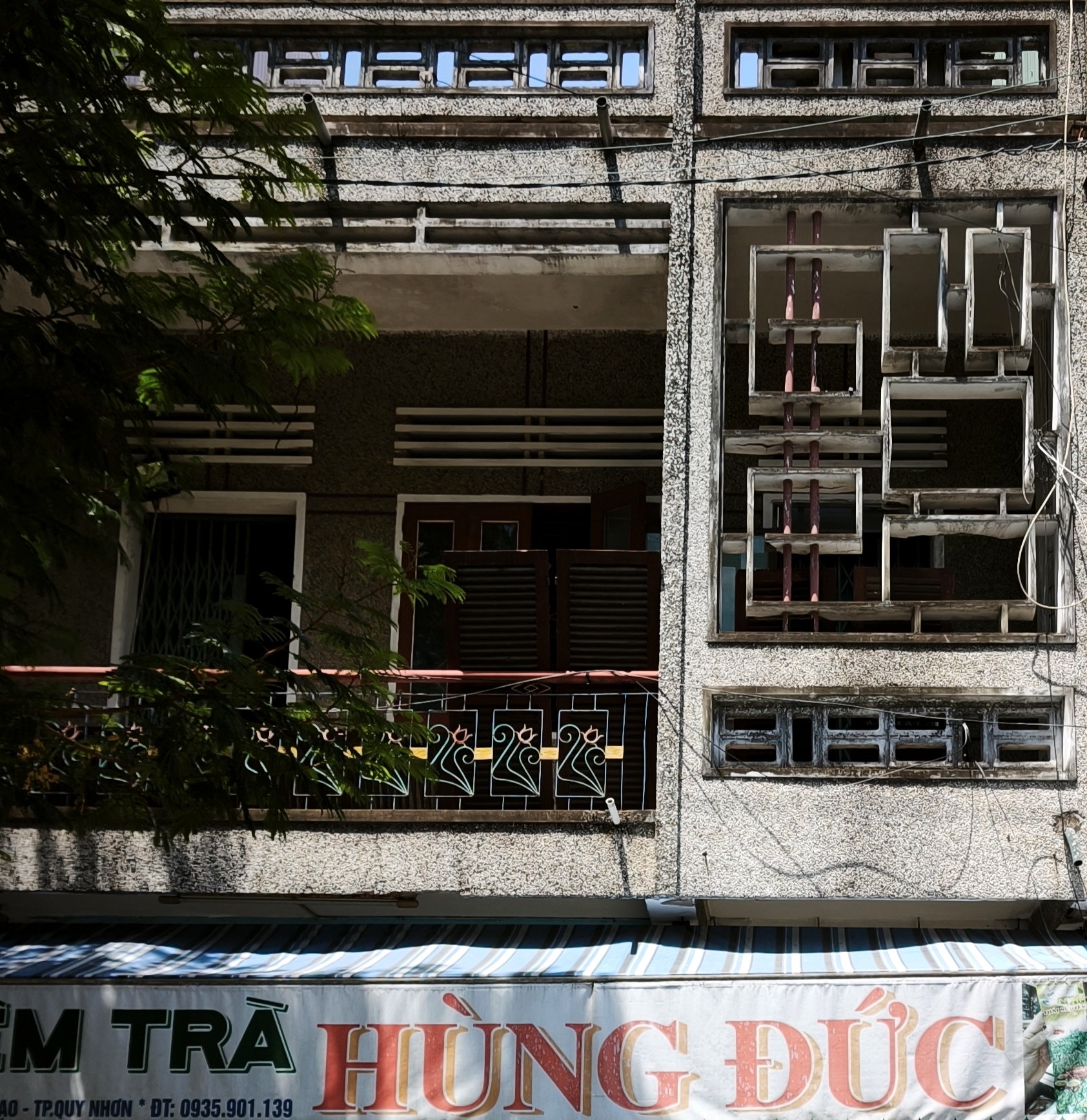
Perforated concrete takes on the resort machine
Contemporary coastal development has become a conveyor belt of anonymity: mirror-glass towers, hastily assembled neo-classical façades, cheap white stucco and oversized resorts conceived in design offices hundreds of miles away in Hanoi or Ho Chi Minh City.
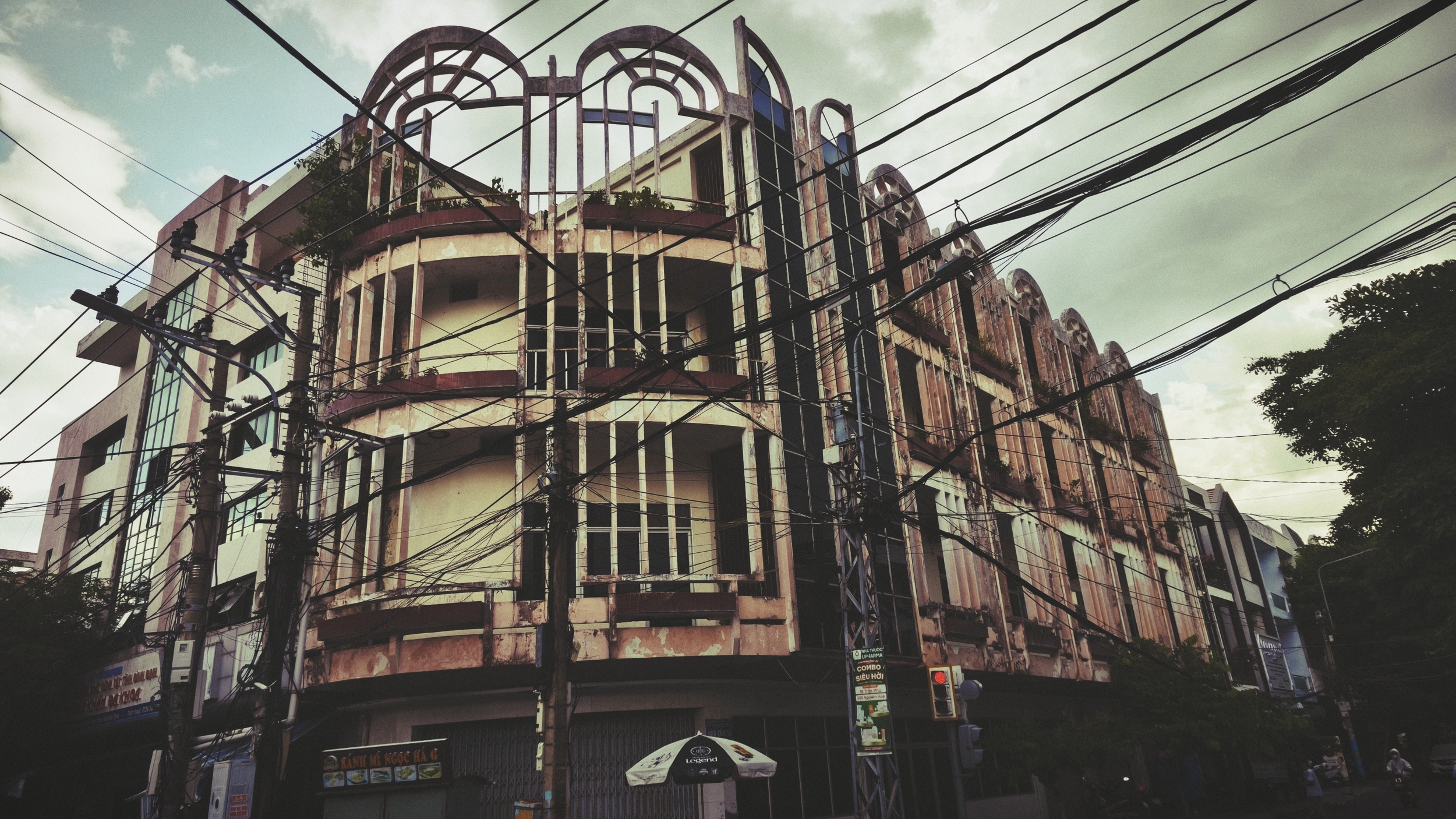
Against this commercial tide, Quy Nhon’s narrow tube houses and modest buildings from the 1960s and 70s form an architectural resistance movement.
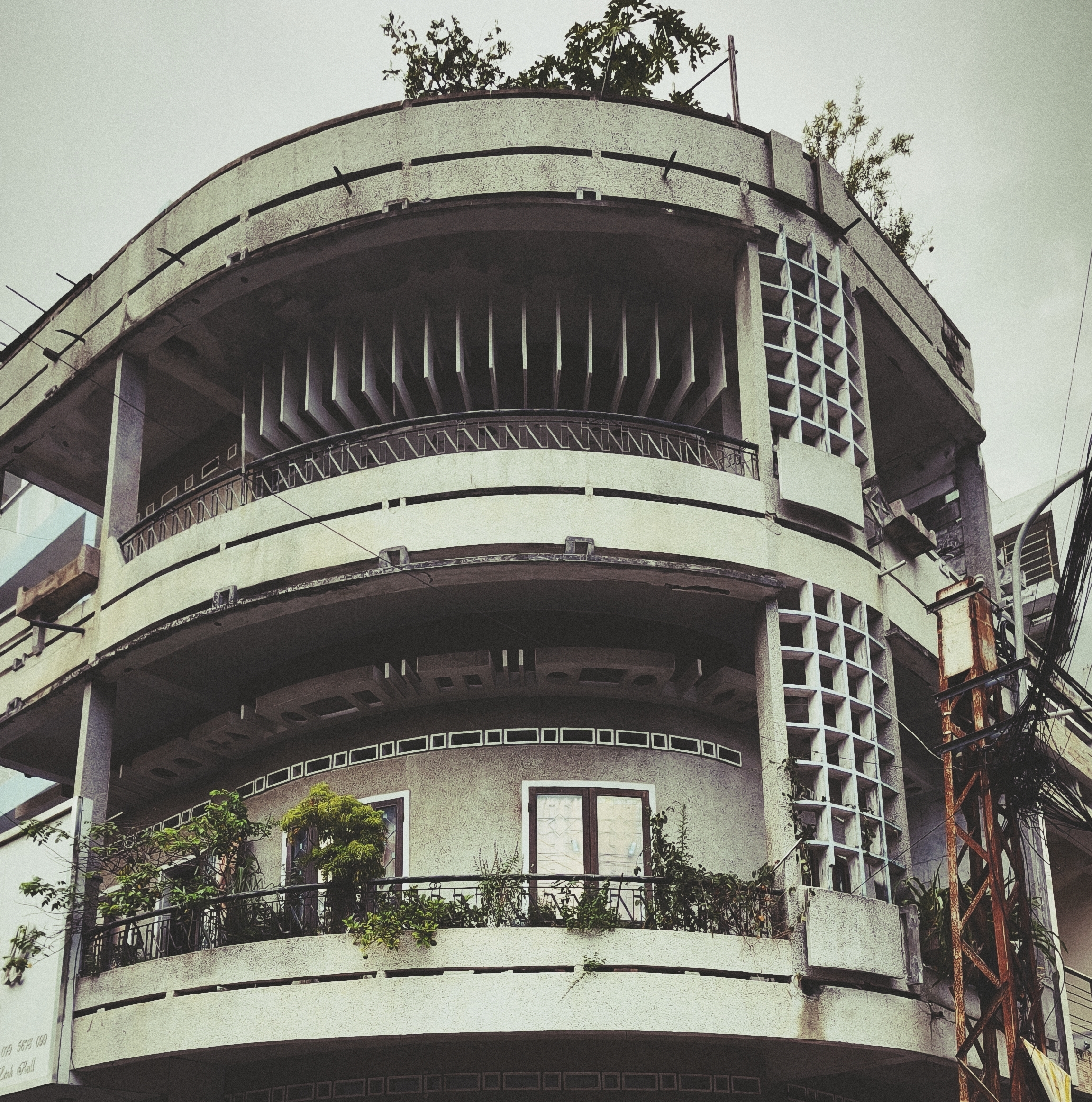
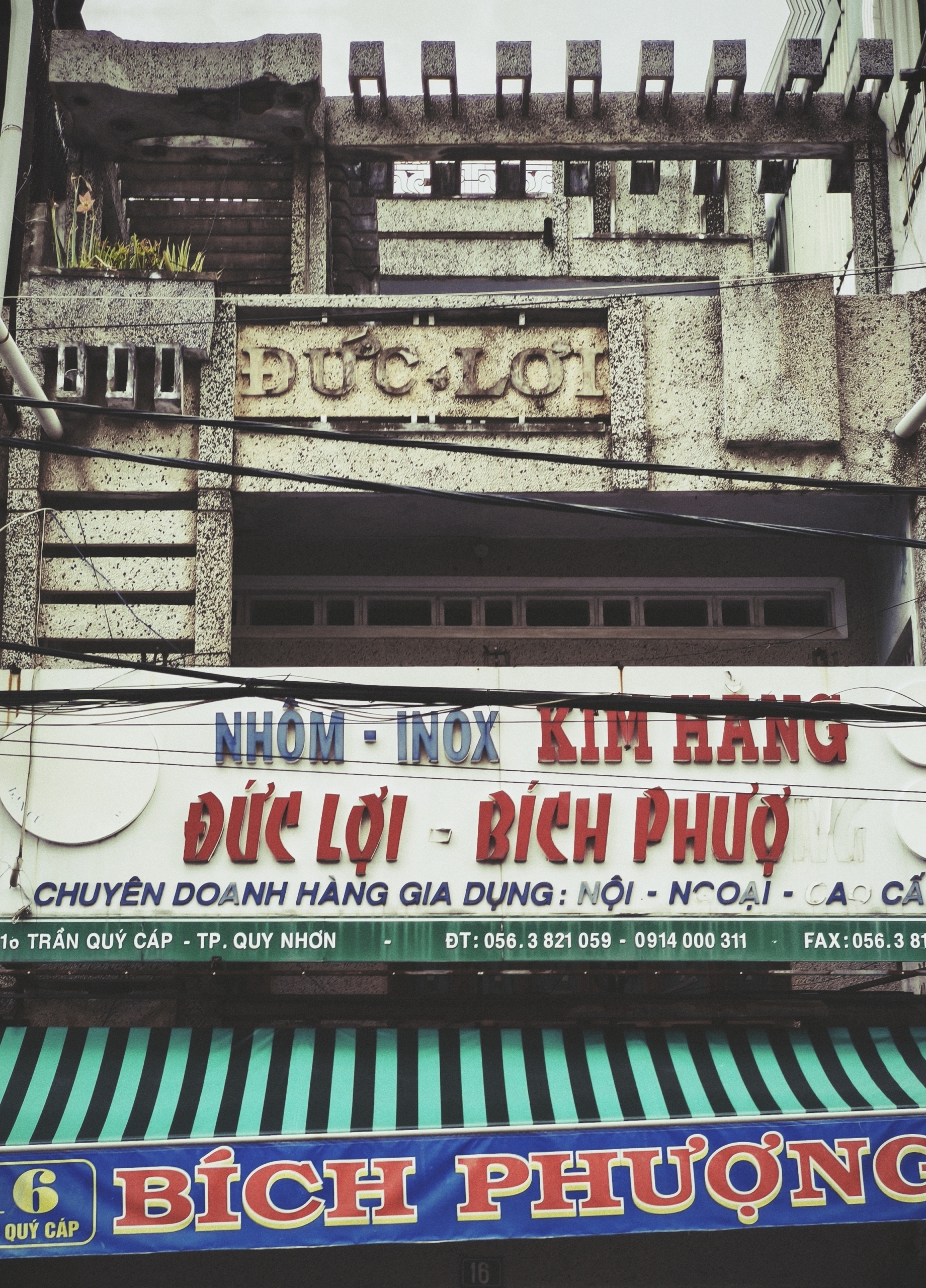
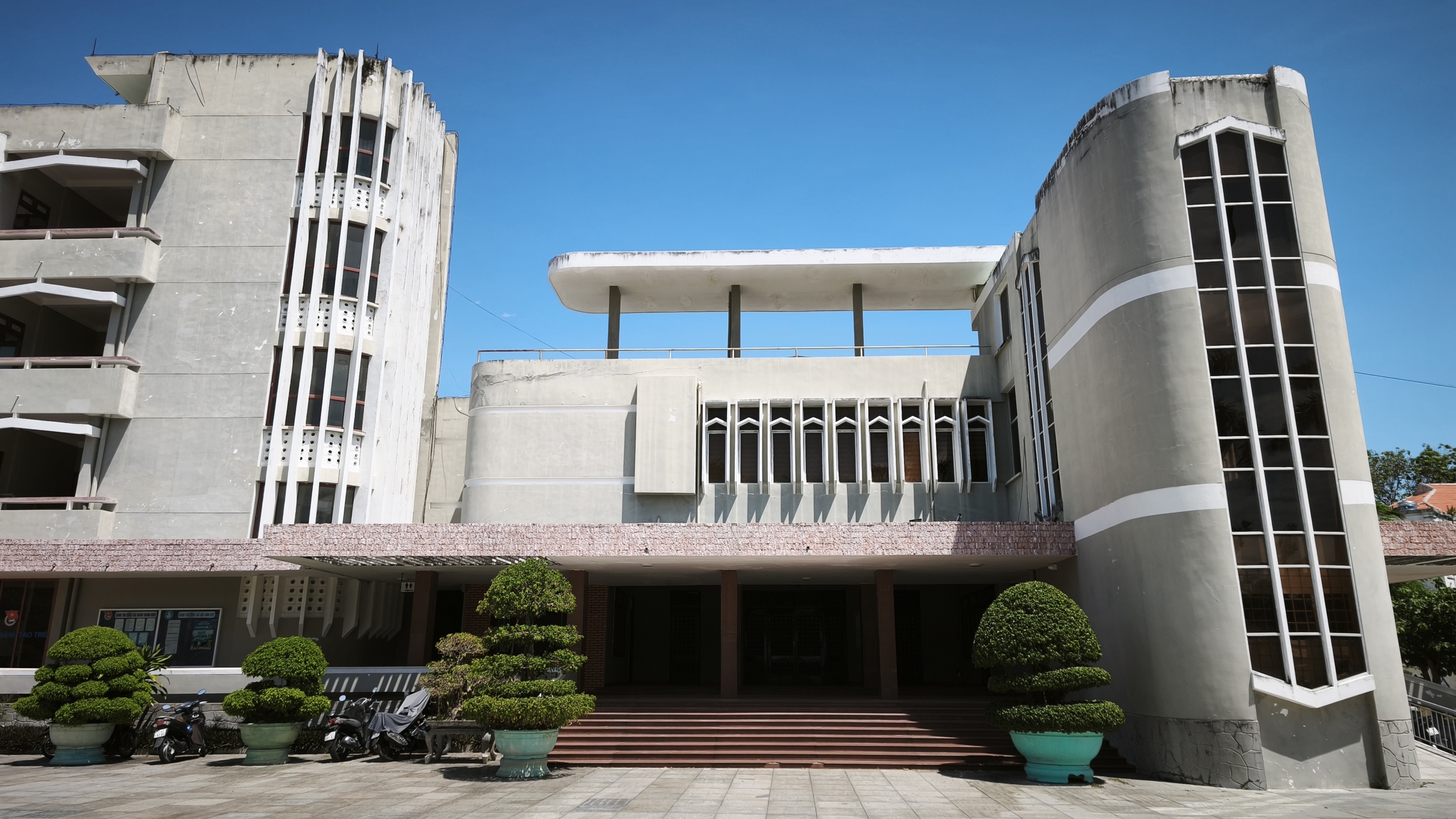
Leave the embrace of the beach behind and lose yourself in the city centre, an open-air laboratory of tropical modernism.
Behind weathered façades lies an inventive, deeply Vietnamese architecture that recalls a time when buildings were designed first for living, and only later for selling.
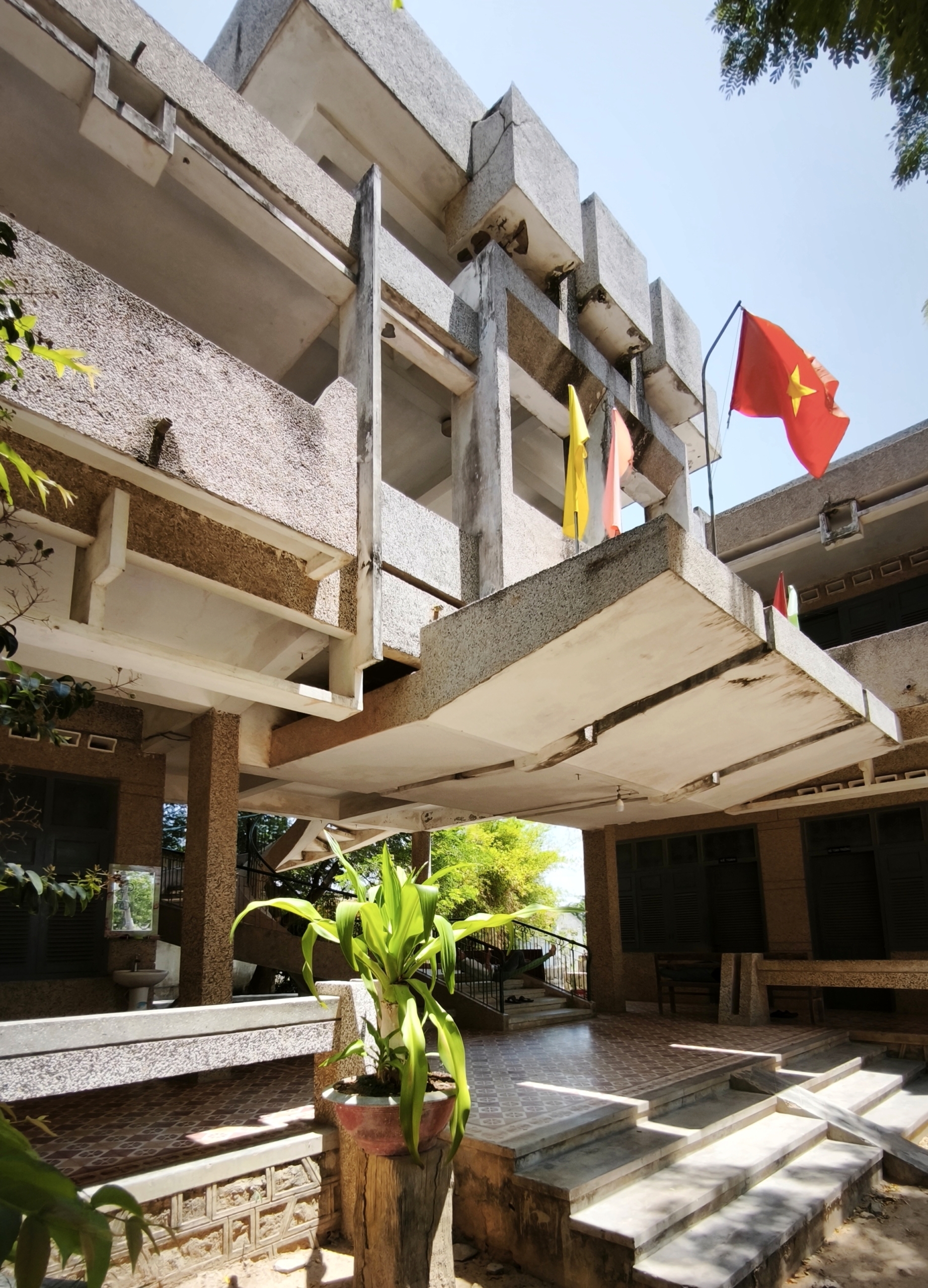
The wisdom of climate before air conditioning
Where today’s glass towers depend on relentless air conditioning behind vast heat-trapping windows, tropical modernism still performs exactly as it was intended.
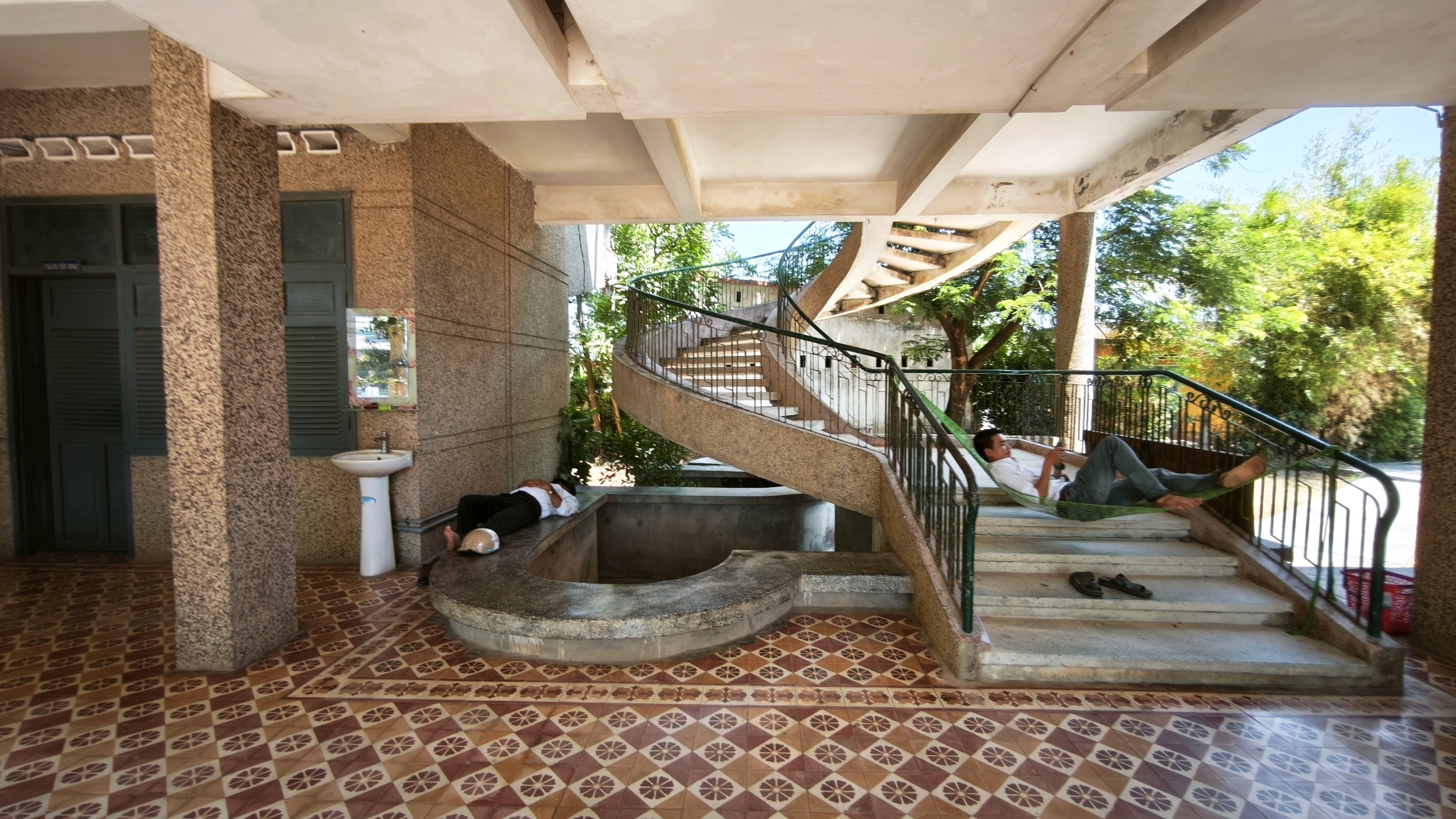
Its cast-concrete screens, shaded balconies and internal courtyards catch the sea breeze while taming the fierce tropical light.
It is an architecture that is both poetic and practical, shaped by—and for—the climate of Vietnam’s south-central coast.
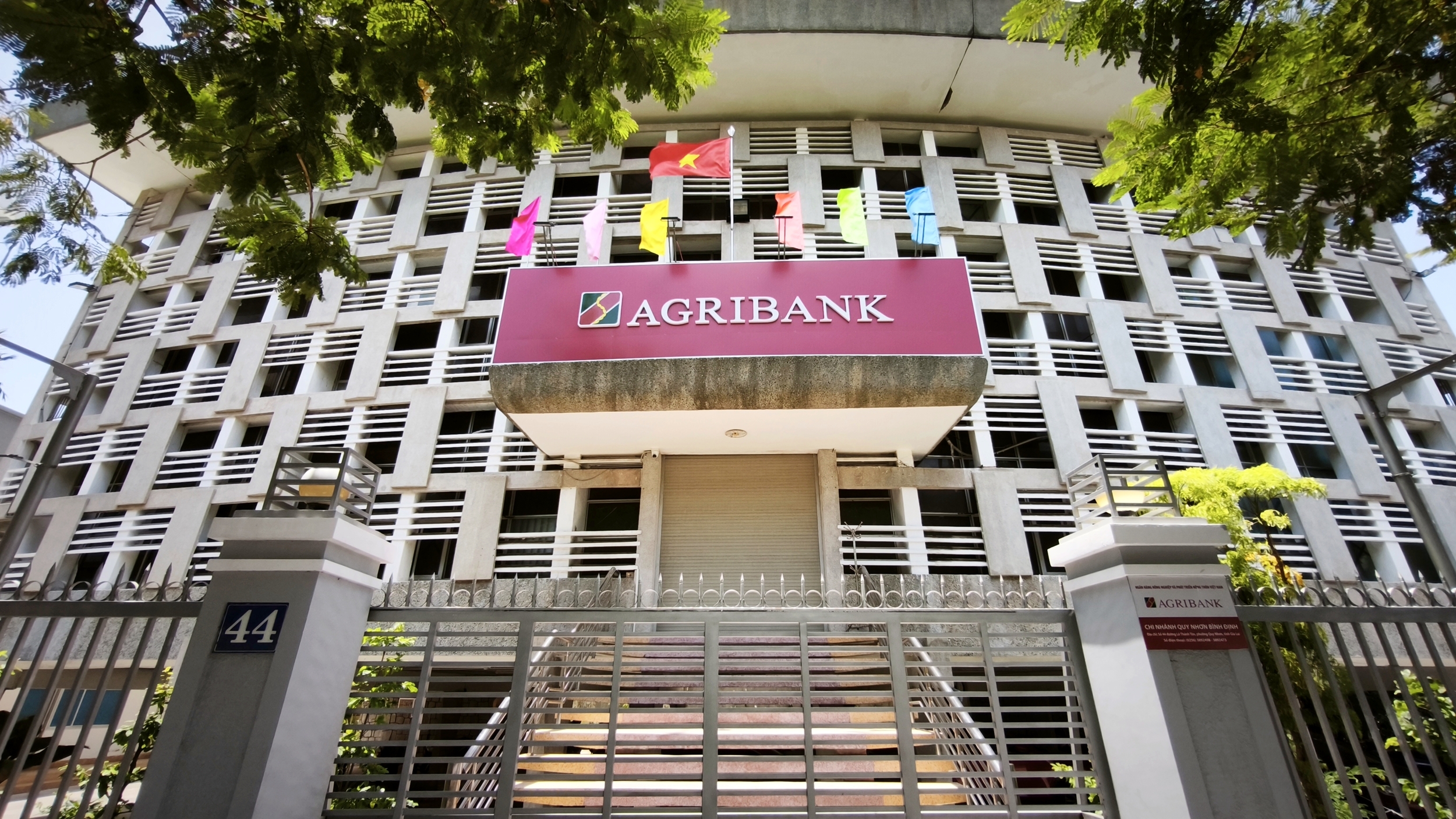
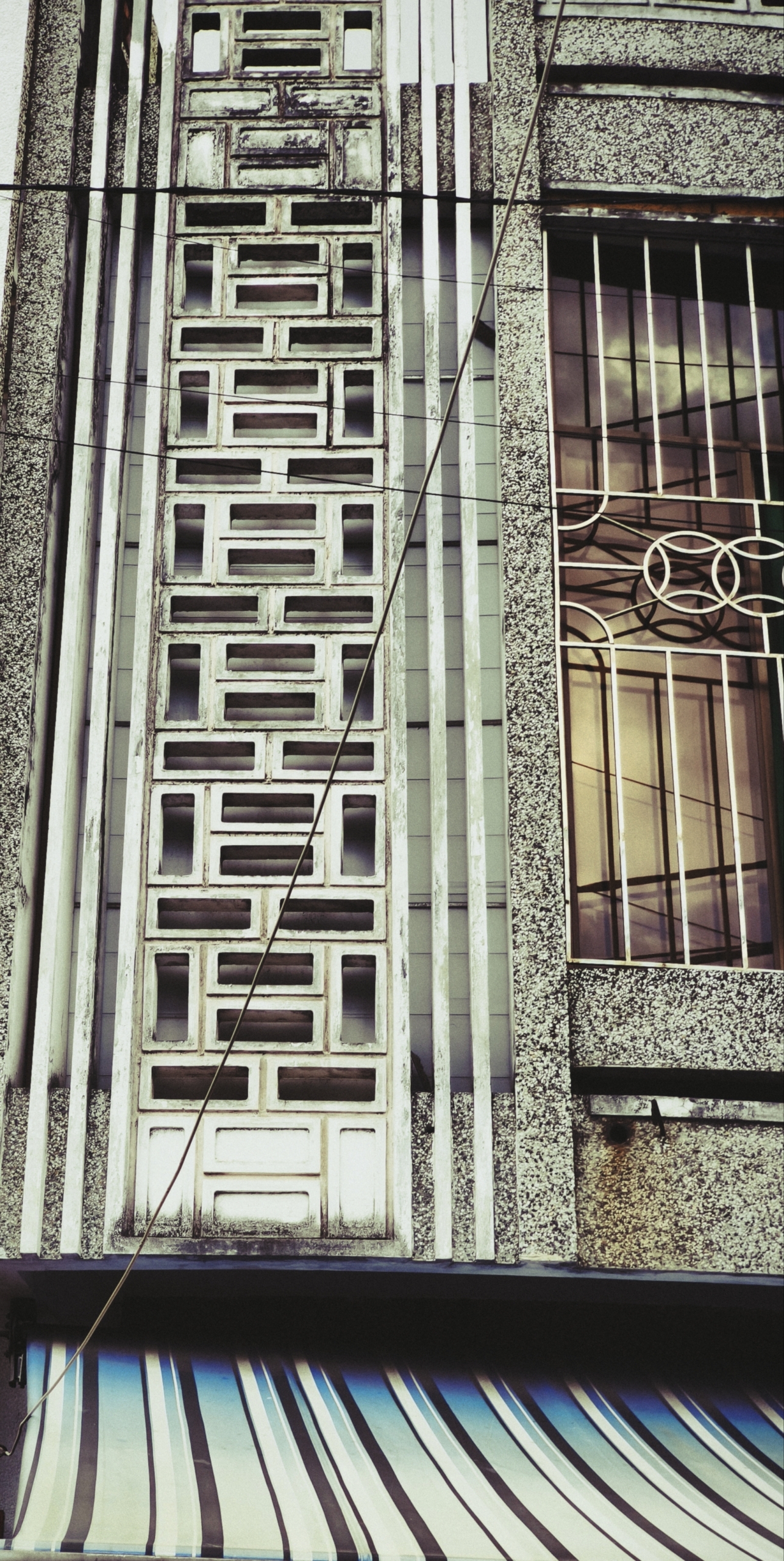
It never pretends to be anything else: terrazzo floors worn smooth by generations of footsteps, reinforced concrete weathered by monsoon storms, clean geometric lines drawn by architects who understood the climate long before sustainability became a marketing slogan.
The Poetry of Persistence
This architecture does not shout.
It makes no grand speeches about heritage conservation, unlike Hội An’s meticulously protected—and meticulously commercialised—merchant houses.
It simply carries on with everyday life, inhabited by families, mechanics, neighbourhood cafés and tailors.
Its resistance is quiet, woven into the ordinary rhythm of the city.
While many contemporary façades look tired after only a few years, Quy Nhon’s tropical modernism ages with the quiet dignity of an old seafaring vessel.
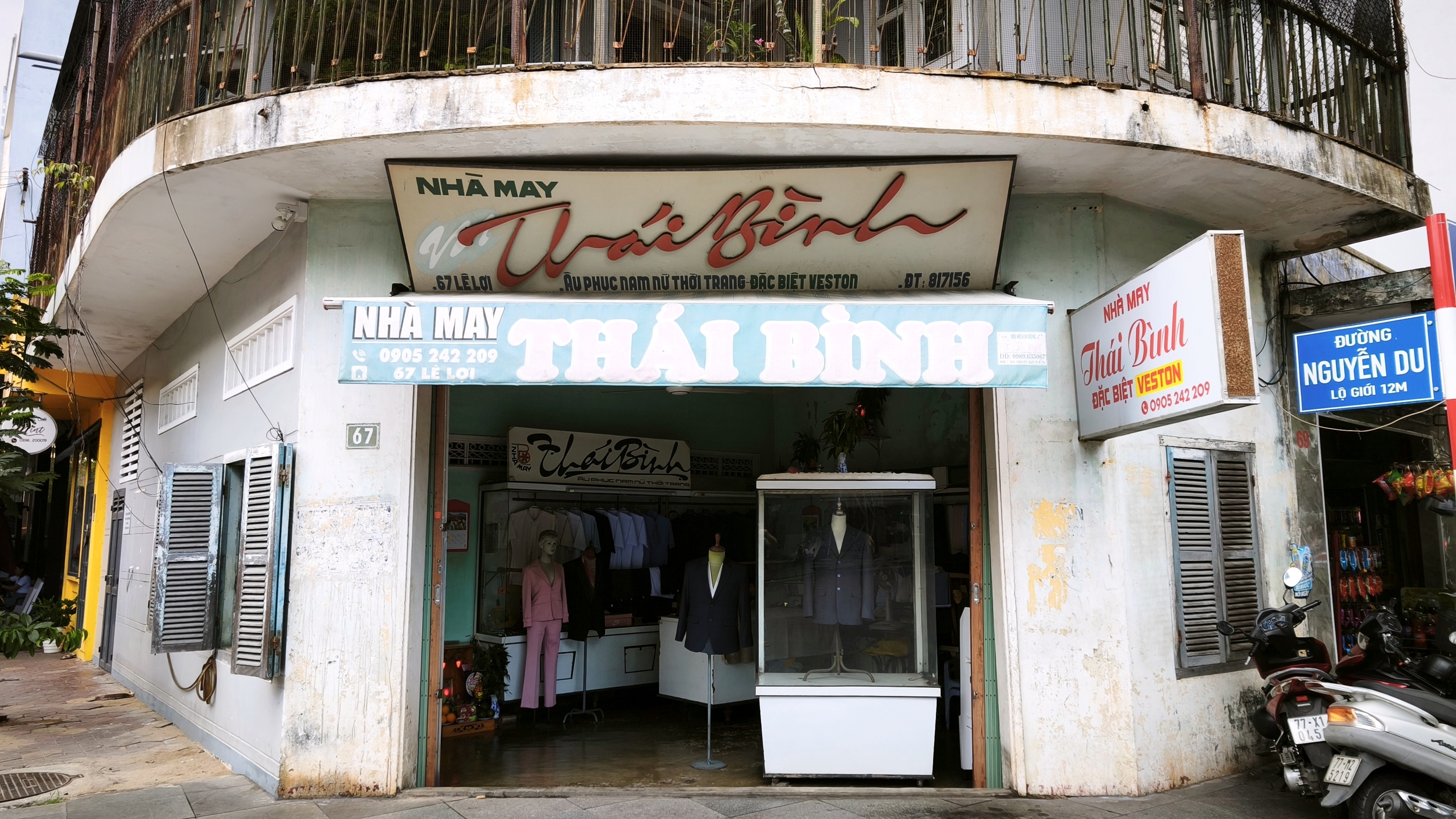
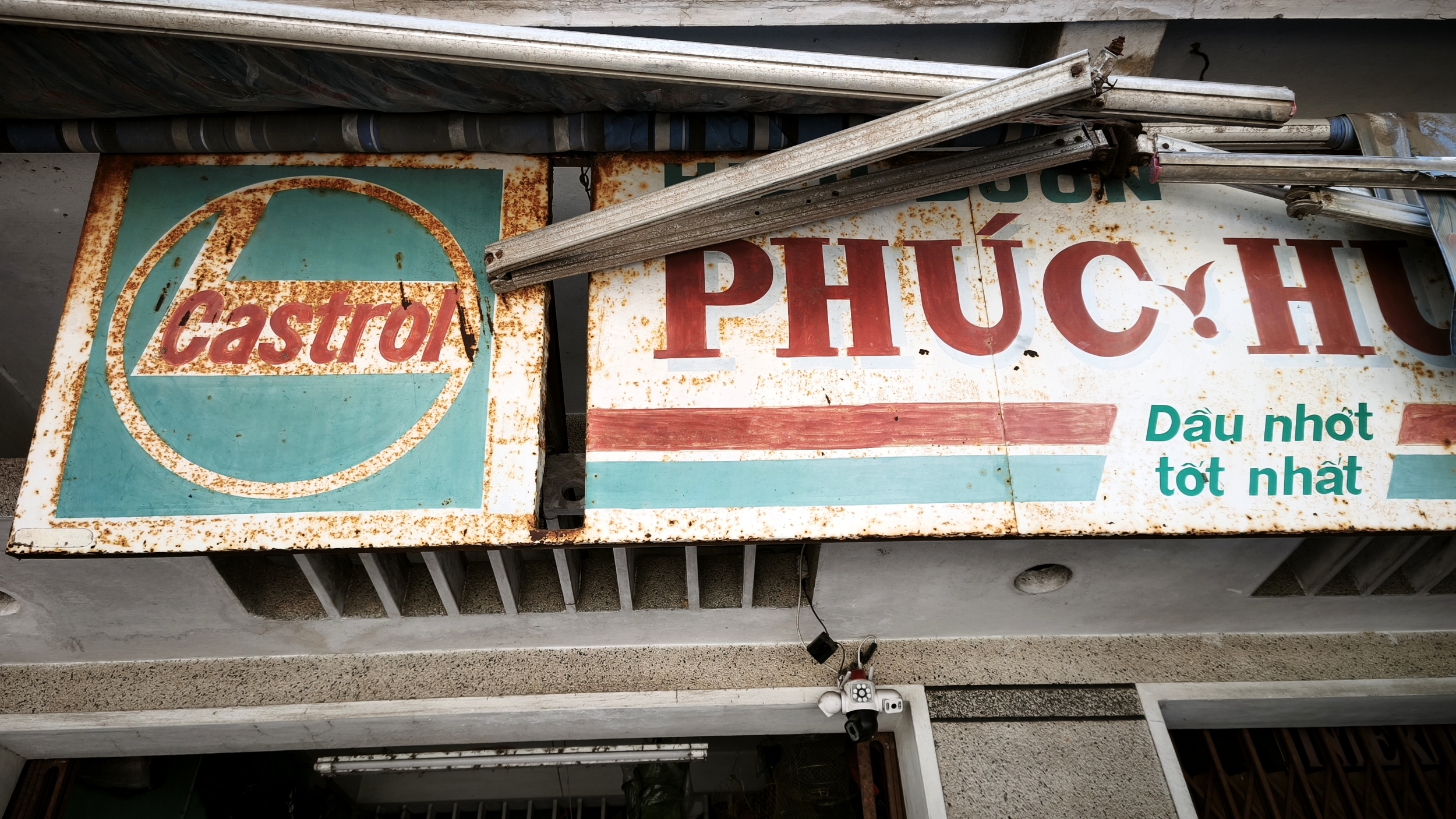
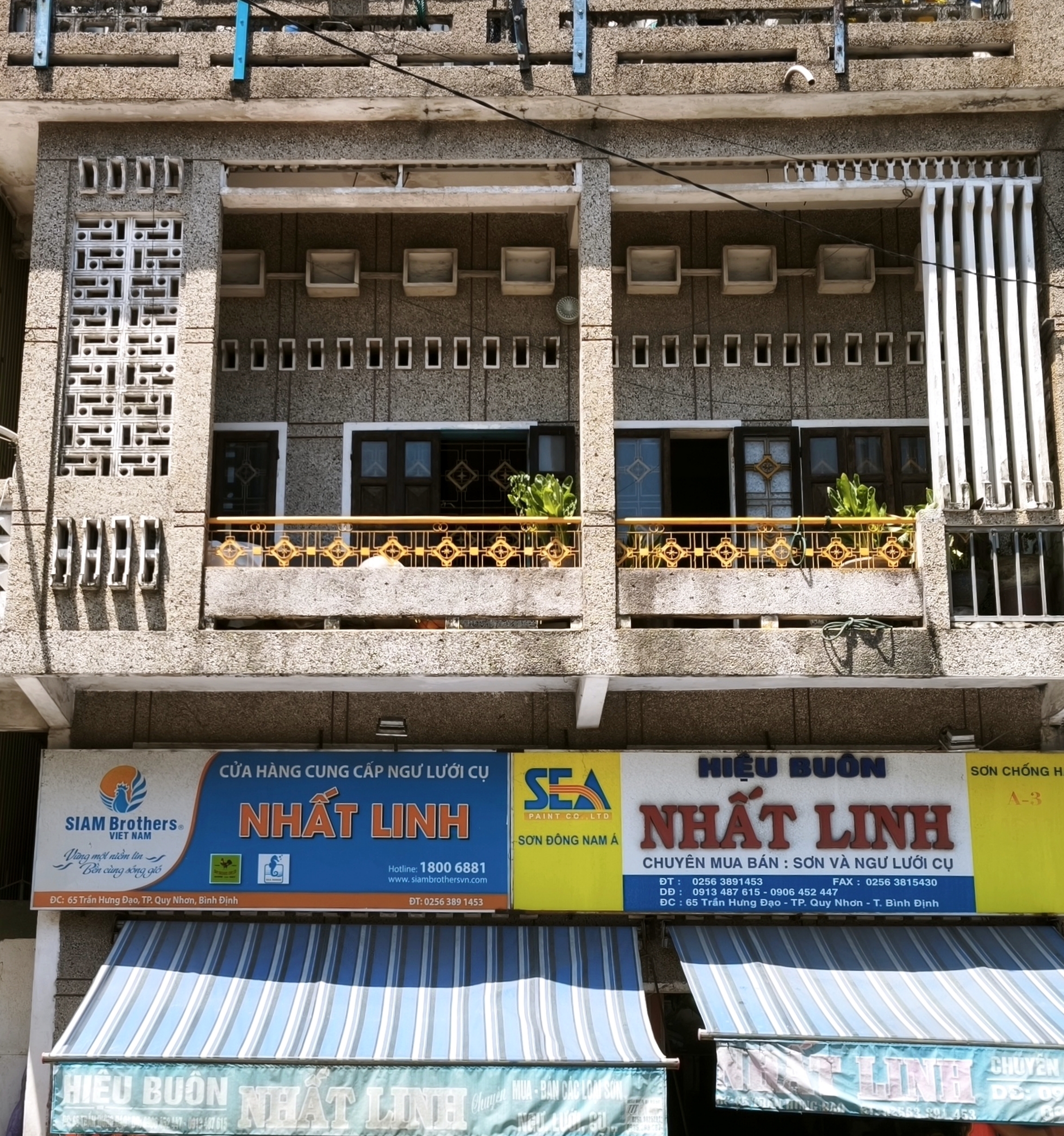
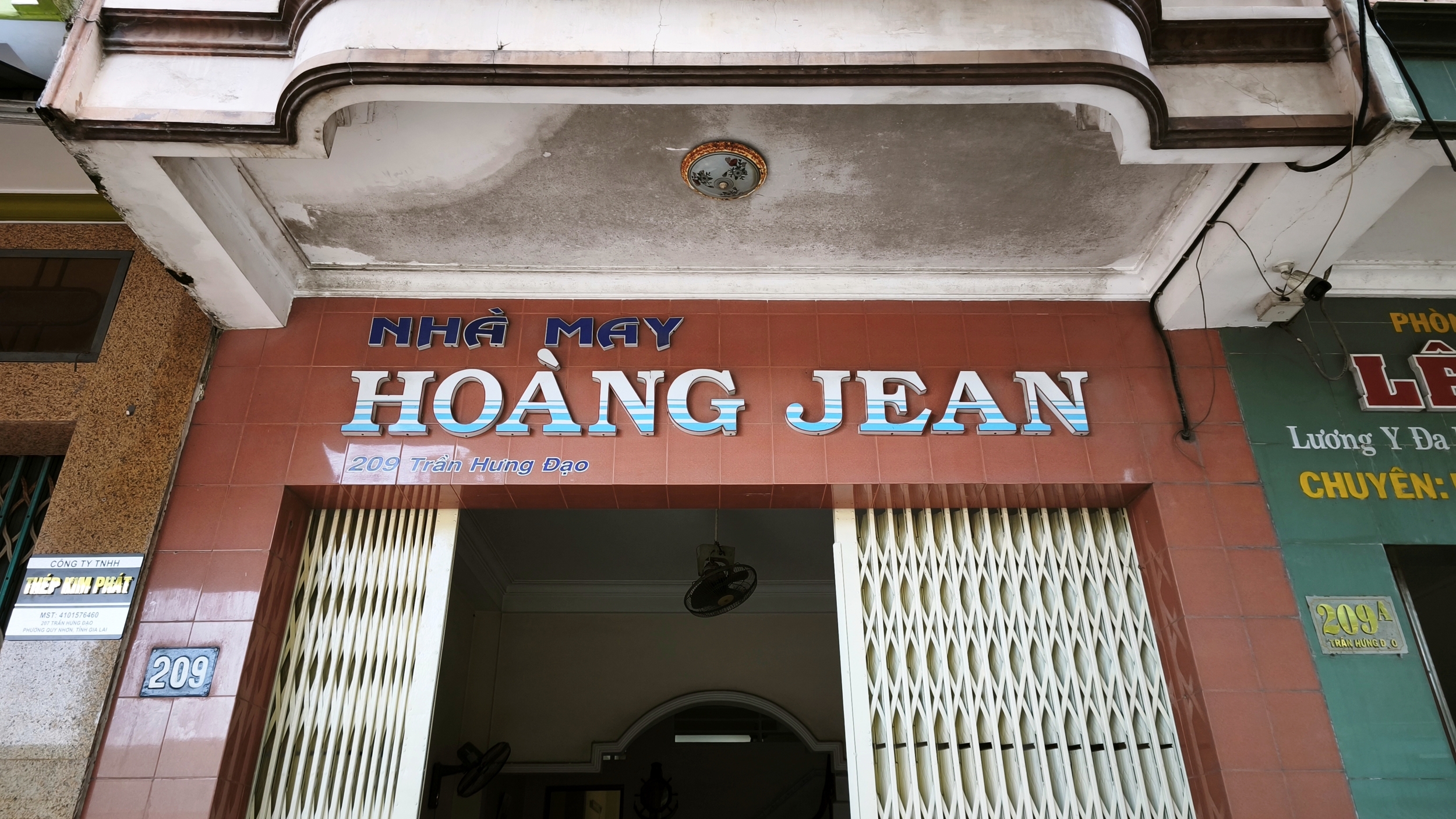
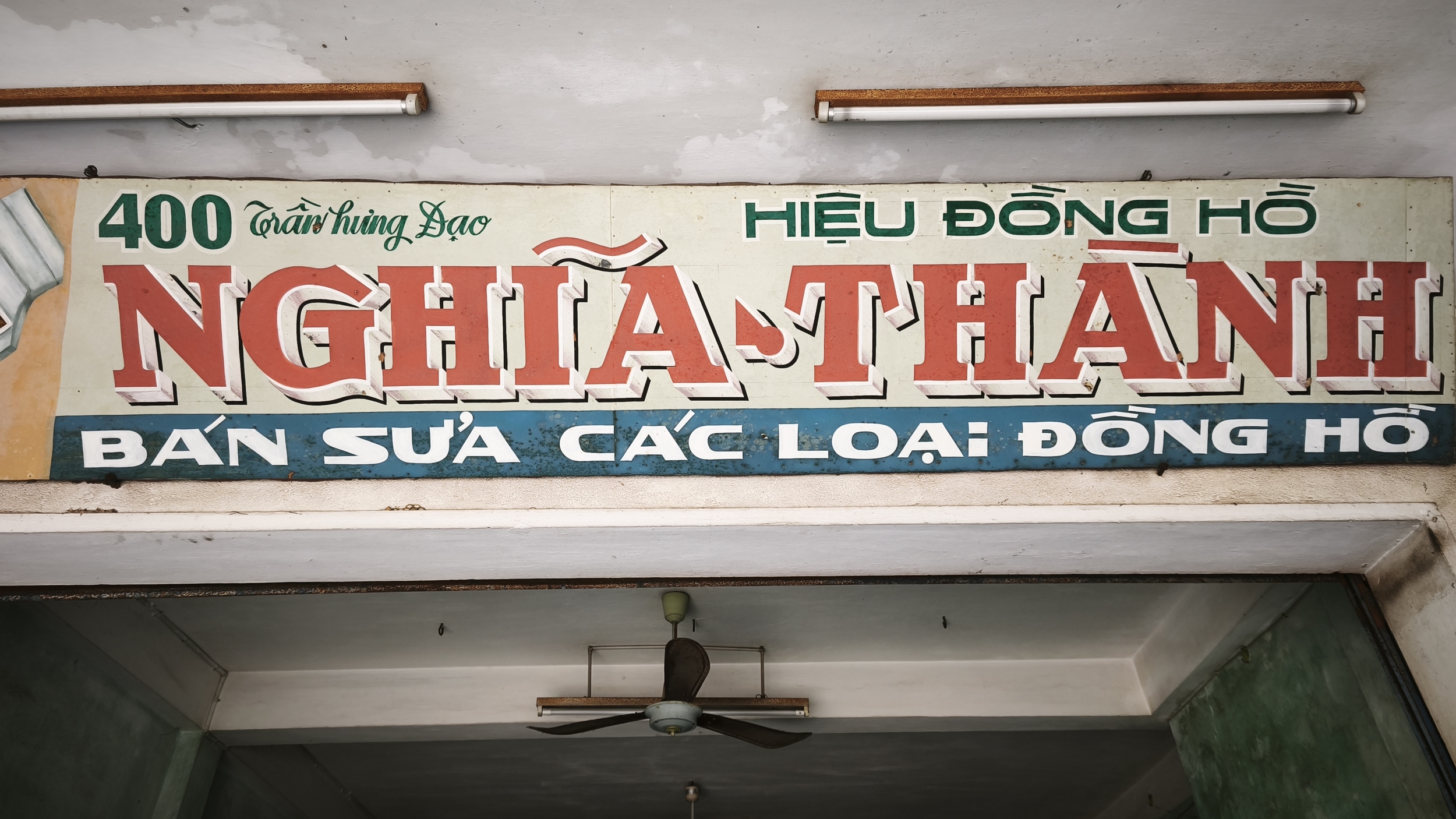
The beachfront may now parade in its summer clothes, but step a few streets inland and the city rediscovers the face of an old pirate, complete with fading shop signs and weather-beaten concrete.
Here survives the last stronghold of bioclimatic common sense—a place where people still built with the sun, the wind and the rain instead of trying to conquer them.
And as long as these raw concrete façades continue to stand against the advancing tide of commercial ugliness, Bình Định will remain, true to its history, a land of rebels.
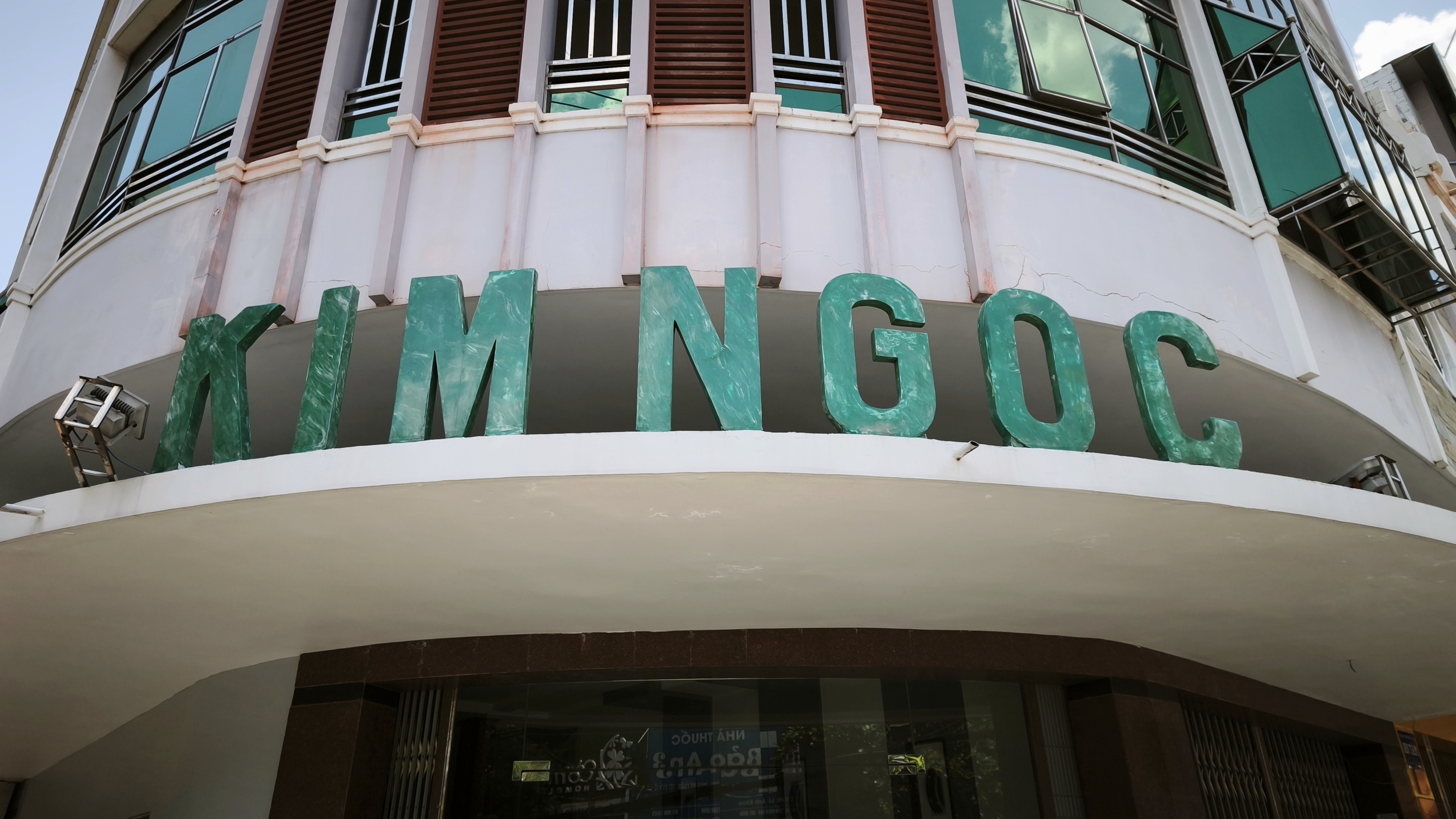
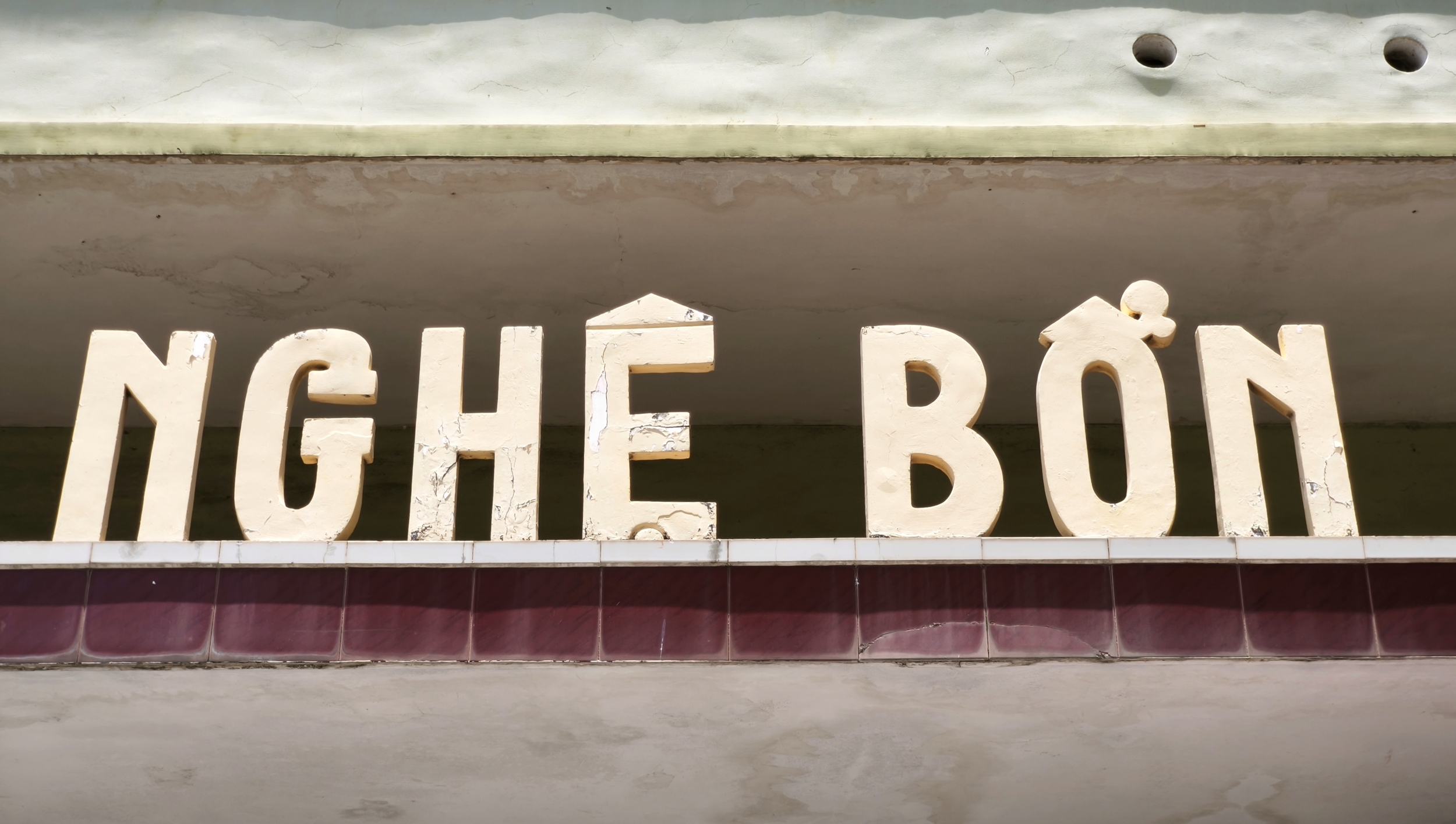
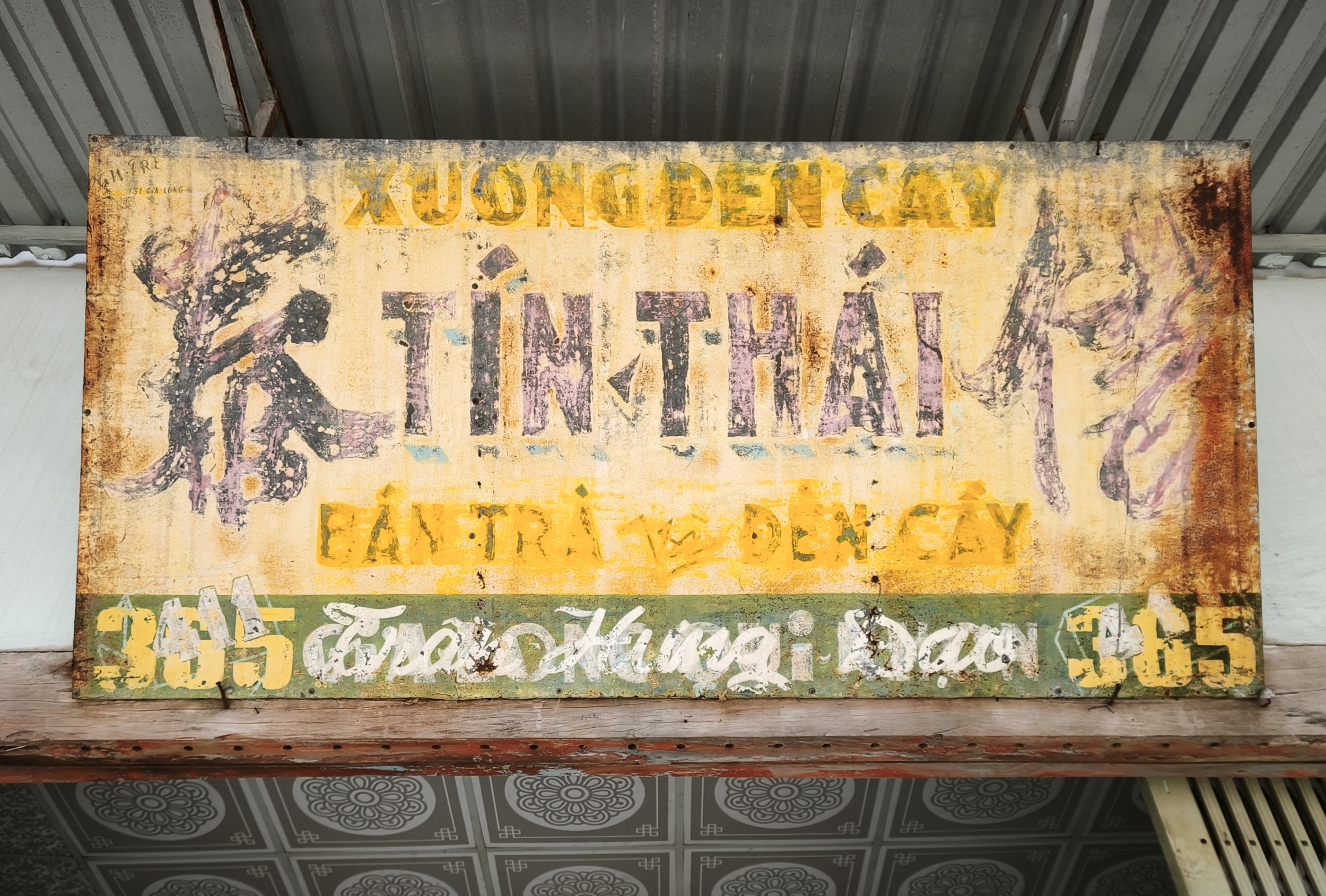
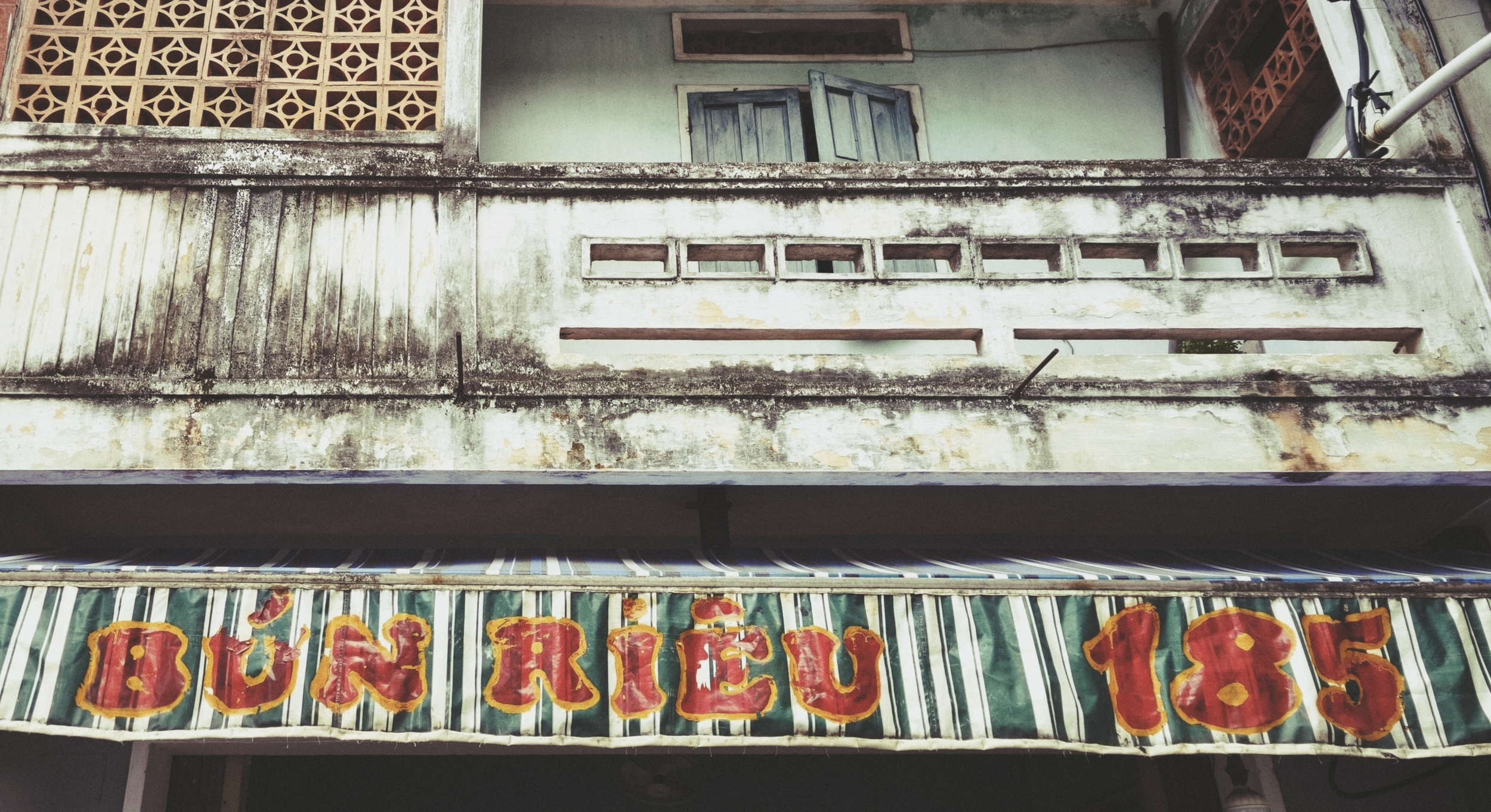
Bravo !
KTS CPL