
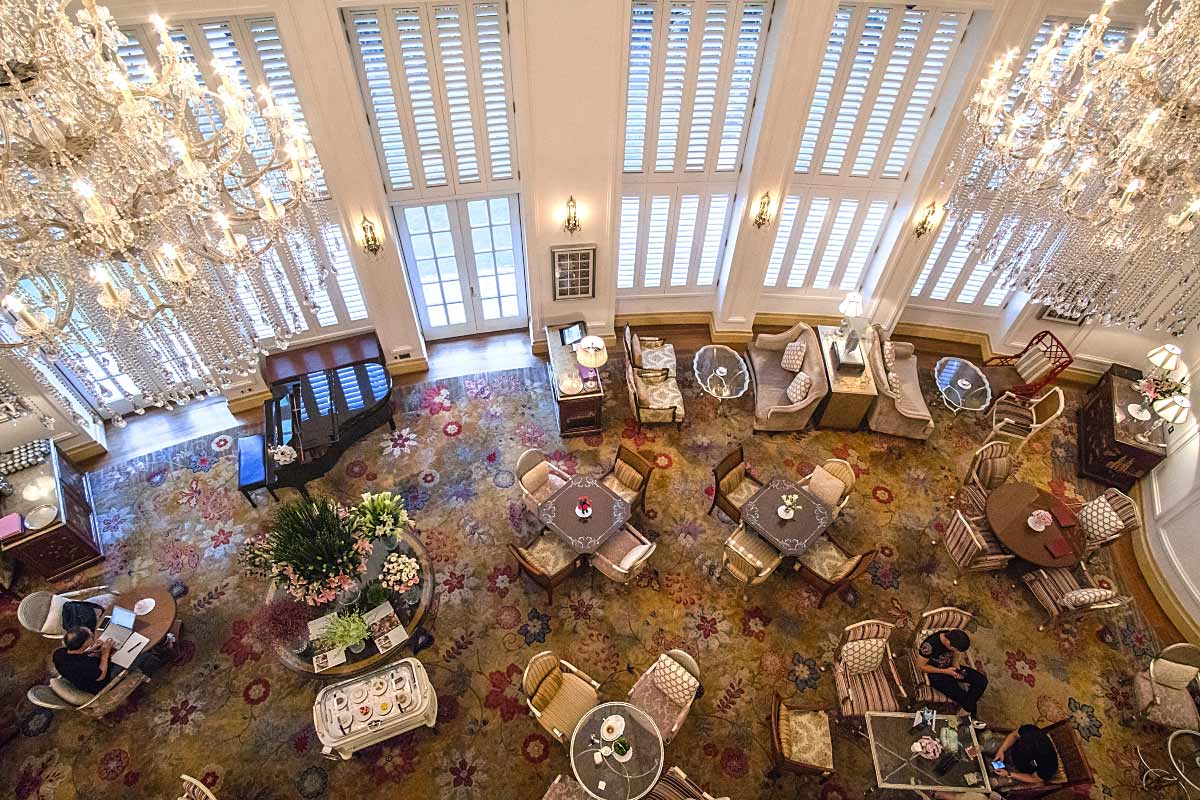
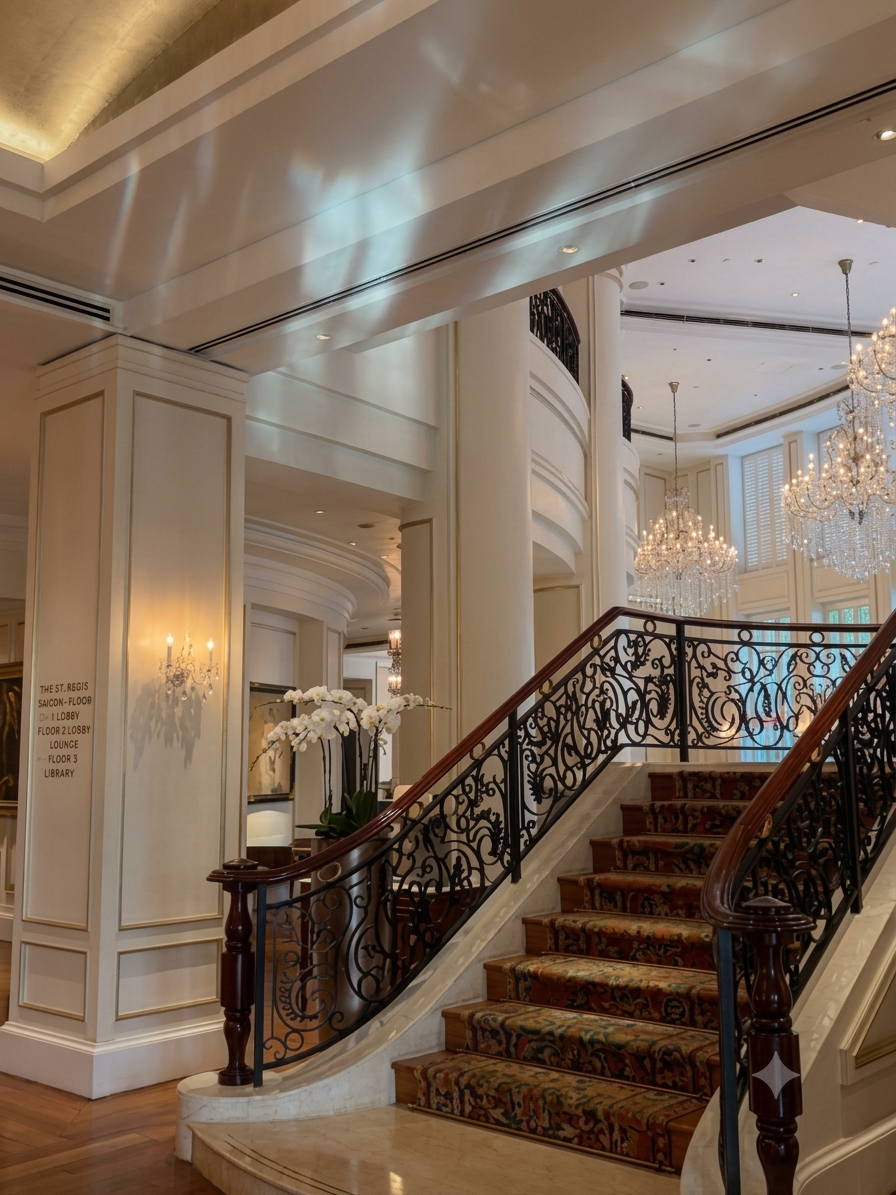
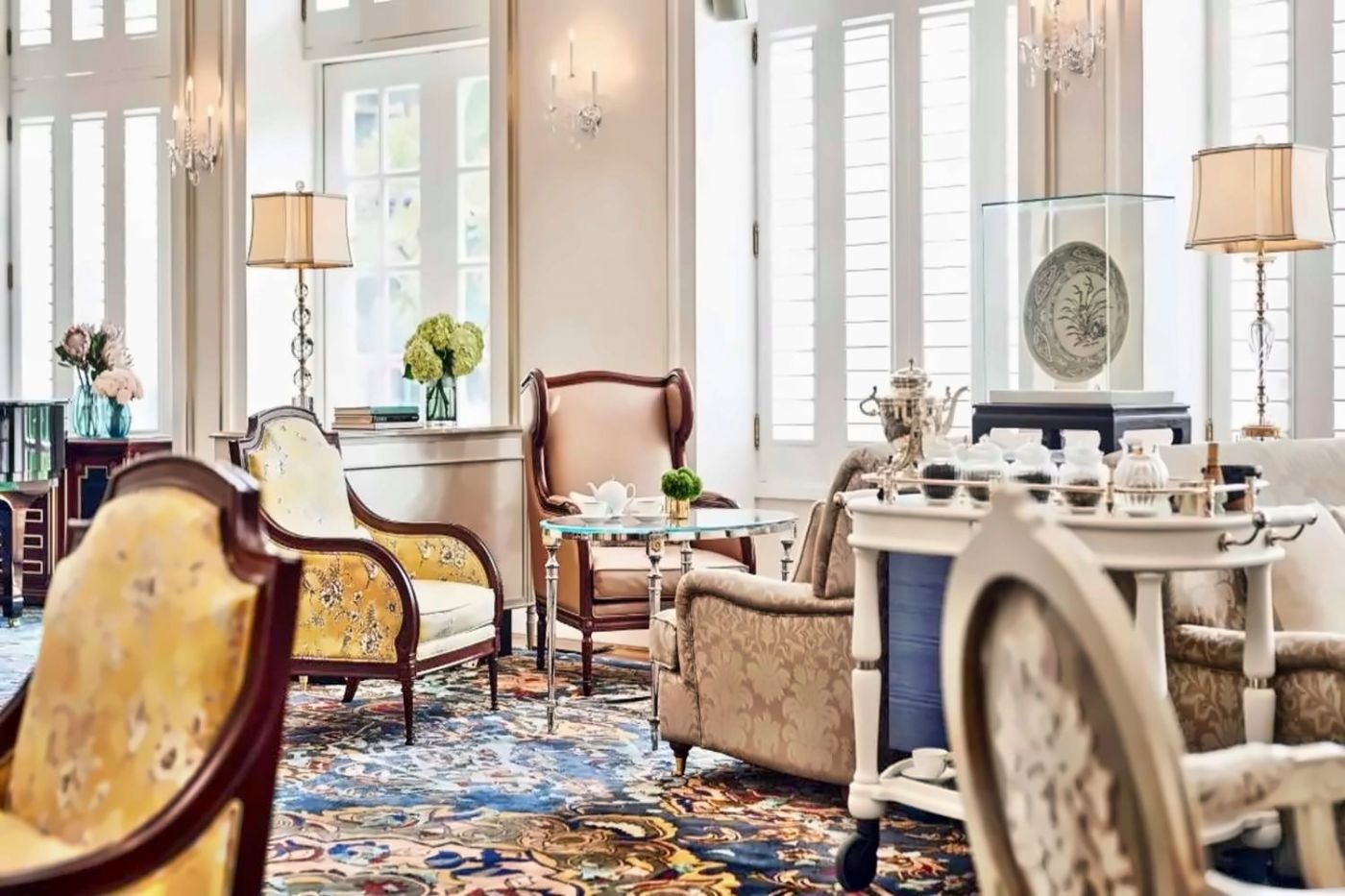
Park Hyatt has rebuilt a kind of fantasy French colonial mansion: ivory façade, symmetry, oversized white louvered shutters, Indochine furniture, teak parquet, Oriental rugs, XXL crystal chandeliers, a monumental staircase, an antique glass ceiling.
Heavy artillery for selling colonial chic.
An overloaded contemporary reconstruction.
A look that is barely twenty years old.
Park Hyatt said so itself at the 2005 opening: the building was meant to evoke the French colonial history of Saigon.
The history of the occupier.
Why not.
But the problem is that Saigon didn’t stop evolving when the colonizer left in 1954.
And that’s exactly what makes the architectural choice lazy.
Because there was another story to tell.
The Gagged Street
Architects only lace up their sneakers to play pickleball in an air-conditioned box.
Not to walk the streets and take Saigon full in the face.
Otherwise, they’d have seen that the city is one hell of a talker, architecturally.
By choosing neo-colonial pastiche, the project missed the city’s true architectural golden age.
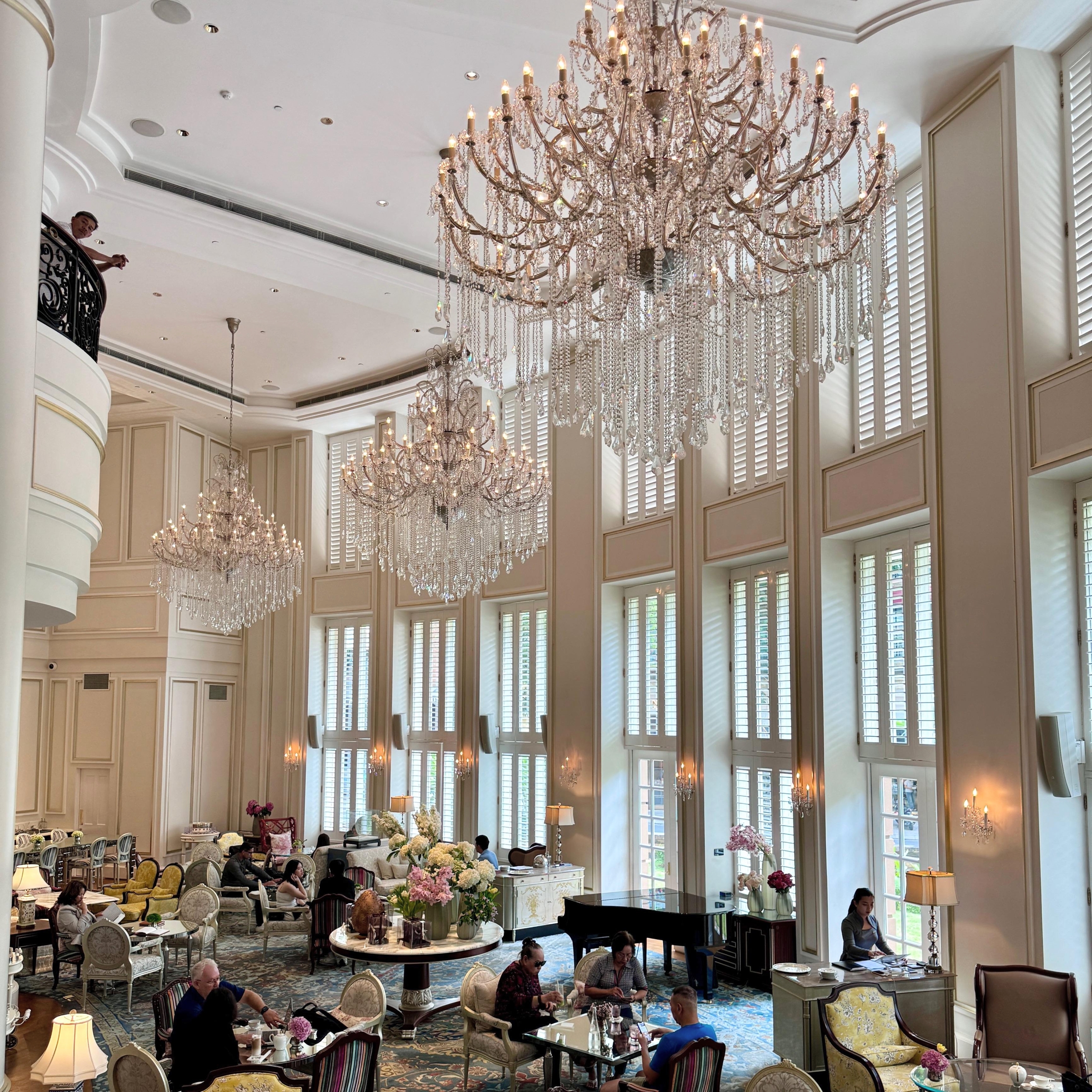
The tropical modernism that shaped Saigon’s face between 1954 and 1975.
Rather than importing a neoclassical colonial façade slapped onto a contemporary volume, the building could have drawn on the language of major figures like Ngô Viết Thụ, architect of the Independence Palace and the Faculty of Medicine, or Bùi Quang Hanh and Nguyễn Hữu Thiện, the two designers of Ho Chi Minh City’s General Sciences Library, one of the jewels of South Vietnamese tropical modernism.

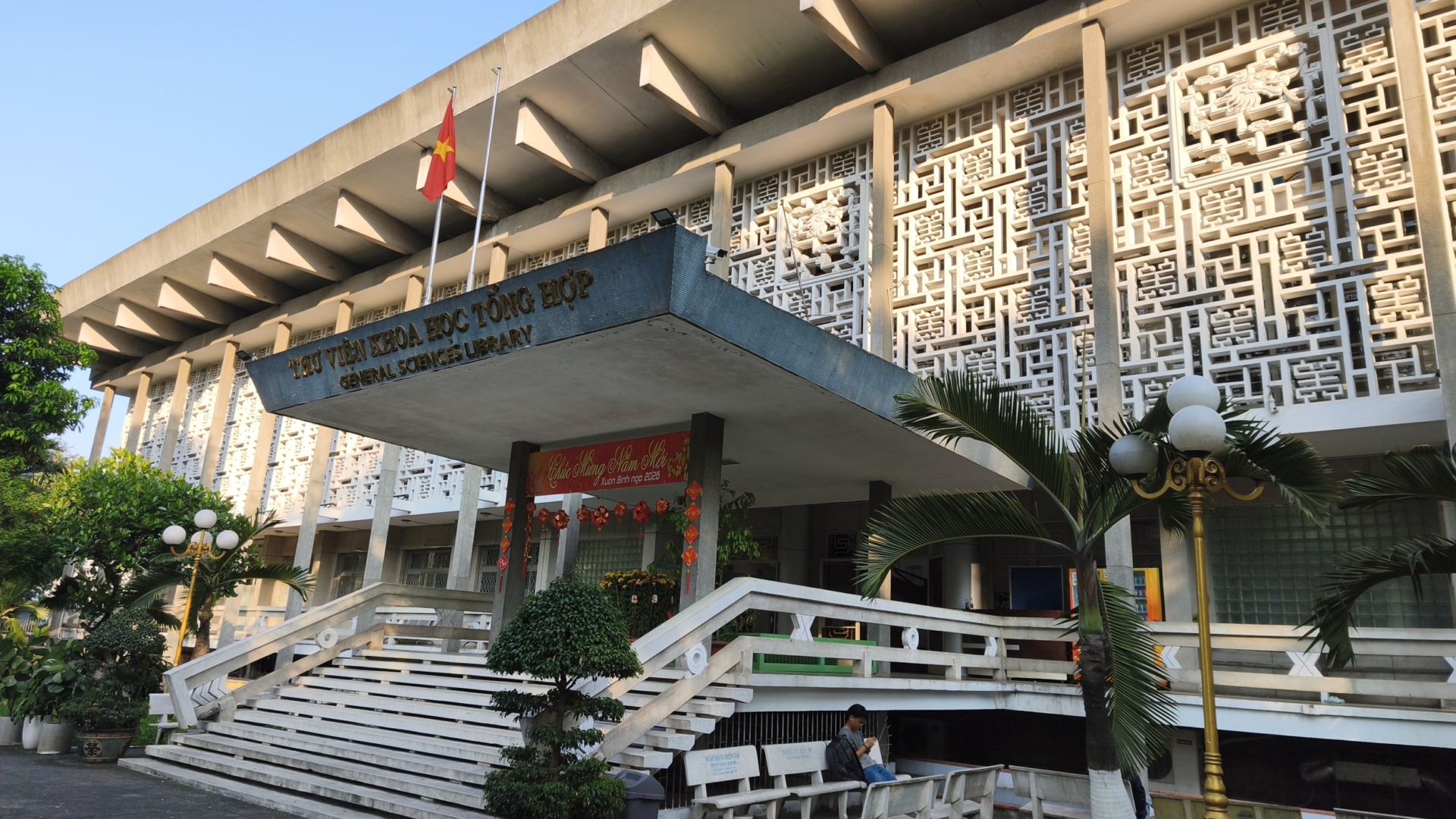
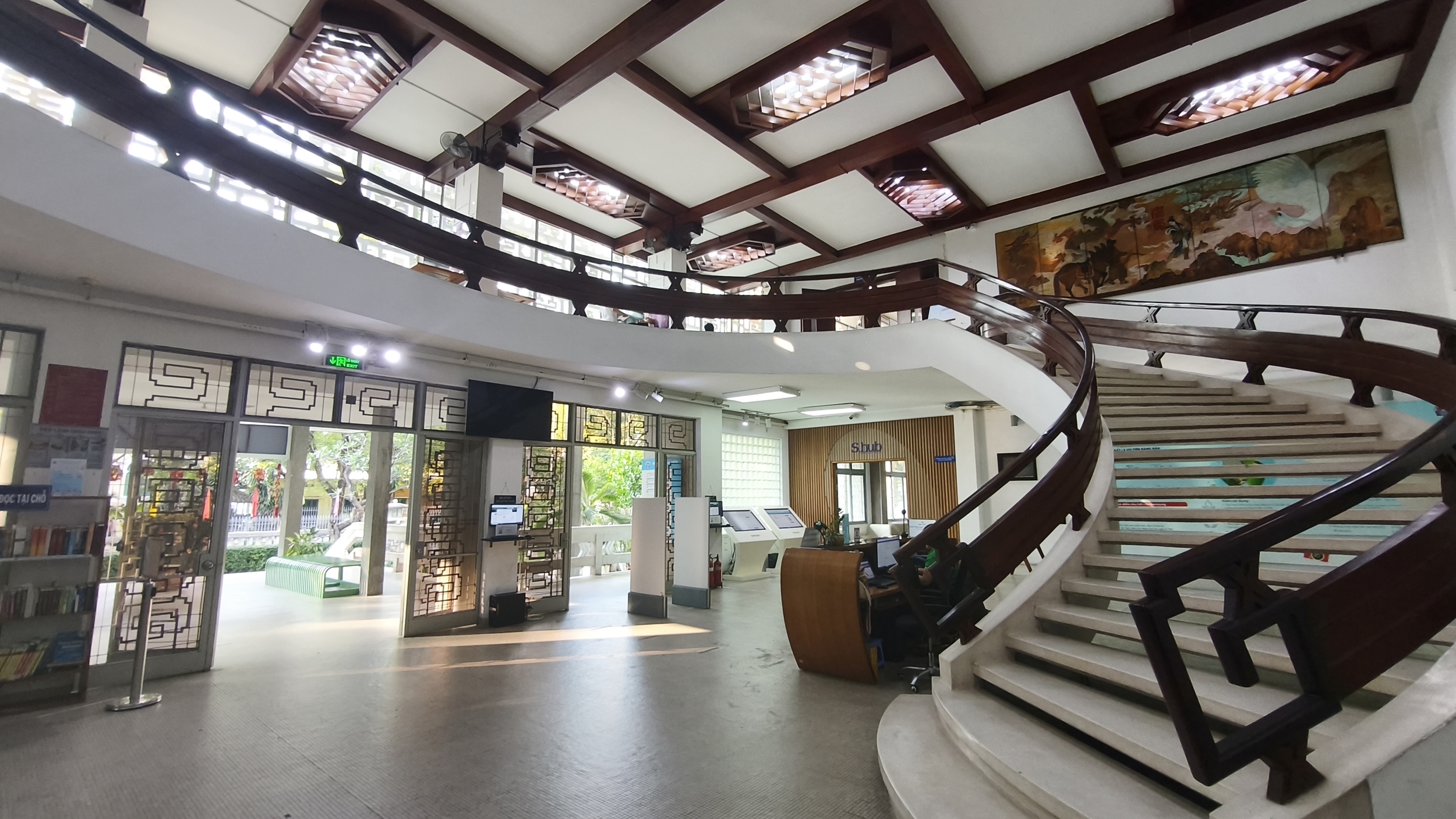
Neoclassicism doesn’t talk to the city.
It imposes itself by telling the climate to fuck off.
Tropical modernism starts from a far less spectacular principle: common sense.
It doesn’t try to look pretty in a brochure.
It tries to let the building breathe.
Cast-concrete screens, geometric sunbreakers, perforated façades. You filter the brutal southern light while letting the air move.
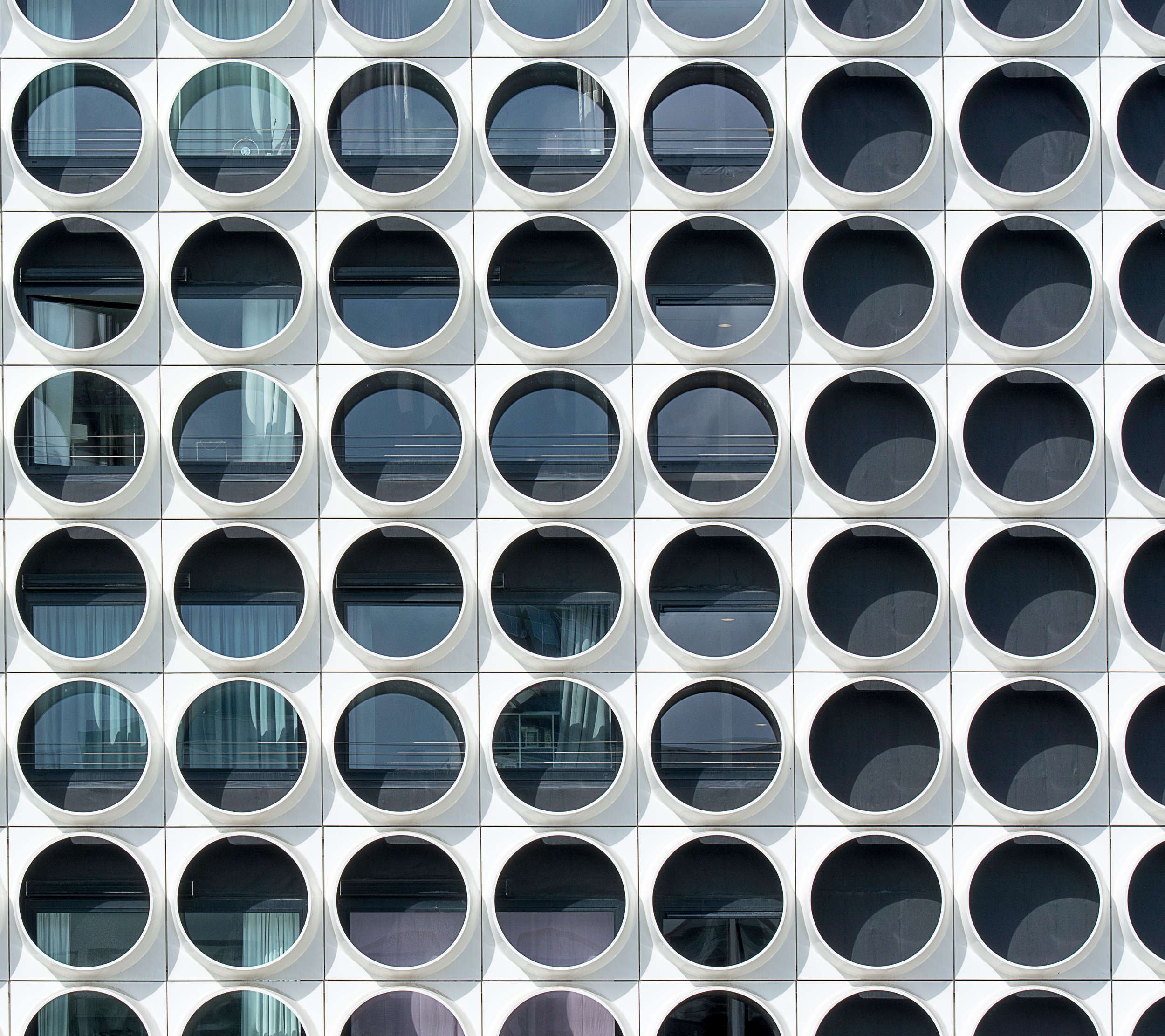
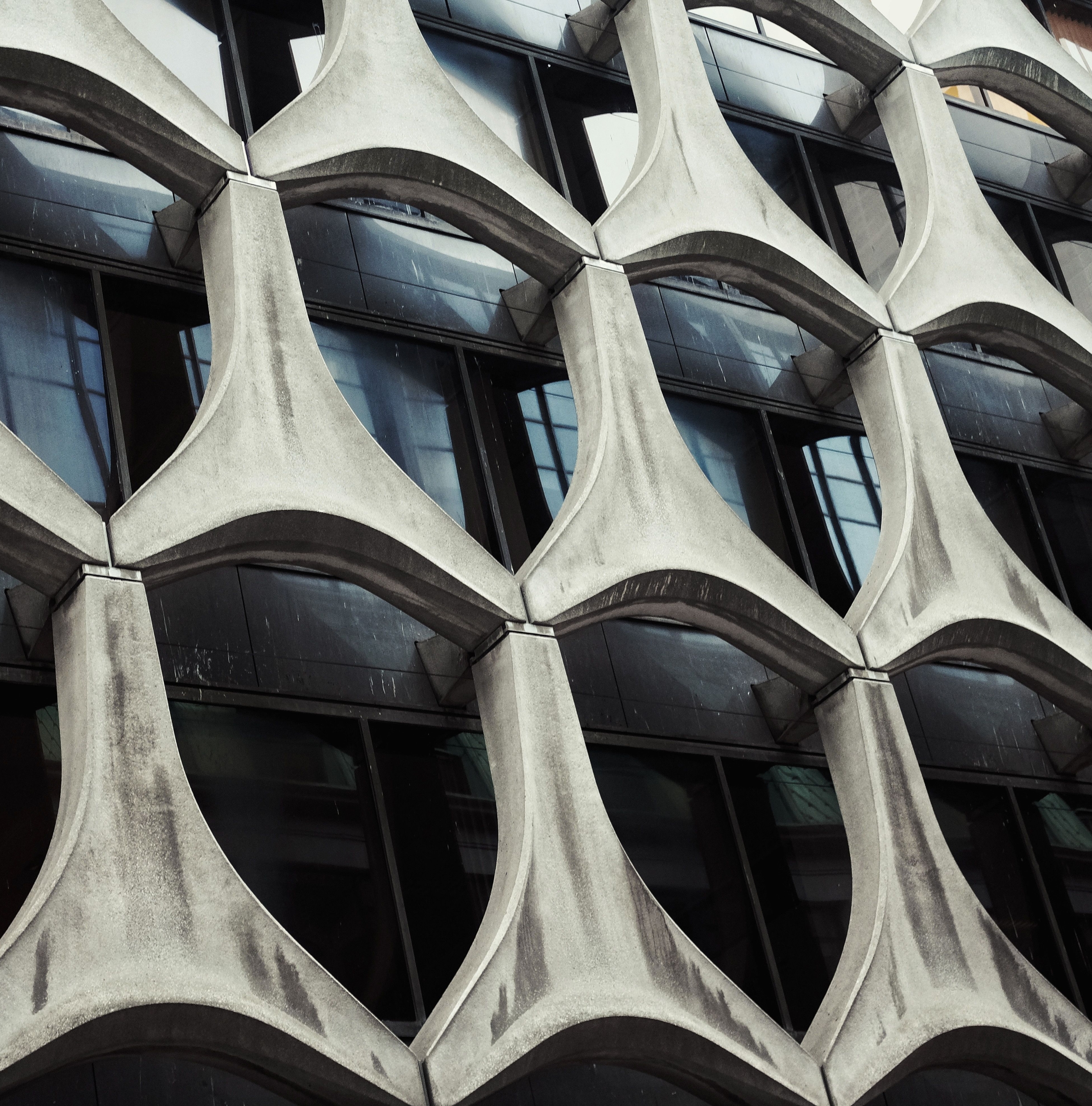
Inner courtyards, deep roof overhangs, recessed loggias. You manufacture shade, create breathing space, let the climate into the architecture instead of pretending it doesn’t exist.
That’s tropical modernism.
An architecture that looks at Saigon before it looks at itself in the mirror.
The Park Hyatt filed for divorce: on one side, rootless architecture born in an office, under a 3D mockup; on the other, the vibrant reality of the Saigon street.
Imagine the Park Hyatt Differently
Come on, let’s toss the cheap colonial-house imitation onto the scrap heap.
On Lam Son Square, which tasted gunpowder on December 24, 1964, Christmas Eve, when a Viet Cong car bomb went off in front of the old Brinks Hotel, quarters for American officers, imagine for a moment a hotel UFO.
A grand Saigon hotel of 1965 that could have existed.
A white façade sculpted by sunbreakers.
Geometric screens.
Concrete, wood, terrazzo.
Shutters, but stripped of the colonial folklore.
Elegant pilotis.
Planted patios.
Huge windows open to the city.
High ceilings.
Constant airflow.
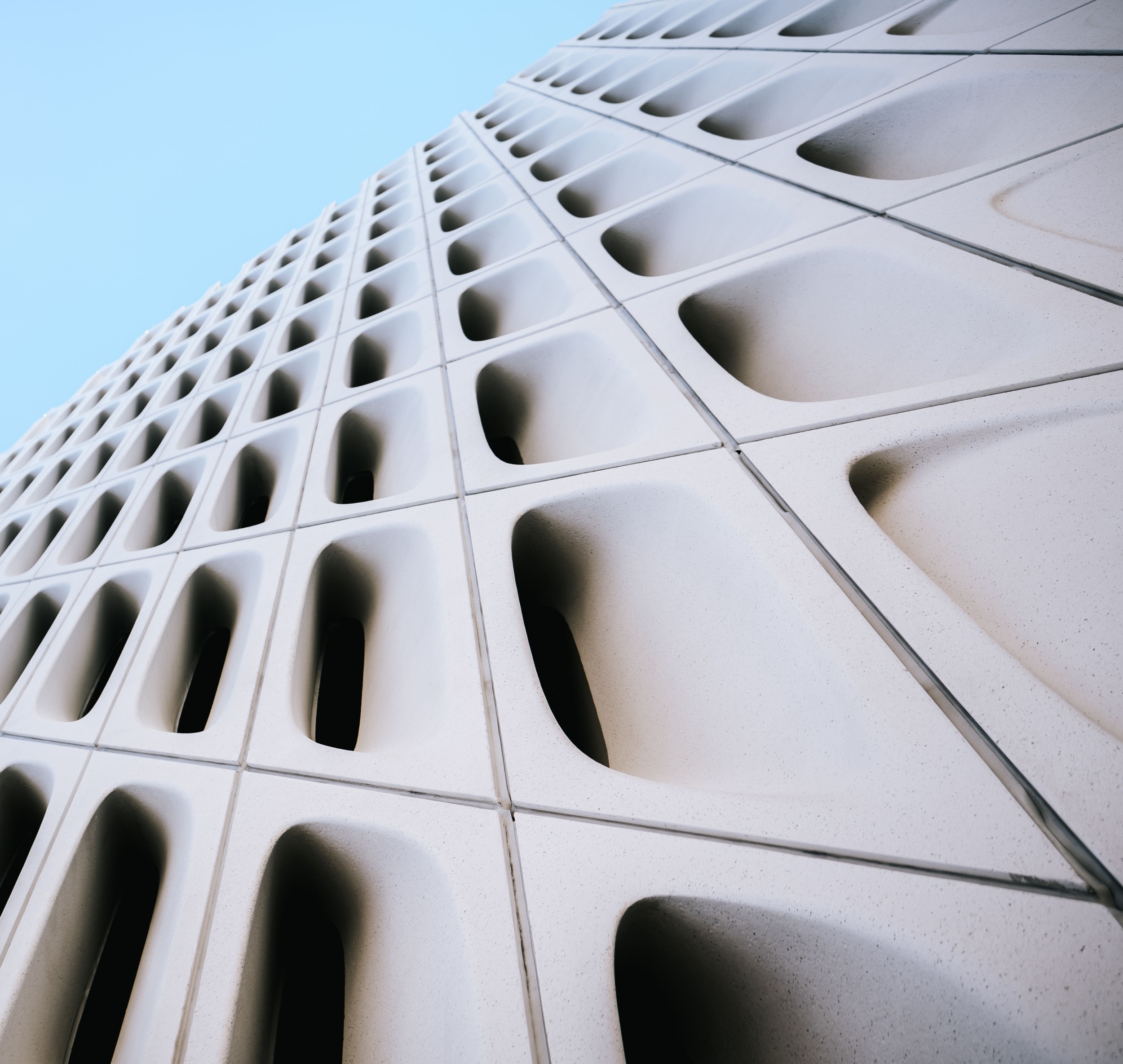
On one side, the Continental, honest and legitimate in its colonial costume; on the other, the Park Hyatt and its sixties concrete, tropical-modernist edition.
Just wait until you push open the door.
Inside, it’s Saigon, 1963–1972.
Armchairs and banquettes in dark wood, with taut lines.
Warm tones balancing the structural coldness of the concrete.
Sculptural light fixtures.
Contemporary lacquerwork.
Color photographs of Saigon.
Vietnamese movie posters.
Vinyl records.
Sixties typography.
A few original modernist pieces.
Geometric motifs inspired by the screens.
Not a museum.
A living hotel.
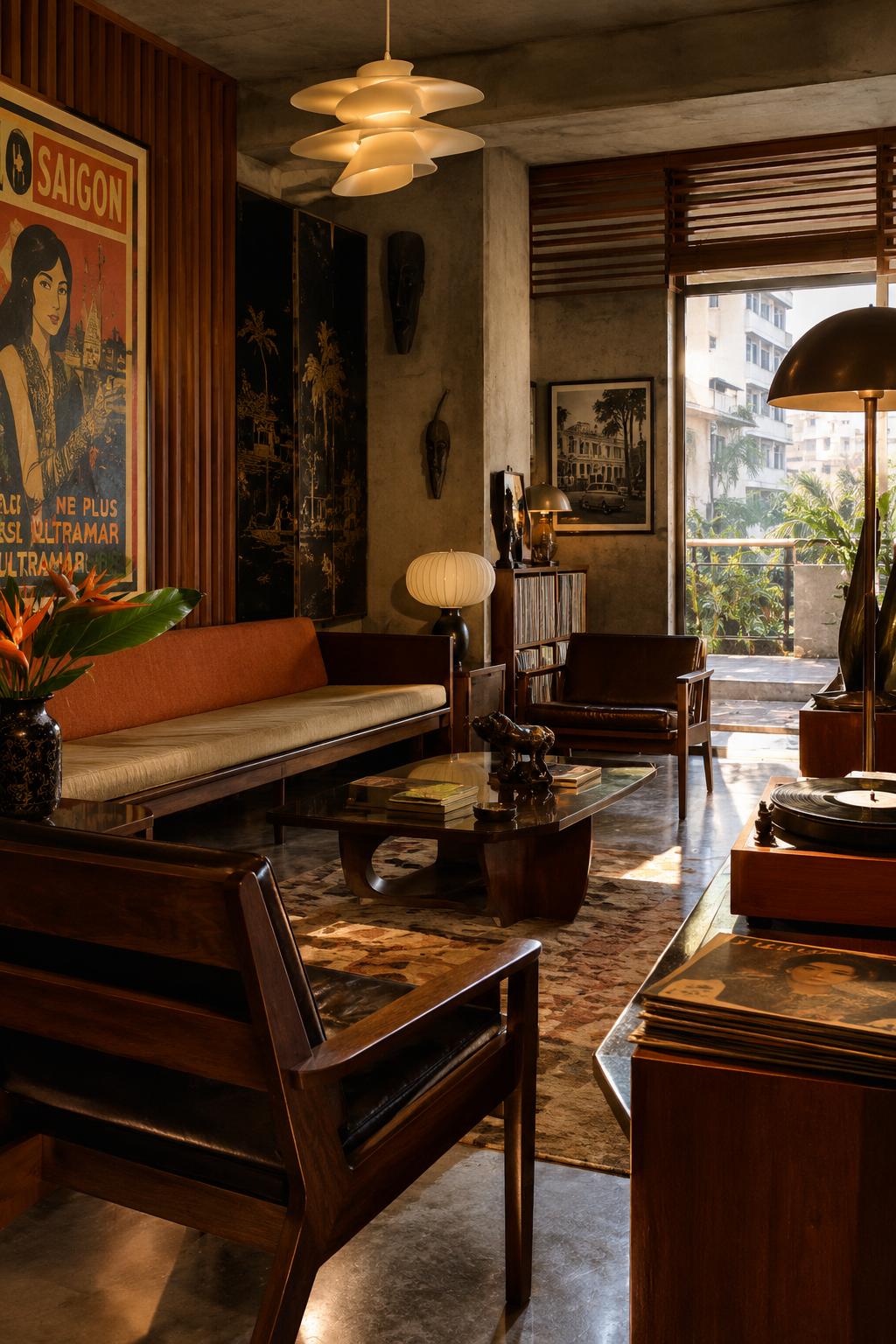
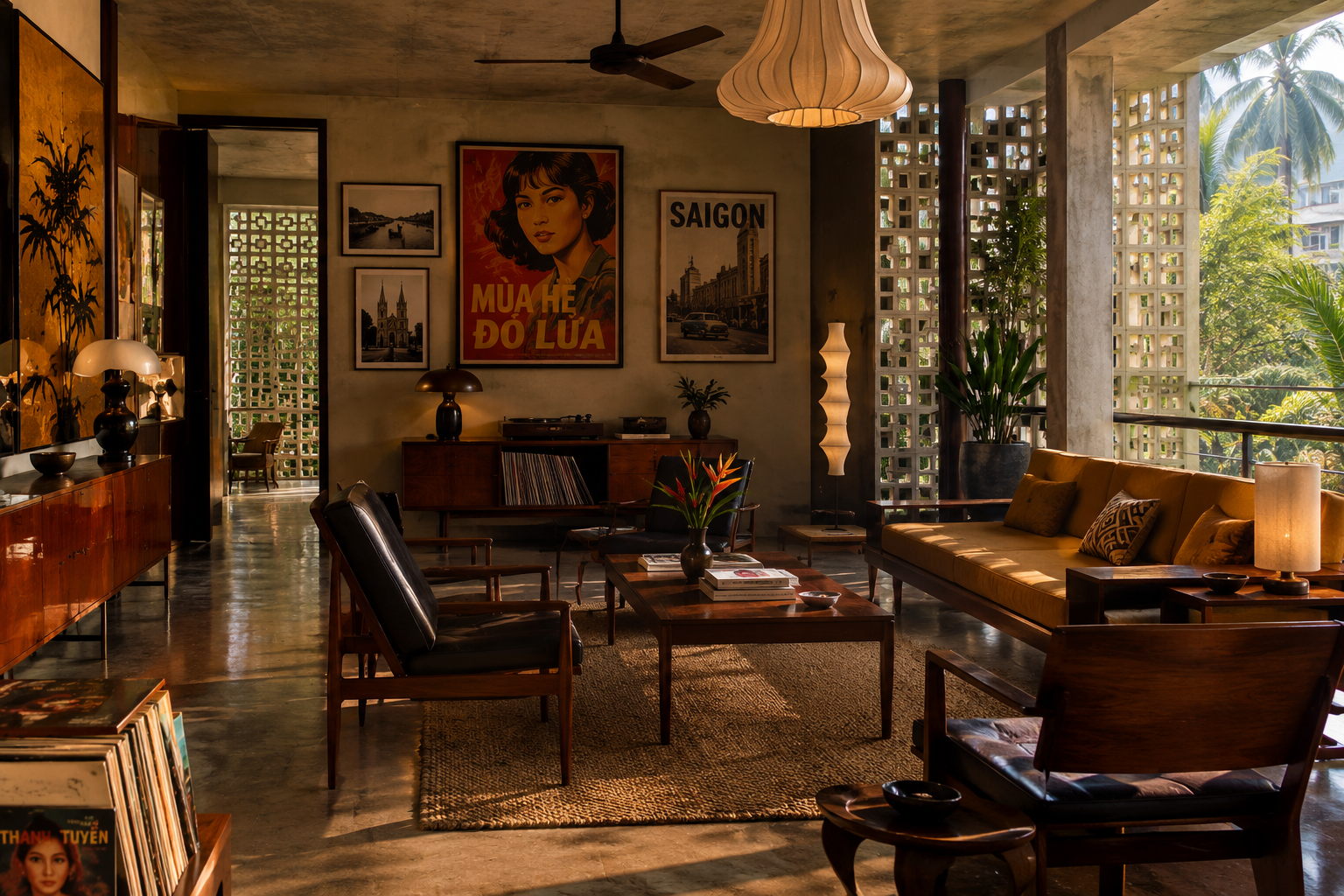
The luxury would have been in the quality of the materials, the proportions, the light, the furniture and the artworks.
And above all, it would have told a far more interesting story.
A modernist Park Hyatt could have said: “Look at what Saigon became after colonization.”
And that, architecturally, historically and intellectually, is a whole lot stronger.
Because Saigon modernism is precisely a story of emancipation and looking toward the future.
The result would probably have been far less like a washed-out Indochina postcard.
And a lot more Saigon.
Above all, it would have been an architecture the other hotels couldn’t copy so easily.
Colonial? Everybody does it.
Modernist Saigon? Nobody.
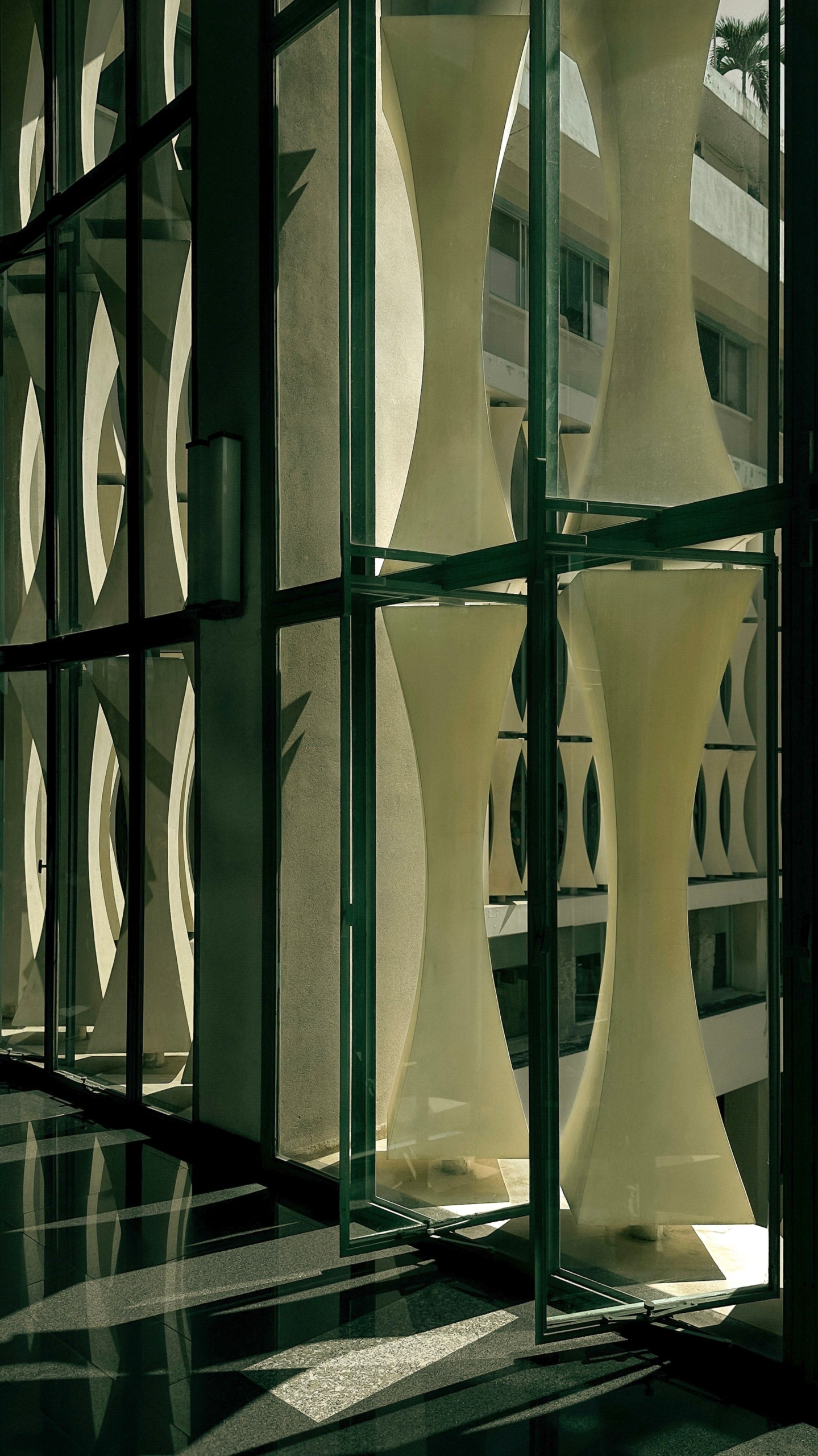
Nobody pays $500 a night to stay in a glorified 1965 South Vietnamese ministry. You call it lazy neo-colonial pastiche; we call it high ceilings, ice-cold AC, and a proper dry martini away from the humidity.
If I wanted raw street noise and concrete sunbreakers, I’d rent a moped and sit on a plastic stool. Leave the architectural lectures to the academics and let us enjoy the oversized chandeliers in peace!