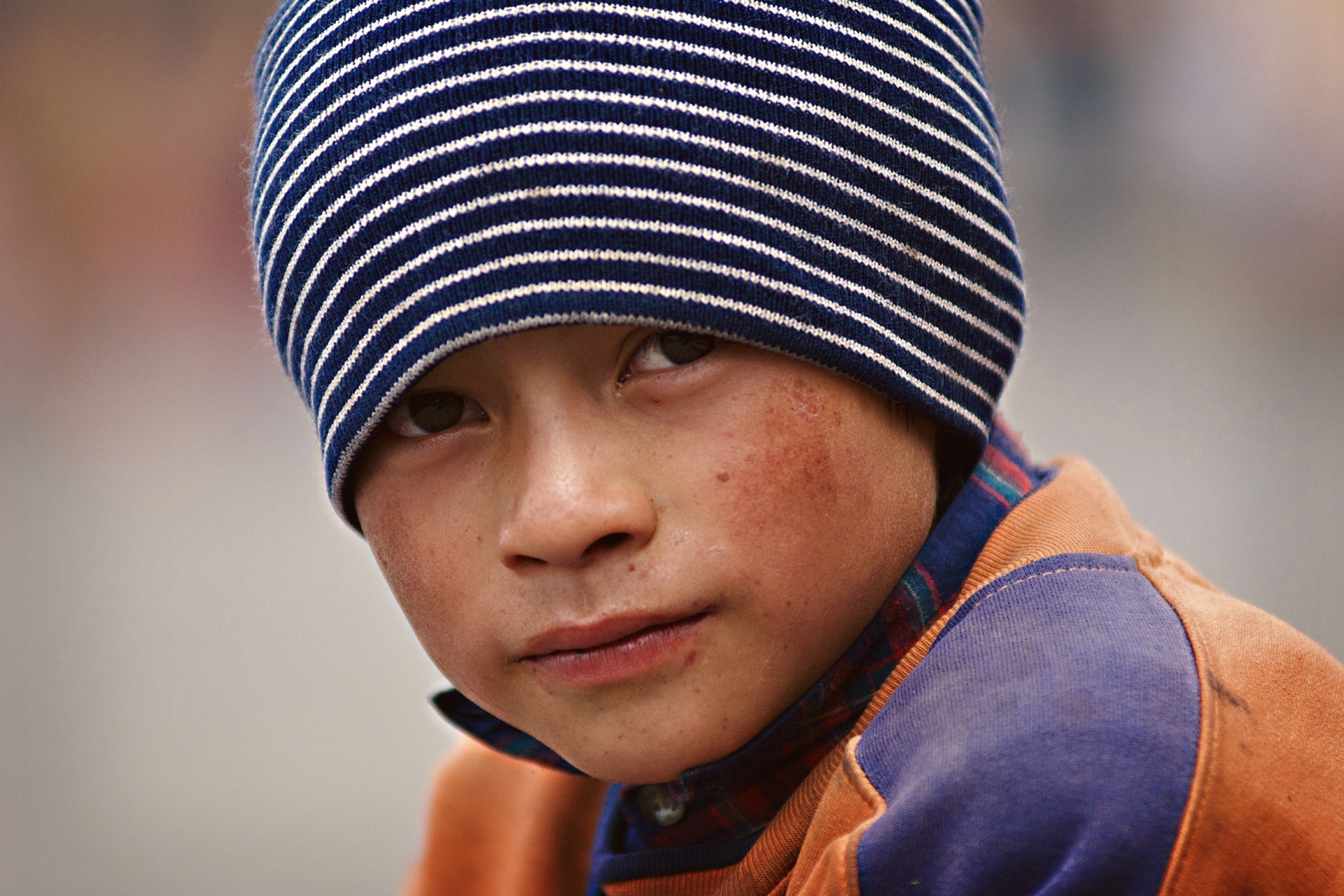
Sapa is the kid adopted by the colonial bourgeoisie, raised in the cool air of French sanatoriums in the early twentieth century.
At first, the boy had it all going for him.
A hill station dreamed up as a chic refuge, lined with stone villas, a neo-Gothic church, and an alpine climate a world away from Hanoi’s mugginess, Sapa was cast as the prodigal son of a good family.
Then the adoptive parents packed up and left.
The kid dragged his boredom and heartbreak around for decades.
Then came the tourism boom of the 2000s, and with it, the bad crowd.
That was when the whole thing went off the rails.
A Not-So-Virtuous Cradle
Scratch the chic varnish off those colonial-era sanatoriums and Sapa’s cradle wasn’t exactly spotless.
Peel away the white paint on those old villas and the family portrait already looks pretty damn ugly.
Before it became a resort town, Sapa was a forward military post, planted there to lock down the frontier and crush uprisings.
Then they turned it into a sealed-off bubble, designed to shield the white colonizer’s body and mind from the heat, fevers and germs of the lowlands.
An aristocratic enclave, too, built on the forced labor of local people, hauled up the mountains to hack roads into the slopes with their bare hands.
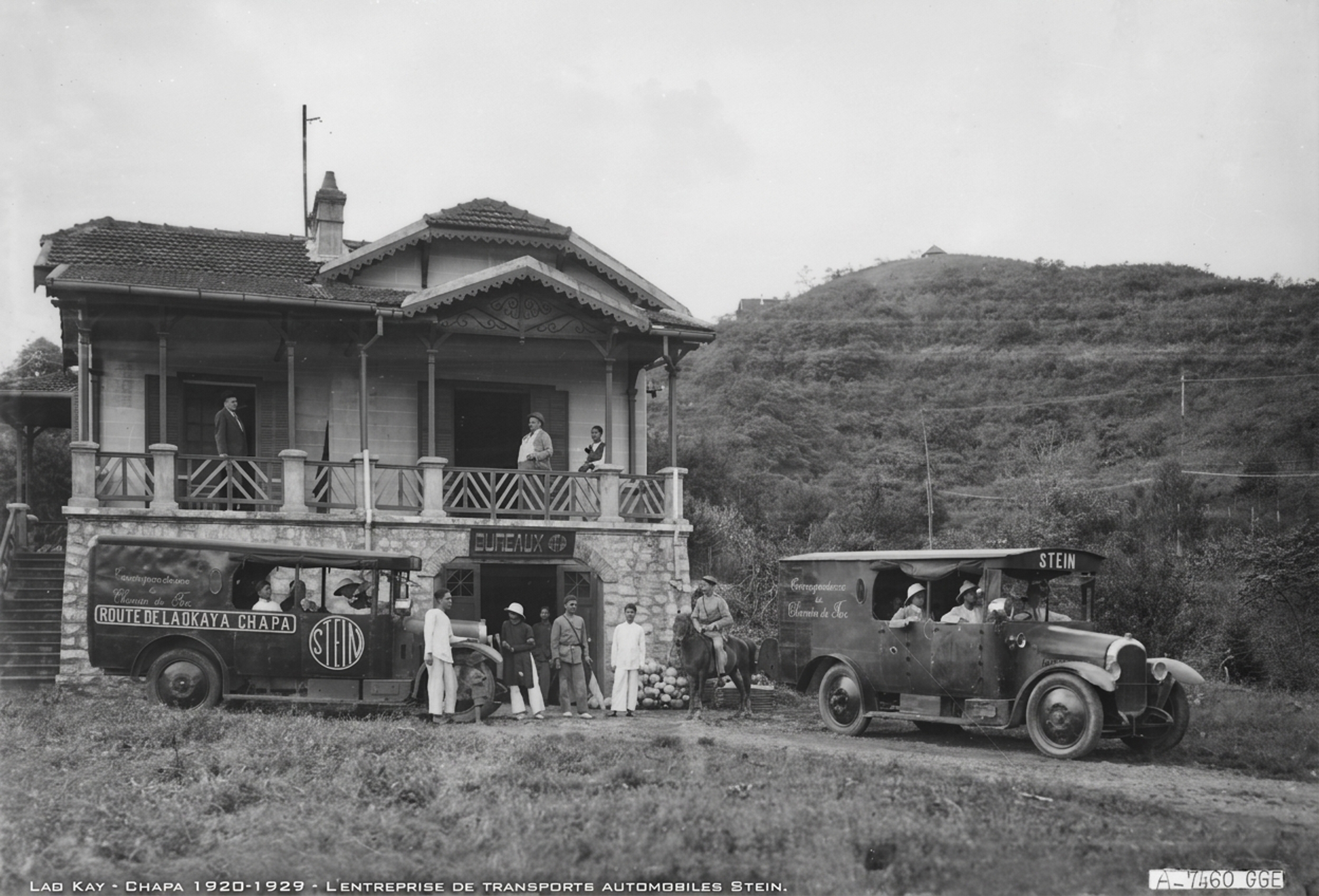
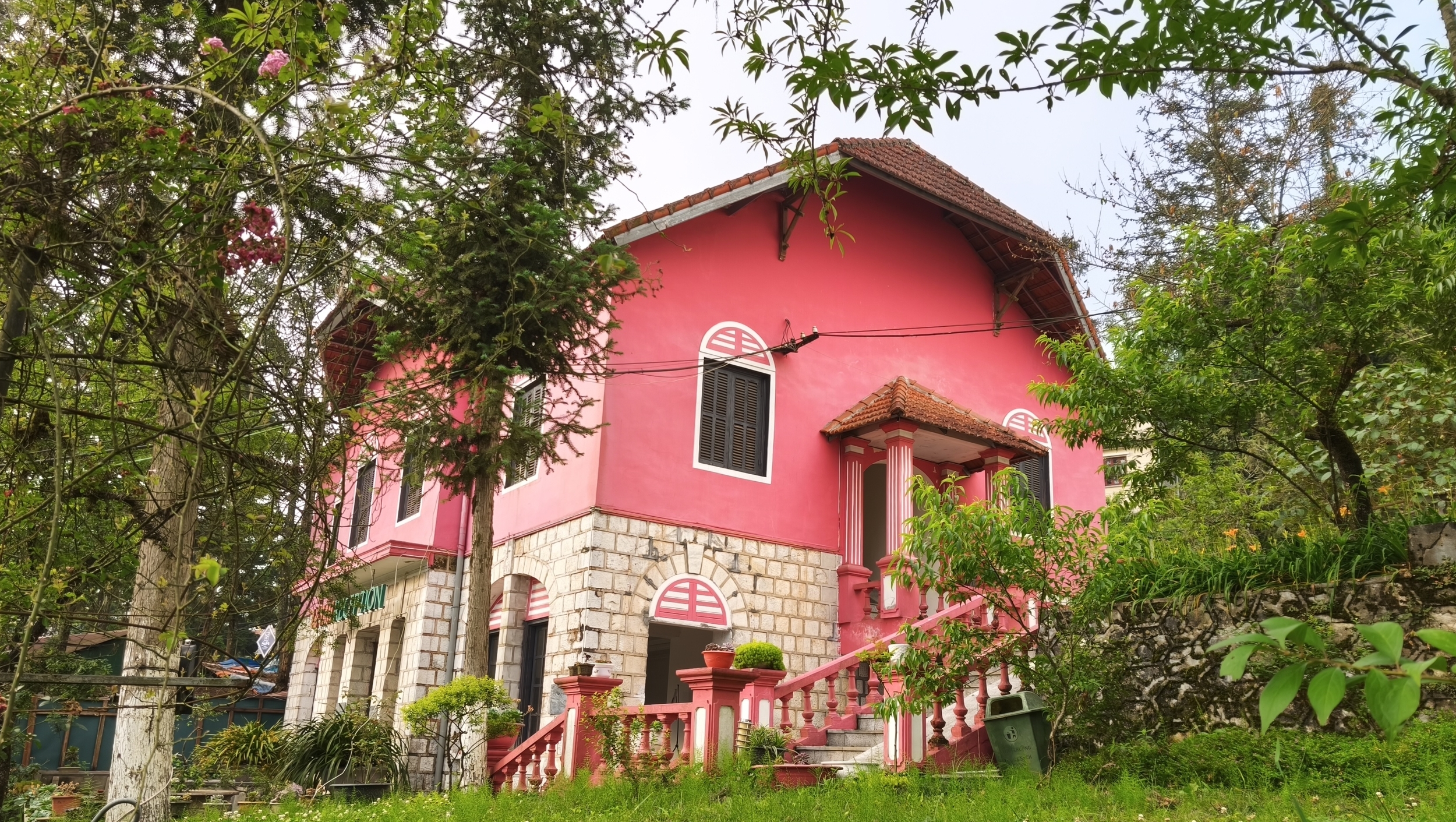
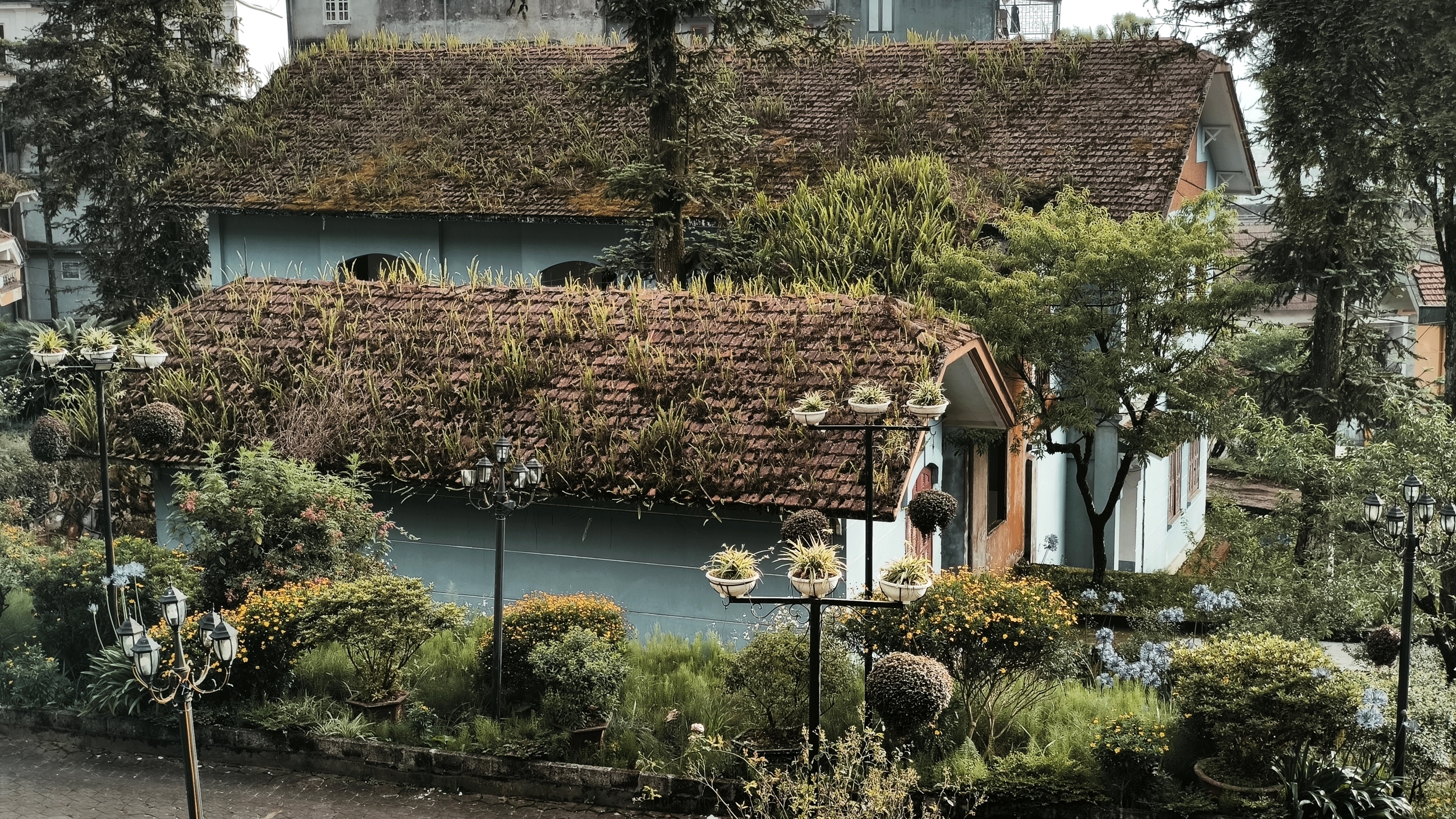
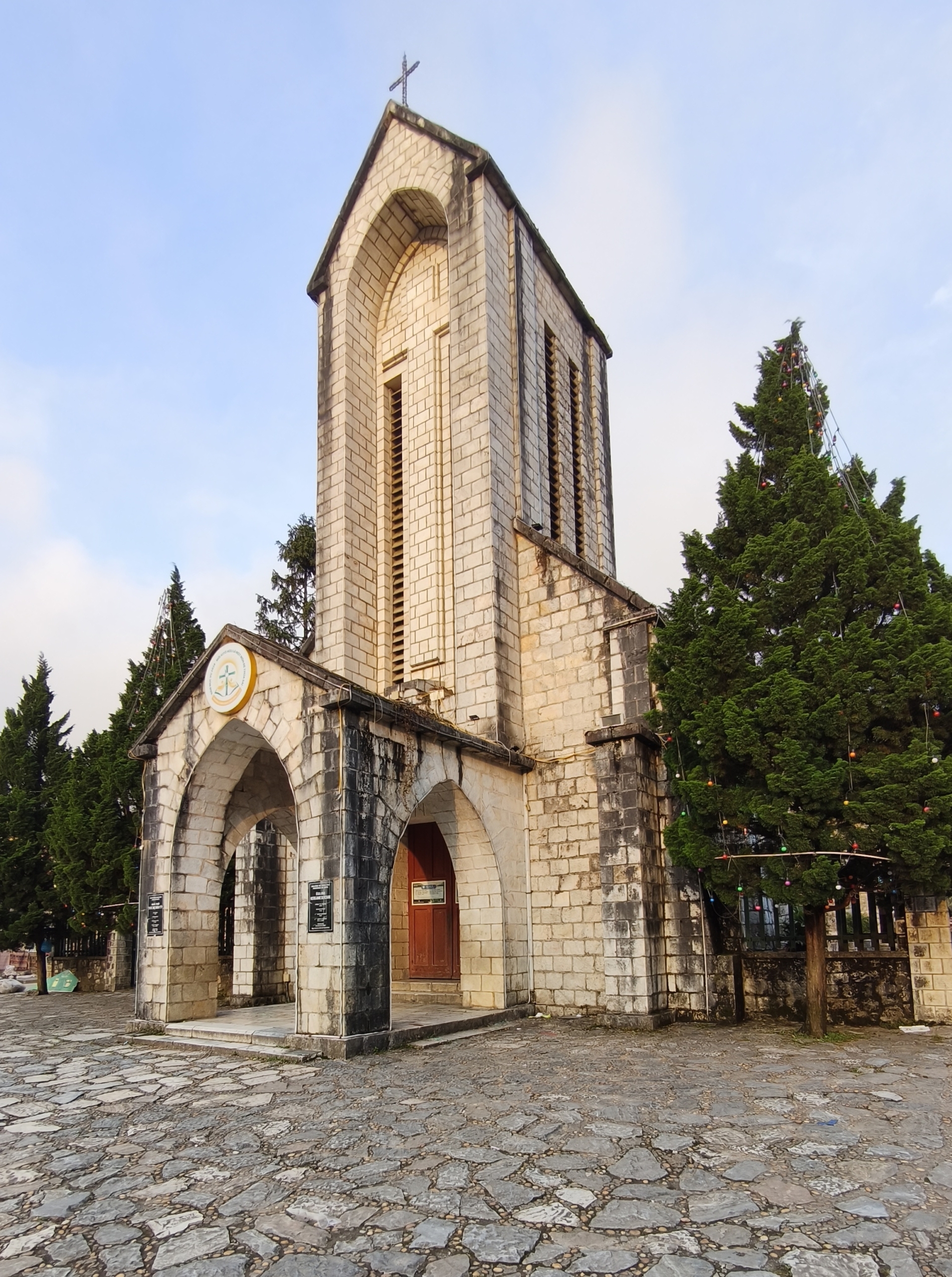
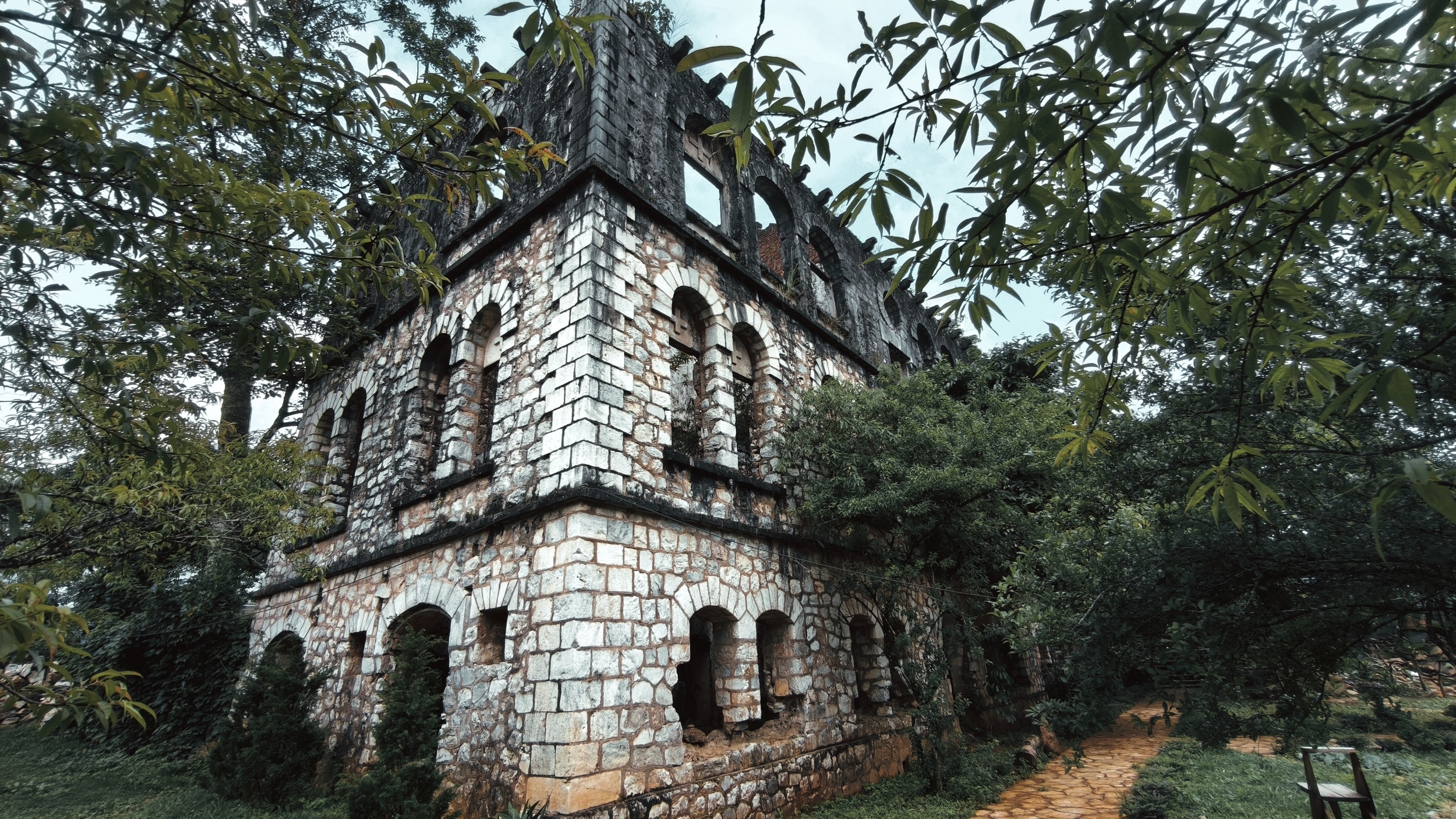
And long before the Gore-Tex crowd arrived, the region’s colonial prosperity rested heavily on the opium monopoly. Highland communities were squeezed dry to feed the French state’s lucrative trade.
That clean mountain air, it turns out, had the distinct taste of compromise, trafficking and blood.
The Abandoned Kid’s Revenge
Can you really blame him — this kid everyone thought had been raised right?
Not really.
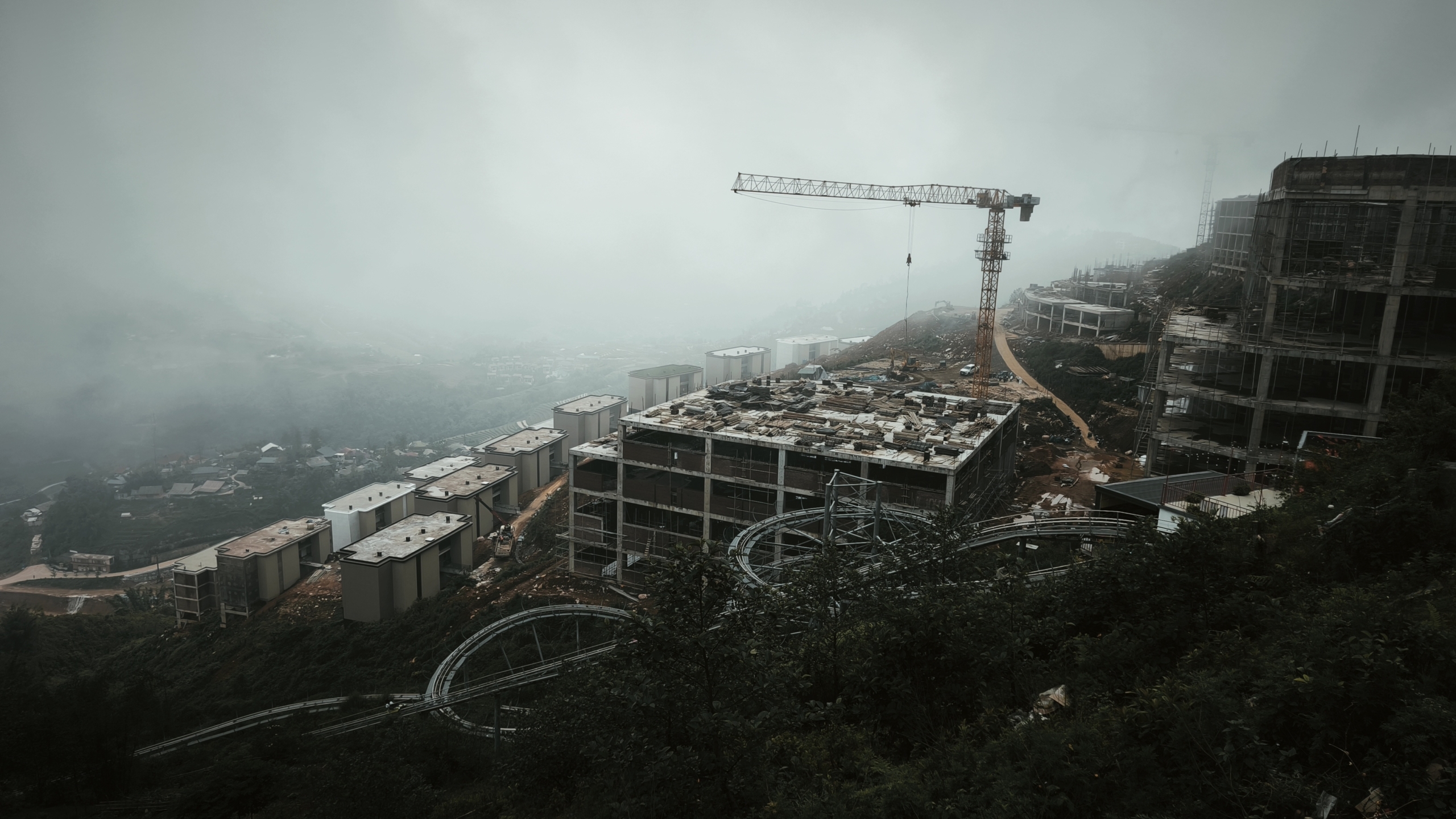
Left to himself for nearly half a century, dreaming of becoming a fashionable hill station again, he fell in with developers, tour operators, mega-hotels and bulldozers.
They weren’t there to raise him right. They certainly weren’t interested in reminding him of the manners he’d been taught as a child.
They just wanted to wring him dry.
Get every last drop out of him.
And so Sapa turned into one sprawling amusement park, throwing off its good-colonial-boy uniform and swinging hard in the opposite direction.
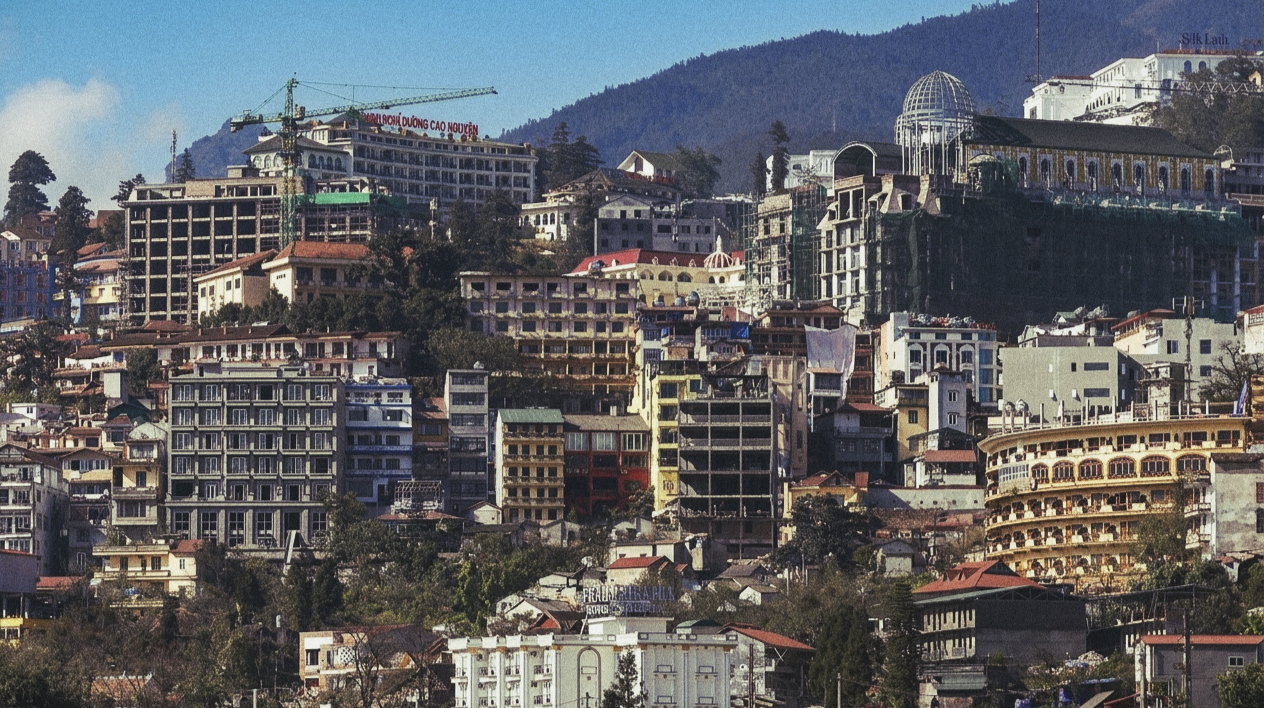
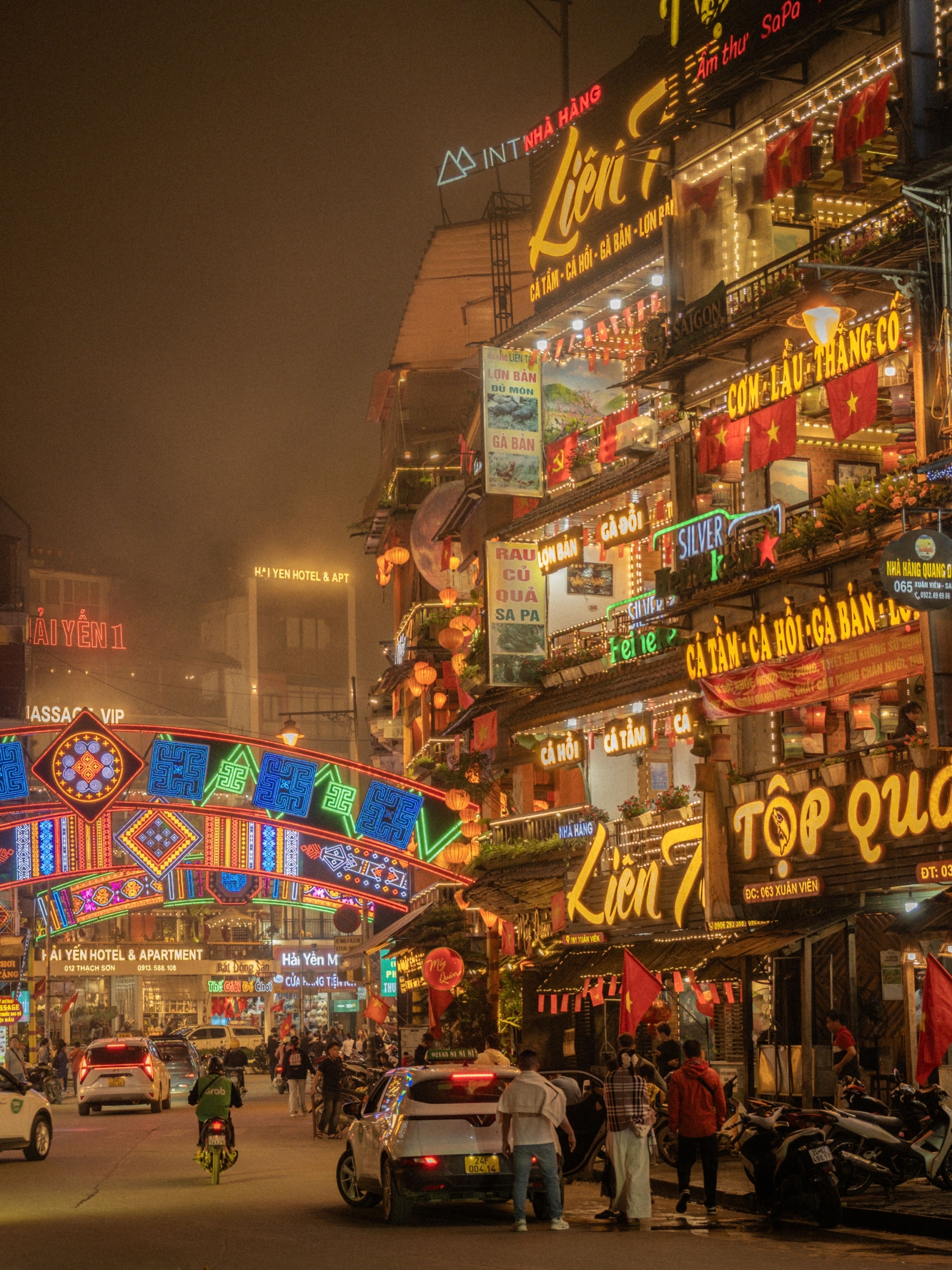
A bitter kind of revenge.
Bourgeois nostalgia and sacred nature fed into one shameless cash machine.
Blowback.
The child who grew up too fast now suffers from asthma.
Born to breathe clean mountain air, the kid now coughs up cement phlegm.
The Story Packed Away in a Louis Vuitton Trunk
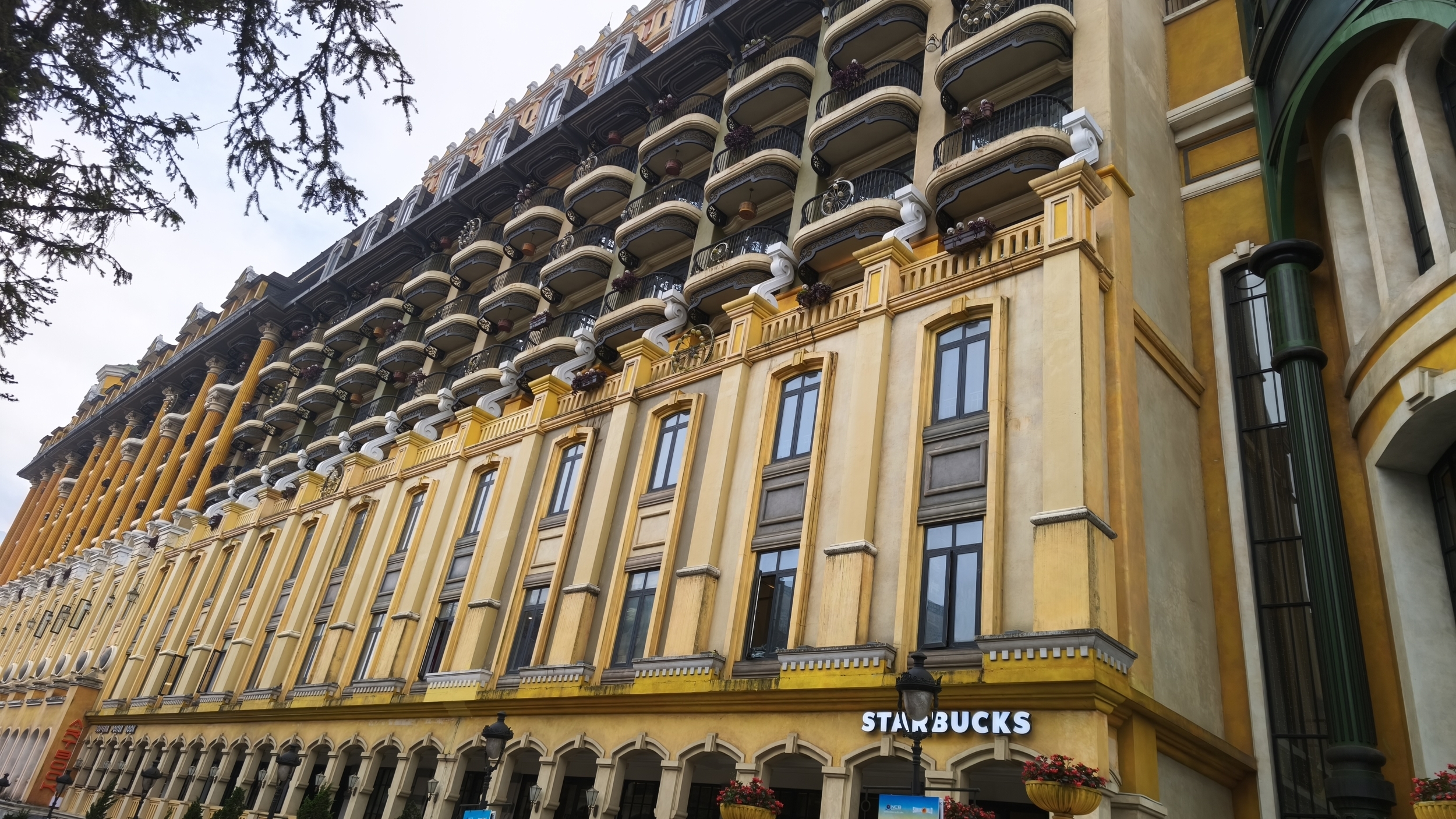
To tell his life story, they built him a palace.
Massive. Straight out of a fantasy Indochine.
Not to tell the story of where he really came from.
No.
To celebrate the occupier’s exquisite taste, Parisian haute couture and the colonists’ grand art of living.
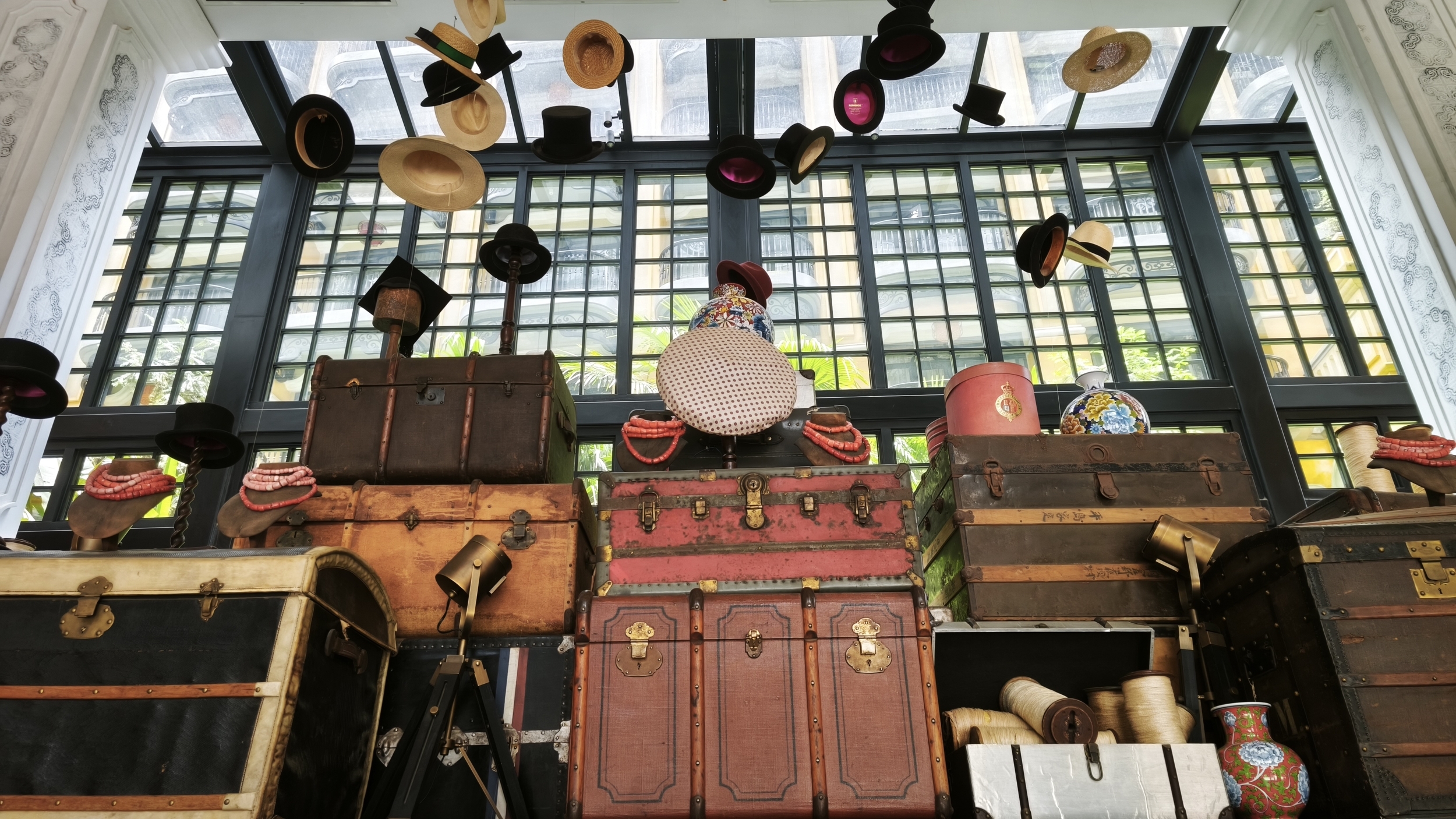
The traveler’s trunks are put on display.
The hats.
The boots.
The suits.
The grand art of living of people who traveled with slaves to carry their luggage.
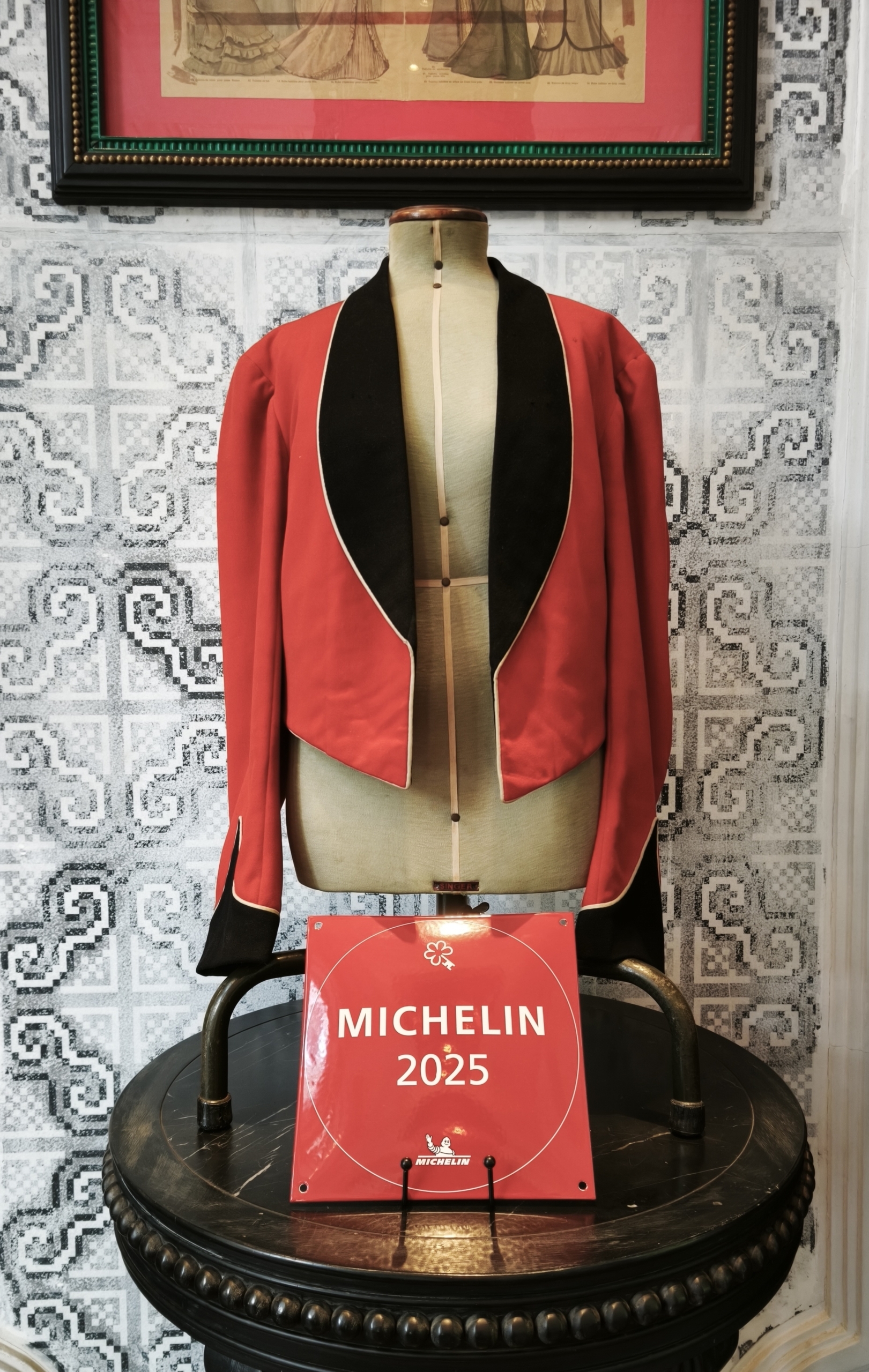
Mountain craftsmanship?
Shoved into a supporting role.
Here, in these mountains where people still weave, embroider, dye and sew with staggering skill, the hotel’s grand aesthetic narrative chooses to tell the story of highland clothing — from Paris.
Hmong and Dao women spend weeks dyeing hemp in indigo until their hands turn blue for life, embroidering geometric patterns that carry generations of memory.
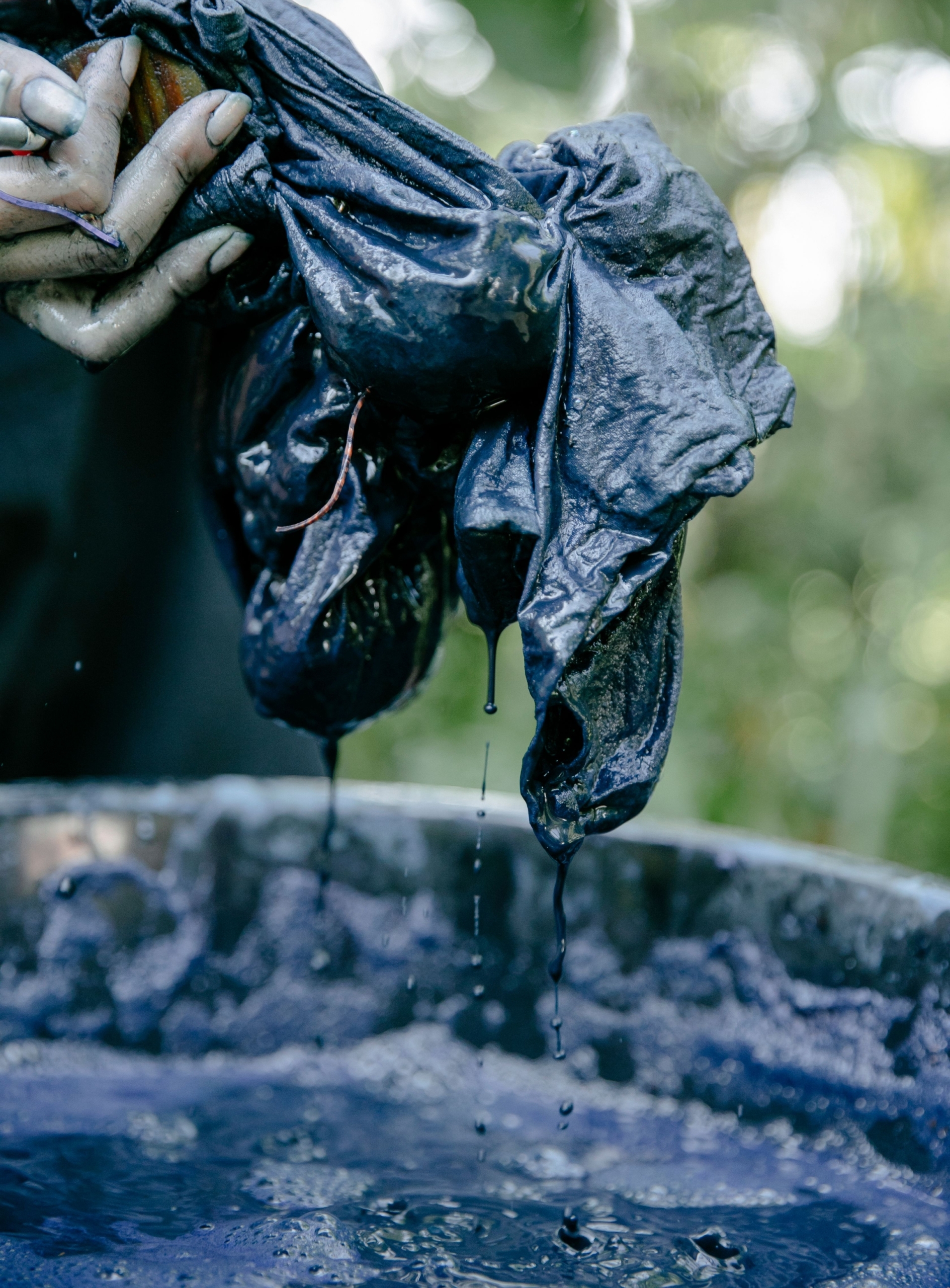
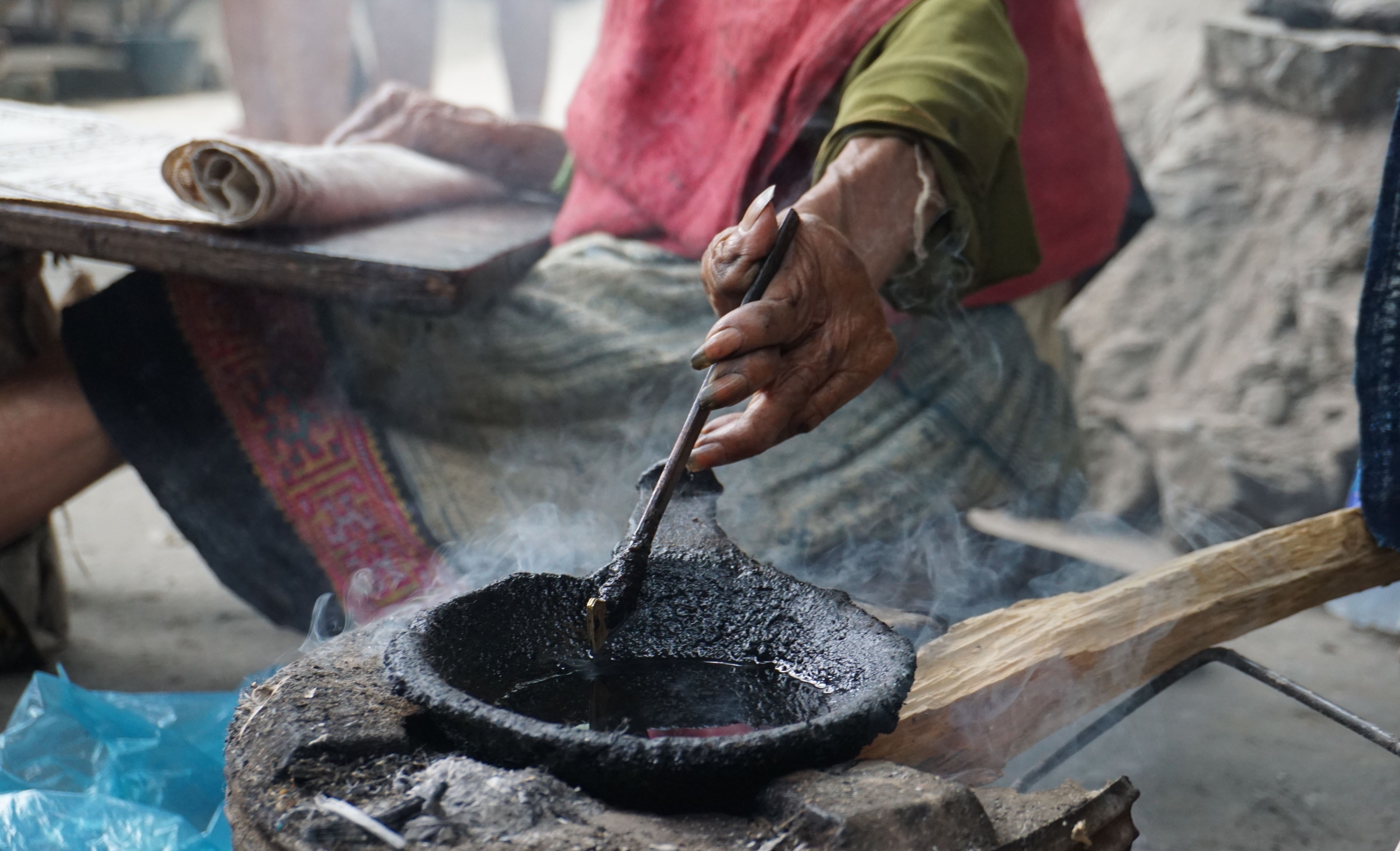
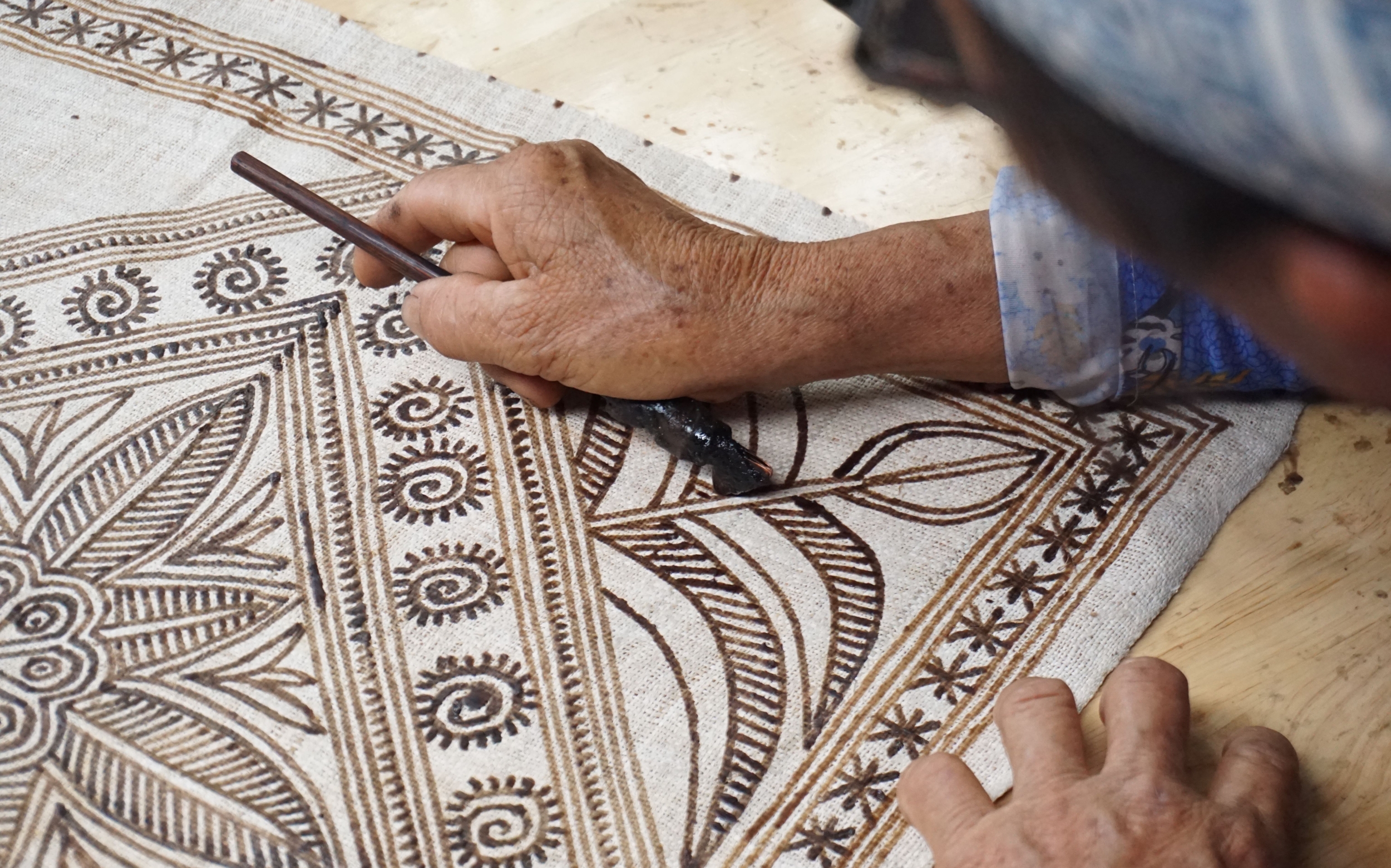
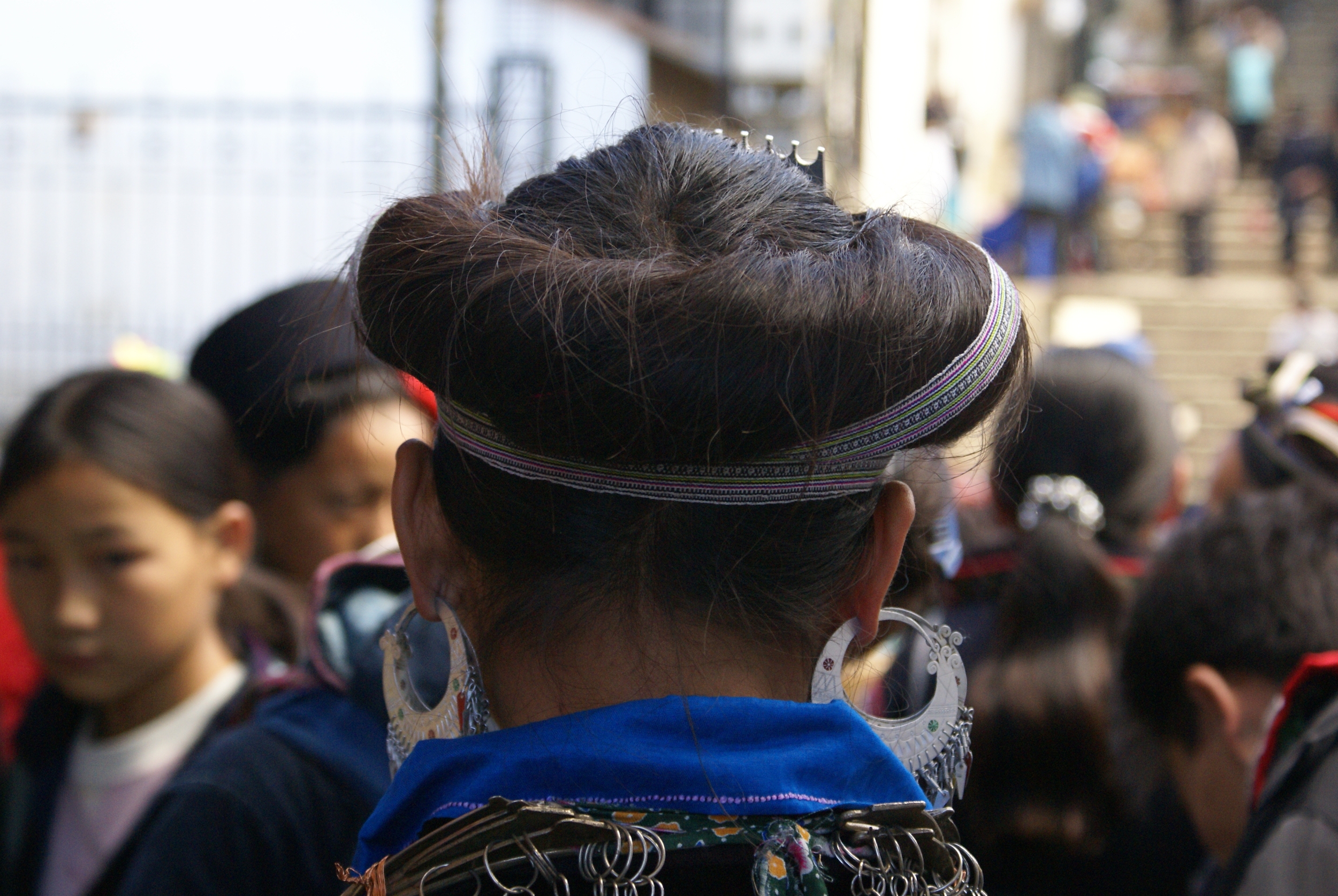
Yet in the palace lobby, their craft is reduced to a throw pillow for tourists in knockoff North Face jackets.
Poor kid.
He really never catches a break.
And Yet.
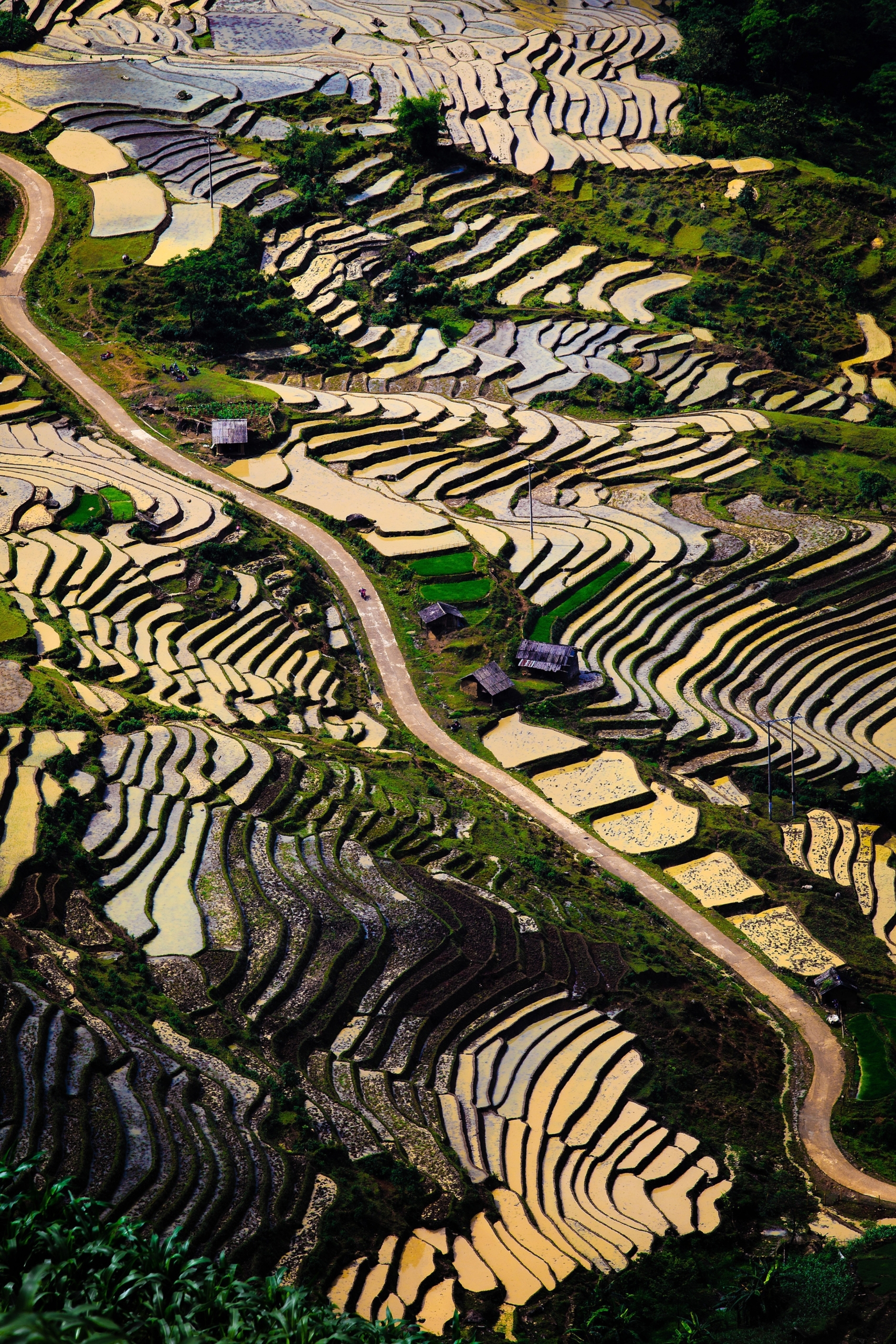
Drive ten kilometers out. Escape the racket of downtown. And the kid starts getting some of his breath back.
There, barefoot in the rice paddies, he plays you a tune on the khène.
His eyes drift into the distance: a path, a house, a few water buffalo, a woman working her field.
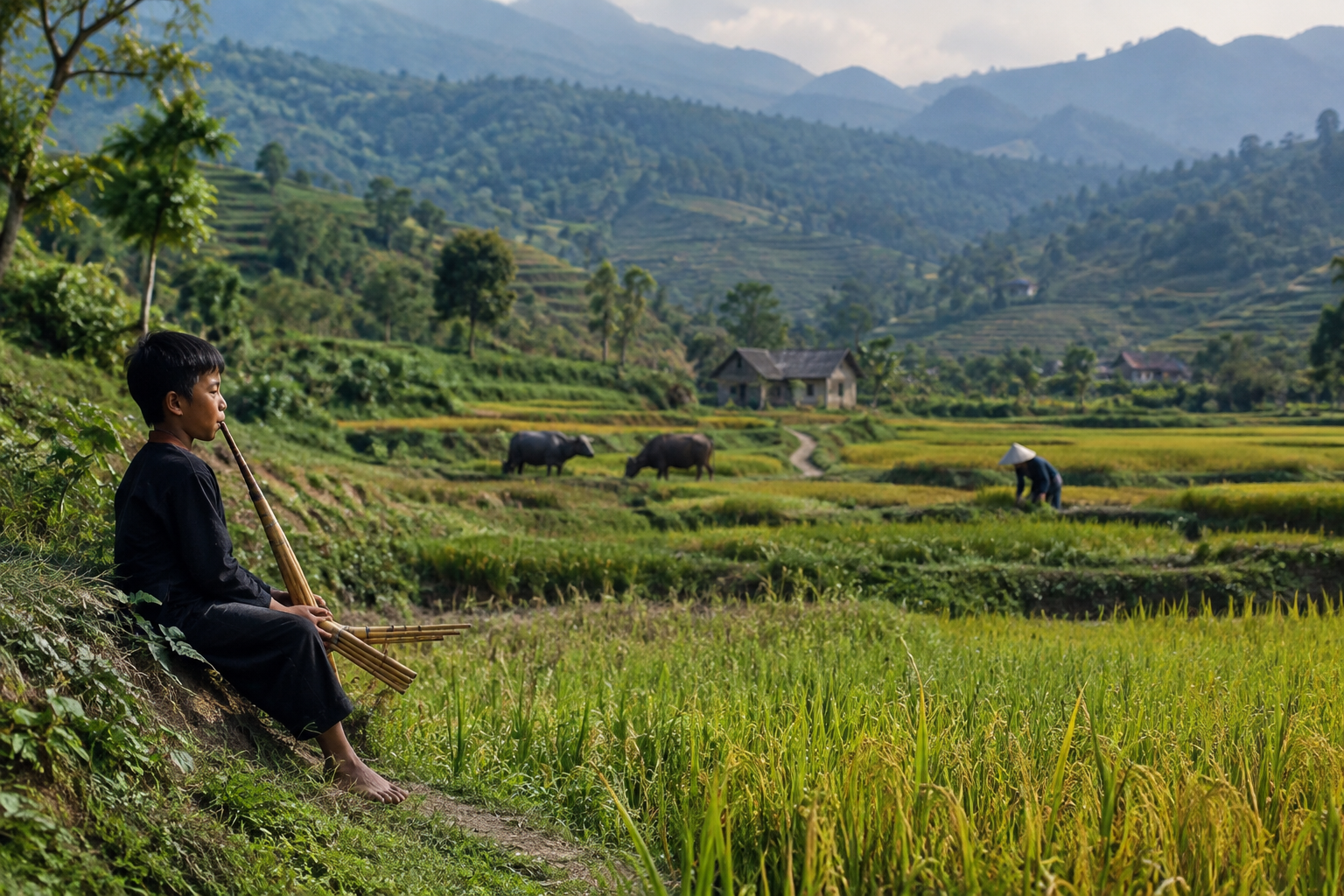
The mountains take back what is theirs.
Sapa stops being a tourist destination.
It becomes a territory again.
Maybe that’s where the kid is still at his most beautiful.
When his hands are no longer carrying the colonizer’s trunks or running the cement mixer.
But instead tracing, across the slopes, a subtle geometry nobody ever had to invent for tourists.