
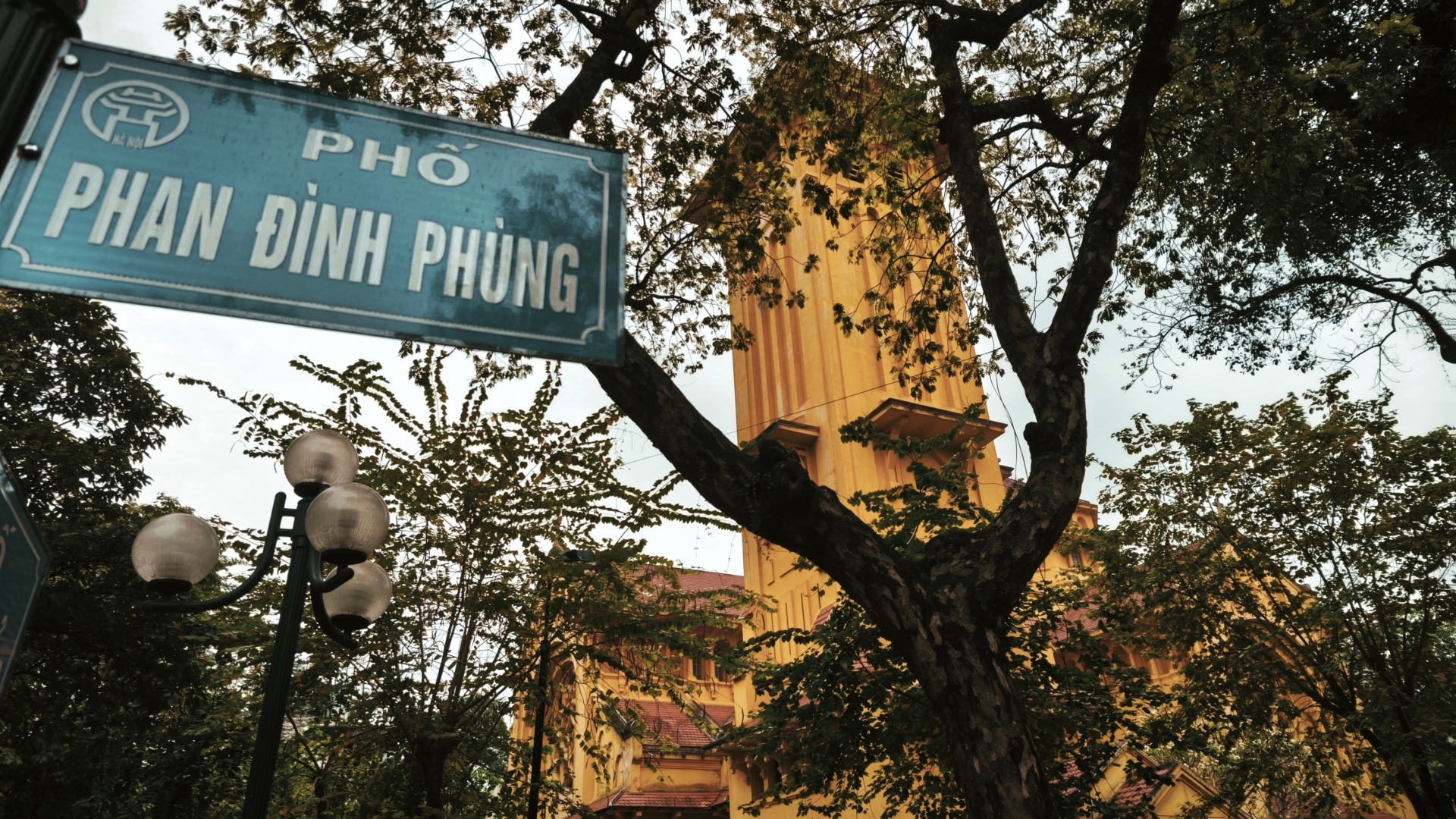
Forget the spotless facades and the photos in front of bikes piled with flowers.
Phan Dinh Phung isn’t interesting because it’s a pretty avenue or the perfect backdrop for influencers.
It’s a real fairground haymaker, thrown square into the belly fat of colonial pride.
It used to be Avenue Carnot, the backbone of French power in Indochina, ruled straight as a plumb line to flaunt the grandeur, the order and the arrogant permanence of the Empire.
Today, that same artery bears the name of Phan Dinh Phung, the scholar-turned-insurgent, warlord of the Cần Vương movement, who spent his life hunting down and decapitating colonial troops in the backcountry of Ha Tinh.
See the joke History is telling?
Sometimes Hanoi doesn’t even have to try to be insolent.
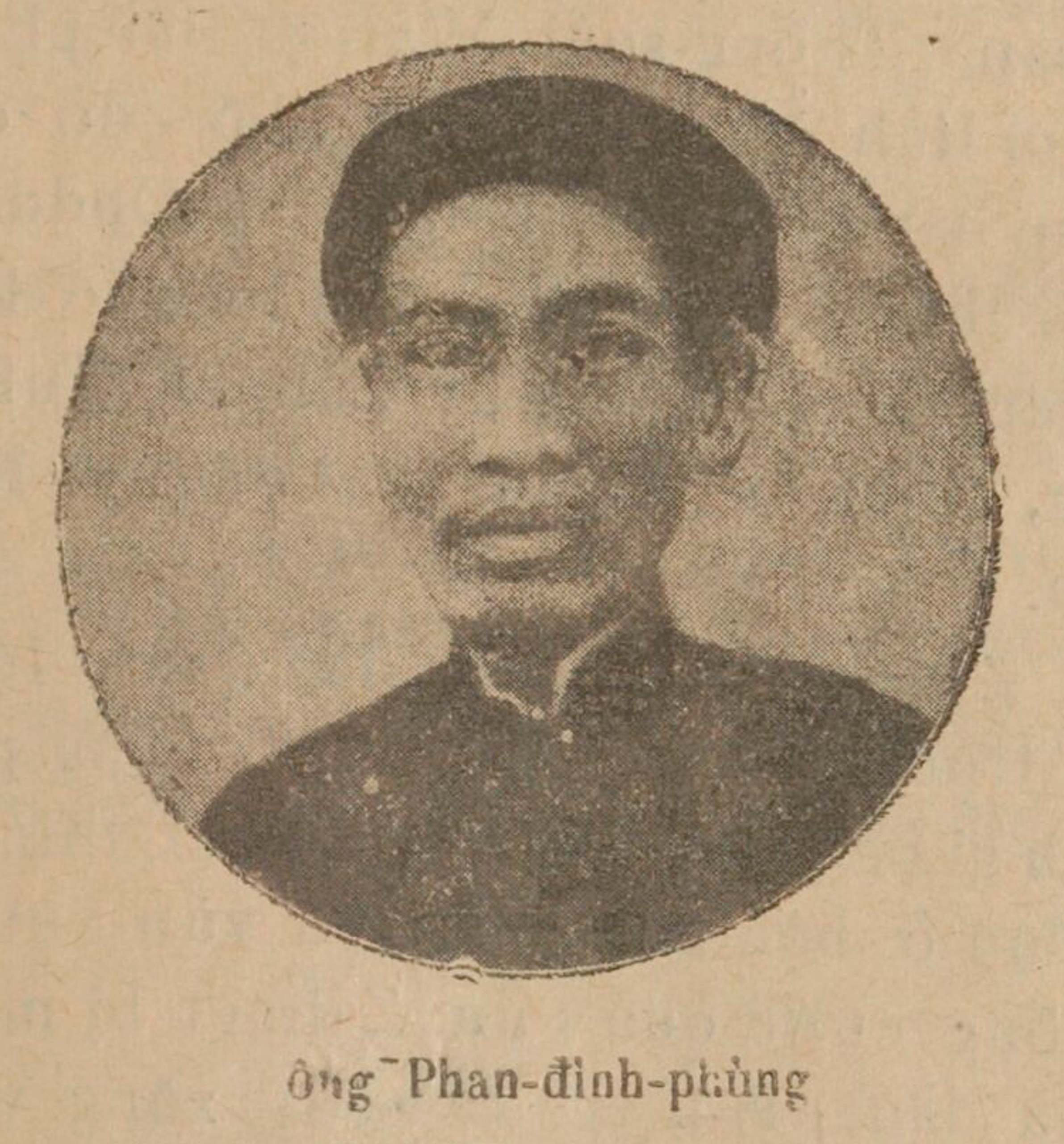
Unspool the ribbon of history
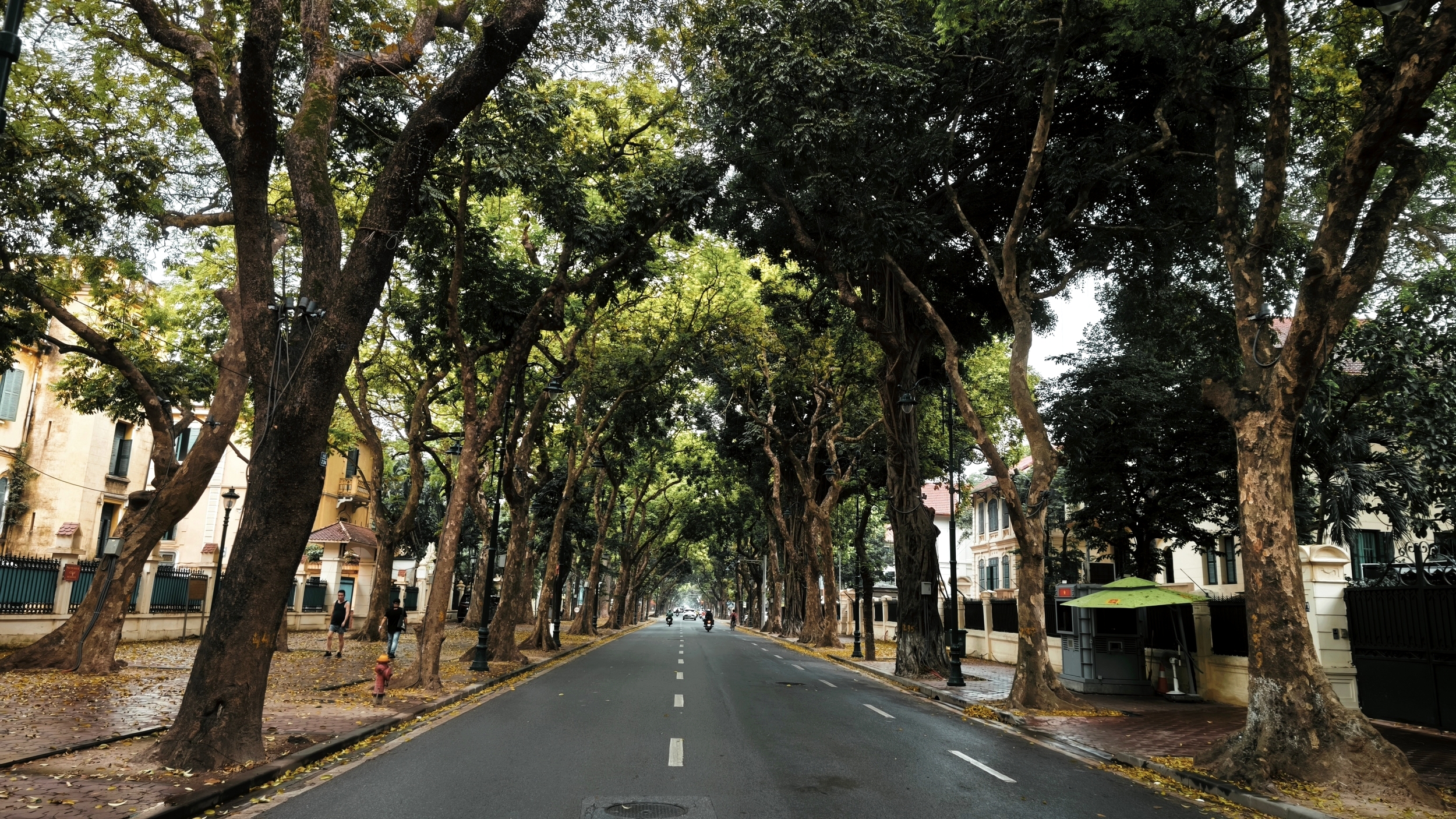
Over a kilometer of asphalt and heavy shade, the avenue unrolls several centuries of Hanoi before your eyes.
Not in a museum.
In the street.
At the very start, at the crossing with Hoang Van Thụ, stands the former Lycée Albert Sarrault, the forge of the colonial elite, native and French alike. On those benches, France meant to train its docile cadres.
The place hasn’t vanished. Only its owner has changed.
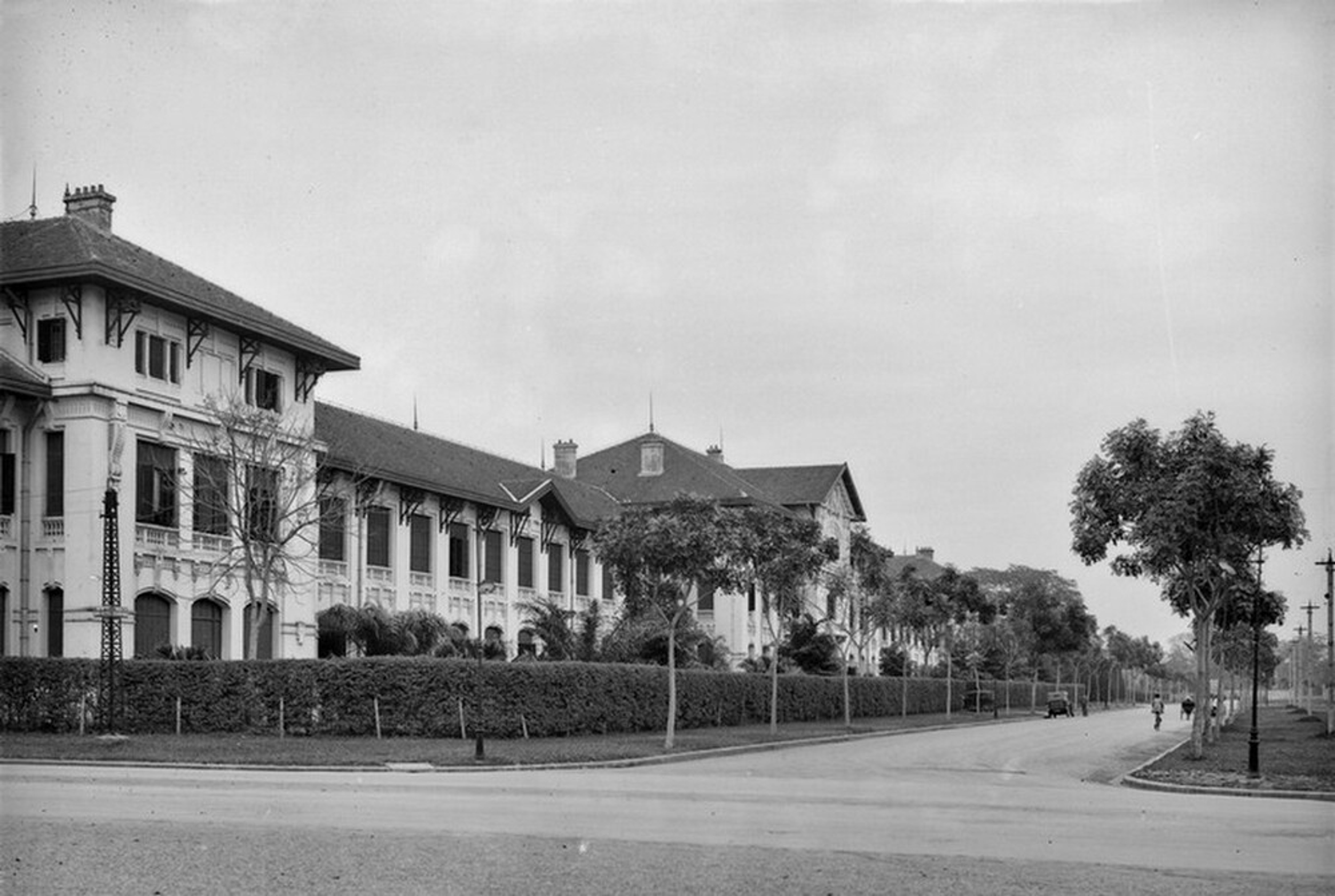
You keep walking.
A few dozen meters on, the facades start telling a different city.
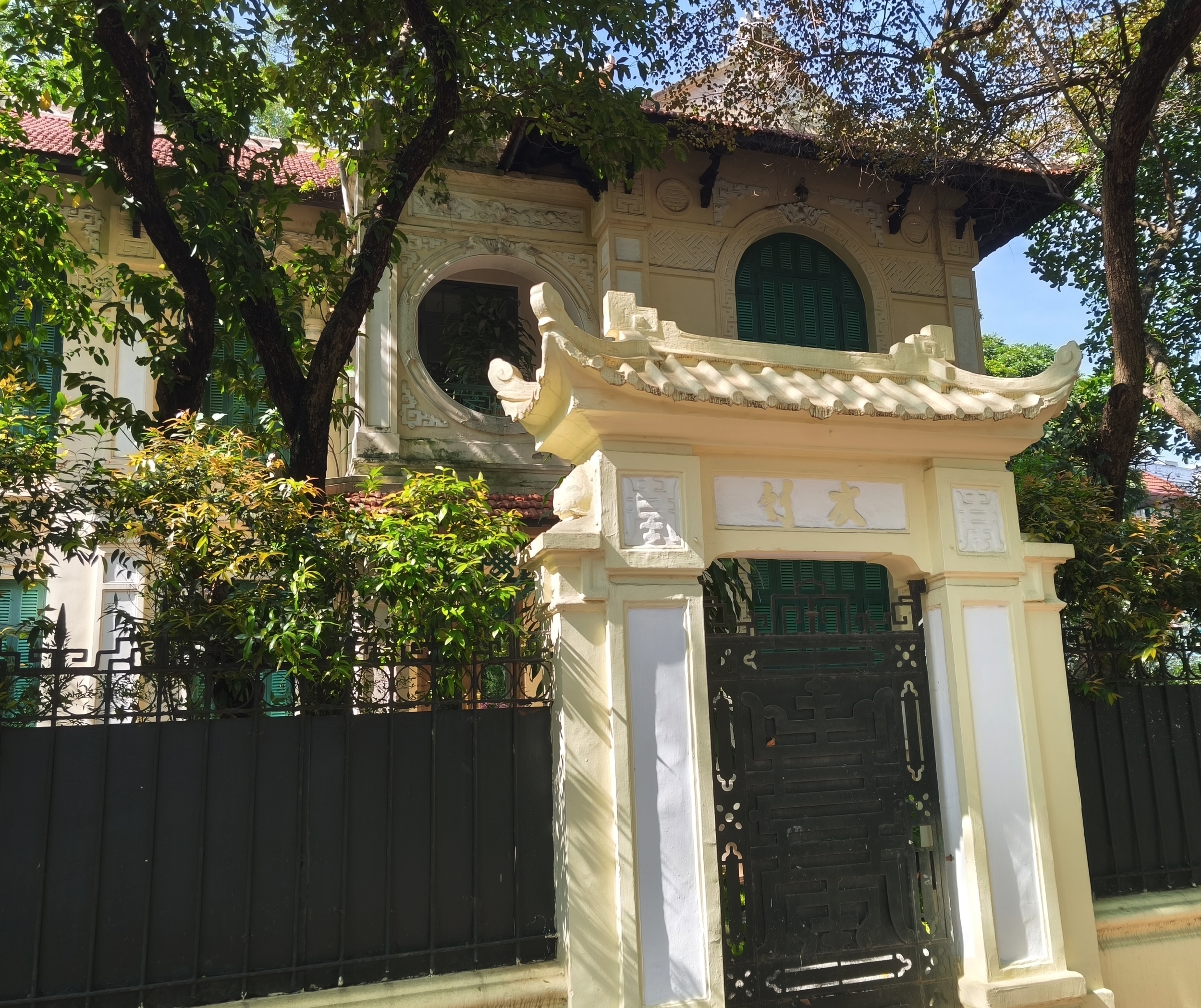
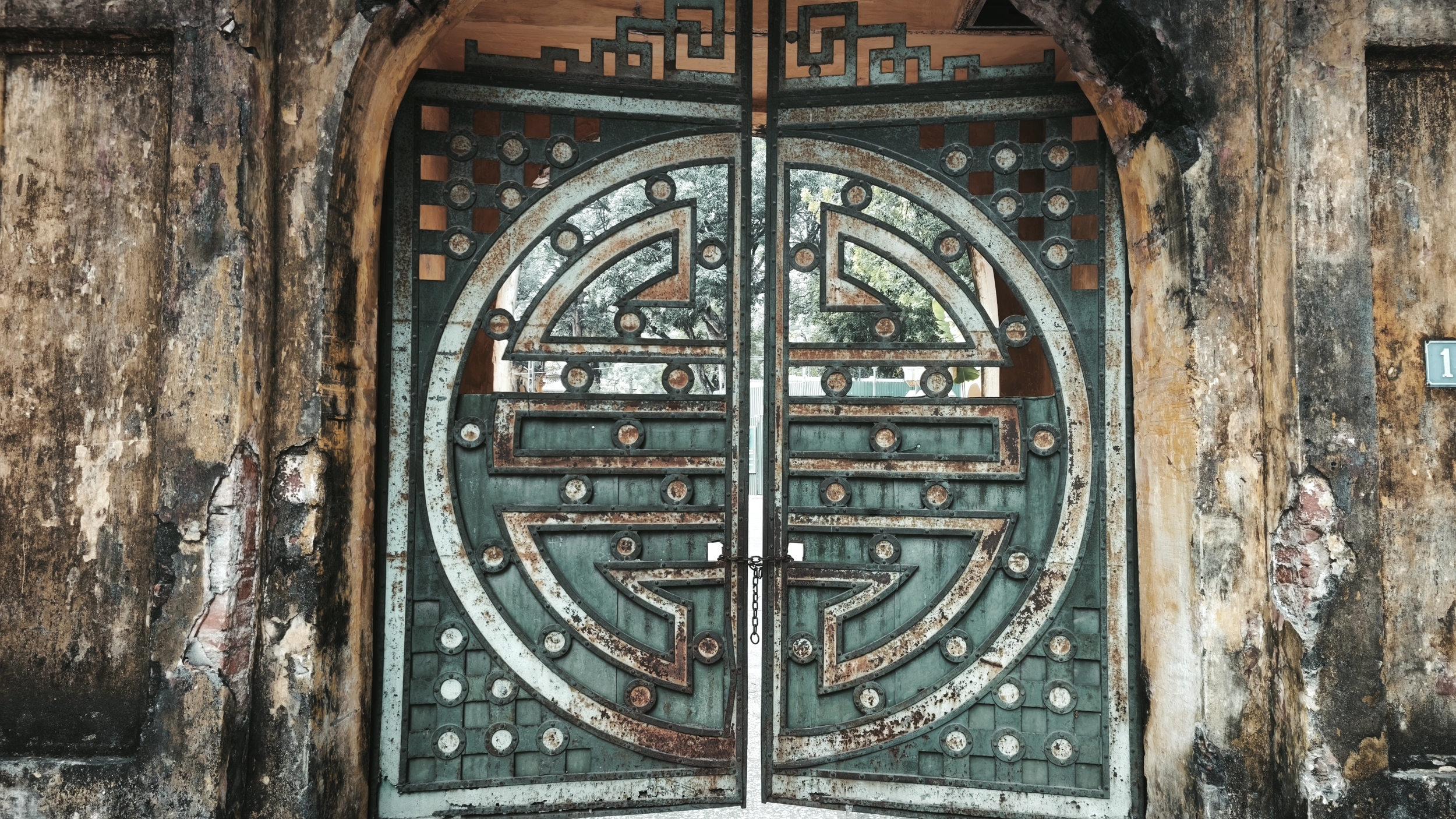
Villas, gardens, low walls, wrought-iron gates, architecture built to parade and to receive.
You climb on beneath the dark vault of the dracontomelons (cây sấu).
On your right, the blind walls of the Hanoi Citadel.
To cut this avenue through in the 19th century, French military engineers blew up the ramparts of a thousand-year-old imperial city without a shred of remorse.
Not just to open a road.
To gut the royal geomancy.
The civilizing mission, naturally.
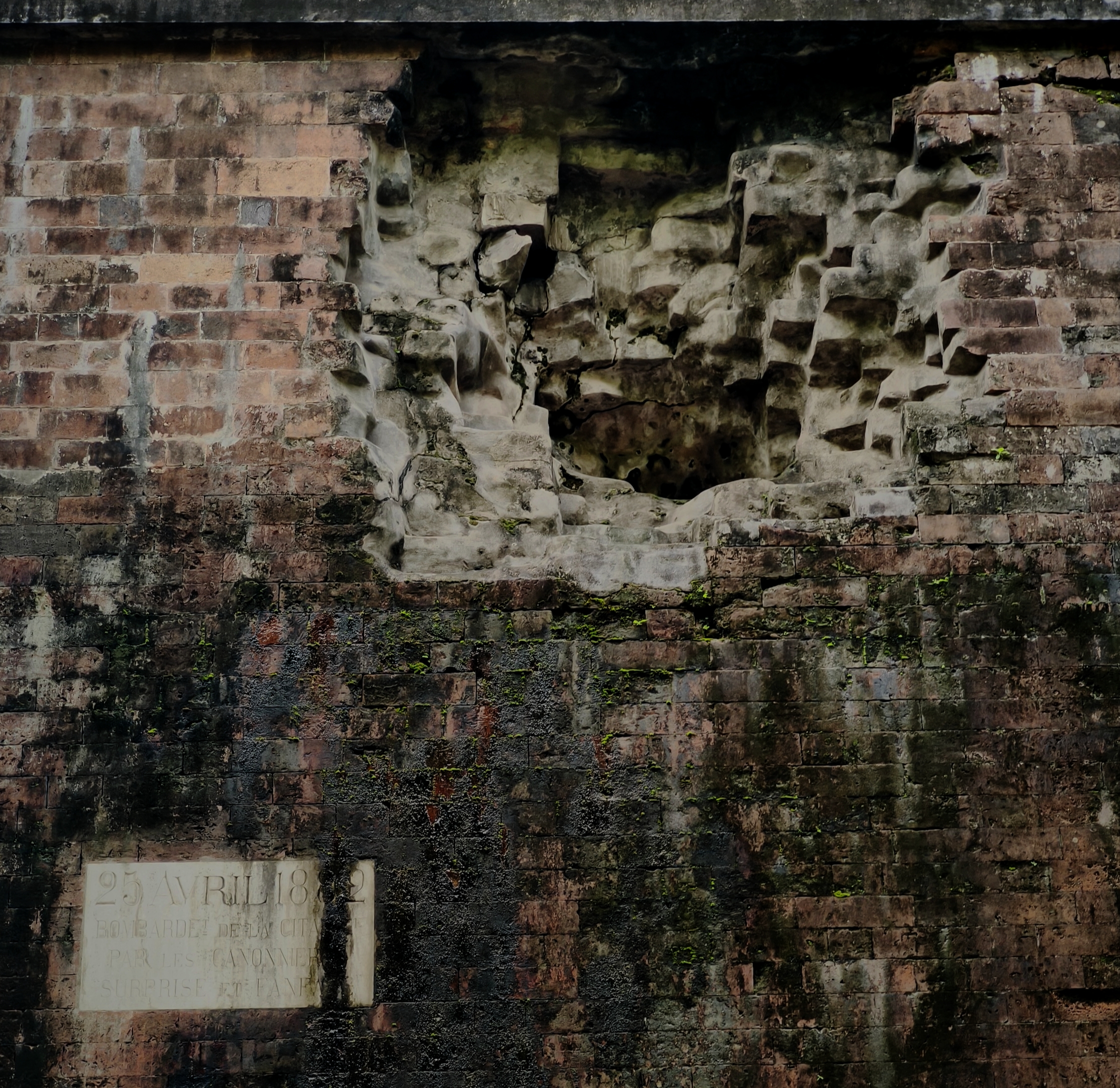
On the stone face of the North Gate, the only intact remnant of the old enclosure, two enormous craters are embedded in the masonry. They’re the direct hits from shells fired by the gunboats of Captain Henri Rivière on April 25, 1882.
The scar was left gaping, not as a wound but as a trophy.
Proof, by impact, of the day the city tipped.
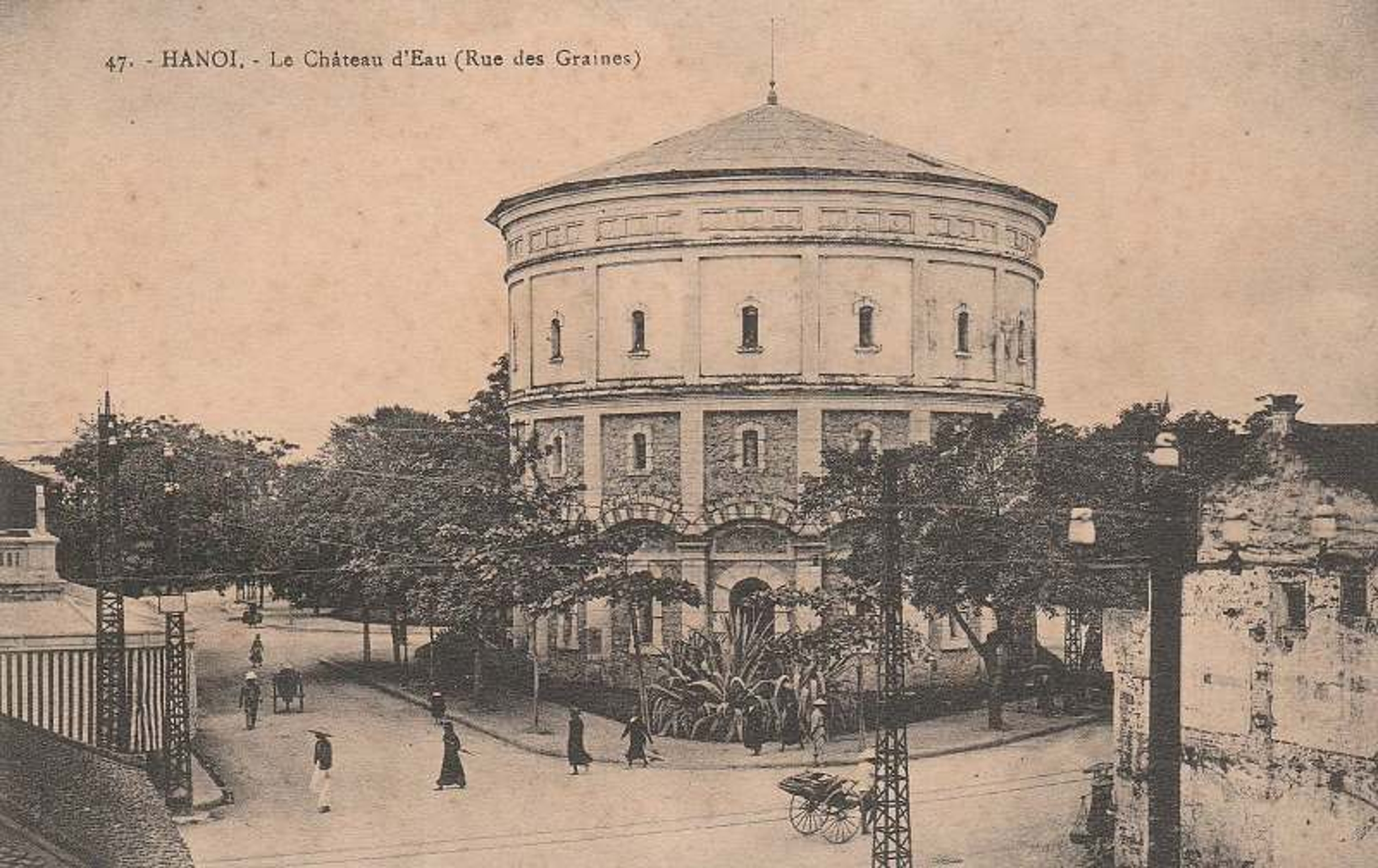
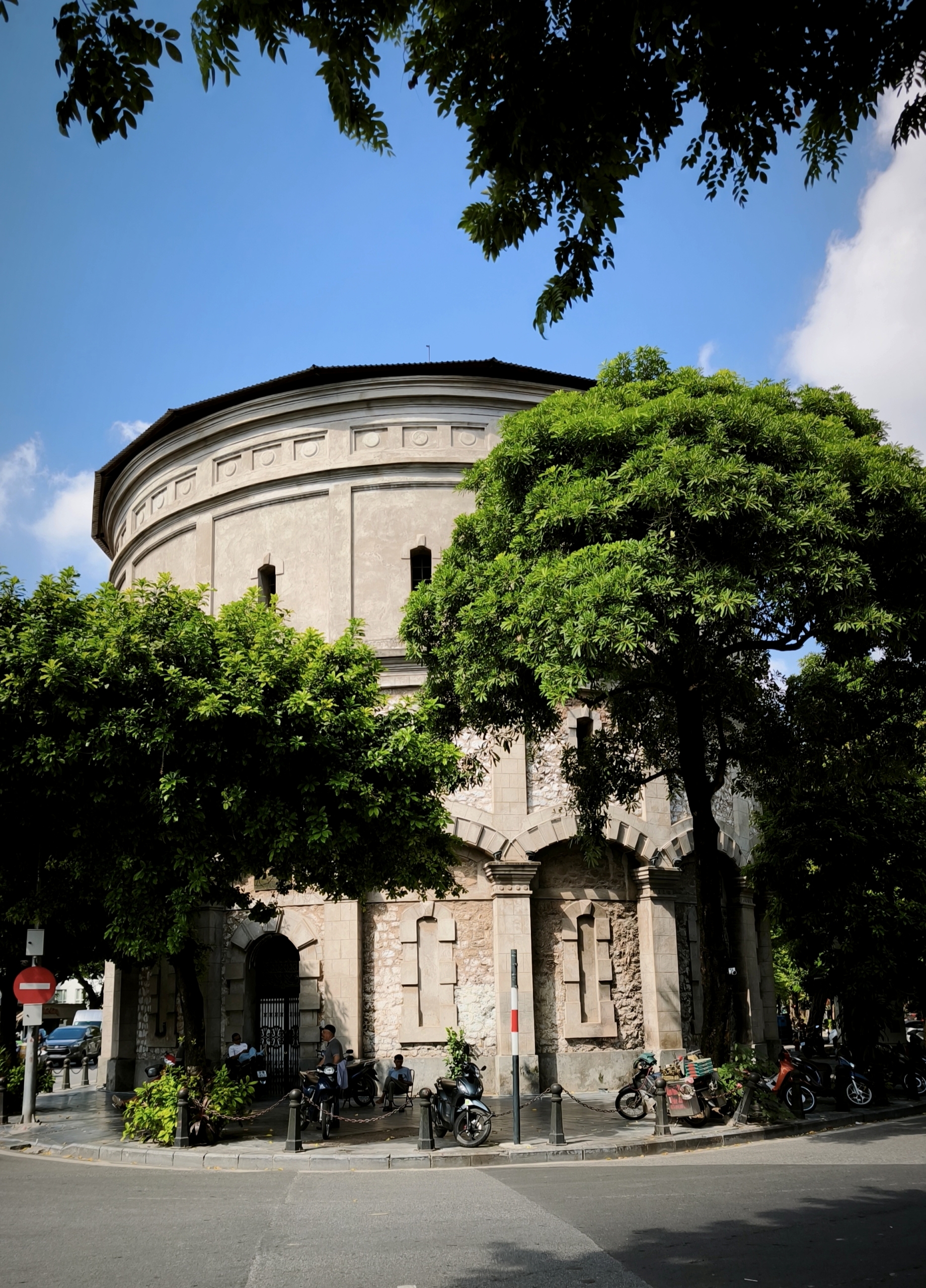
With stones salvaged straight from the demolished ramparts of the imperial citadel, the French built the water tower at the end of the avenue in 1894.
The ultimate symbol of colonial modernization, and of the occupier’s grip on resources.
And then History throws its right hook.
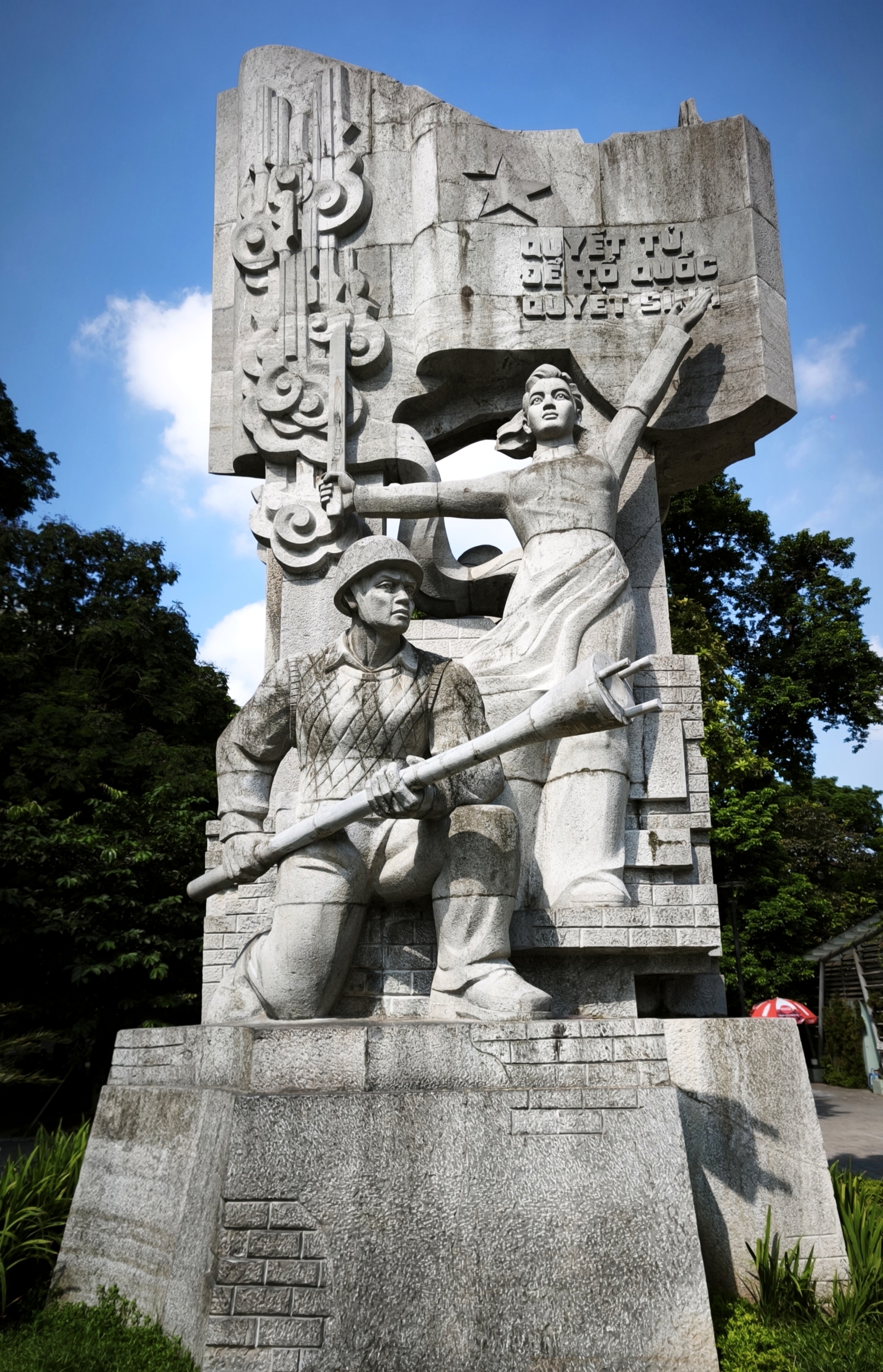
Right across from this stone monster, where Phan Dinh Phung ends, Hanoi raised a statue to the fighters who defended the capital in the winter of 1946.
On one side, the stones of the citadel dismantled by the colonizer. On the other, the ones who, decades later, took up arms against him.
You wanted a haymaker?
There it is.
Architectures rubbing up against each other
And after History, Phan Dinh Phung puts on its other great show: architecture.
Over a few hundred meters, the street changes centuries without warning.
Colonial villas, administrative buildings, modernist mansions, Vietnamese institutional architecture, Art Deco facades, Indochinese style, hybrids, newer construction… one hell of a glorious architectural mess, held together by old trees and the walls running along the avenue.
Nothing is truly uniform. And that’s exactly what makes it beautiful.
Phan Dinh Phung doesn’t assemble a collection of architectures.
It lets them collide.
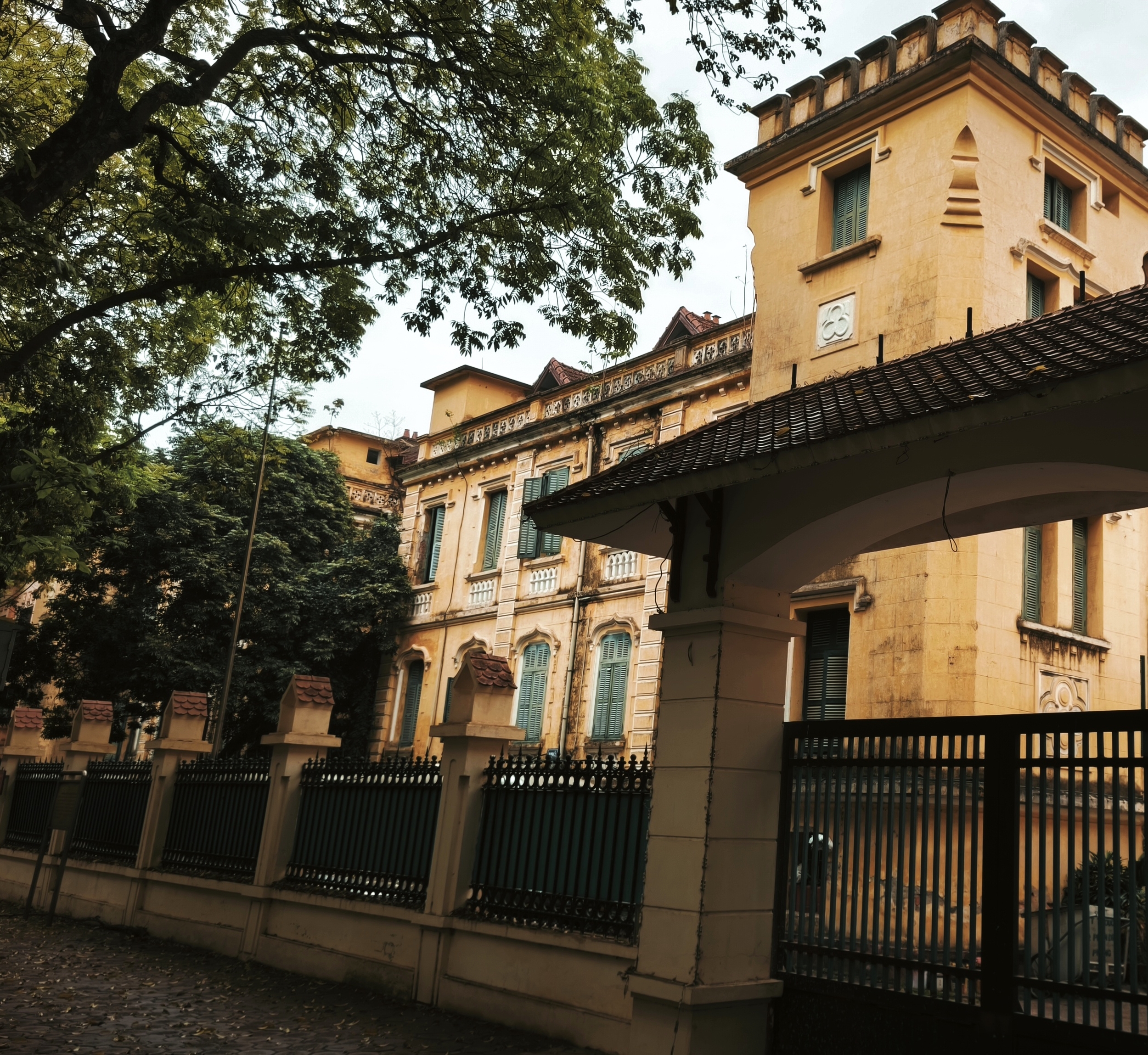
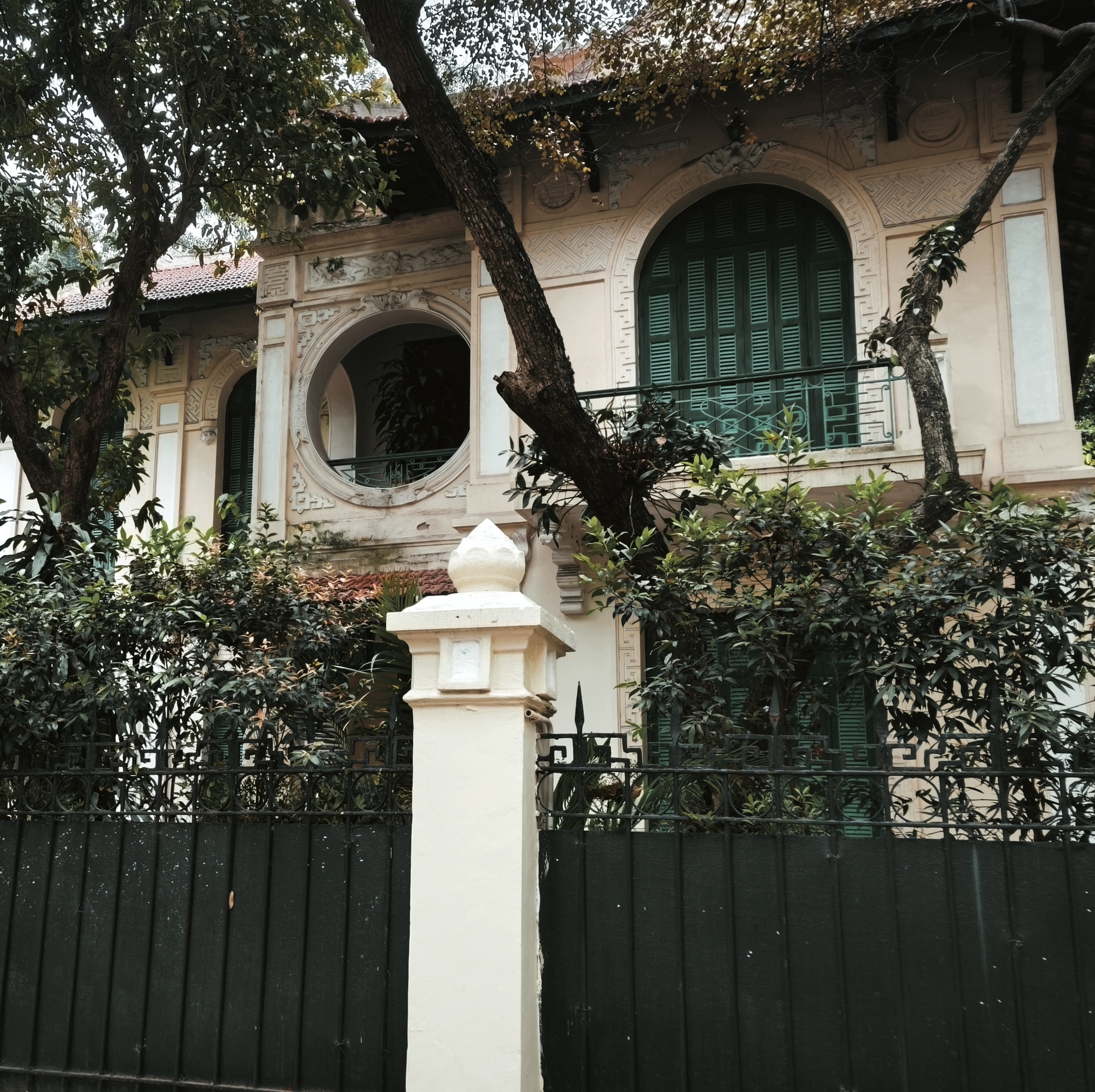
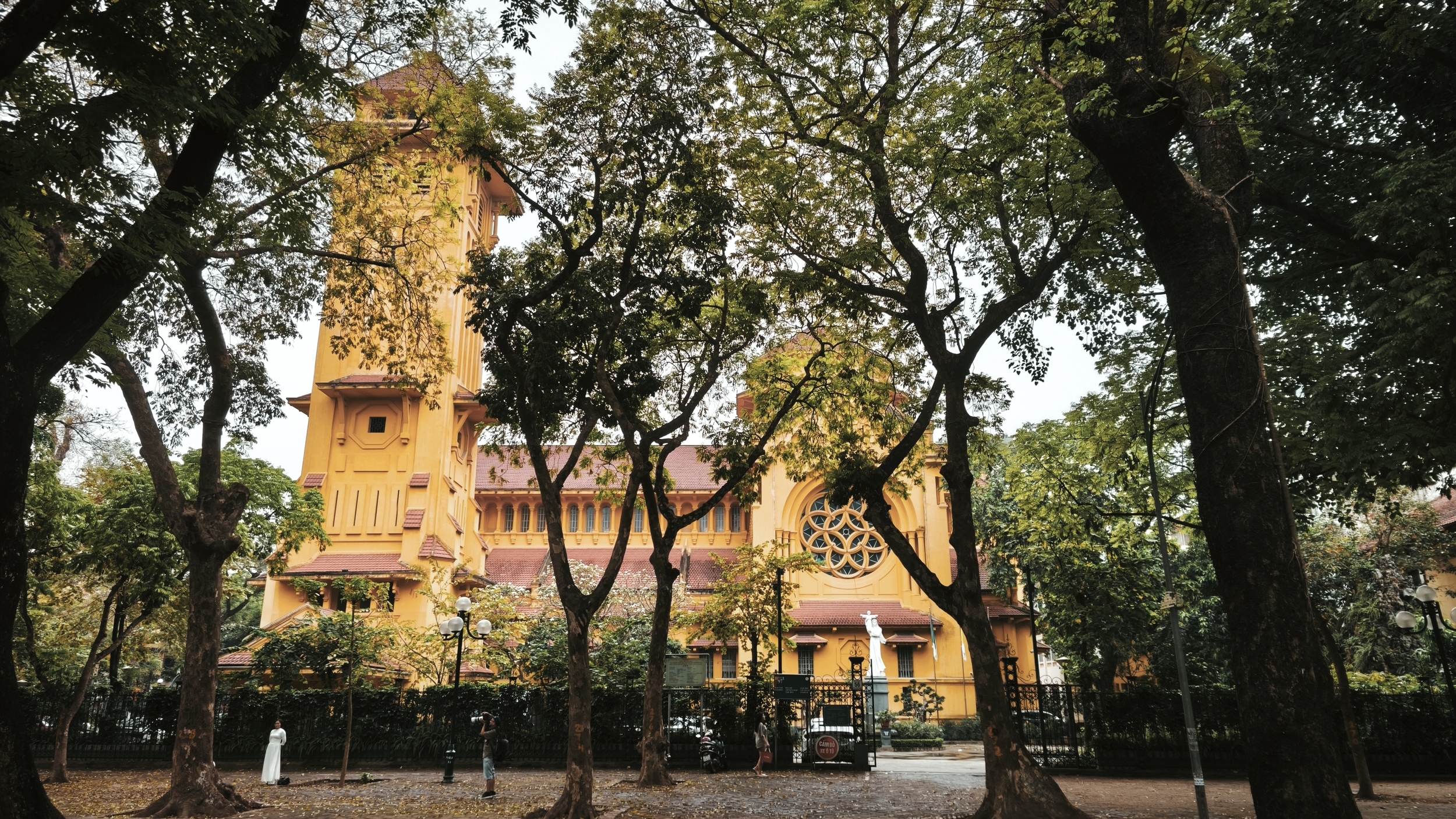
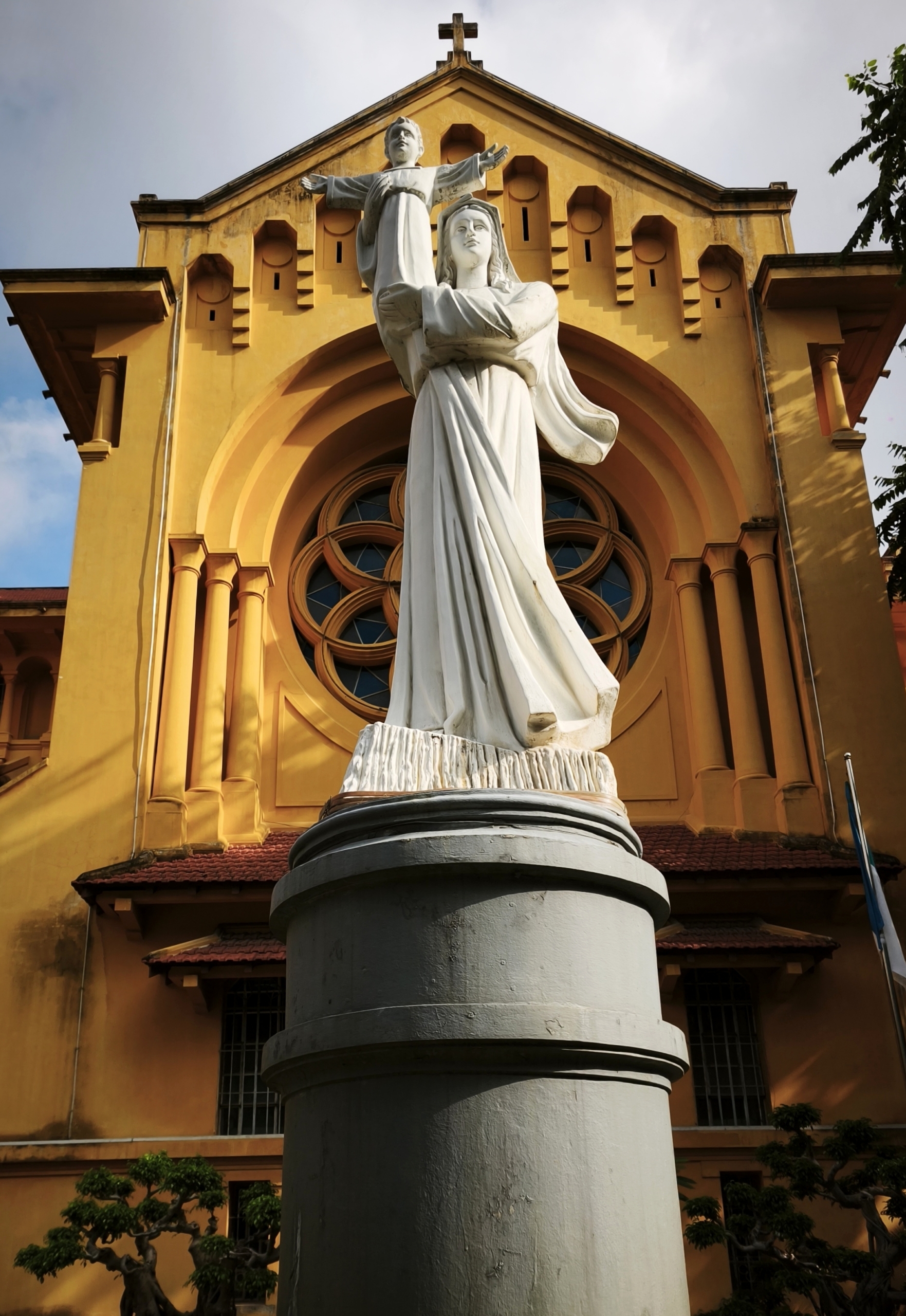
Cua Bac Church almost plays the referee. After all those stacked facades, it shows up with an architecture that says: cut the crap.
Let’s finally look at where we are.
Ernest Hébrard got it right.
We no longer try to tame the climate. We work with it.
And suddenly, the street shifts register.
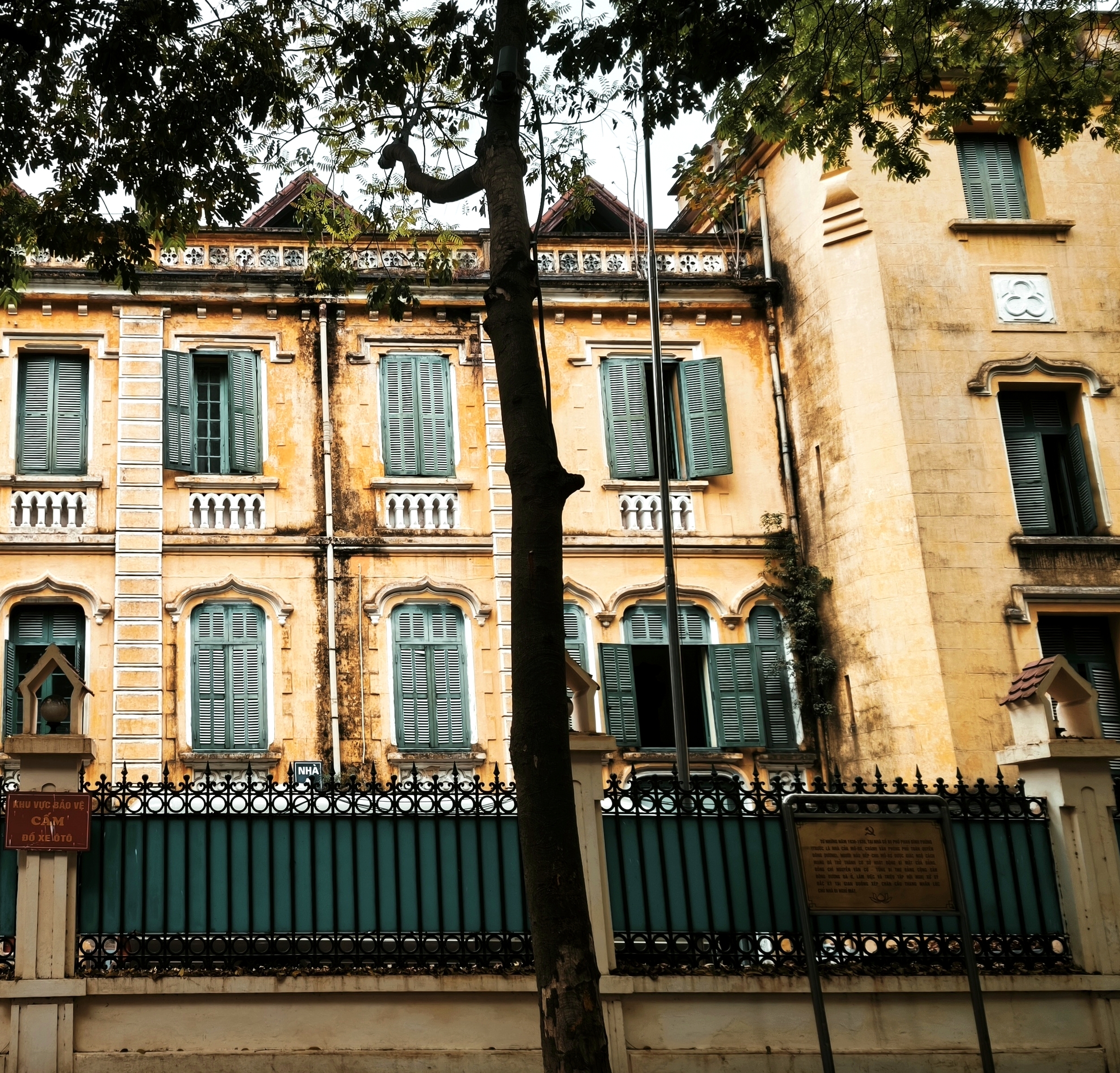
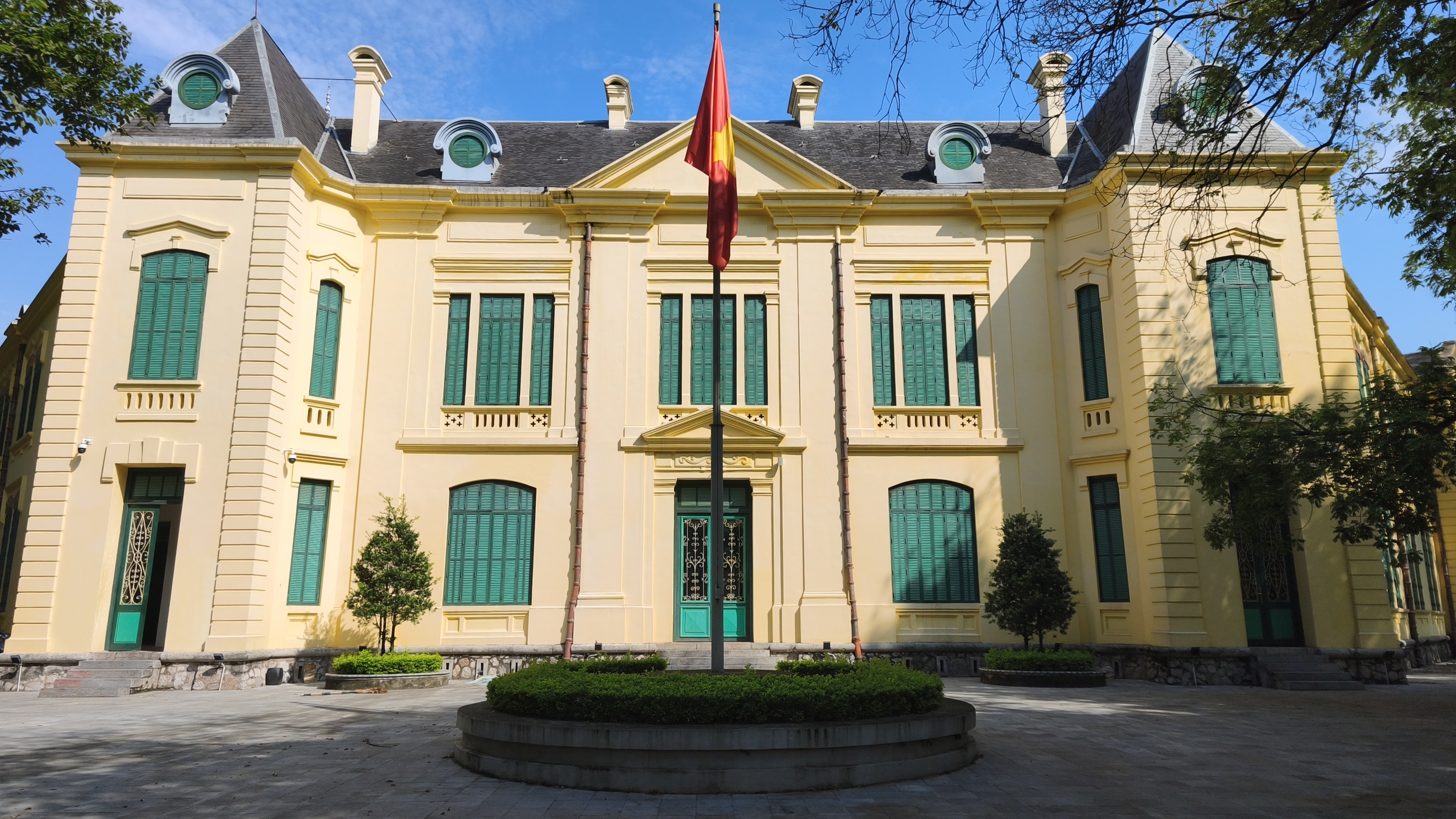
The juiciest piece is the villa at number 57.
A imposing yellow neoclassical villa, slate roof, empire-green louvered shutters, built in the 1930s for Monsieur Cambolive, then director of the School of Arts and Crafts.
The full show of the French haute bourgeoisie in Hanoi. The kind of mansion that’s a master at hiding the filth under slate and protocol.
Under that very roof, between 1936 and 1939, Nguyễn Văn Cừ, General Secretary of the Communist Party, went to ground. Smuggled in under a false identity, thanks to a servant hired by the French owner.
A communist revolutionary hiding in the colonial bigwig’s villa.
Decidedly, it’s hard to follow History’s footwork on this avenue.
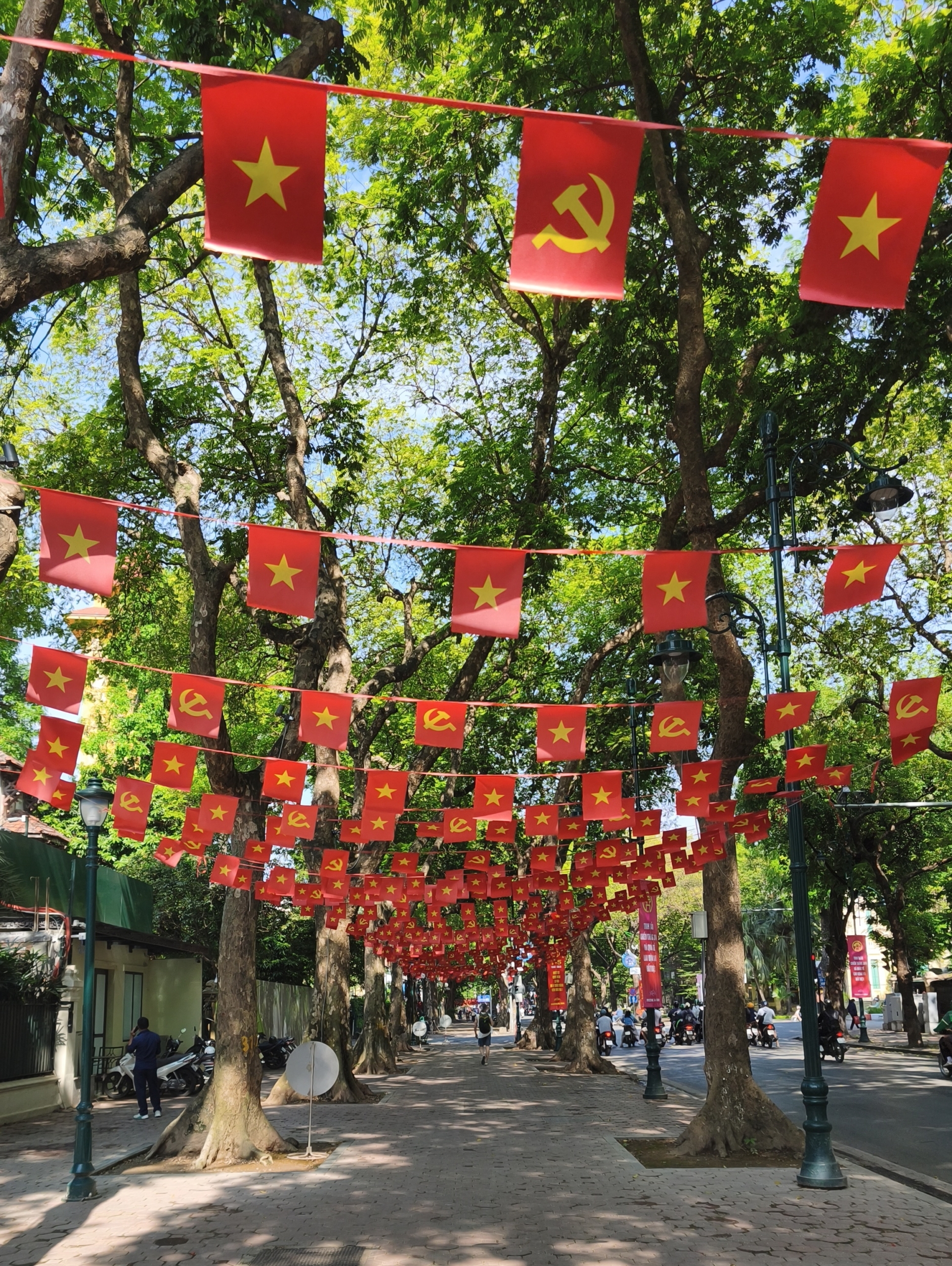
And then there are the seasons
Phan Dinh Phung changes costume with them.
History can switch sides.
Buildings can change owners.
Street signs can change names.
The trees don’t give a damn.
They bud, burst into green, turn yellow, drop their leaves, their petals, and start over.
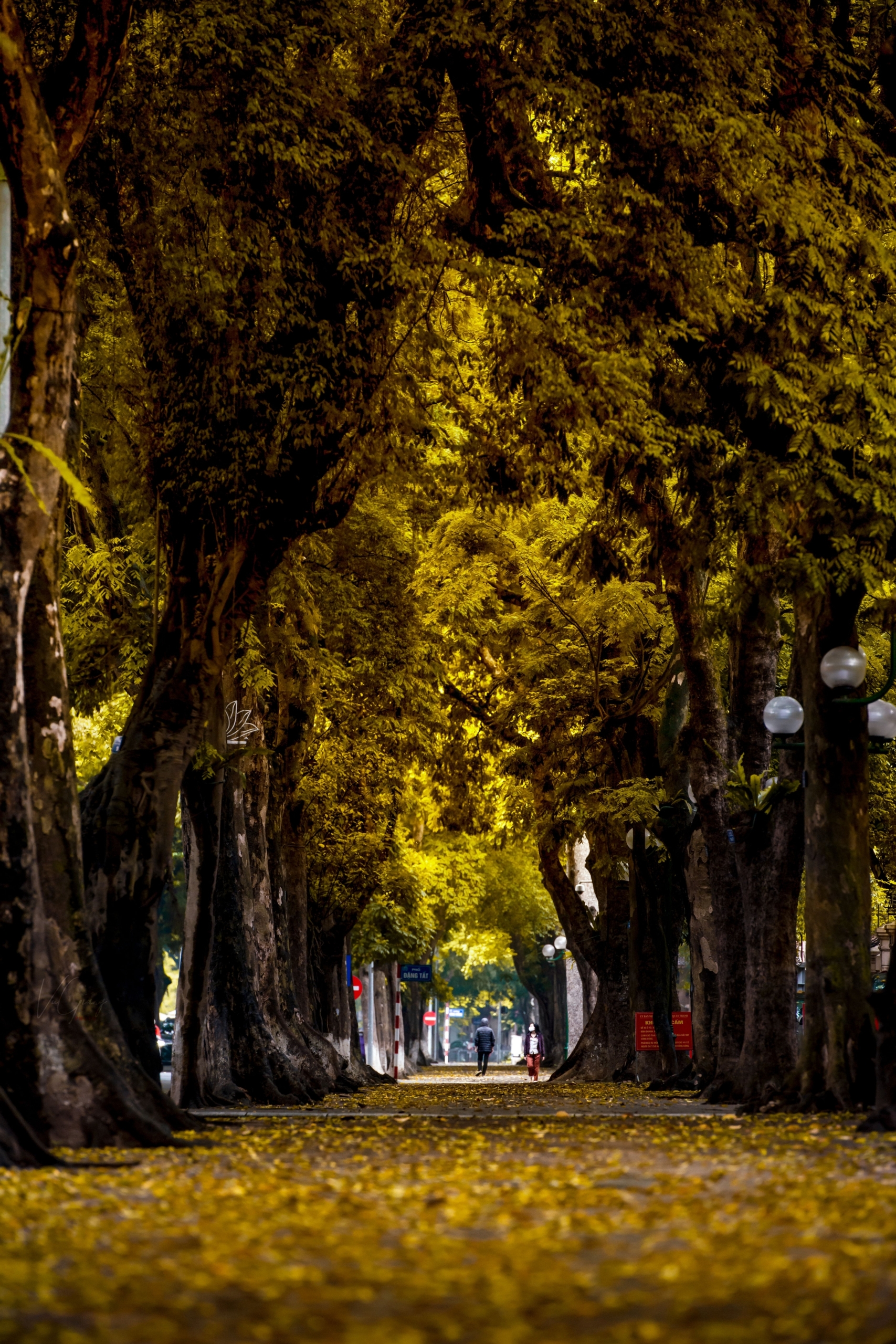
The seasons respect no empire, no revolution, no architect. They shit in everyone’s face with admirable regularity.
And maybe that’s what makes this avenue so fascinating.
History claims to control everything.
The climate just keeps doing whatever it wants.