The Hoa Binh Hotel is a deliberate anomaly, a jagged piece of shrapnel in the polished display case of modern Hanoi. It is unsettling because it refuses to play the game: no chrome, no flashy neon, no synthetic luxury marketing. It preserves what “prestige” actually meant between 1930 and 1986, when it wasn’t about dazzling the crowd, but about standing your ground. The luxury here is solemn, stiff, almost insolent, and that is exactly why it’s the real deal. It doesn’t flirt. It doesn’t apologize for existing. It seeks neither likes nor ovations. It remains silent, and it is precisely this massive, architectural silence that commands respect.
History: the era of the protocol
Born at the dawn of the 20th century as “Le Coq d’Or,” a brasserie for the French elite, it was soon weaponized into a hotel by architect Fernand Gilles. He injected the structure with a nascent Art Deco soul to house colonial officials. In 1931, it was rechristened the Splendid Hotel, a third floor added to its height, standing strategically at the throat of Hanoi’s life.
Then came 1954. Nationalized and renamed Hoa Binh (“Peace”), the hotel executed a cold pivot. The era of gilding was dead; the era of protocol had begun. It became the austere lair of Eastern Bloc delegations and Soviet advisors—a place of hushed voices and corridors thick with secrets. When American bombs shook the city, the Hoa Binh didn’t flinch. As an international press center and diplomatic bunker under iron-clad state surveillance, it remained suspended in time until the Đổi Mới of 1986. A discreet, perfectly oiled diplomatic enclave in a city being successively decimated, rebuilt, and reinvented.
A hybrid anachronism
The Hoa Binh plays a treacherous game. From a distance, it keeps the impeccable bearing of a colonial classic. But draw closer, and the mask cracks. Beneath the surface of propriety, the Art Deco emerges, tempered, modest, almost shy. It doesn’t want to start a revolution; it just wants to simplify the lines.
Strict Art Deco demands sharp angles and a clean break from the past. Yet, the Hoa Binh clings to its sloped roofs and tiles to bleed off the tropical rains. It remains academic, institutional, embodying that precise moment when the Empire began to trim its excesses without yet daring to break the mold.
The panache of the unmoved
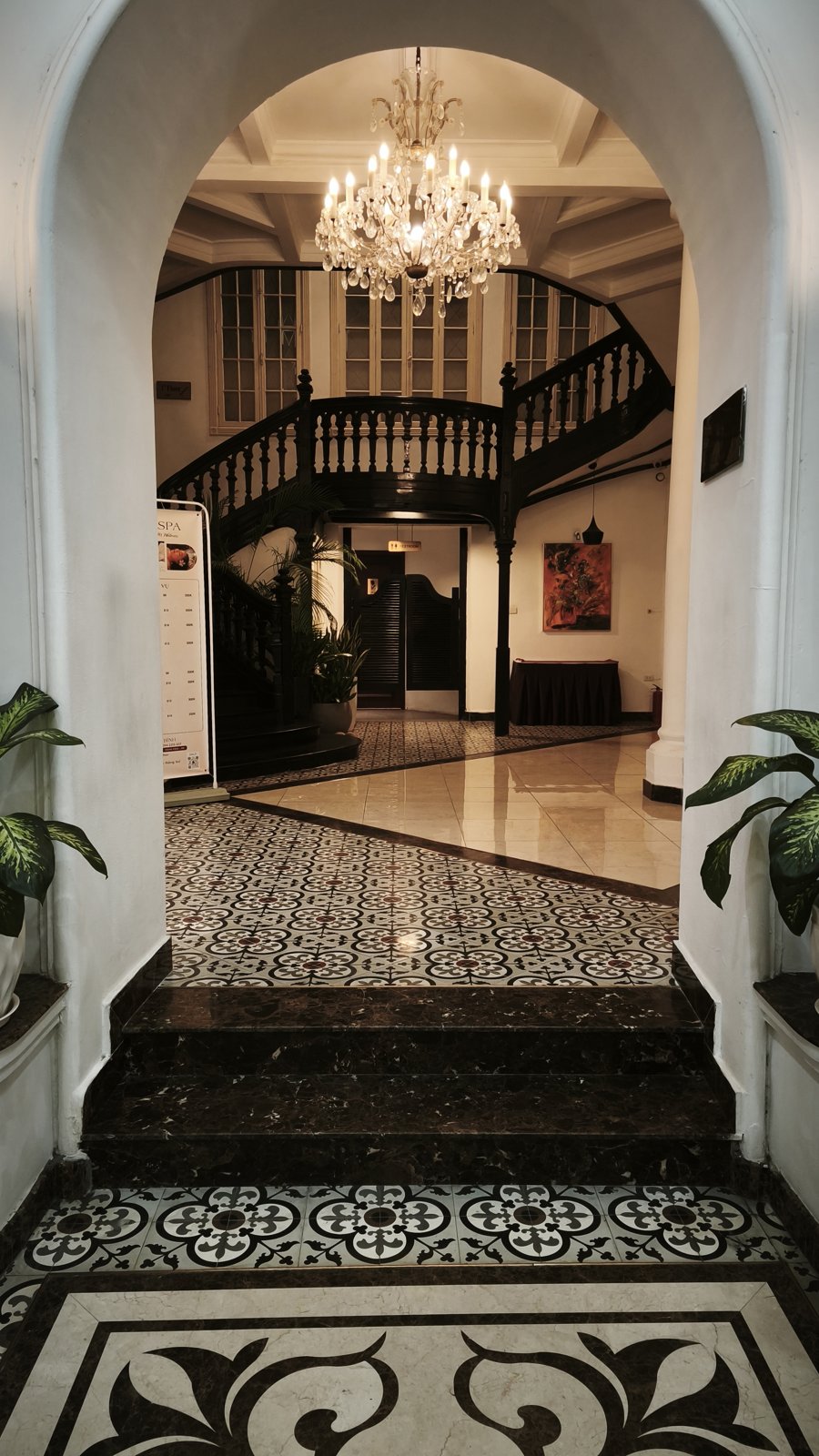
We are light-years away from Bill Bensley’s Capella and its manicured, fantasized 1920s. Here, nothing is forced. The atmosphere is muted, thick with nostalgia. Dark wood, original floor tiles that have held their own for a century, and Vietnamese touches devoid of tacky folklore. This is an old-fashioned, surgical luxury that doesn’t give a damn about impressing you. It just is.
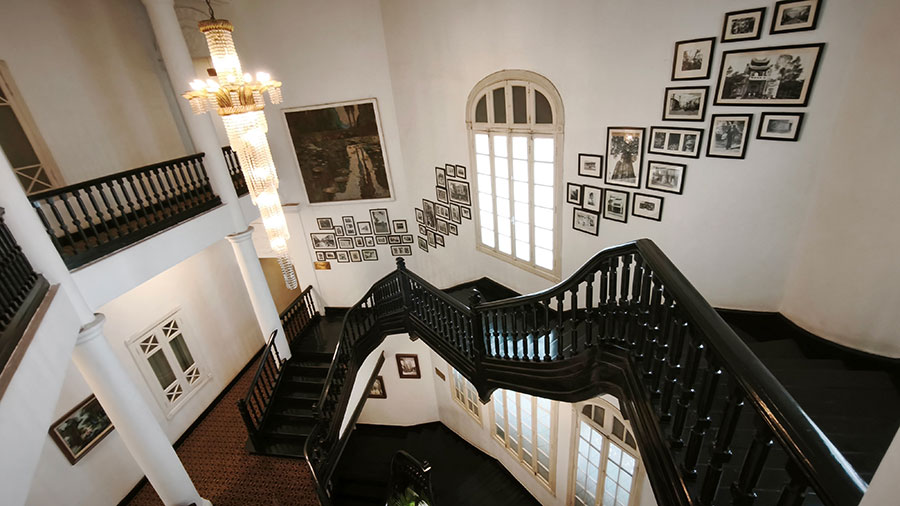
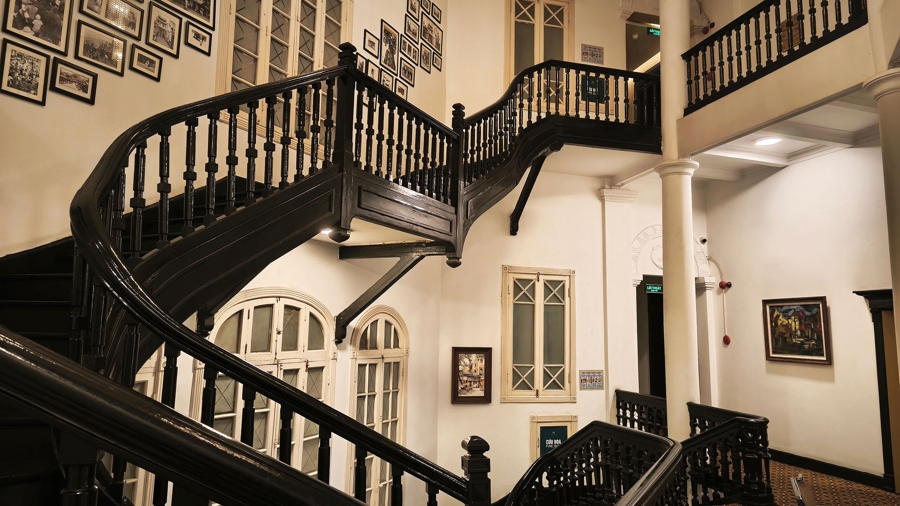
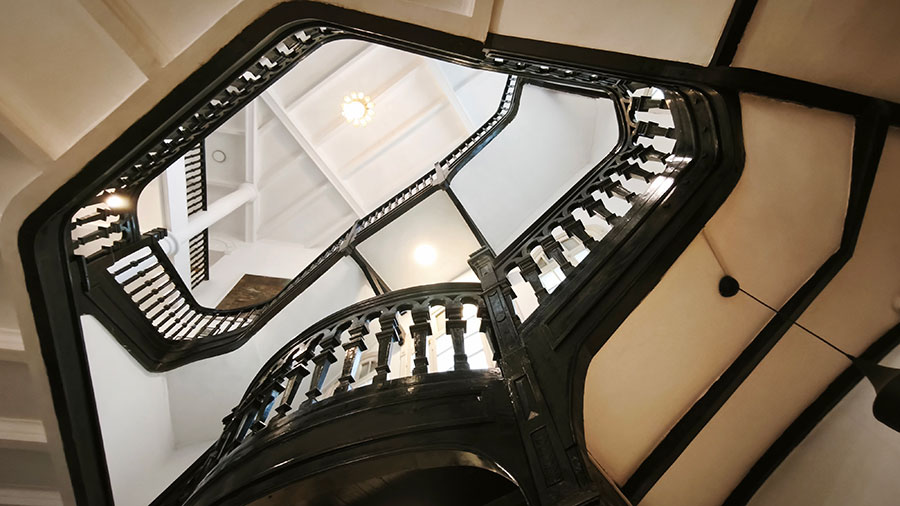
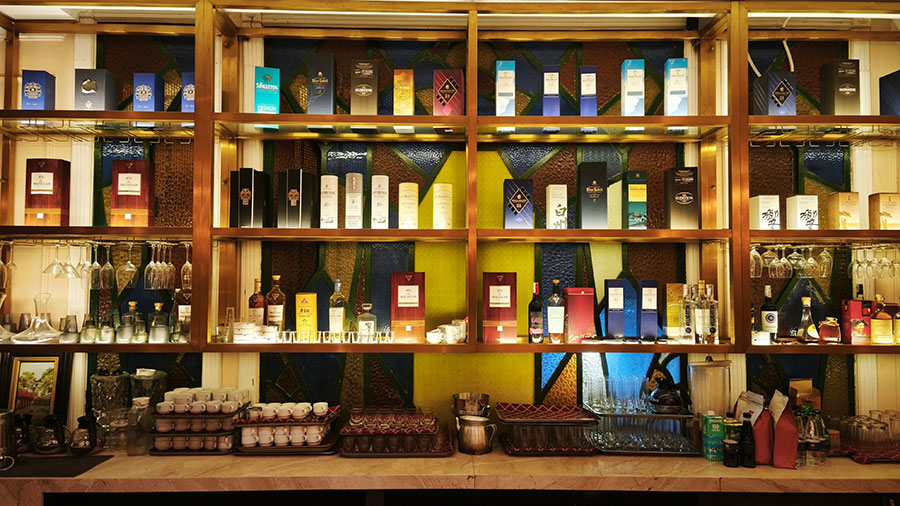
The monumental staircase, carved from precious wood, is a survivor. It has crossed eras without compromising its soul. Its sober railings trace the curves of a world in transition. Listen to it as you climb: it still sings. The restaurant, Le Splendide, is a time capsule, a 1930s Parisian brasserie transplanted into the humid tropics. Behind the bar, the glass and metal partition stands with quiet confidence, evoking the “ocean liner” aesthetic where steel heralded a modernity that still knew how to behave.

The verdict: the old aunt’s stand
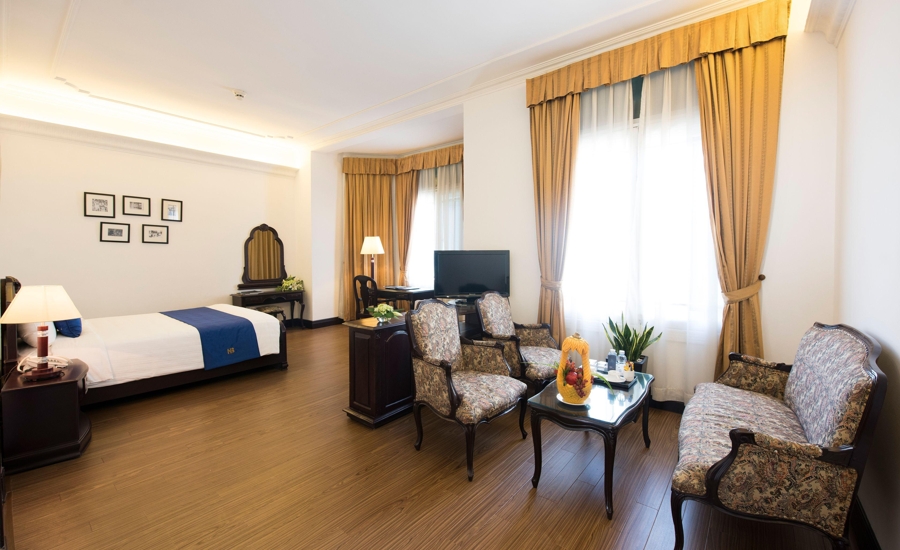
The rooms mirror the rest: vast, echoing an era when people traveled with massive trunks and received guests in their quarters. The furniture isn’t “vintage” by choice; it’s just old. Staying at the Hoa Binh is like sleeping at the home of a very old aunt from the high bourgeoisie: rigid in her principles, standing tall among her faded tapestries, fiercely refusing to sell. While the rest of Hanoi is being devoured by real estate sharks and children ready to trade their inheritance for glass towers and hollow promises, this hotel’s refusal to change is nothing short of pure panache.