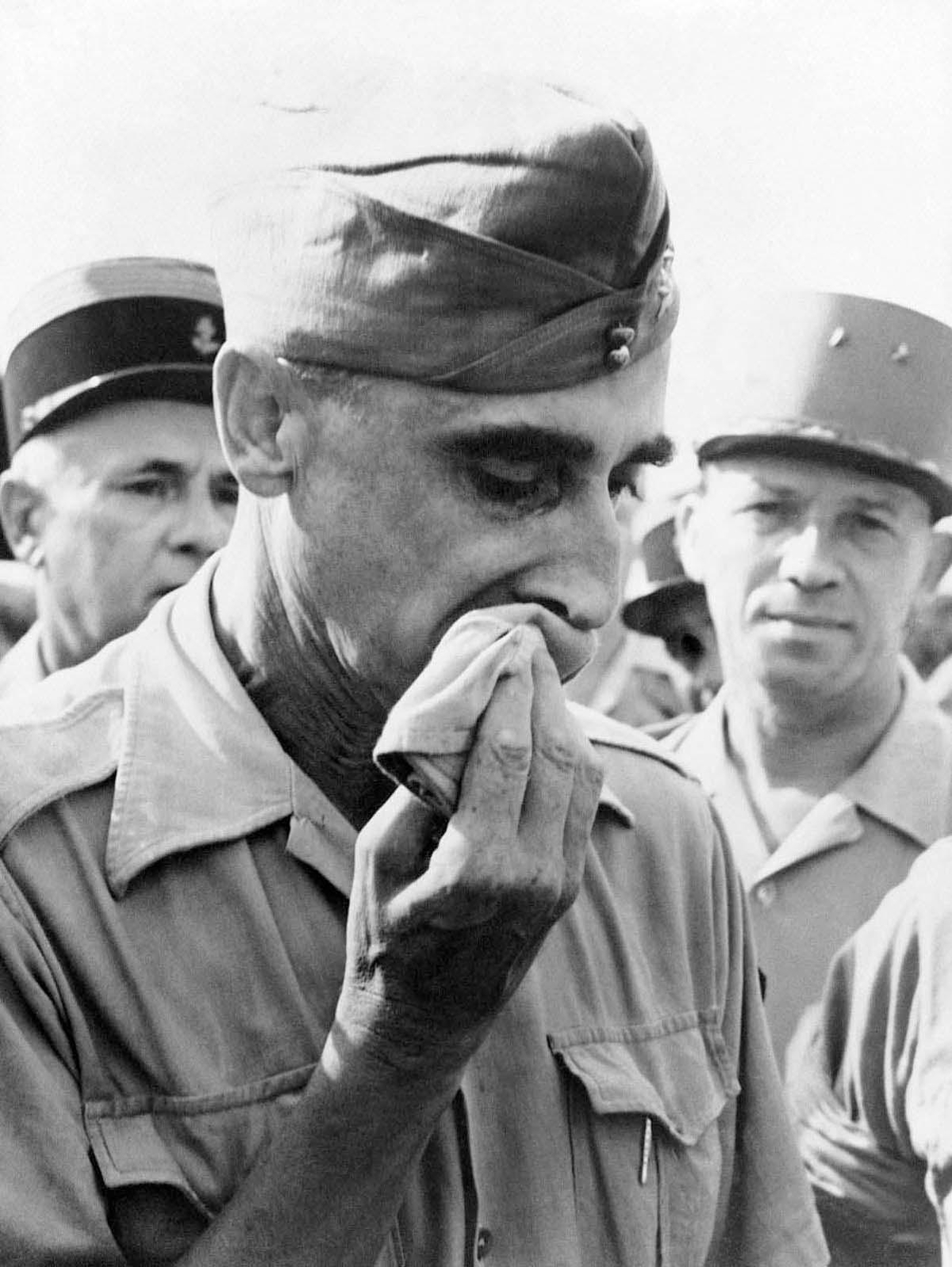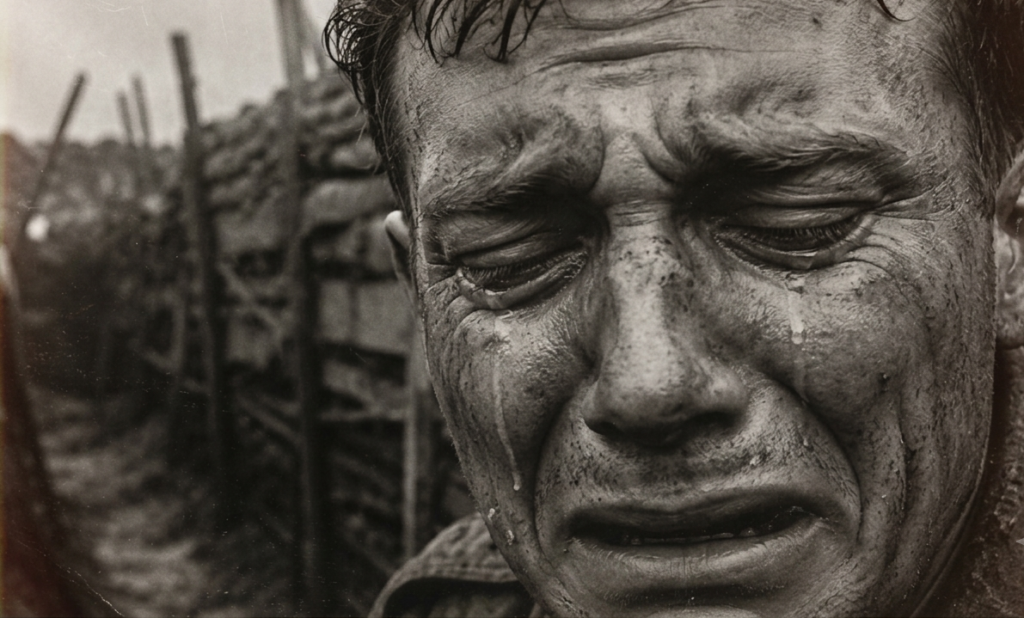
By 1954, France no longer had the means to sustain its own colonial war. It was surviving on American money. Washington was already footing nearly 80 percent of the bill.
The engine was seizing up.
The disaster of Cao Bang should have been lesson enough.
Marshal de Lattre de Tassigny was sent to save appearances. He bought time, nothing more. Then came Na San. By holding that fortified camp at the end of 1952, the French high command convinced itself it had stumbled upon the miracle formula.
That fatal illusion, nurtured by an aristocratic officer corps intoxicated with its own certainties, led straight to Dien Bien Phu.
Piroth: the french cult of the noble gesture
“No Viet artillery piece will fire more than three rounds without being spotted and destroyed by mine.”
Colonel Charles Piroth, commander of the artillery at Dien Bien Phu, delivered the line with the effortless contempt that had so often accompanied French military arrogance.
Reality answered with savage brutality.
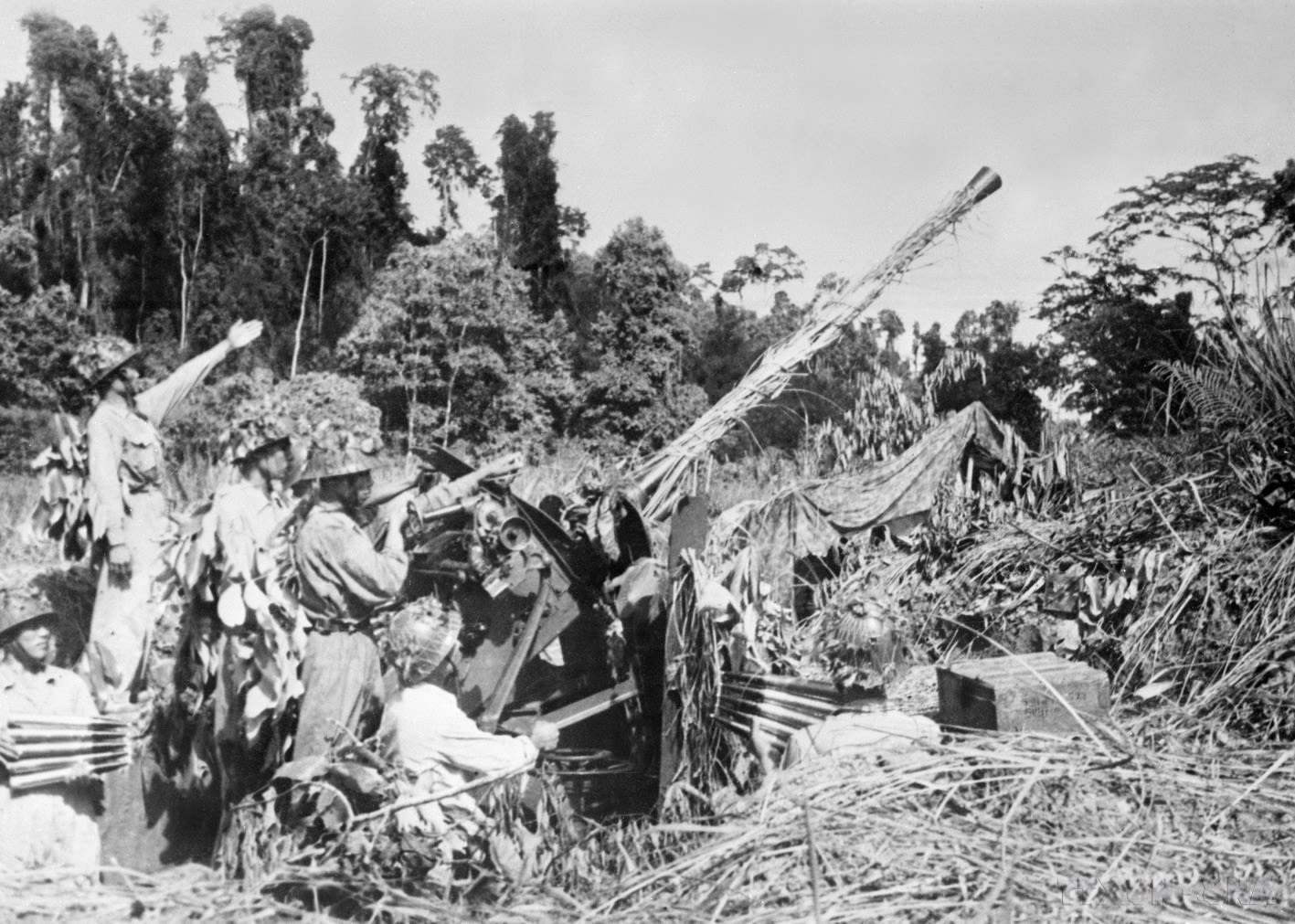
On 13 March, the very first day of the assault on Béatrice, General Giáp’s artillery—buried inside reinforced hillside bunkers, invisible from the air—shattered the French positions. French counter-battery fire proved utterly useless.
Piroth understood at once.
His certainty had condemned his own men.
During the night of 14–15 March, he pulled the pin of a grenade against his chest inside his bunker.
Chivalry.
Champagne !!!
By mid-April 1954, the entrenched camp was already on its knees. Vietnamese artillery pounded the shrinking perimeter day after day, and defeat had become little more than a matter of time.
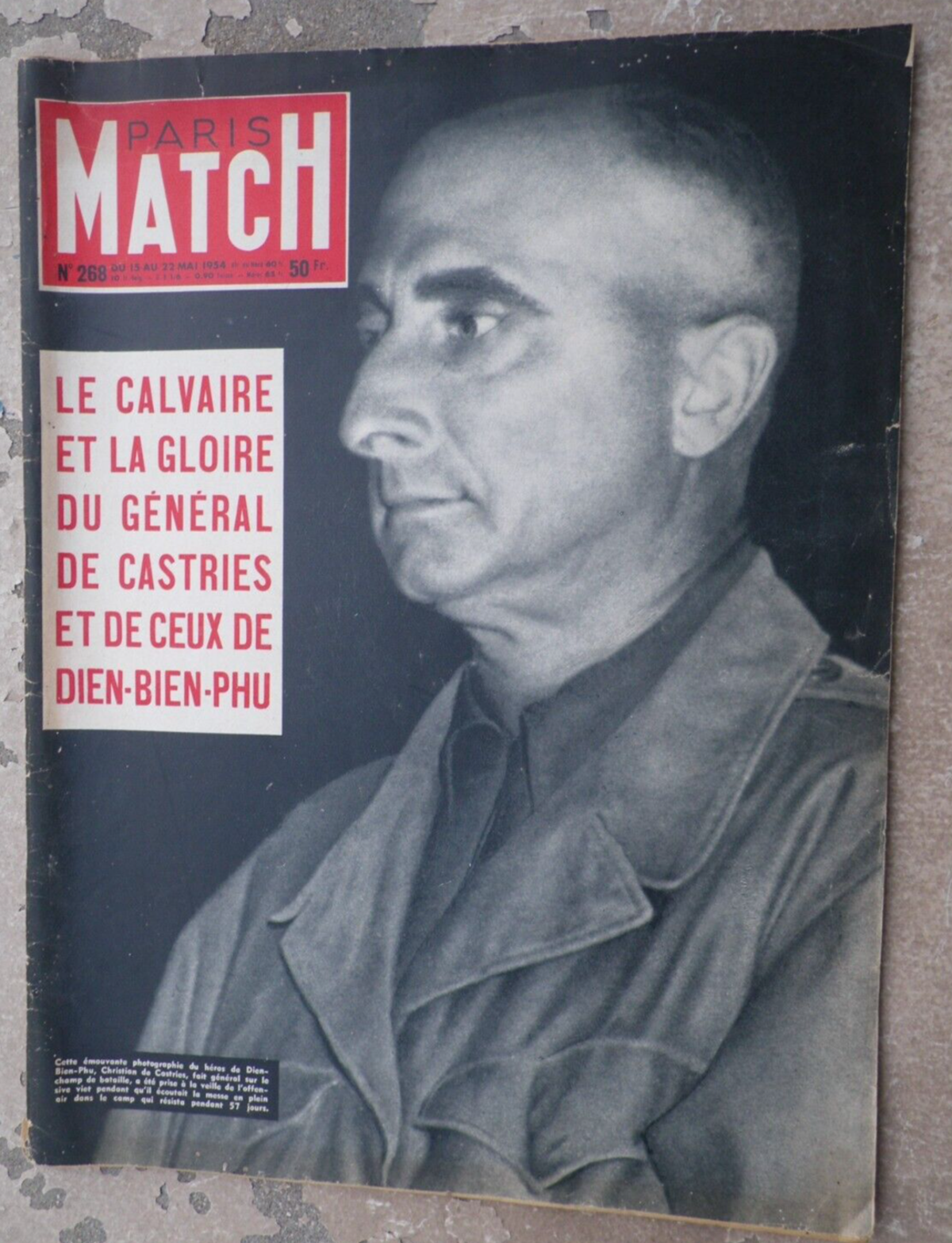
Yet, in the comfortable drawing rooms of Hanoi, somewhere between bottles of Pommard, someone decided that Christian de Castries should be promoted to general to boost morale.
Since no aircraft could land, the French Air Force dropped a special crate into the fortress.
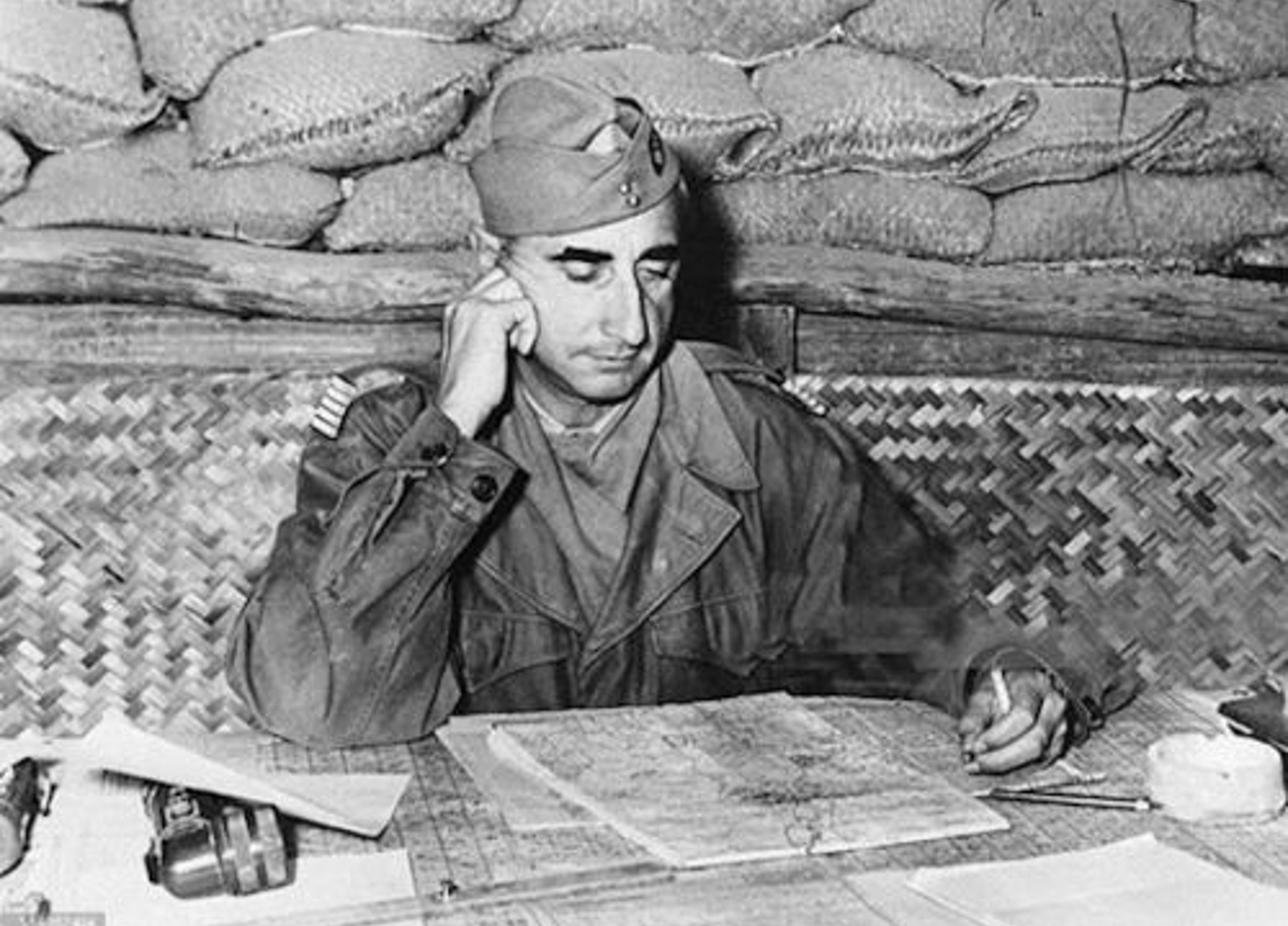
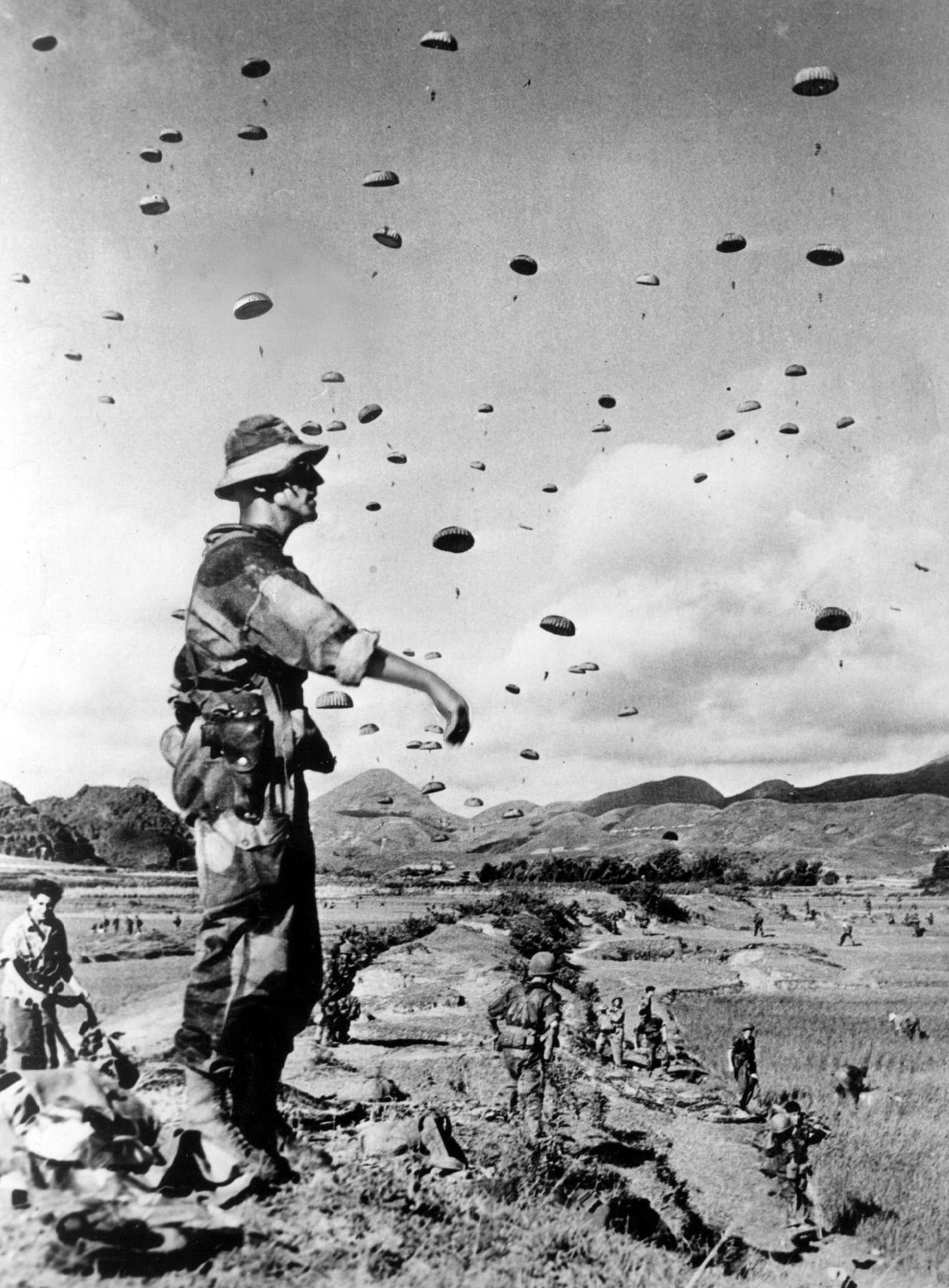
Inside were his new stars, crates of champagne, foie gras, cigarettes, and a perfumed letter from his wife congratulating him on his certain victory.
By then, the French perimeter had shrunk so dramatically that the drop zone was little more than a postage stamp.
The crate missed completely.
It landed inside Viet Minh lines.
Vietnamese soldiers collected the general’s stars, intercepted his wife’s letter, and drank the French champagne to celebrate their own victories.
According to the story, they even used the blocks of ice, dropped to keep the champagne chilled, to wash themselves under the suffocating heat of the valley.
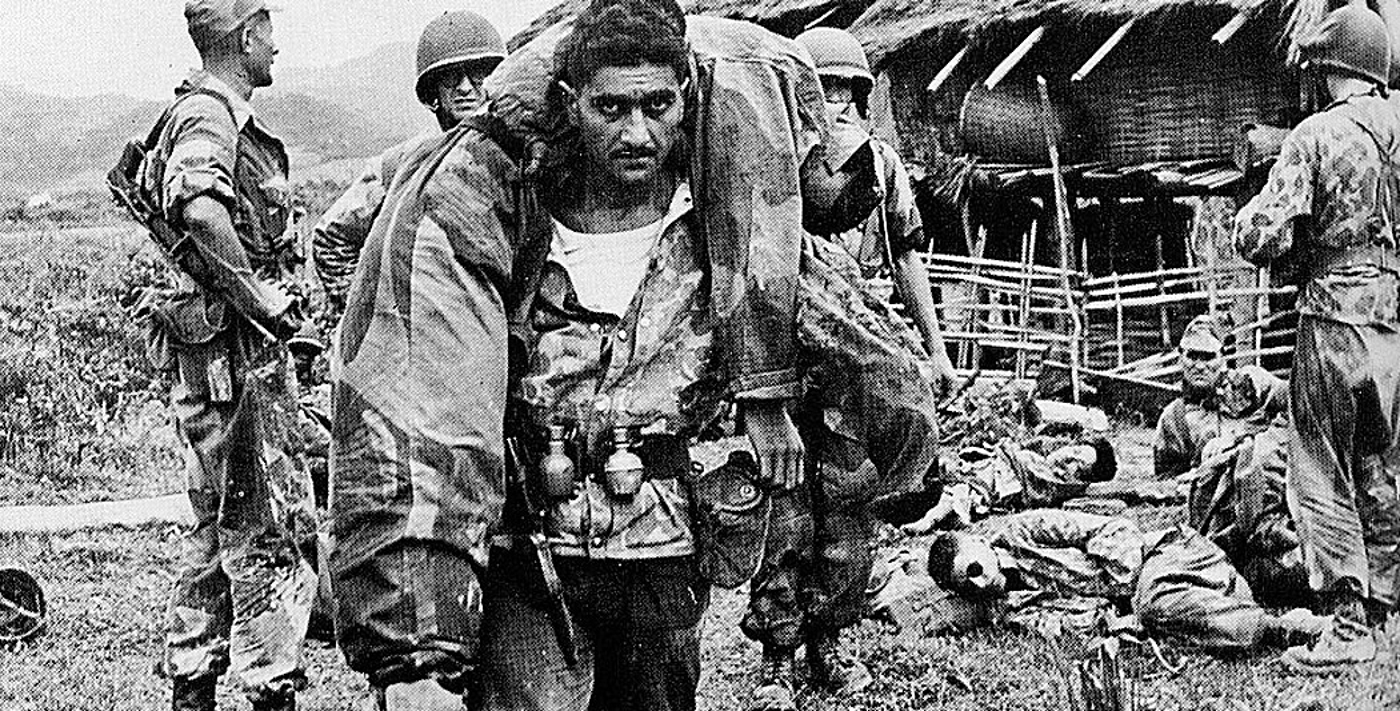
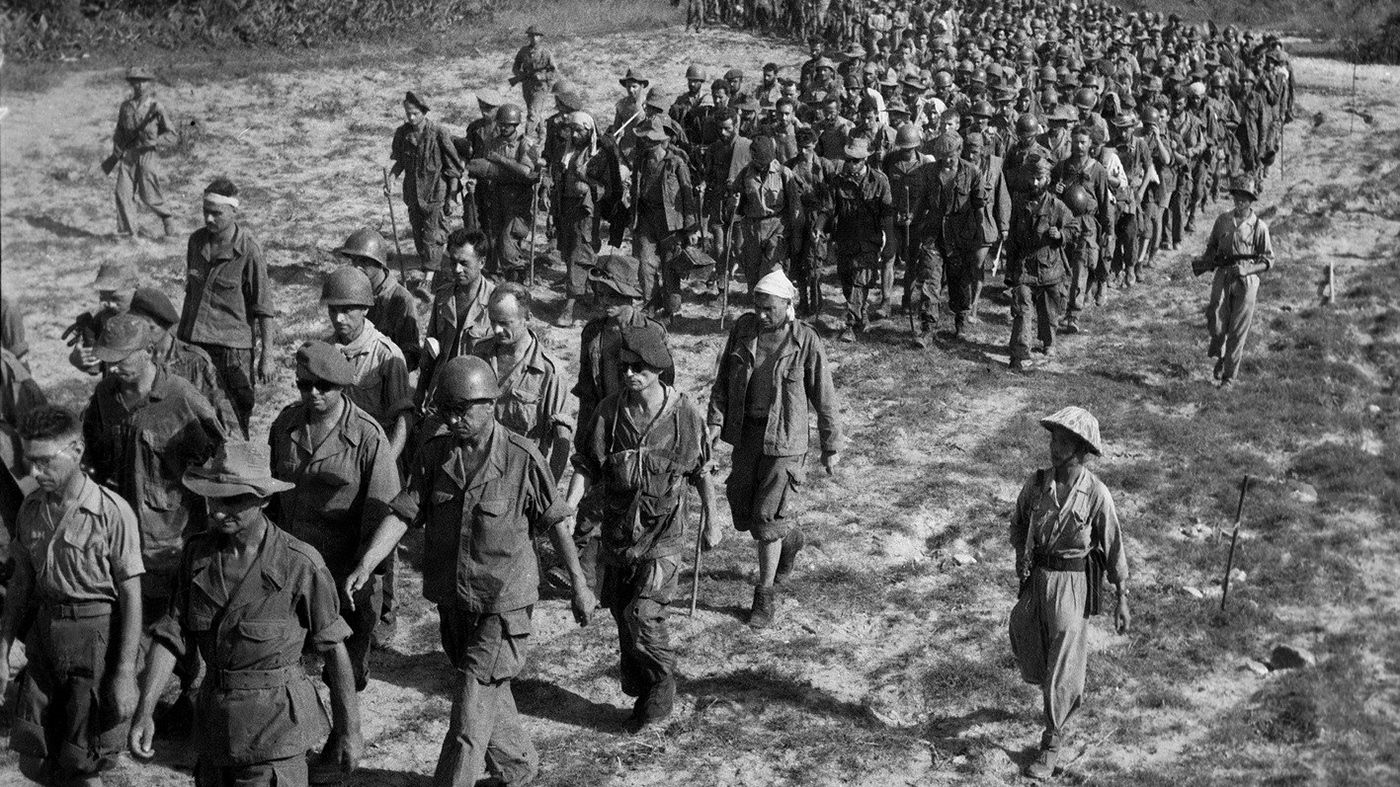
Meanwhile, down in the mud-filled trenches, French soldiers were running out of ammunition, blood plasma and basic rations.
Parts of the French high command had descended into drawing-room gangsterism: immaculate uniforms, white gloves, and the lives of thousands wagered as casually as a gambler squandering an inheritance across a casino table.
Christian de Castries was a compulsive poker and baccarat player. He handled his strongpoints the way he handled a gaming table.
As the battle slipped beyond recovery, a rumour spread through Hanoi that he was gambling away the basin itself.
All in.
And he lost.