
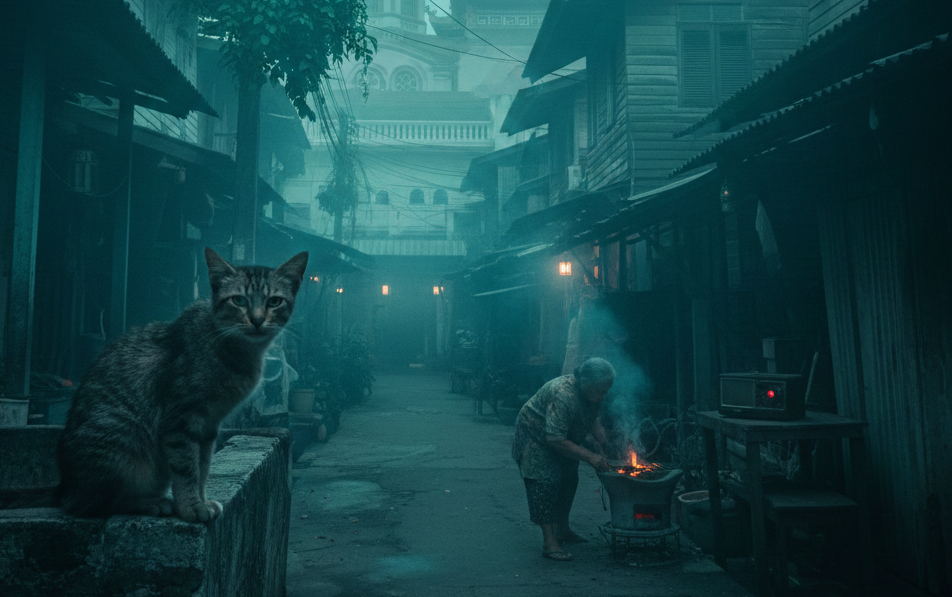
This is Bangkok in slippers, while the rest of the city struts in Air Max. Shifty cats are posted like bouncers at seedy clubs, radios spit out ghosts of memories, and birds heckle the day away. Grandmothers lean over barbecues like they’re tending a sacred altar—here, the embers are a liturgy. Meanwhile, the grandfathers size up the schoolkids, bobbed hair and buzz cuts, already calculating who’s going to get squeezed once their bodies swallow too much of the industrial world. Tightening uniforms, spilling flesh: the alleys won’t widen; they’ll pick their survivors.
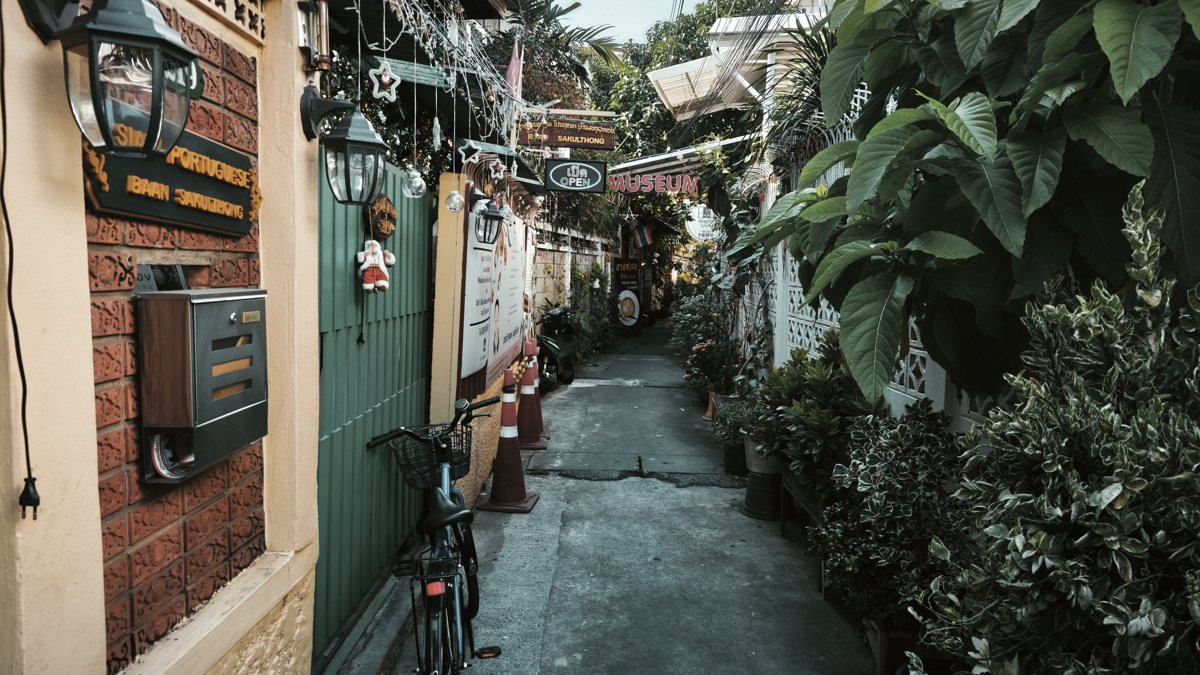
Forget the Bangkok of glass condos, flashy steel, and Instagram-toxic rooftops. In Kudi Chin, prestige is measured in heavy silence and the long game. The place is worn, frayed at the edges, but irredeemably classy—elegance that survives without making a sound.
Across a few cramped streets, there is an insolent religious harmony: mosques, a church, a Chinese temple, and stupas answer each other in hushed tones, without the theater or the bickering. It’s not brochure-style syncretism; it’s raw, breathing coexistence. The houses, lopsided and exhausted, huddle together to form a maze of alleys and canals where you get lost without suffocating. In a Bangkok chasing its own tail, Kudi Chin stands its ground. It doesn’t run.
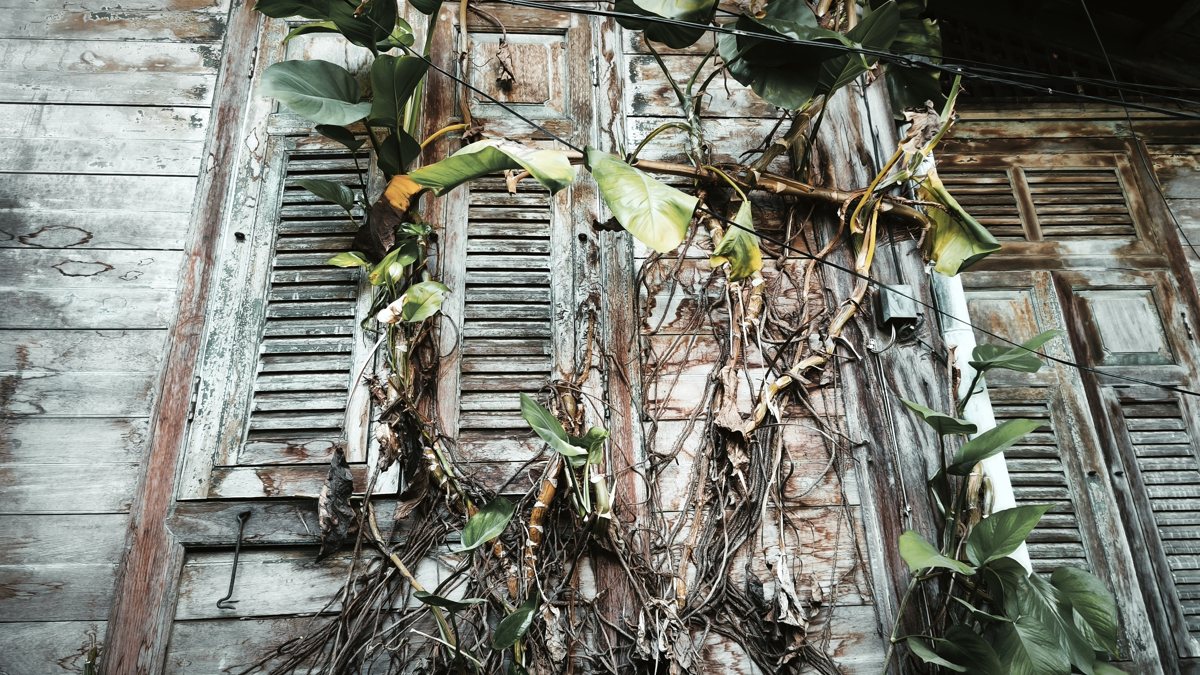
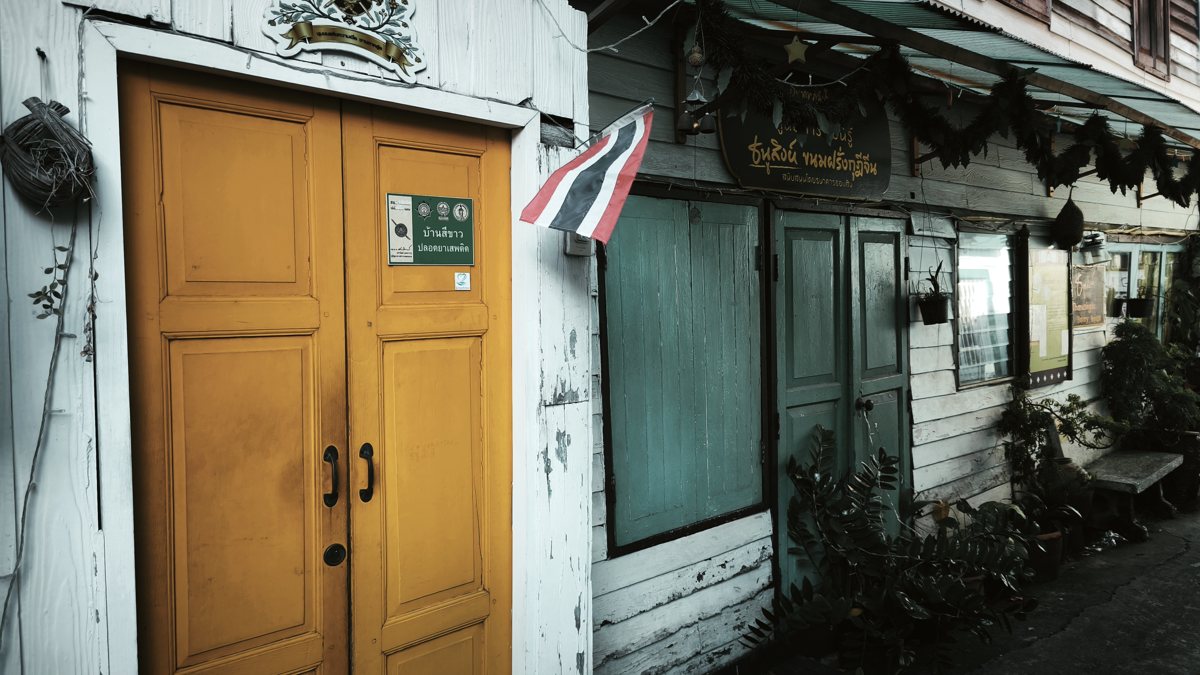
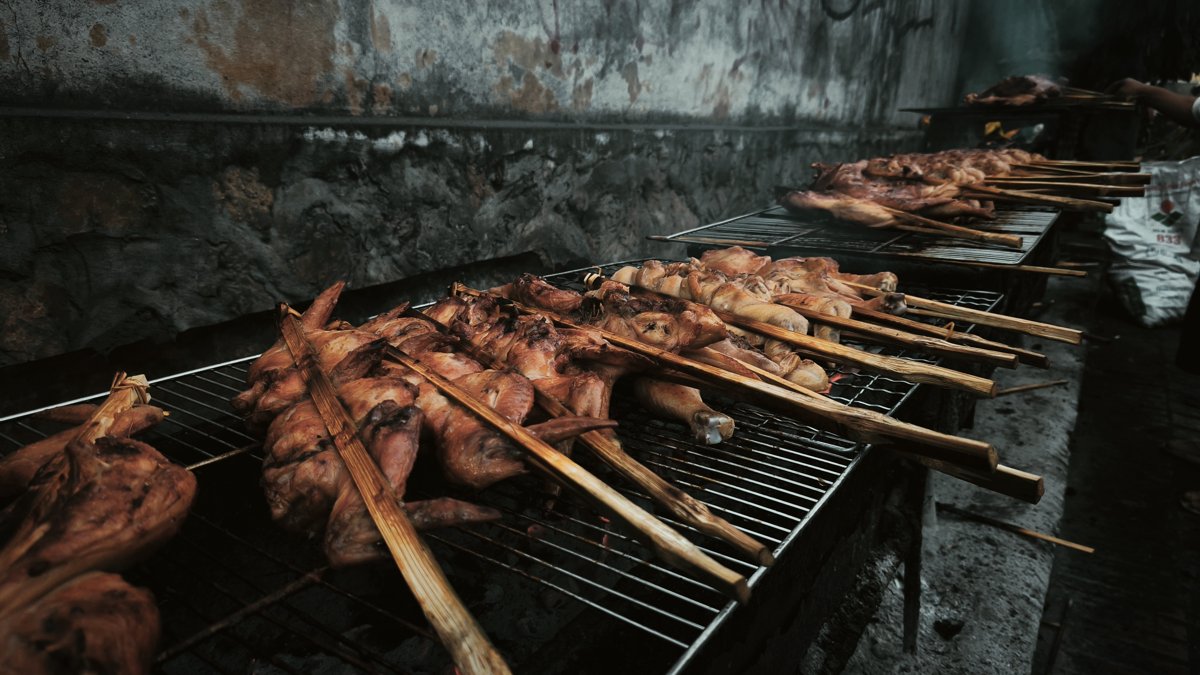
Kudi Chin is an old colonial crease that Bangkok never quite managed to iron out.
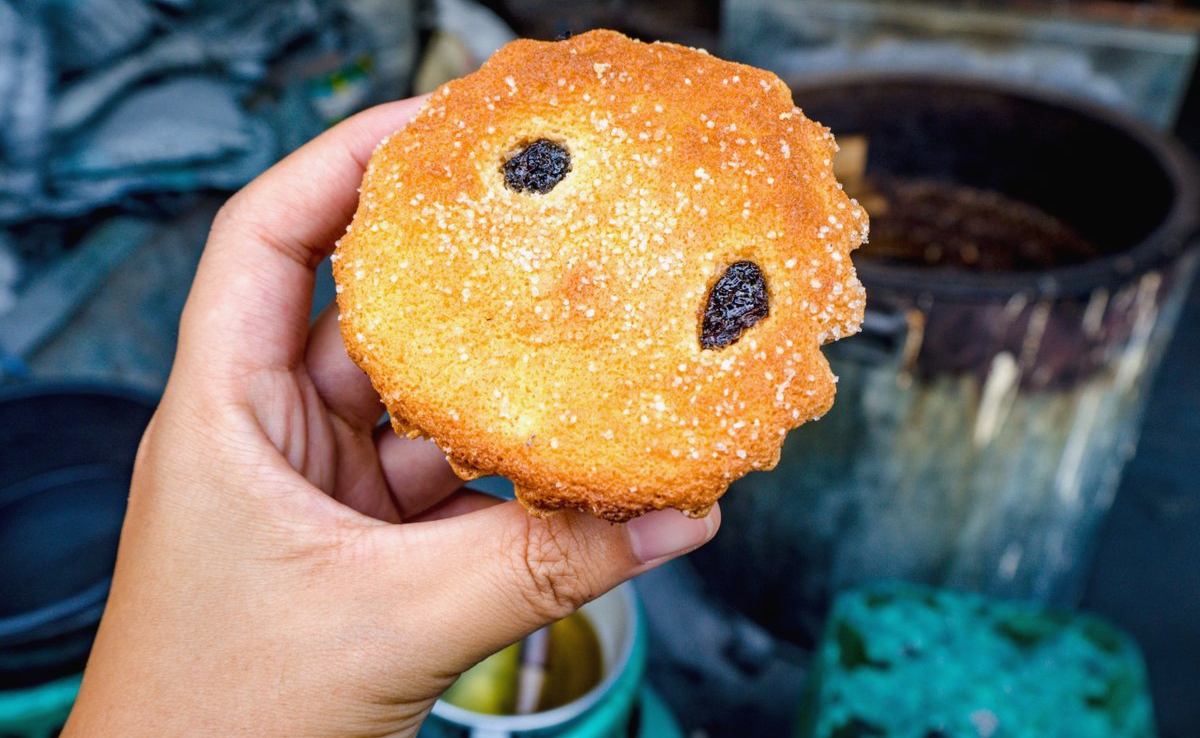
It was born of gunpowder and blood. The Portuguese landed in 1511, not as tourists, but as mercenaries who knew how to make firearms talk. After the fall of Ayutthaya in 1767, they helped King Taksin claw the country back; in exchange, they got this stretch of the riverbank. Not a ghetto, but a fusion: Lusitanian men, Mon or Chinese women, a mixed-blood community that took root without a flag. The names are Thai, the faith is Catholic, and the Barcelos rooster struts around as a smirk to their origins. Memory lives on the plate: khanom farang, a sponge cake from another century, and above all, the chili. Without the Portuguese, Thailand would still be eating bland.
At the center, Santa Cruz church stands watch, its bell tower planted where temples and stupas brush past without canceling each other out. Kudi Chin isn’t a story of conquest; it’s a masterclass in how to stay by blending in. It’s the antithesis of French arrogance in Indochina, which arrived with its right-angled blueprints and its pretension to civilize by decree.
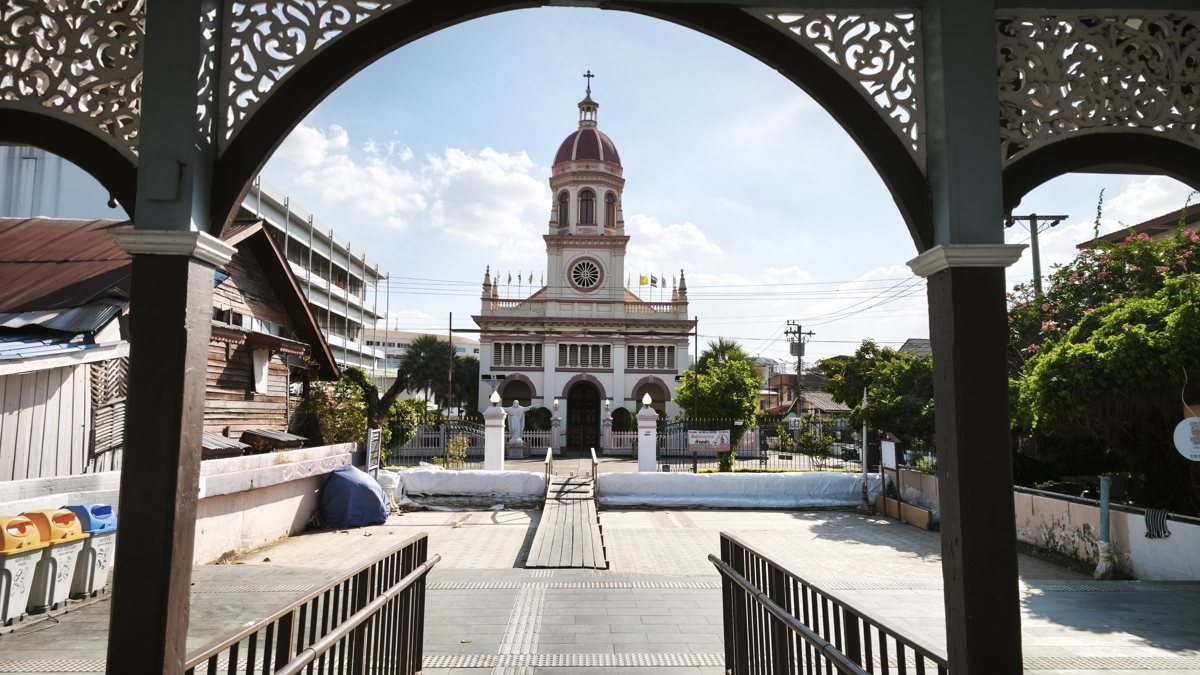
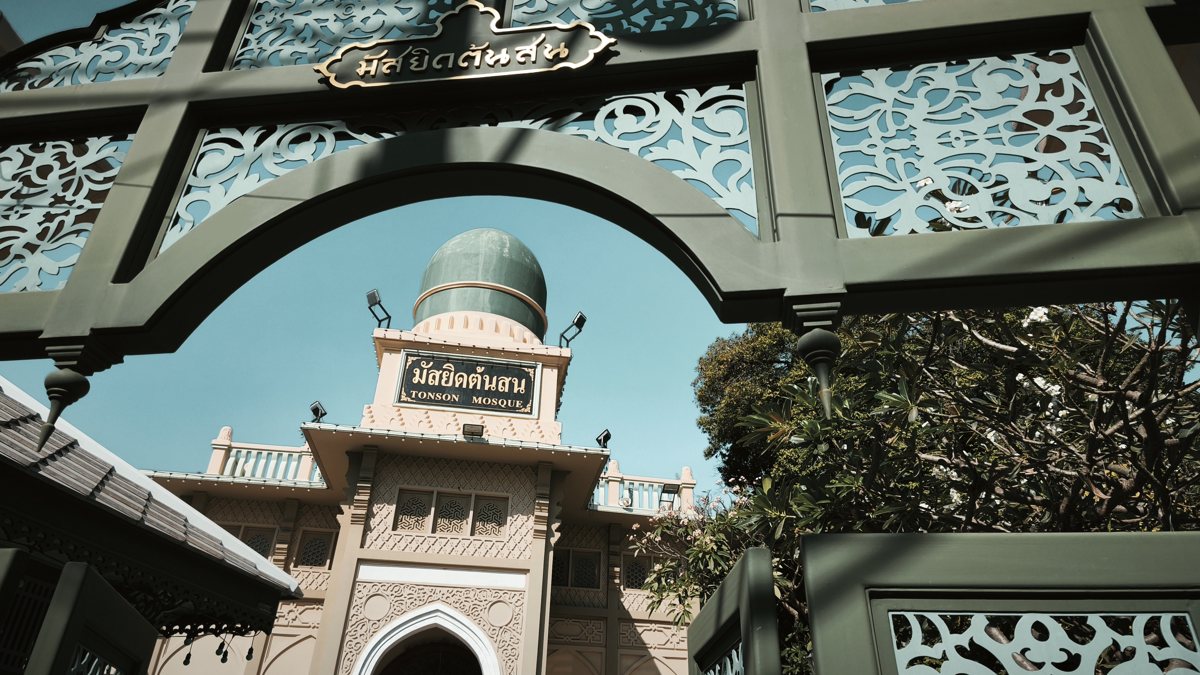
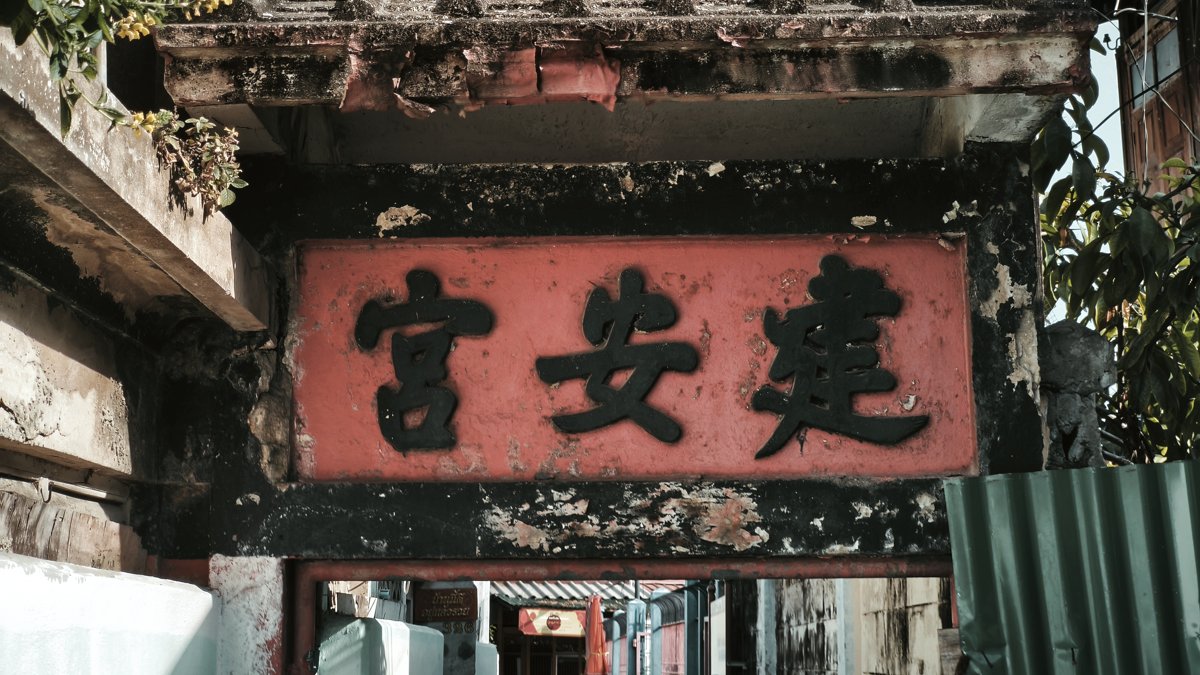
The Baan Kudichin Museum is the skeleton key.
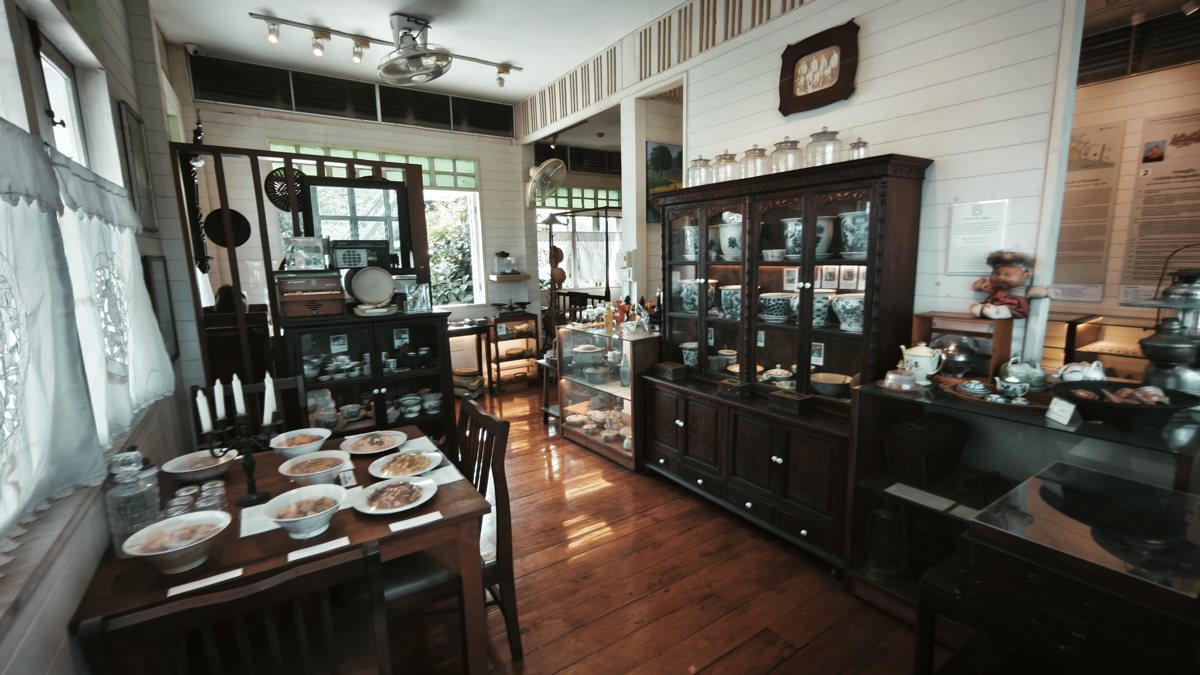
Tucked into a local house, this private initiative unfolds the story of the first settlers—their slow rooting, their endurance without imposition. The old parquet creaks, ancient furniture whispers, and grainy black-and-white photos give a face to the ghosts. No flashy displays: history is kept at eye level. Downstairs, the café offers a breather before you dive back into the alleys, where even the cats have a Mediterranean nonchalance.
You write with a sniper rifle. Well done !
Good to know our scopes are aligned !