
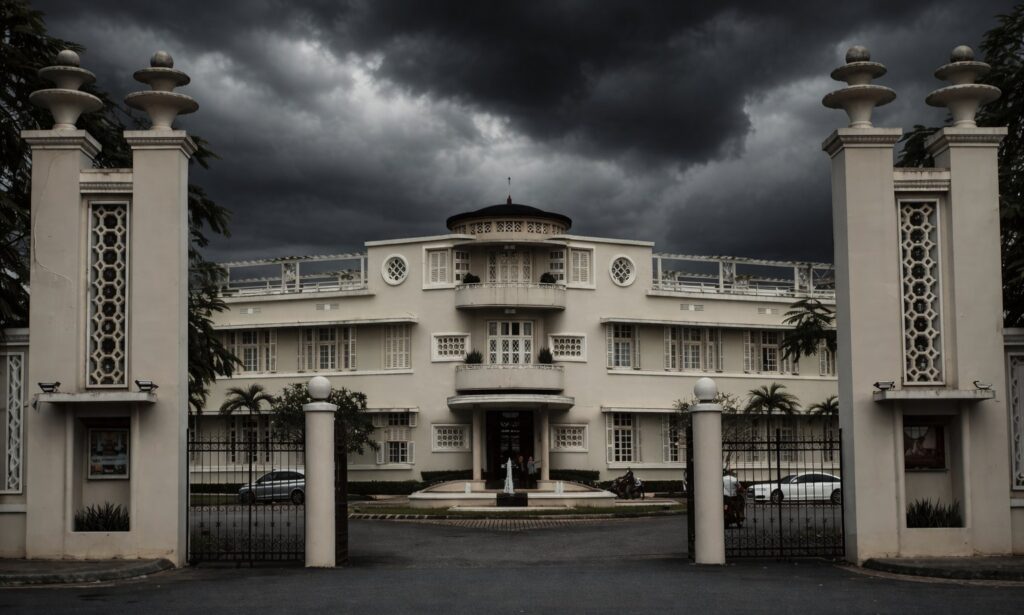
In Hue’s imperial wardrobe, heavy with brocades, symbols, and soaring rooftops, Azerai La Residence cuts through. Where the Citadel and the tombs pile up metaphors, it imposes the rule of the straight line.
It is the shift from a rigid, over-ornate coronation robe to the midnight white tuxedo of an old dandy who no longer seeks to seduce.
Barefoot in his Repetto loafers, a cigarette holder between his lips, he strolls along the Perfume River without ever rushing. No frills. A taut, almost dry elegance inherited from Art Deco: clean lines, rare gestures, a refusal of the superfluous. Every line puts you in your place.
Every detail tells you: you pass through; I remain.
A polite insult to imperial rigidity
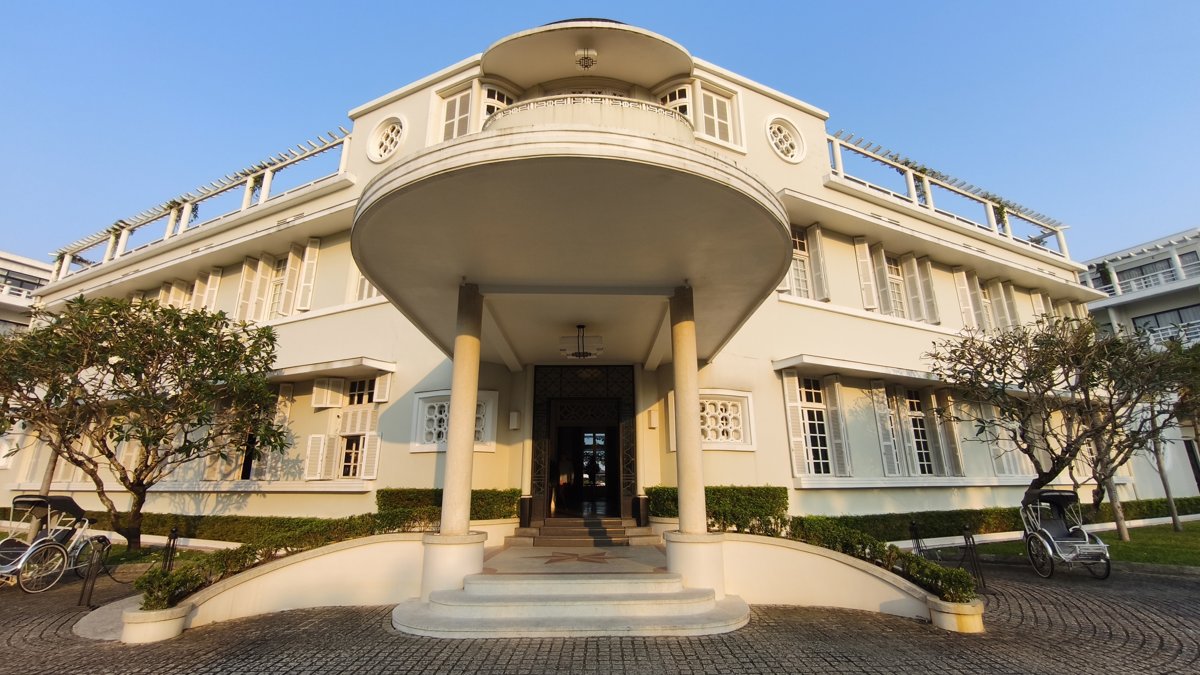
Set directly across from the Citadel, on the south bank, the residence, built in 1930 in the Streamline Moderne style for the Resident Superior of Annam, didn’t just change style.
It changed the rules. Ritual gave way to worldliness.
The dragon to the vanishing point. Where the imperial court demanded prostration, Art Deco invites nonchalance.
It is the shift from a bent spine to the tilt of a champagne glass.
Art Deco is the architecture of the Roaring Twenties, ocean liners, casinos, cinemas, grand hotels. The architecture of reception, of cocktails, of jazz. You don’t bow to a sovereign here; you lean against a bar, watching the river go by.
Unbothered.
The elegance of movement
Nearly a century on, the charm holds because this style never tried to look old or look rich. It aimed for something harder: precision and ease. Where Neoclassicism asserts authority through weight, Art Deco disciplines it through movement.
It doesn’t break protocol. It makes it desirable.
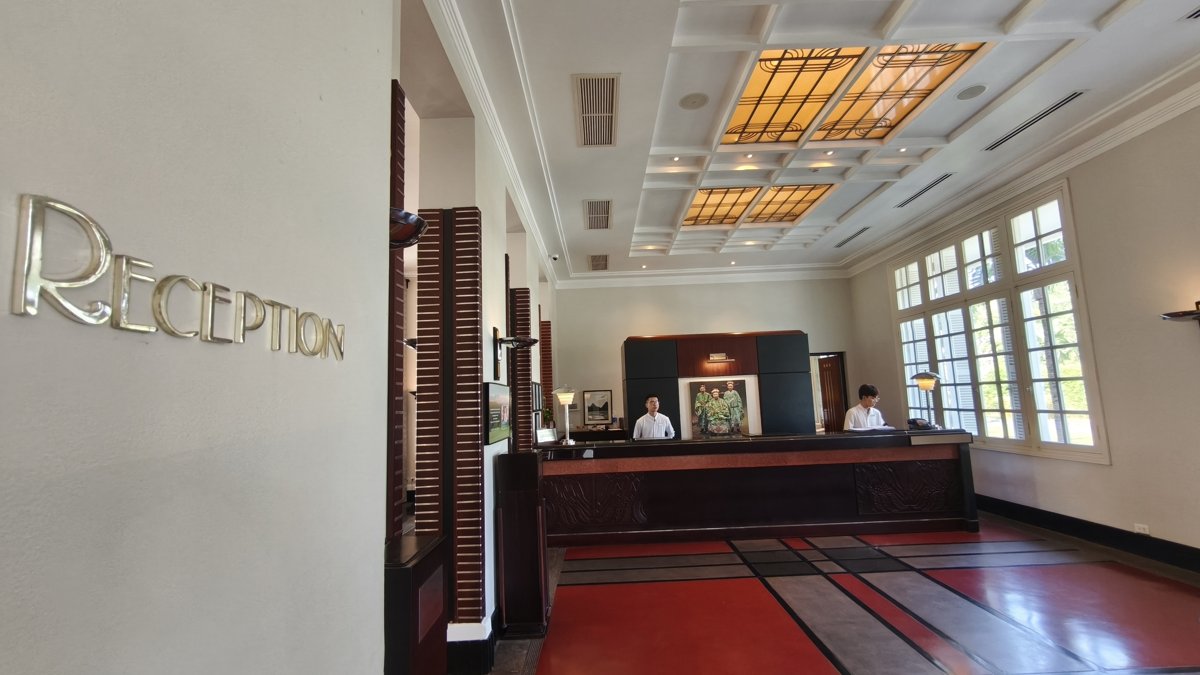
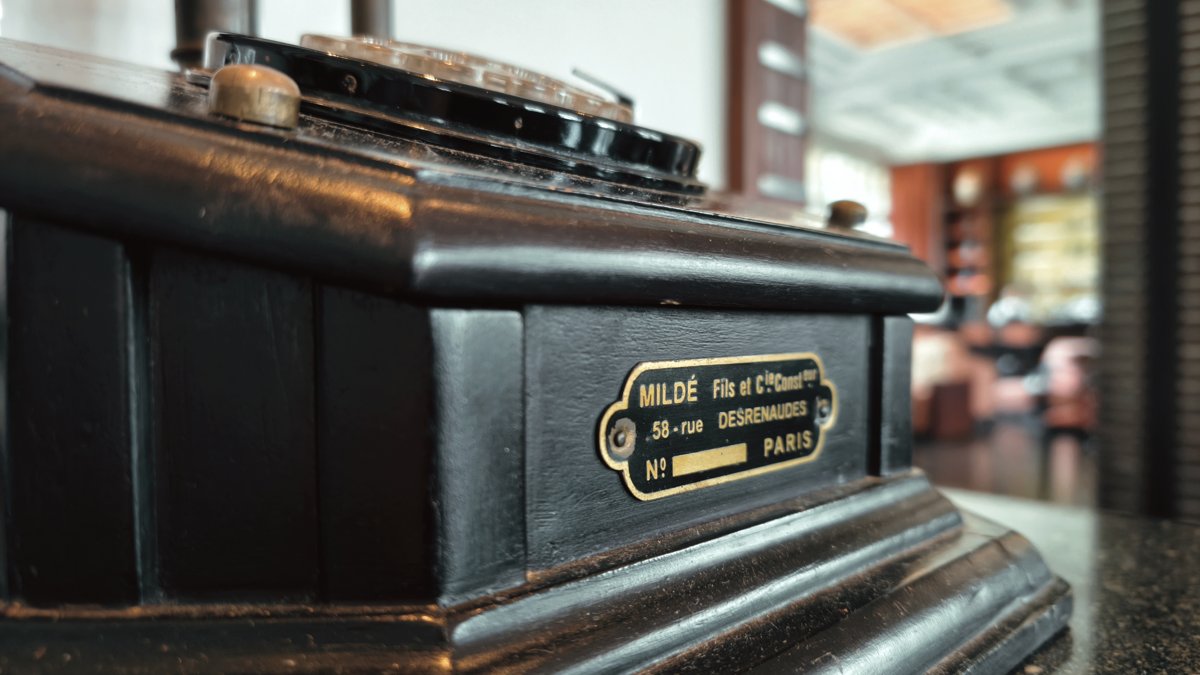
In the hotel’s historic wing, the old dandy has kept the original fixtures, an act of aesthetic defiance.
Out of sheer coquetry, he refused the elevator. He knows there is nothing more exact than a woman in an evening gown descending a staircase. It is a risky exercise. The banister, polished by decades of hands, may betray you. Still, it is always his arm you take.
Tonight, it is Renée Dunan.
A short laugh. A sharp gaze.
She tore through Indochina in the 1920s and 30s like someone crossing a minefield, running, laughing.
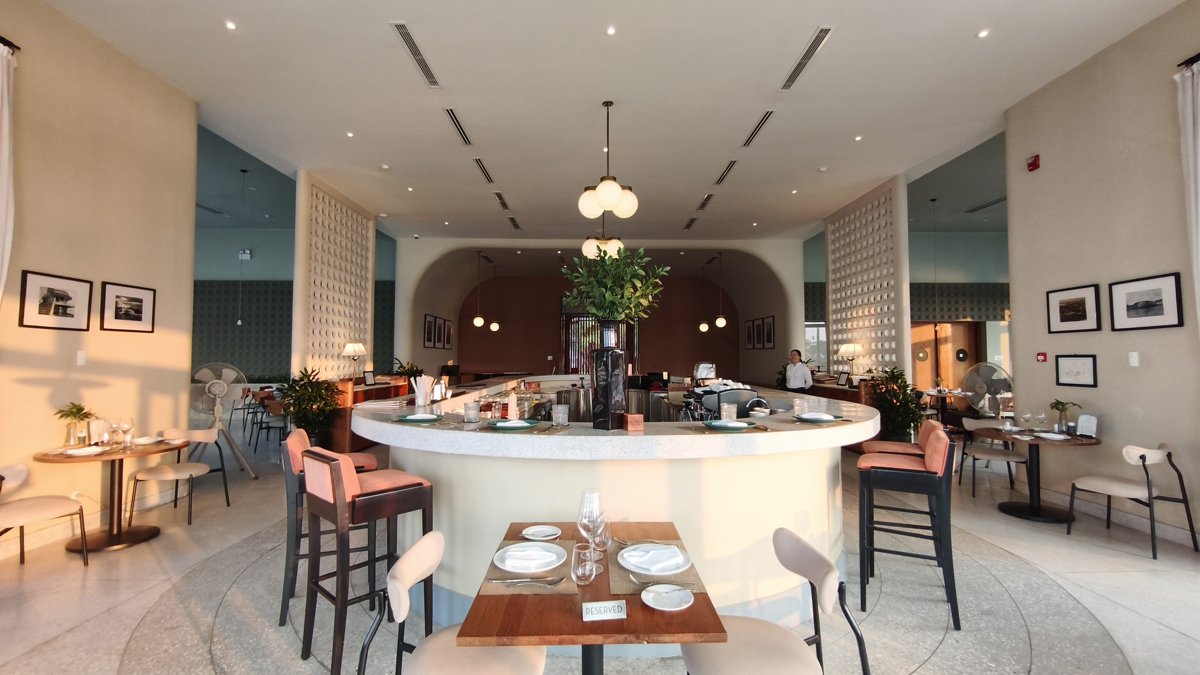
She liked the hotel’s Streamline Moderne for the same reason one likes a blade: fast, aerodynamic, stripped of fat. He leads her. Without a word. All the way to Le Cercle, leaning out over the Perfume River.
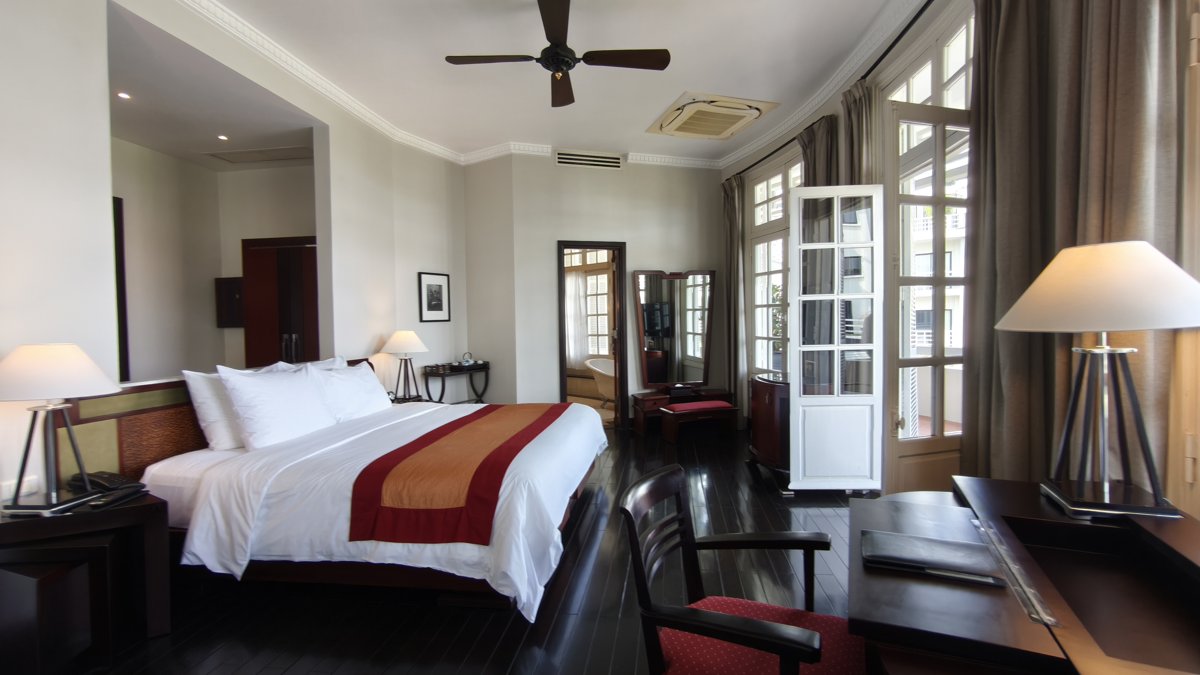
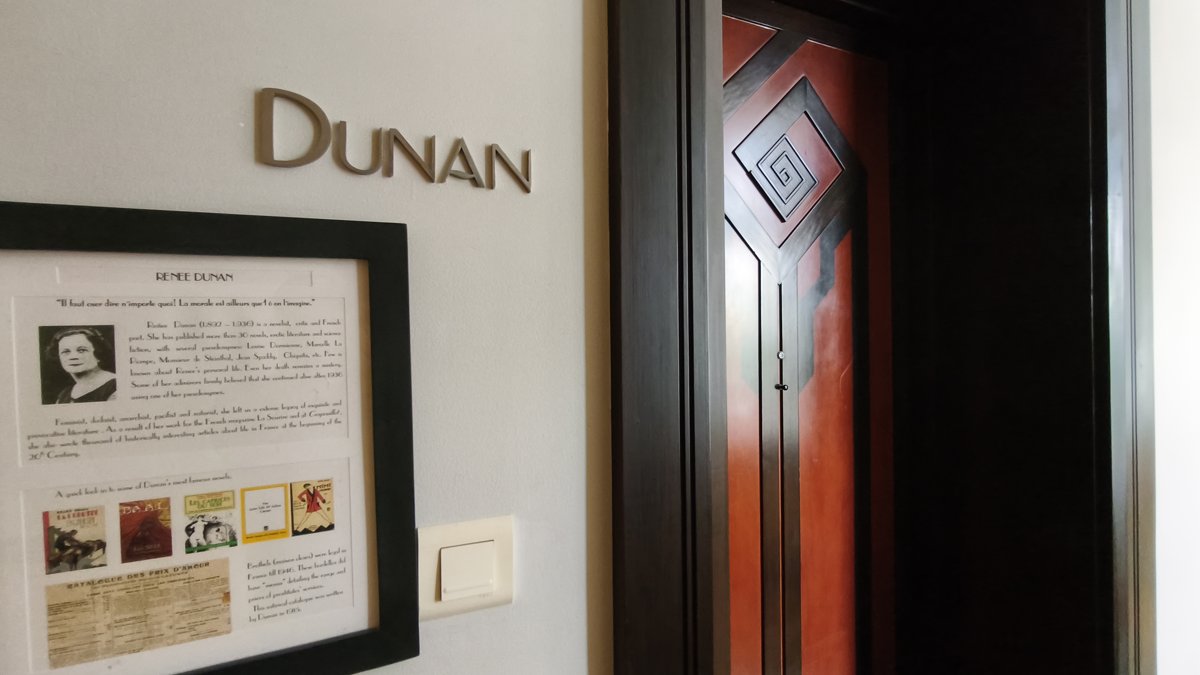
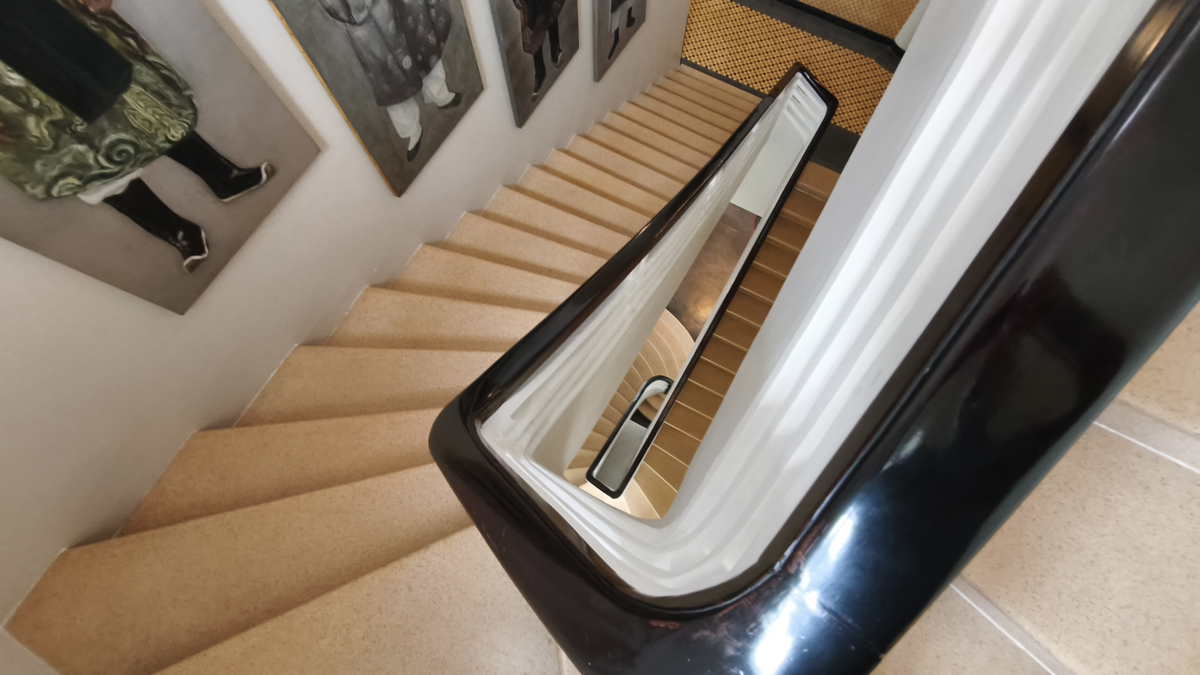
Evening dress, controlled drift
If La Residence is a well-cut suit, Le Cercle is the boutonnière.
An extension over the Perfume River, taut lines, almost naval. The dandy lets go of her arm. The captain takes over.
His cuisine sways between land and sea, refusing to anchor in folklore. No show of force. Just precision. You don’t dine. You sail. Each plate is an unexpected port of call.
The last cocktail has cast off.
You are a stowaway on a white concrete ocean liner that will never return to port.
The band plays.
The ship holds.

I love your articles, but particularly this one. The section I find most powerful is the shift towards Renée Dunan, the hotel asking her to dance, ‘leading her without a word’ right up to the bar suspended over the Perfume River. And the ending, with Le Cercle transformed into a white concrete liner that will never pull into port, ‘you are a stowaway’, that is precisely the kind of clever twist I love.