
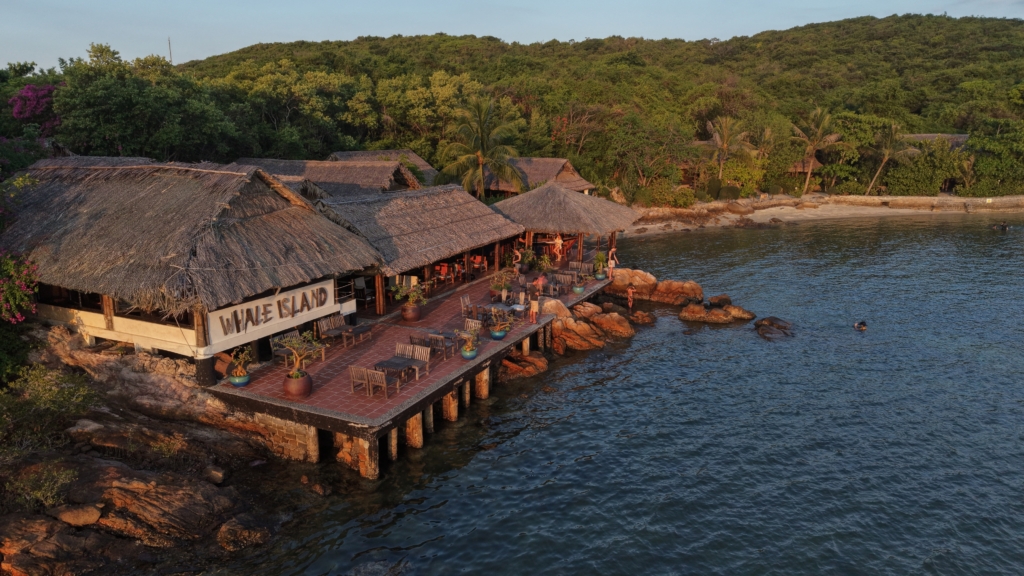
Twenty years now that Whale Island has been breathing its salty breath down my neck.
First as a myth, overheard at a bar counter in Hanoi. Then as an unattainable dream.
Finally, as daily life.
We tamed each other.
We parted ways.
I watched it from afar for years, carrying the strange feeling that it was living its life without me. The storms passed. The coral grew. The trees got taller. So did the men.
And like all stories that matter, we ended up finding each other again.
The genesis
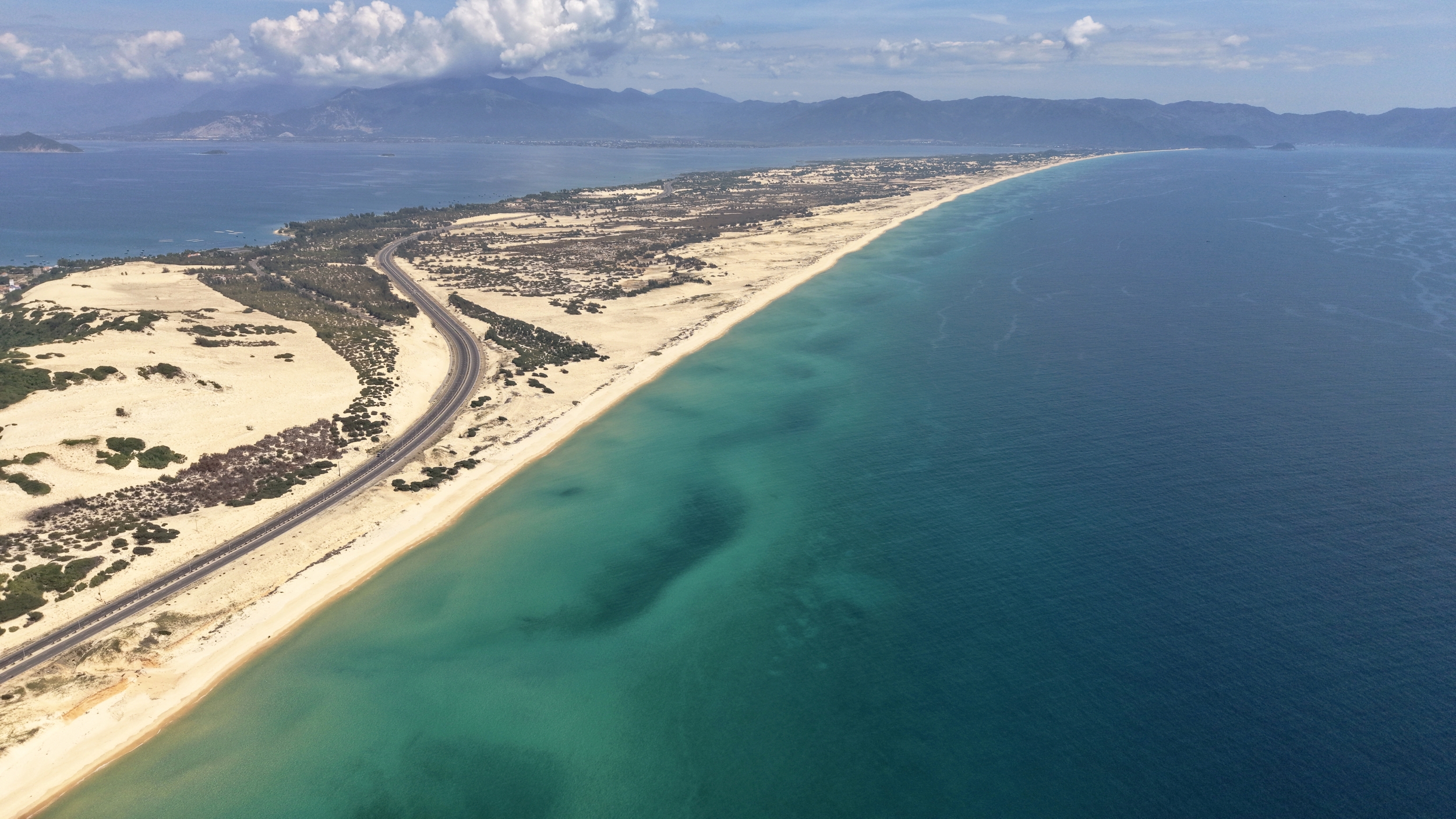
My history with Whale Island began in the mountains of Northern Vietnam.
A long way from the shores of Vân Phong Bay.
It was among those razor-sharp ridges that I first fell for this country. And when you fall in love with these bone-shaking lands, you naturally gravitate toward those who know them best.
The bar was the social network of the era. Over a beer, we listened to the stories of those who had cut the trails long before us. The bone-breaking roads, the breakdowns, the makeshift nights at locals’ homes, the staggering backdrops, the throat-burning rice wine.
The good life, period.
In the early 2000s, two legends entered my very tight circle of figures I secretly idolized. The boisterous Fredo Binh, who embodied a tourism of gut instinct, truth, and improvisation. A guy who refused to sell tours, but forced you to take risks.
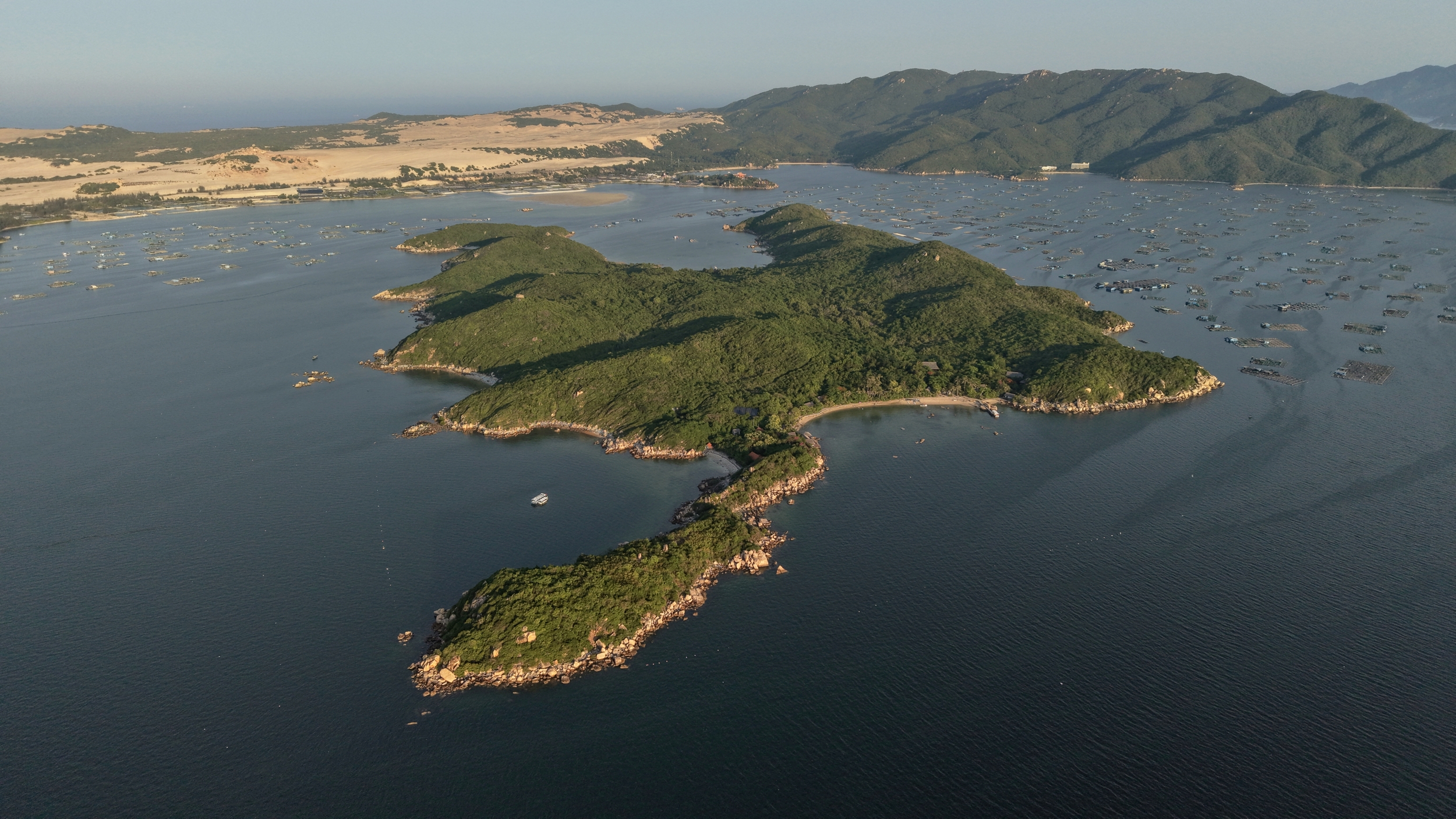
And then there was Michel Galey, a true pioneer of adventure tourism in Vietnam. Quieter, almost elusive. A man rumored to split his time between the jagged folds of Hoàng Su Phì and a lost island north of Nha Trang called Whale Island.
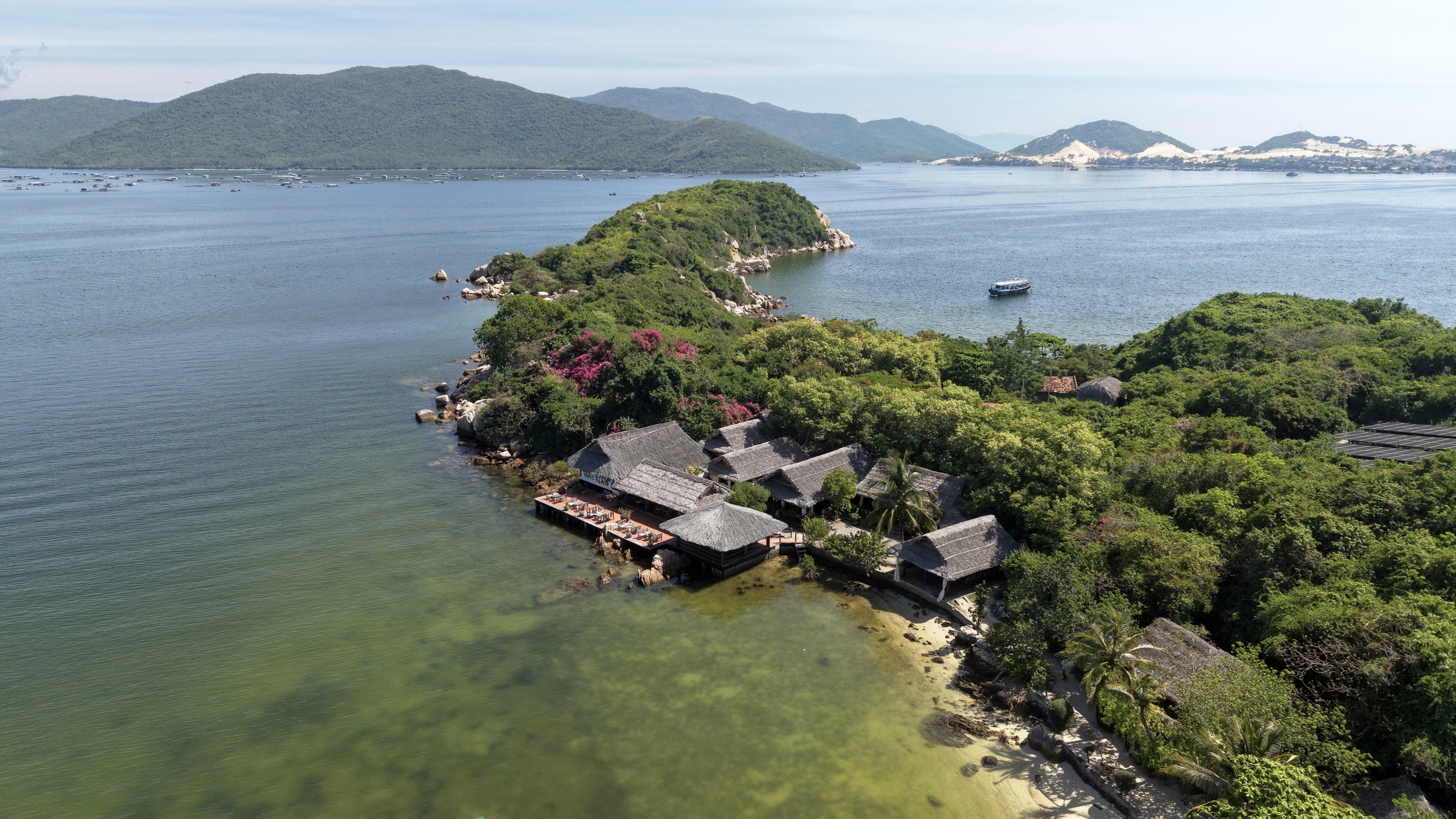
A name that made me dream because, to my eyes, it was the exact transposition of the raw, fierce simplicity I worshiped in the North, but flipped into a coastal version. There, on a rocky speck of dust, in a tourist no-man’s-land, Michel and his wife Lan Phương had carved out a Robinson Crusoe dream of bamboo and thatch.
Not to build a resort.
But to prove you could still inhabit a place without first tearing it apart.
The encounter
So, when in March 2009 an associate of Michel and Lan Phương offered me the manager’s job, it took me exactly ten minutes to say yes and two days to leave Hanoi, pack my bag, and reach the island.
Some decisions take a lifetime.
Others know they’re already made.
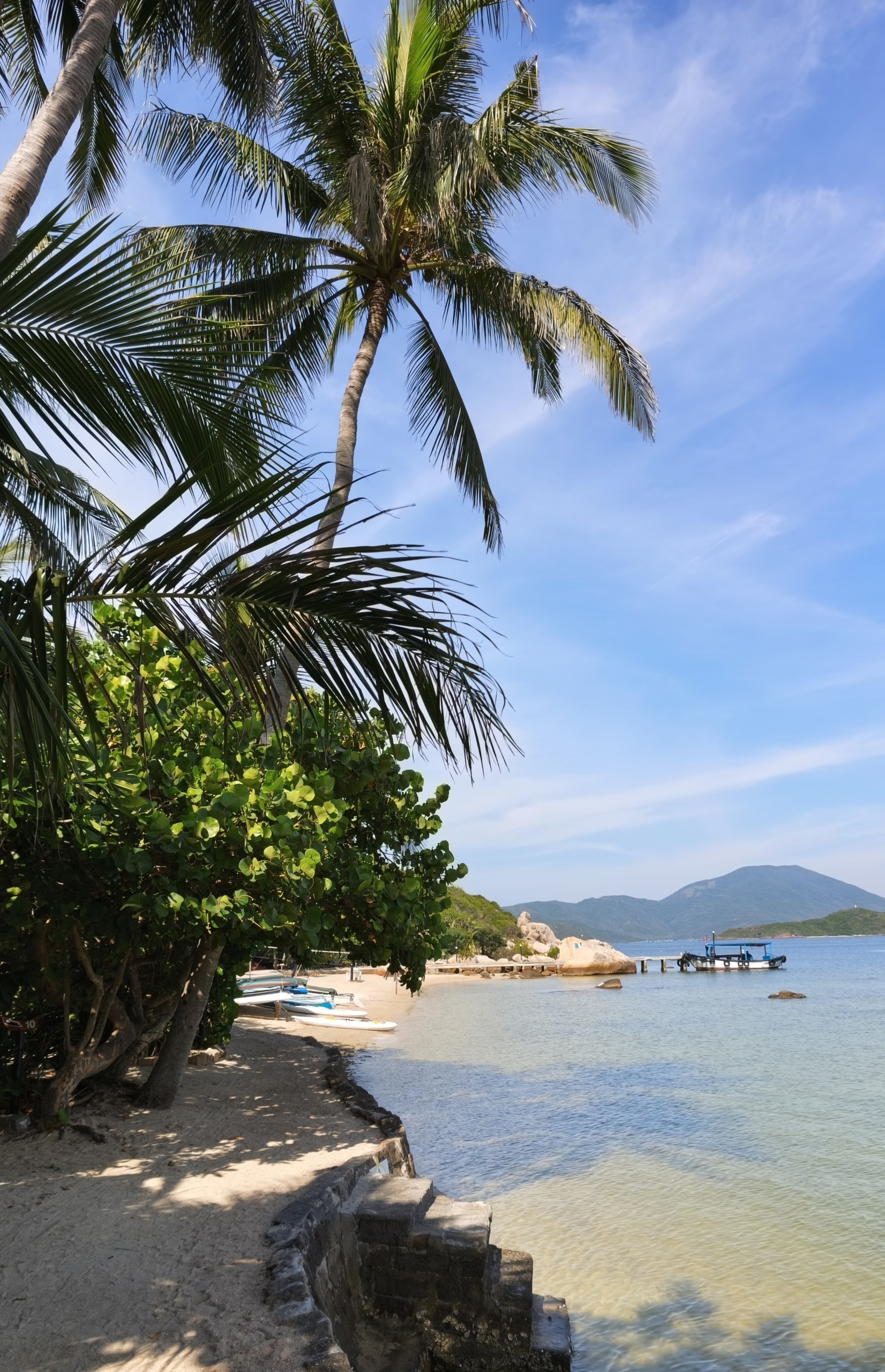
As kids, we all scribbled that circle of sand in the corner of a scrap notebook—three crooked palm trees and a red cross to bury the pirate booty. The island is the primal escape fantasy when you’re rotting with boredom at the back of the classroom.
It is the geography of the absolute clean break.
Hòn Ông is the island of the kid who refused to grow up or sell out. When Michel and Lan Phương pitched their fishermen’s shacks on this godforsaken rock in Vân Phong Bay, they didn’t build a hotel. They sanctified the original drawing. The one where nature rams straight into you.
Right away, I understood that here, the guest was not king. Nature governed.
On Hòn Ông, you don’t run a hotel.
You guard a territory.
Often on borrowed time.
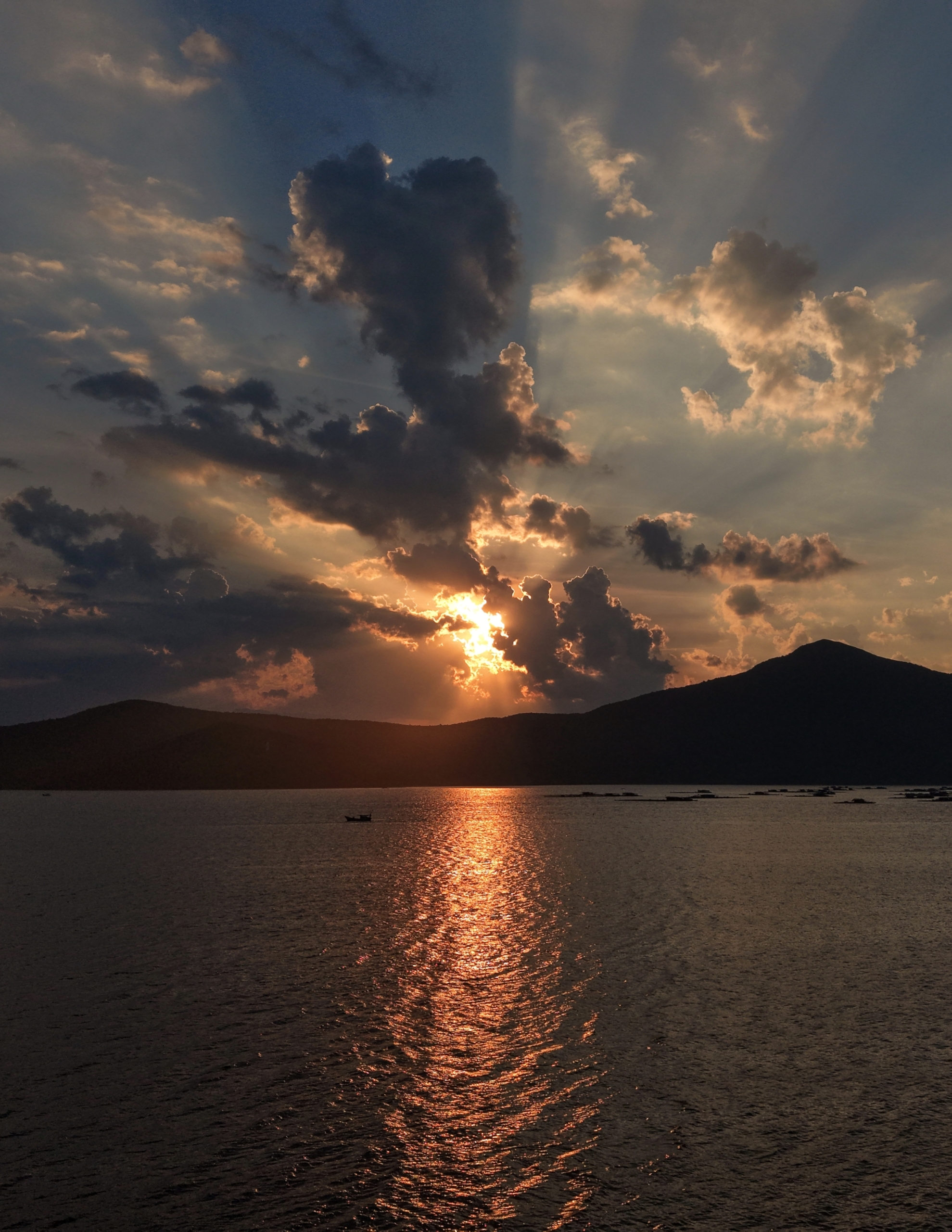
Picking up the pieces after the October 2009 typhoon. Scraping the beaches clean of plastic spat up by the sea. Monitoring the reefs. Watching for birds, muntjacs, marine life. Fretting over every project that threatened to wreck the bay’s balance, right up to that mega-deepwater port project that hung like an anchor over our heads for years.
But the trouble with an island is that by dint of staring at the horizon, it always ends up giving you ideas of elsewhere.
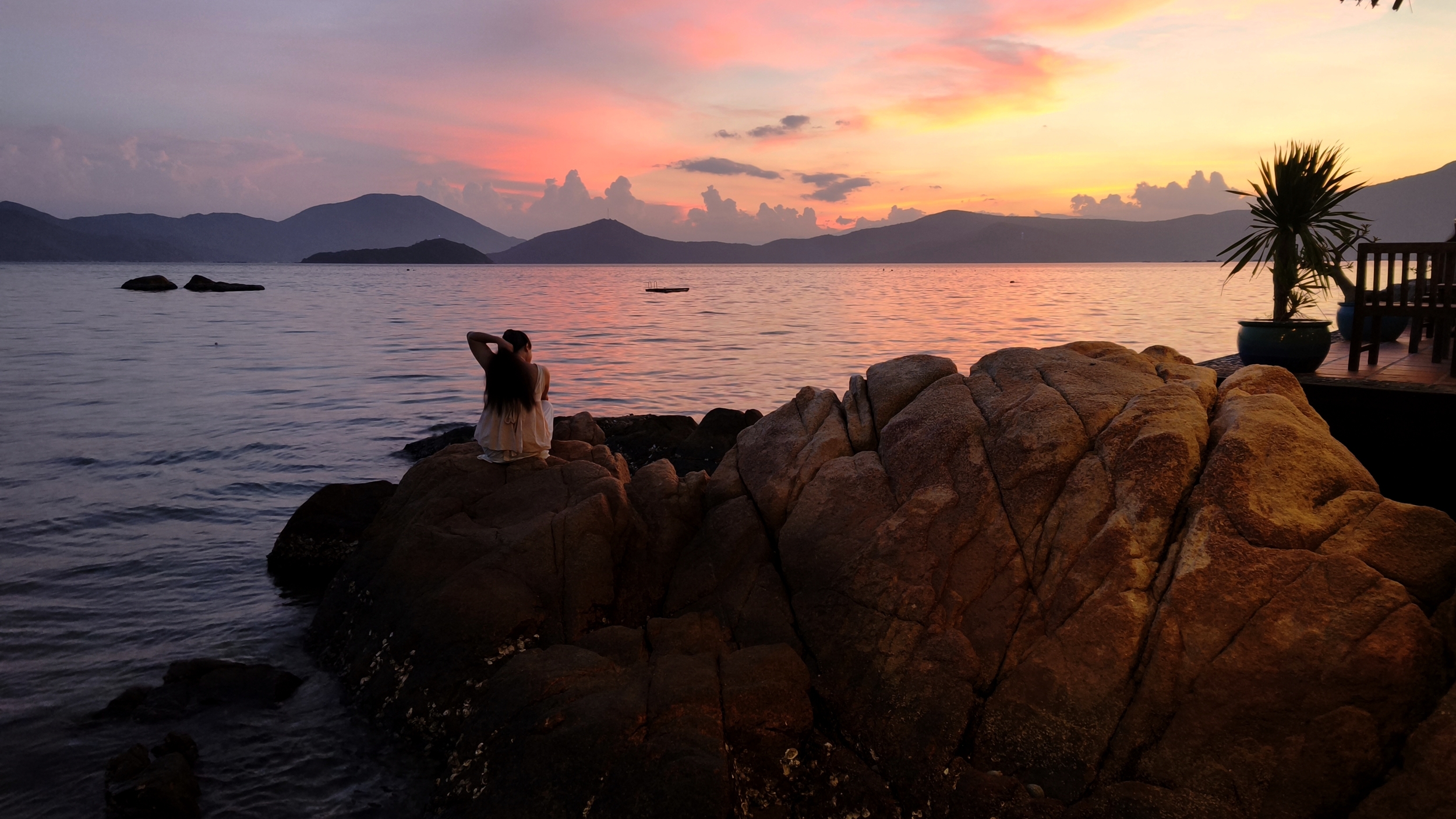
The return
The 2016 reunion, just to wish my old crew a happy new moon, was anecdotal. The real one happens ten years later. On the eve of its thirtieth anniversary.
In the meantime, Michel and Lan Phương had slipped the lines and handed the helm to a new owner. One question obsessed me: had he held the course? To judge by the social media photos and the new website, nothing had changed.
Images promise continuity.
Images lie sometimes.
This return, fifteen years after I first stepped foot here as manager, is a head-on collision with reality. Memory no longer has the right to cheat.
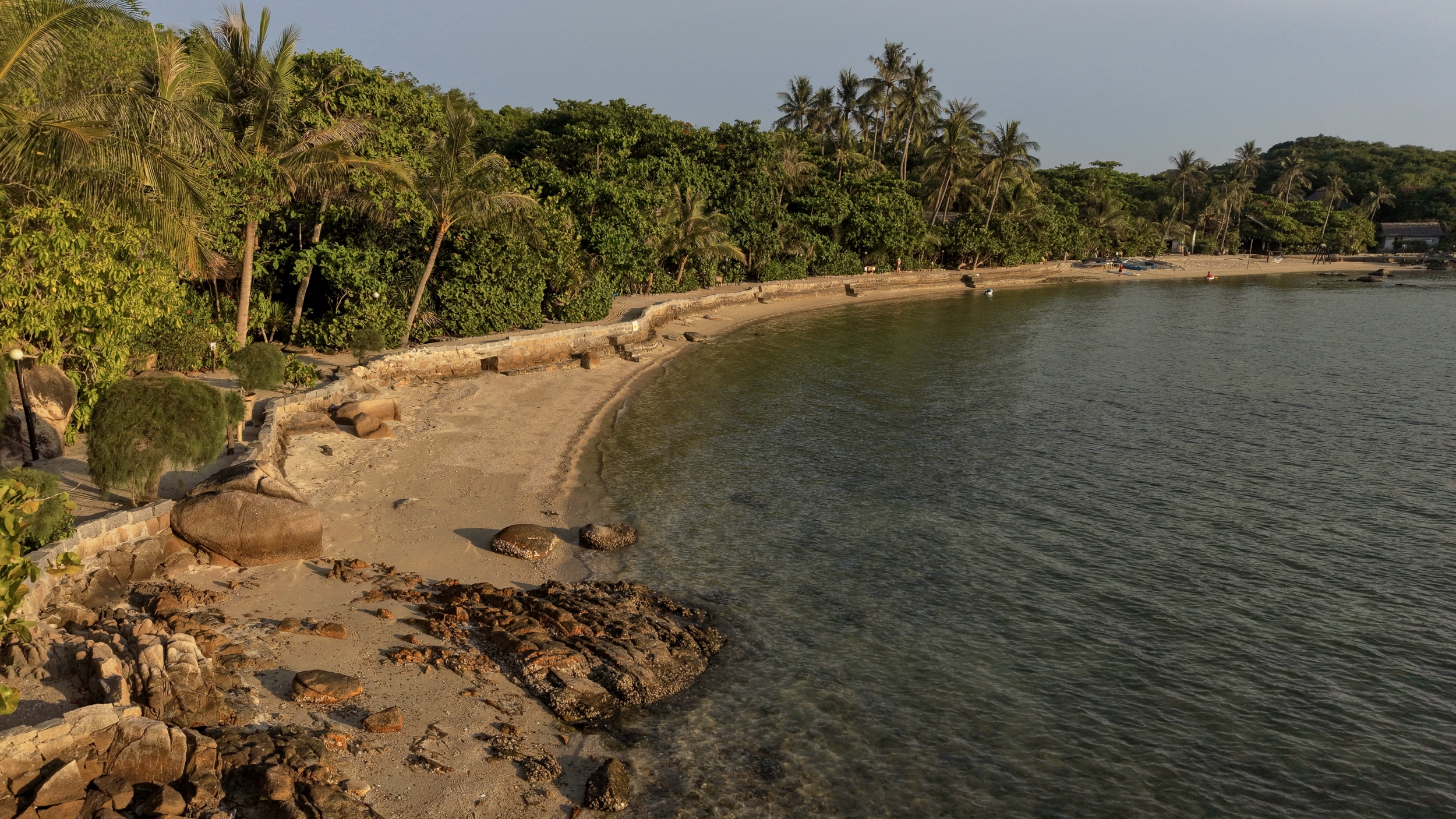
As the boat rounds the rocky headland and the island finally appears, a first wave hits me: sheer relief.
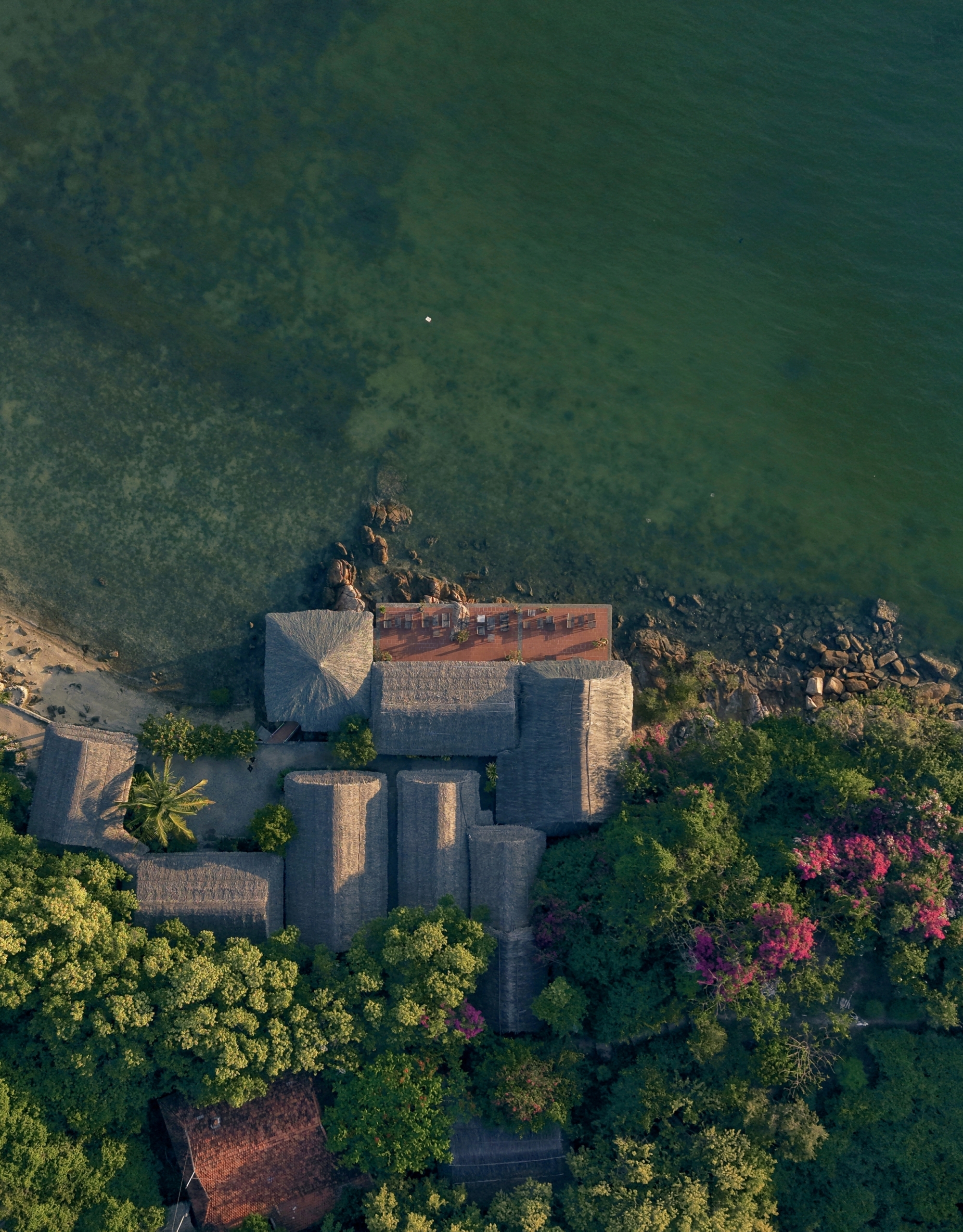
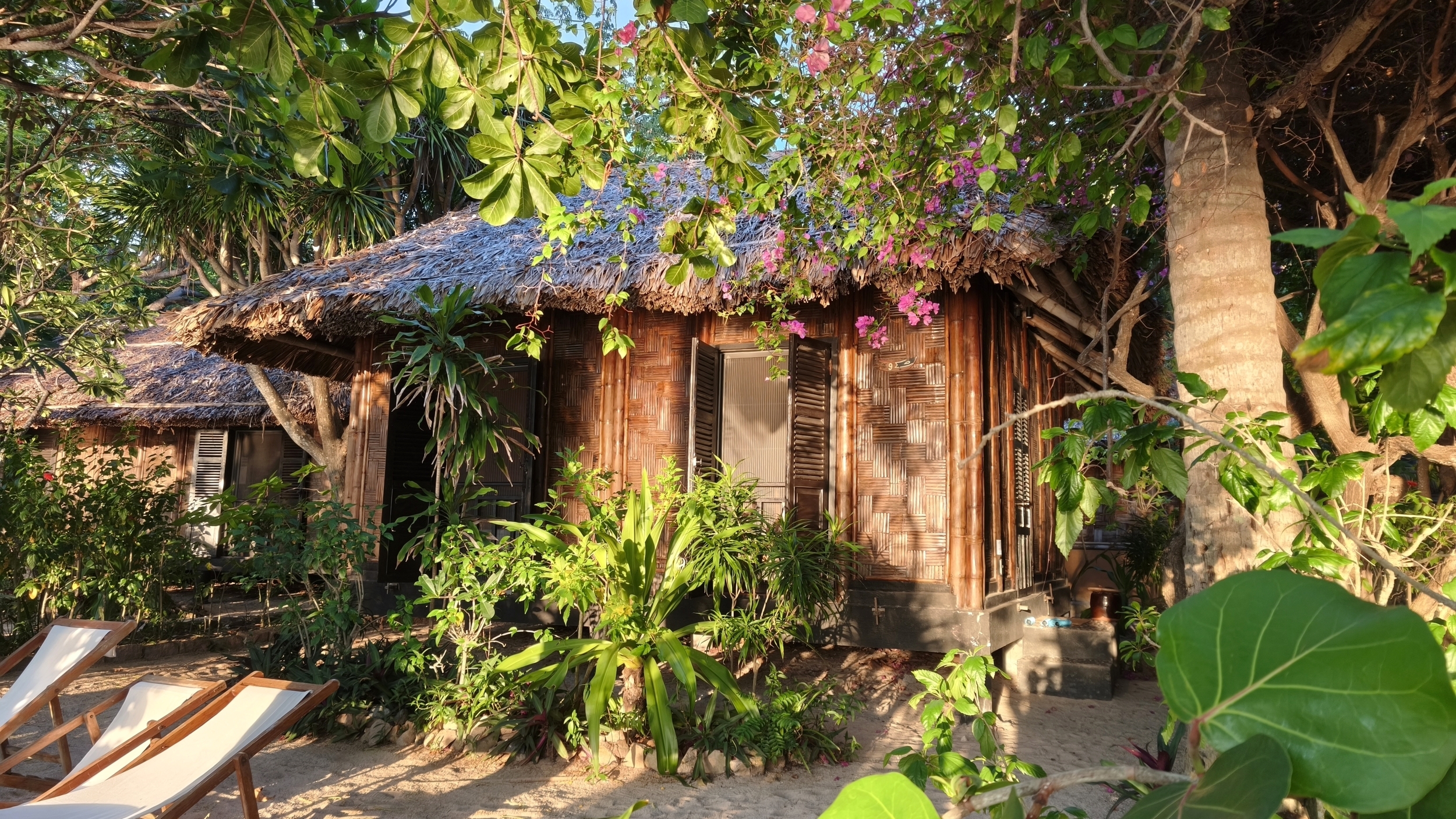
Everything seems in its place. Better yet, the jungle has kept working, swallowing the bungalows a little deeper. From the sea, you’d almost think they never existed.
And yet they are right there. Slightly expanded, sharper on the inside, but keeping their raw outer silhouette of bamboo and thatch intact.
No betrayal.
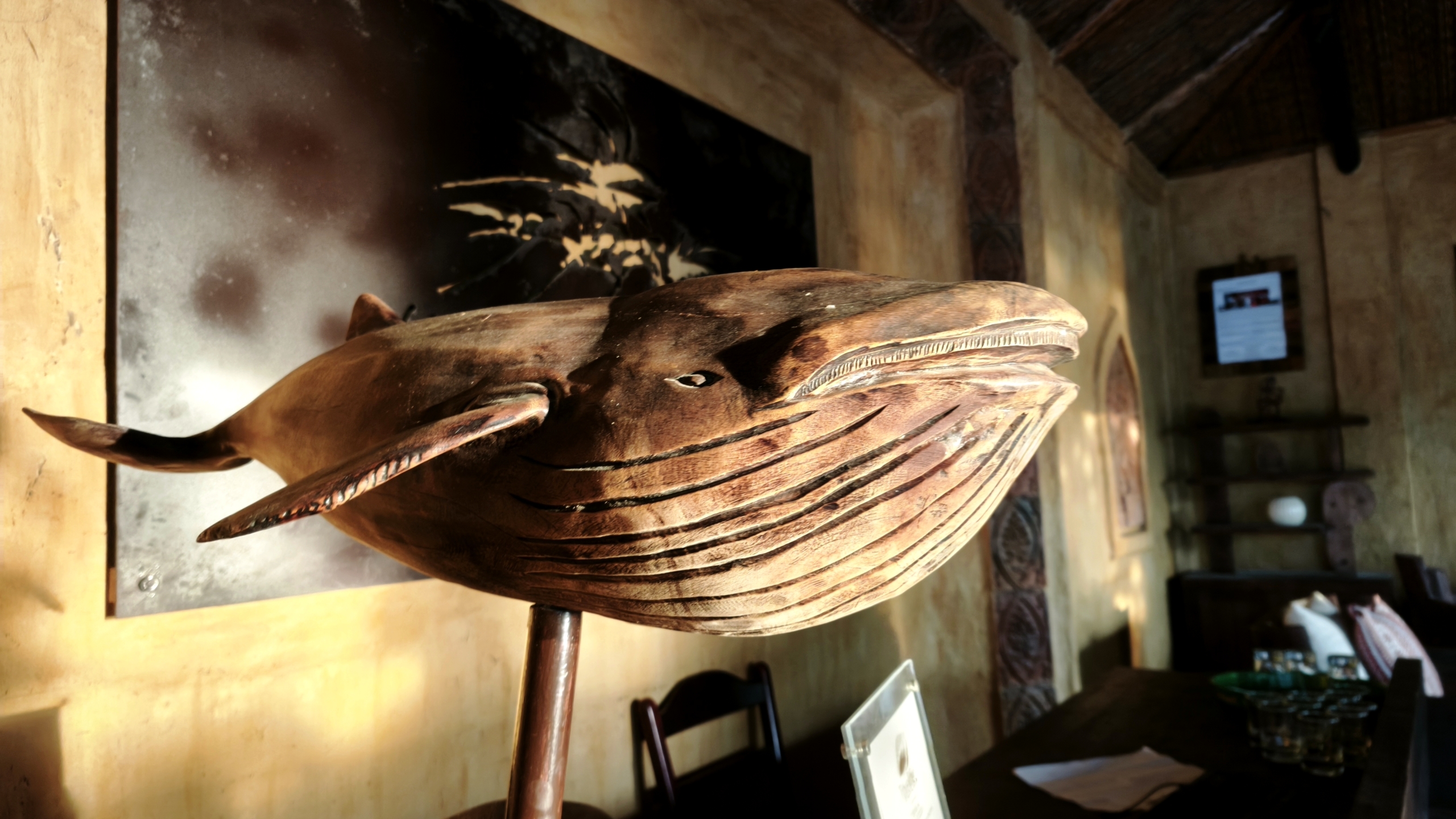
The new owners didn’t think it necessary to mask the island in makeup to make her desirable again. A few pieces of artisan furniture. A bit of driftwood. Details, not special effects. The island didn’t need to be reinvented.
Just a fresh pair of eyes.
The core hasn’t budged: that brutal sensation of being dead-alone facing the ocean. And the verdict holds across the board. The new owners didn’t buy some “reconnection to nature” label off a catalog shelf to buy themselves a clean conscience.
They chose to shoulder the heritage. By carrying on the work started thirty years earlier, they keep protecting this scrap of territory against the excesses of the outside world.
At a time when luxury is measured by the number of private pools, miles of manicured lawn kept artificially alive, imported cuisines, underground air-conditioned spas, and mega-structures crushing the coastline under slabs of concrete, Whale Island stubbornly refuses to enter the dick-measuring contest.
The real luxury, here, is having had the guts to add almost nothing.
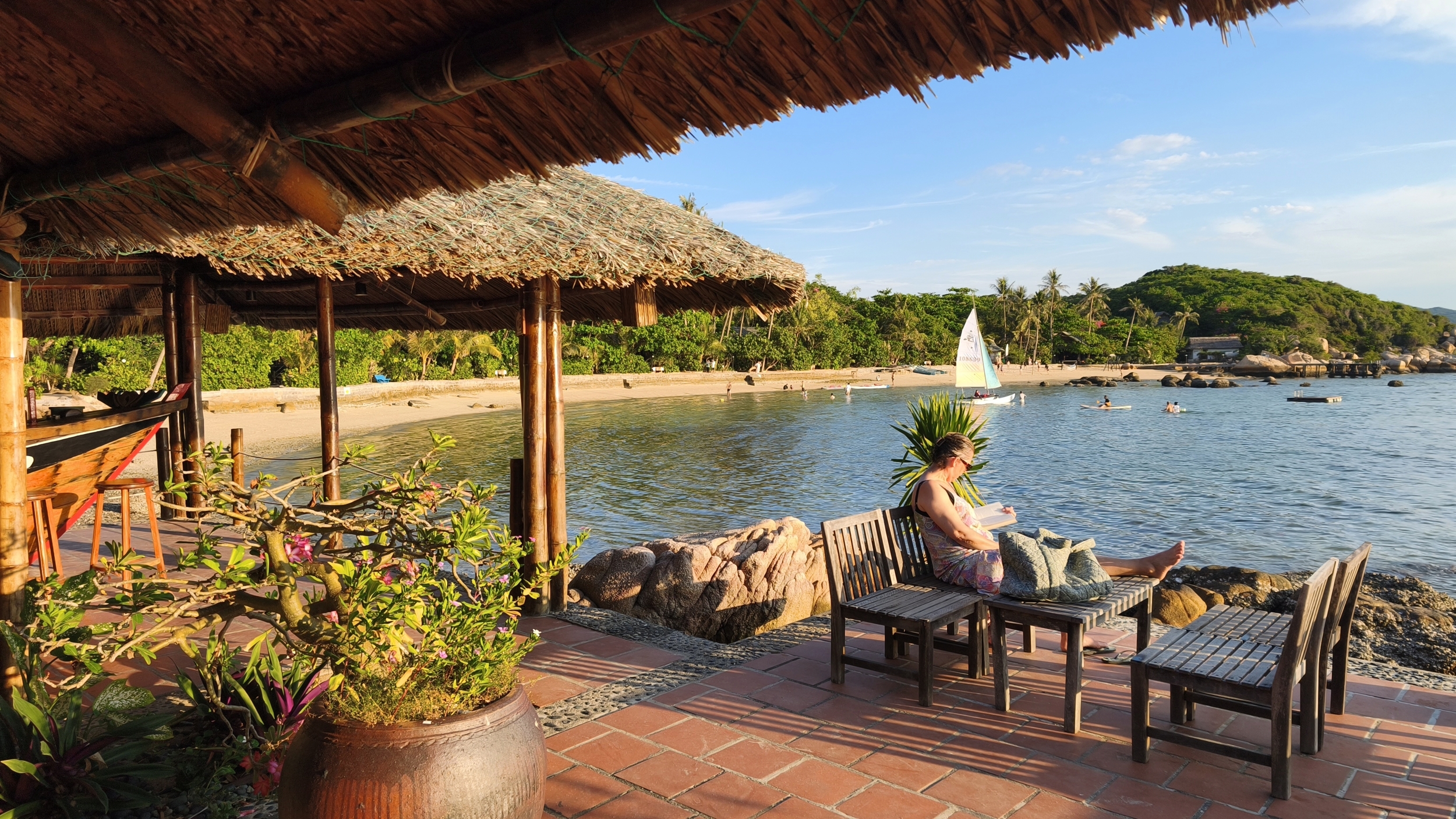
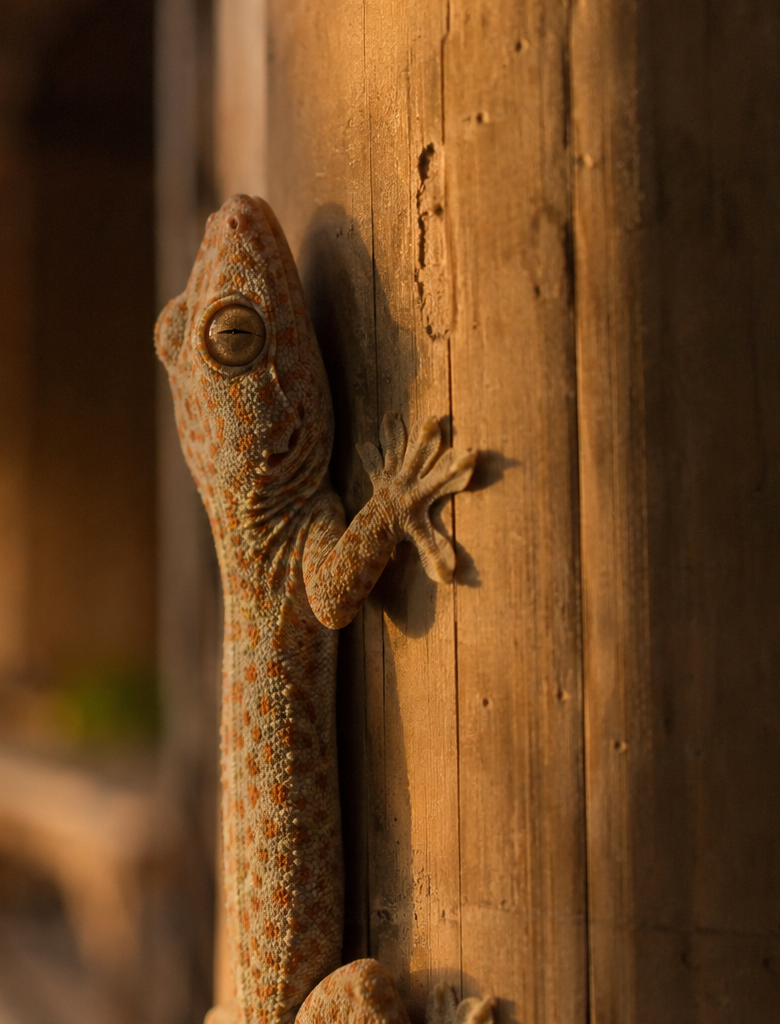
In an industry that only knows how to exist by building more, this rock hammers home a truth that has become deeply uncomfortable: the smartest building is sometimes the one you chose not to build.
Whale Island does more than hold the line.
It inflicts a lesson.
So what? Do I wish it a longer life than mine?
That’s already a done deal.
I absolutely love this article! The rich history and captivating descriptions of Whale Island make it sound like an unforgettable place. It completely sold me. I’m officially adding it to my travel bucket list !
Hi Andrew
Thanks for your comment but this isn’t a supermarket catalog. Please, leave the checklist at home. If you come here with a checklist, you missed the whole point.