
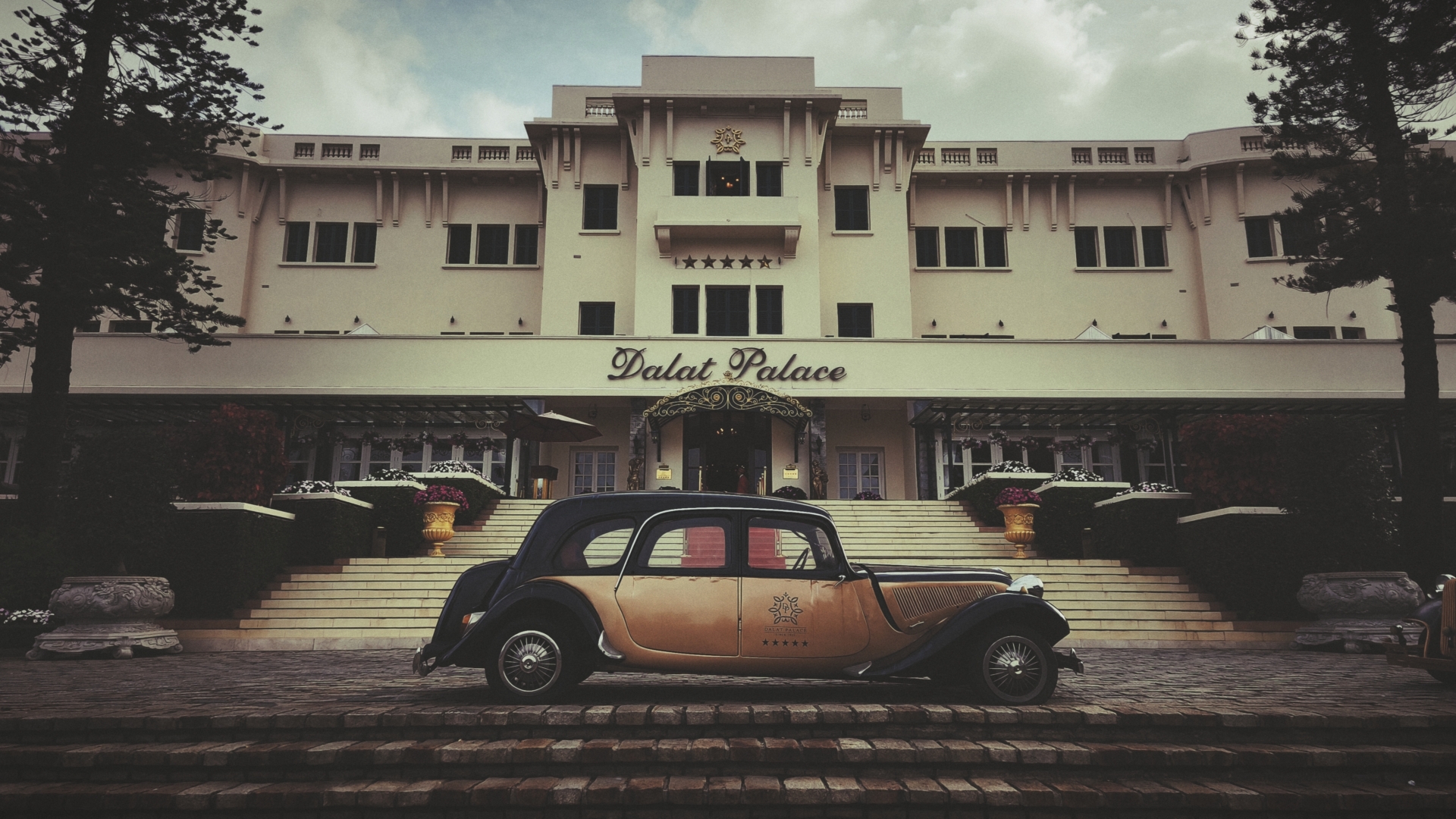
Checking into the Dalat Palace isn’t booking a hotel.
It’s buying a ticket to a period piece and stepping onto the stage without bothering to ask what part you’ve been given.
The Dalat Palace doesn’t need you to love it.
It needs you to play along.
To buy into a romanticized Indochina of thick carpets, tired woodwork and bedside rugs so gloriously old-fashioned they could have been lifted straight from another century.
Judge it by the standards of contemporary luxury and you’ve already missed the point.
The Dalat Palace isn’t a hotel.
It’s a set.
Your job is to step into it.
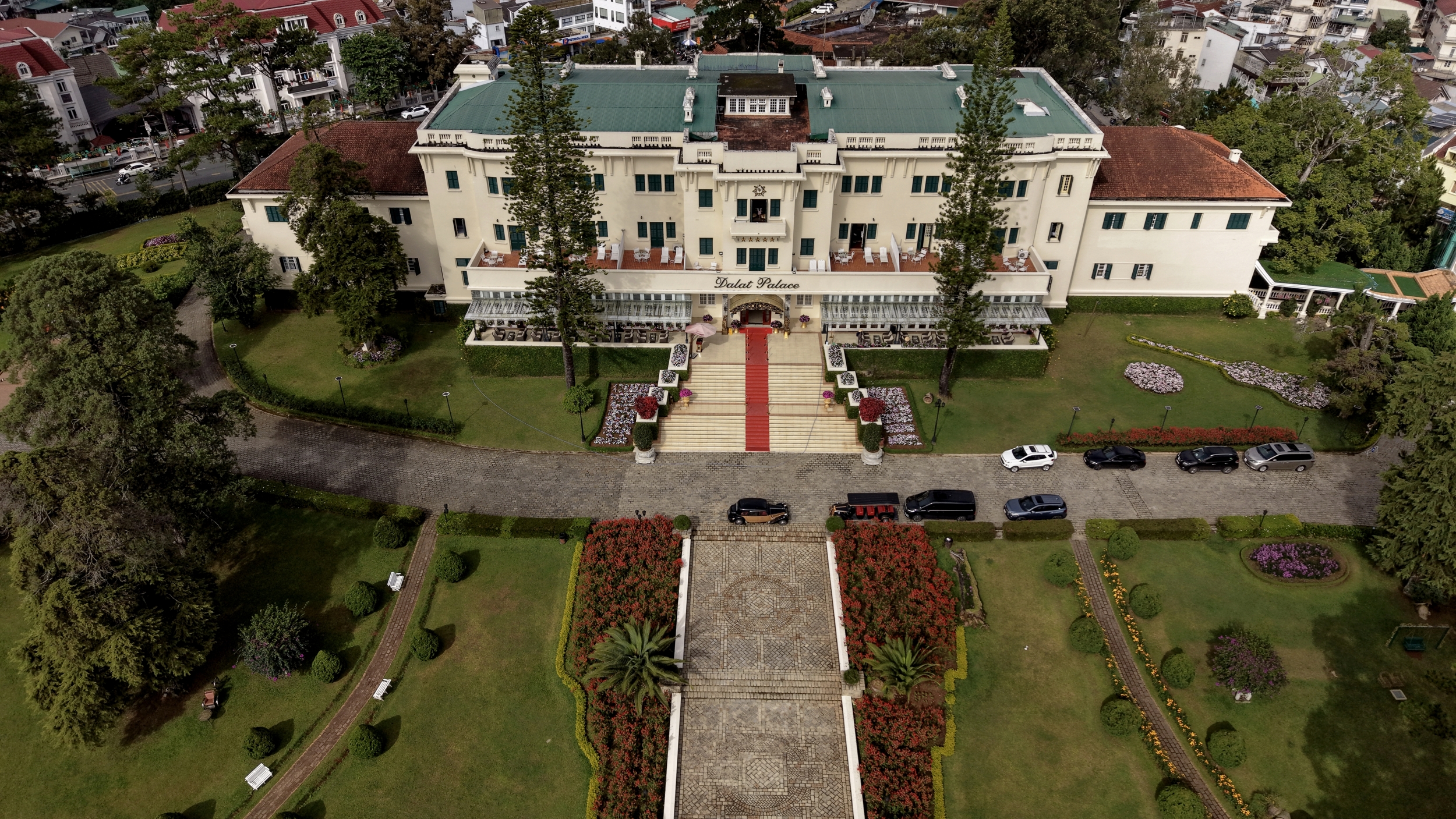
Three knocks. Curtain up.
At the Dalat Palace, everyone gets a part.
Coffee planter. Novelist staring at a blank page. Diplomat on leave. Respectable bourgeois hiding his mistress. Wealthy Saigonese fleeing the furnace below.
For two days, everyone agrees to believe.
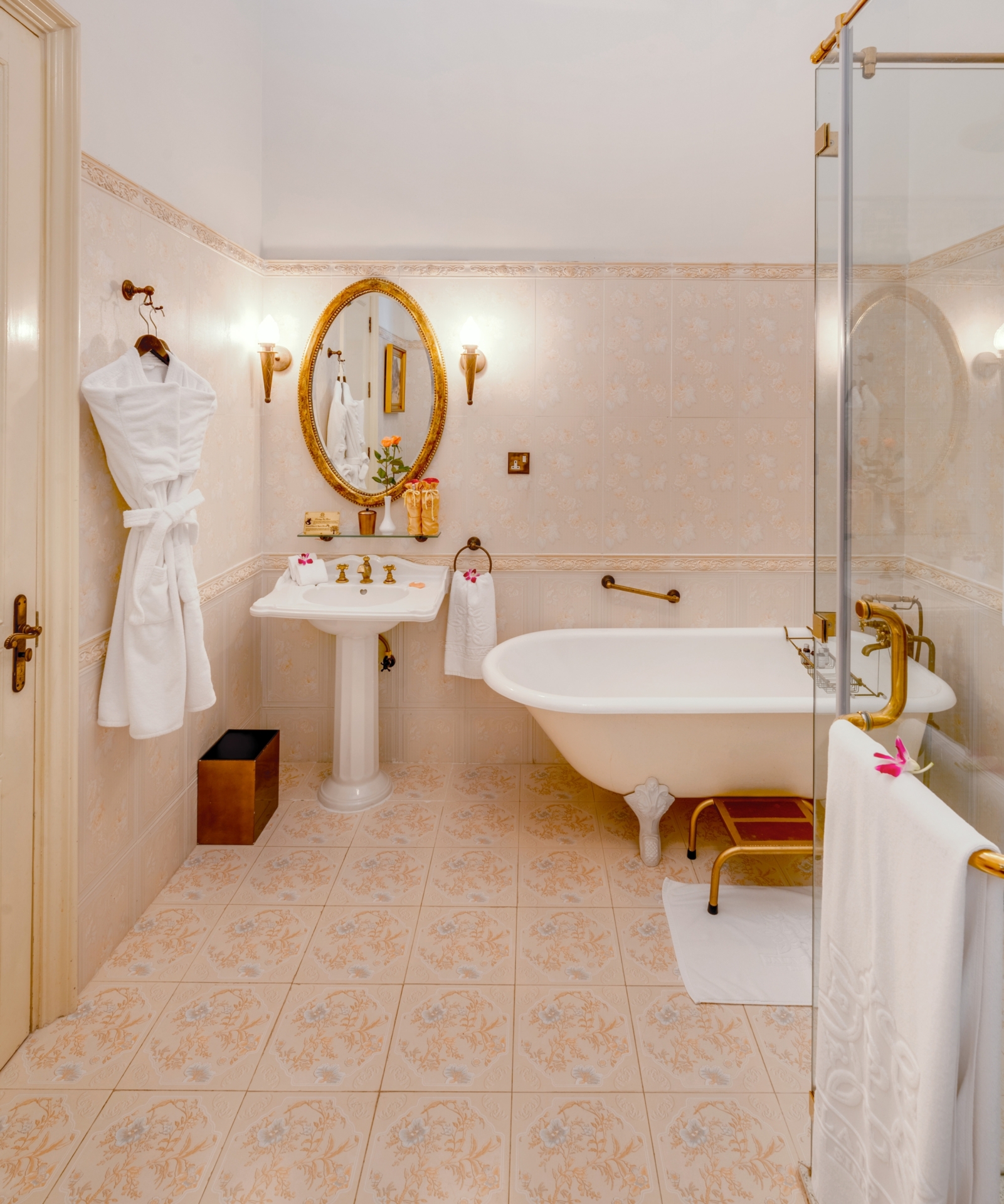
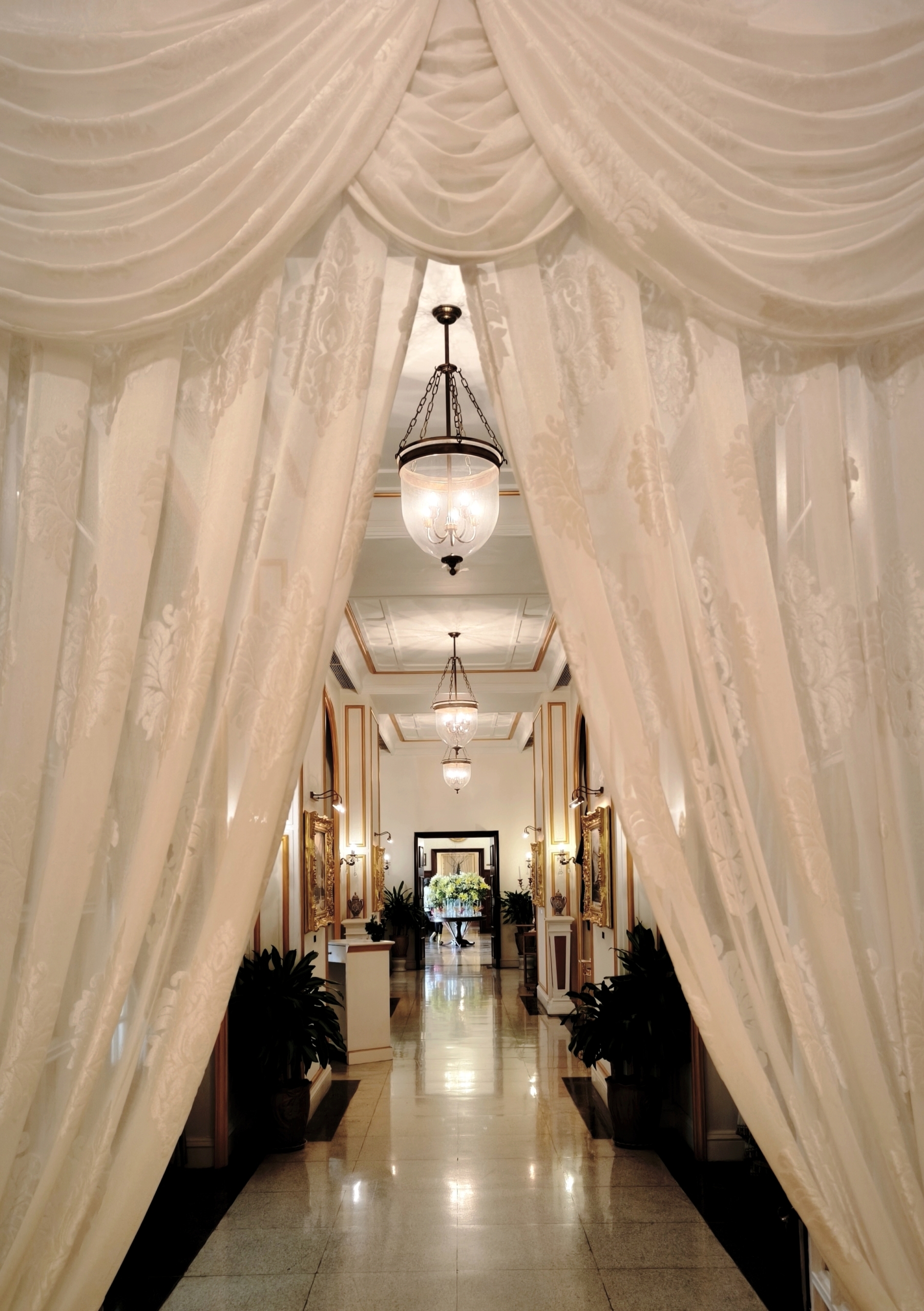
You accept the corridors smelling of wax, the polished wood, the liveried bellboy, the sepia photographs, the claw-foot tub, the heavy velvet, the table skirts, the flowers that seem to have been arranged with absolutely no fear of excess.
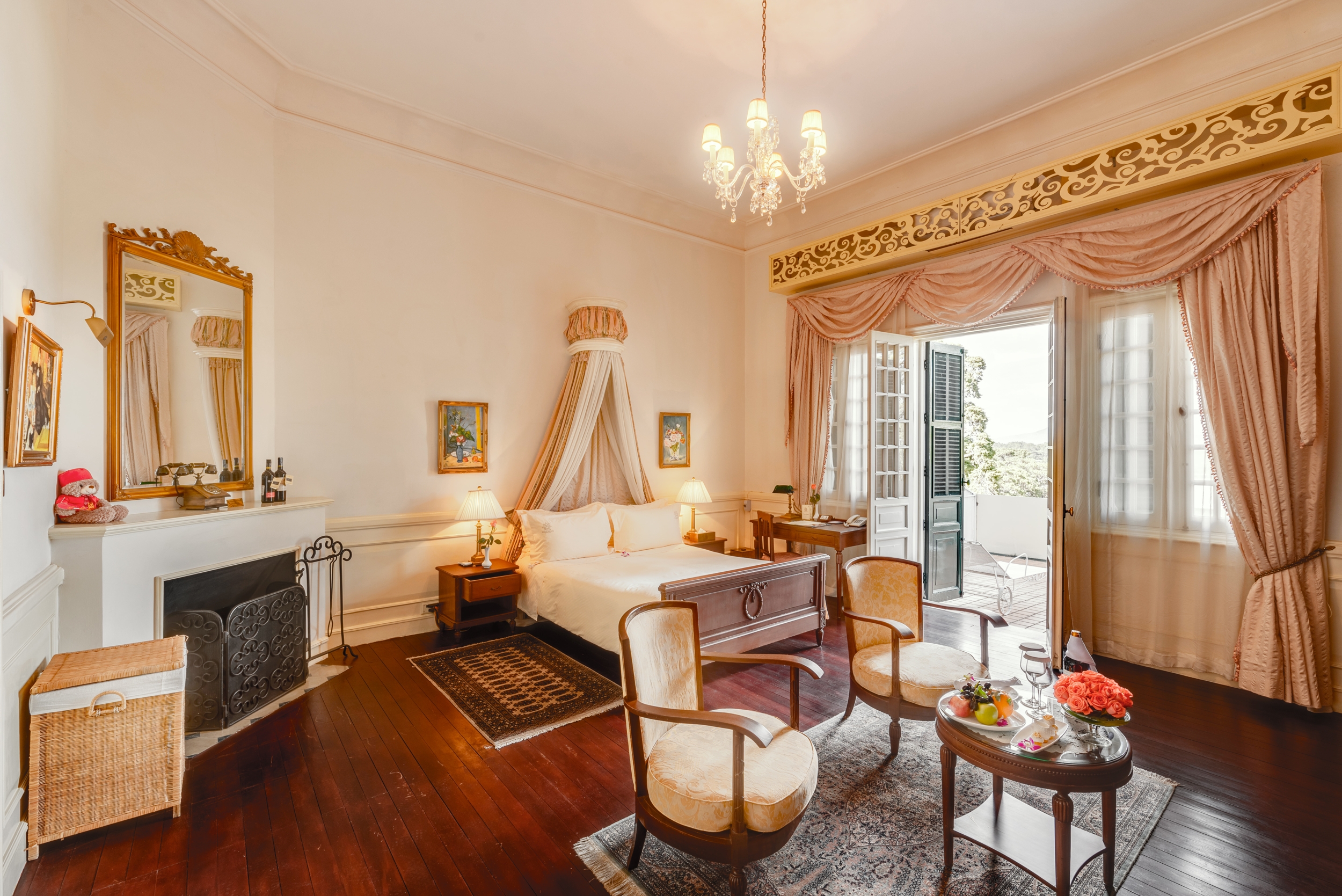
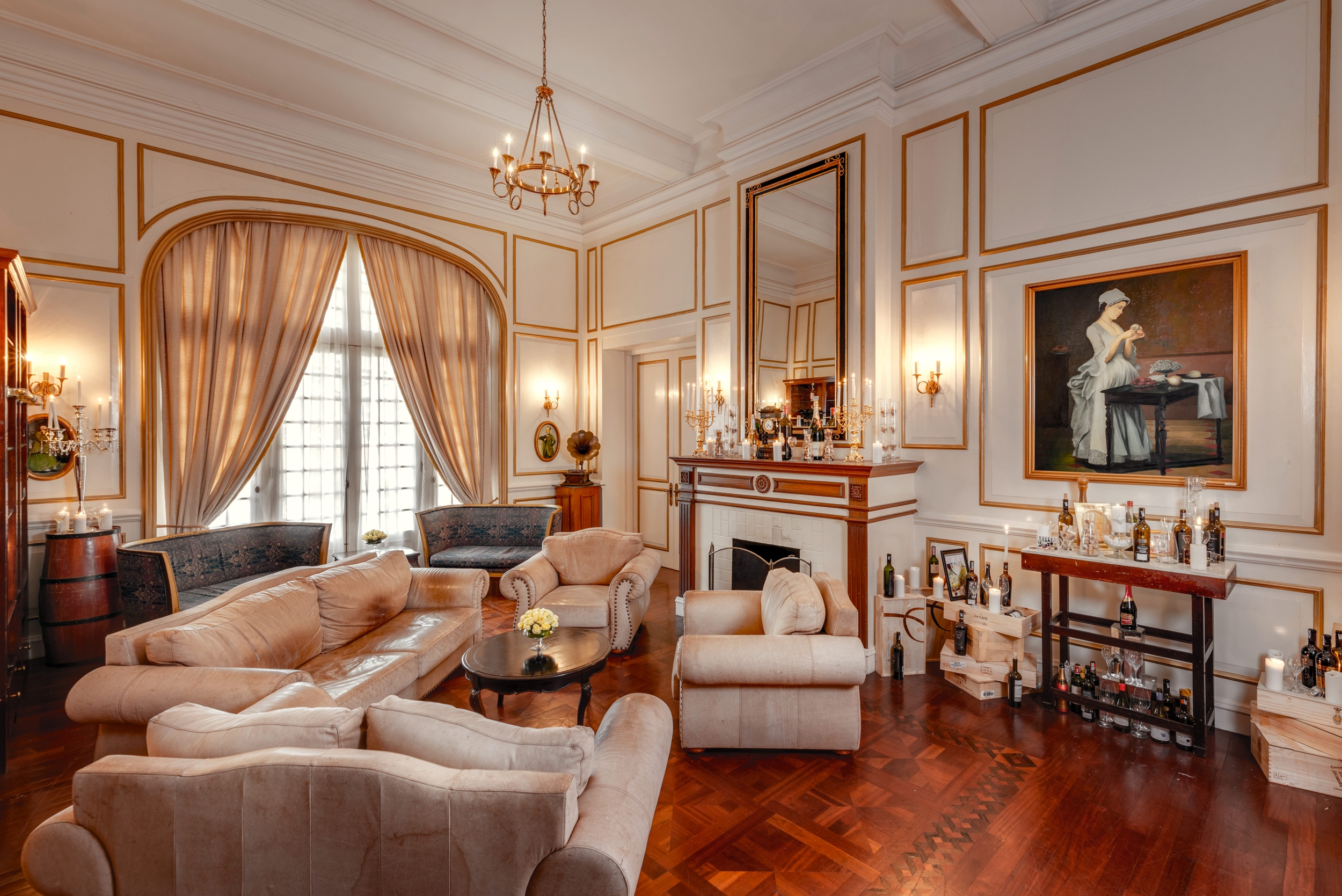
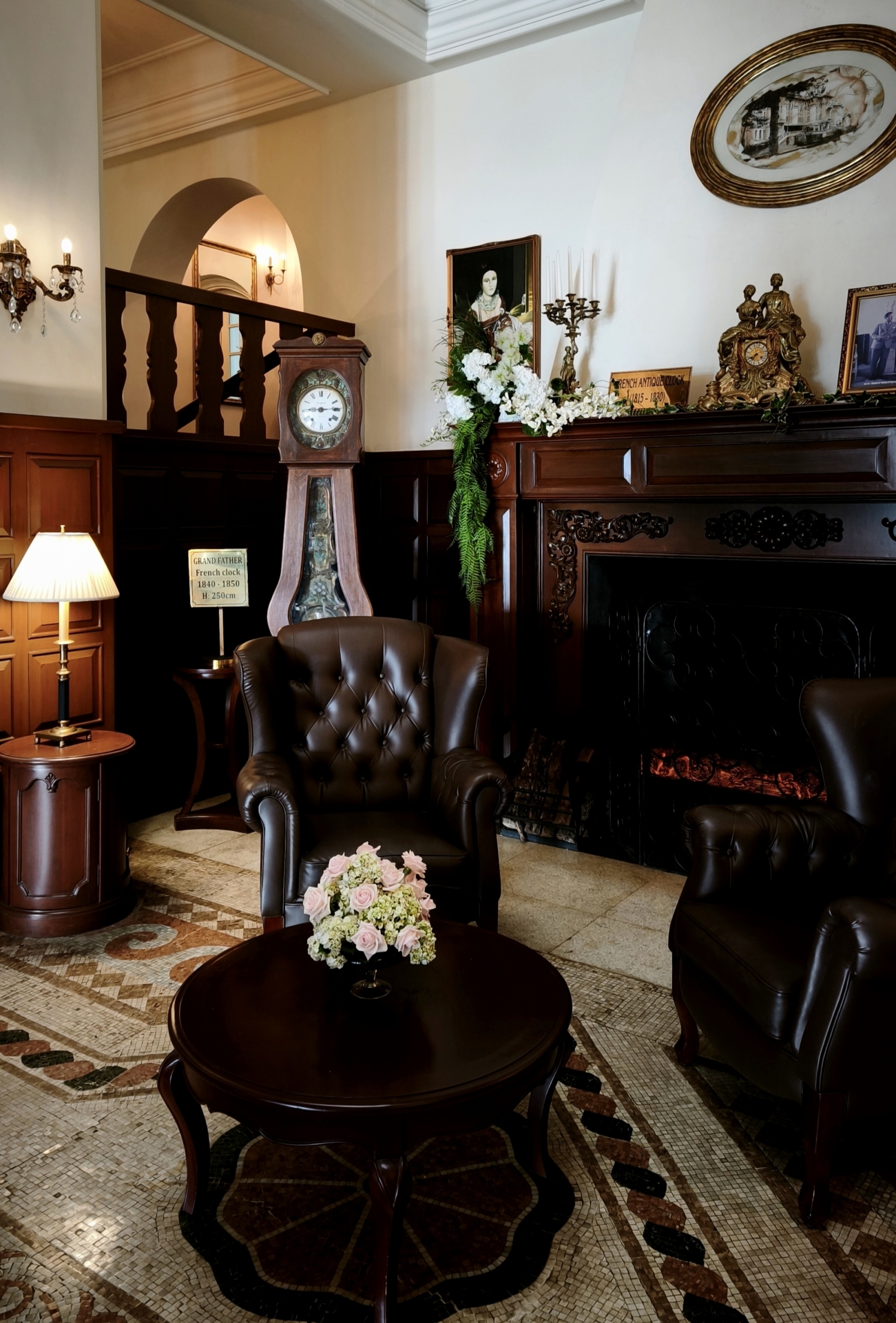
You even give a polite nod to the monstrous wooden grandfather clock that looks as if Great Aunt Mildred ordered it personally and refused to die until it was delivered.
Taken literally, the whole thing could tip dangerously close to kitsch.
Take it as theatre and it becomes irresistible.
Because that’s the trick.
The set works because you agree to believe in it.
That’s what separates a grand heritage hotel from a building that has simply survived long enough to become old.
Here, you don’t book a room.
You buy a story.
Then, for a couple of days, you write yourself into it.
It isn’t a museum.
It isn’t some embalmed relic coughing dust into the present.
It knows exactly how out of step it is.
And that, perversely, is why it works.
When the set takes flesh
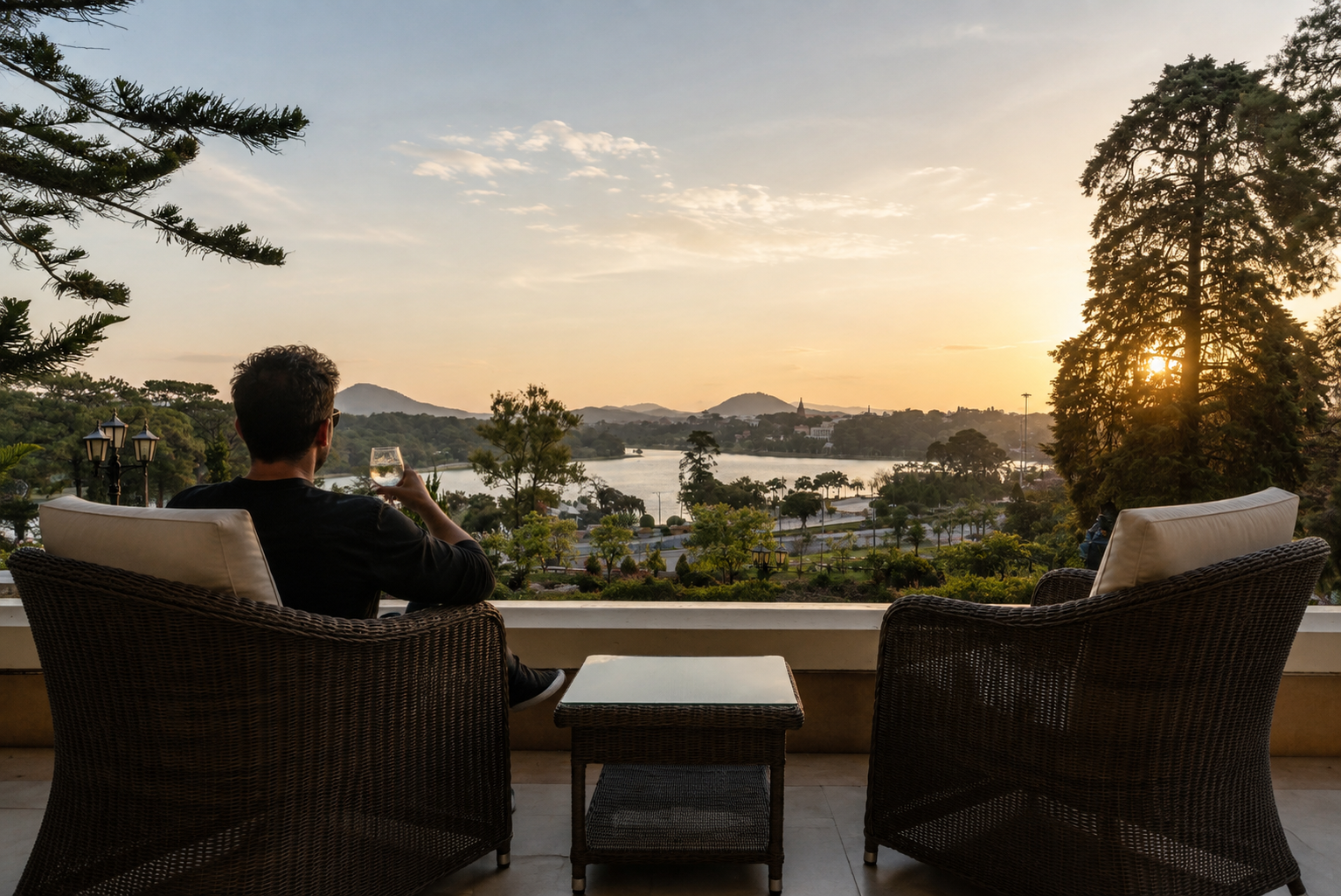
The terrace is where the Dalat Palace really earns its keep.
Not the bedroom.
Not the mouldings.
Not the mirrors.
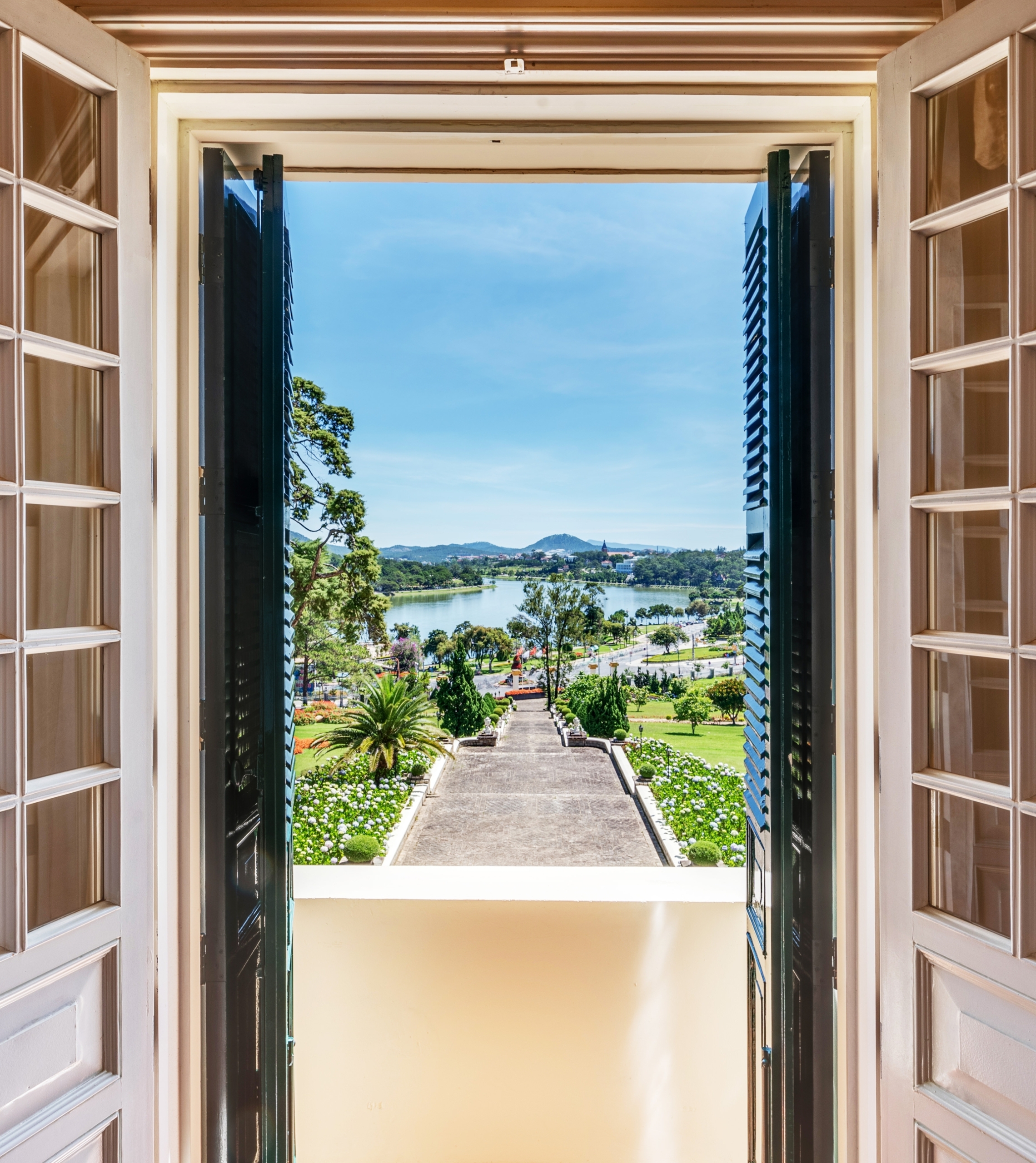
That view over Xuan Huong Lake makes you want to plant yourself at a table with a gin and tonic and resurrect cocktail hour from some beautifully vanished era.
Sit there towards the end of the afternoon, when the cold air comes tumbling down the hills and the mist starts crawling over the lake, and the whole bloody production reaches its crescendo.
This is when the role-playing gets delicious.
Because suddenly it comes with something real: the quiet, slightly decadent pleasure of sitting above the lake while the world disappears into the fog.
Almost melancholy.
I close my eyes.
And the set takes flesh.
Just not in the way you’d expect.
Walking back up the drive, I don’t see a salon courtesan or some plump little bourgeois — a minor piastre dealer keeping out of the way of the Chinese compradors.
I see the lines of a Ma warrior’s costume.
The bands.
The angles.
The repetitions.
The flashes of colour.
Another architecture, this time carried by a human body.
A geometry that isn’t trying to tame space.
It is trying to reveal another order of the world.
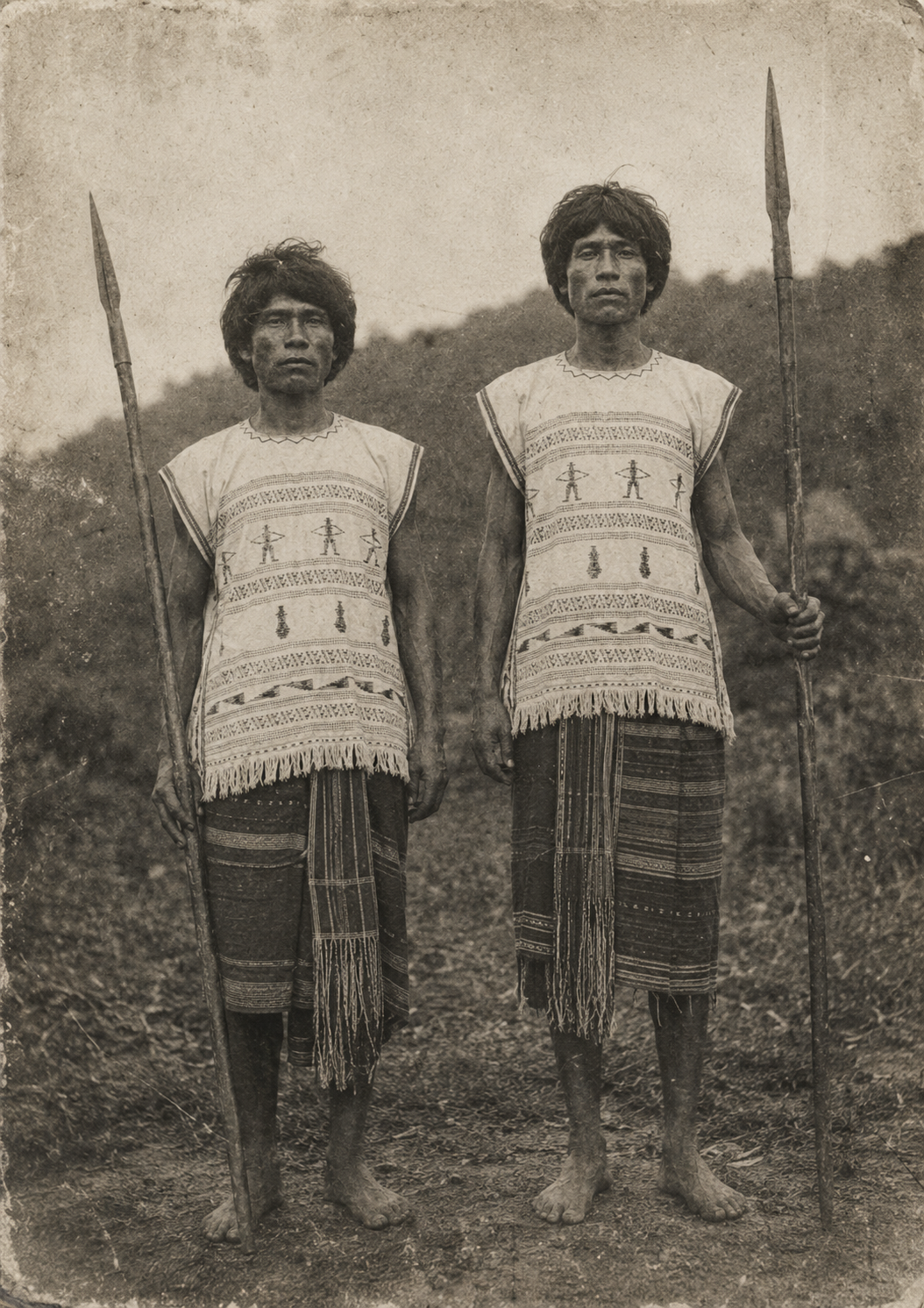
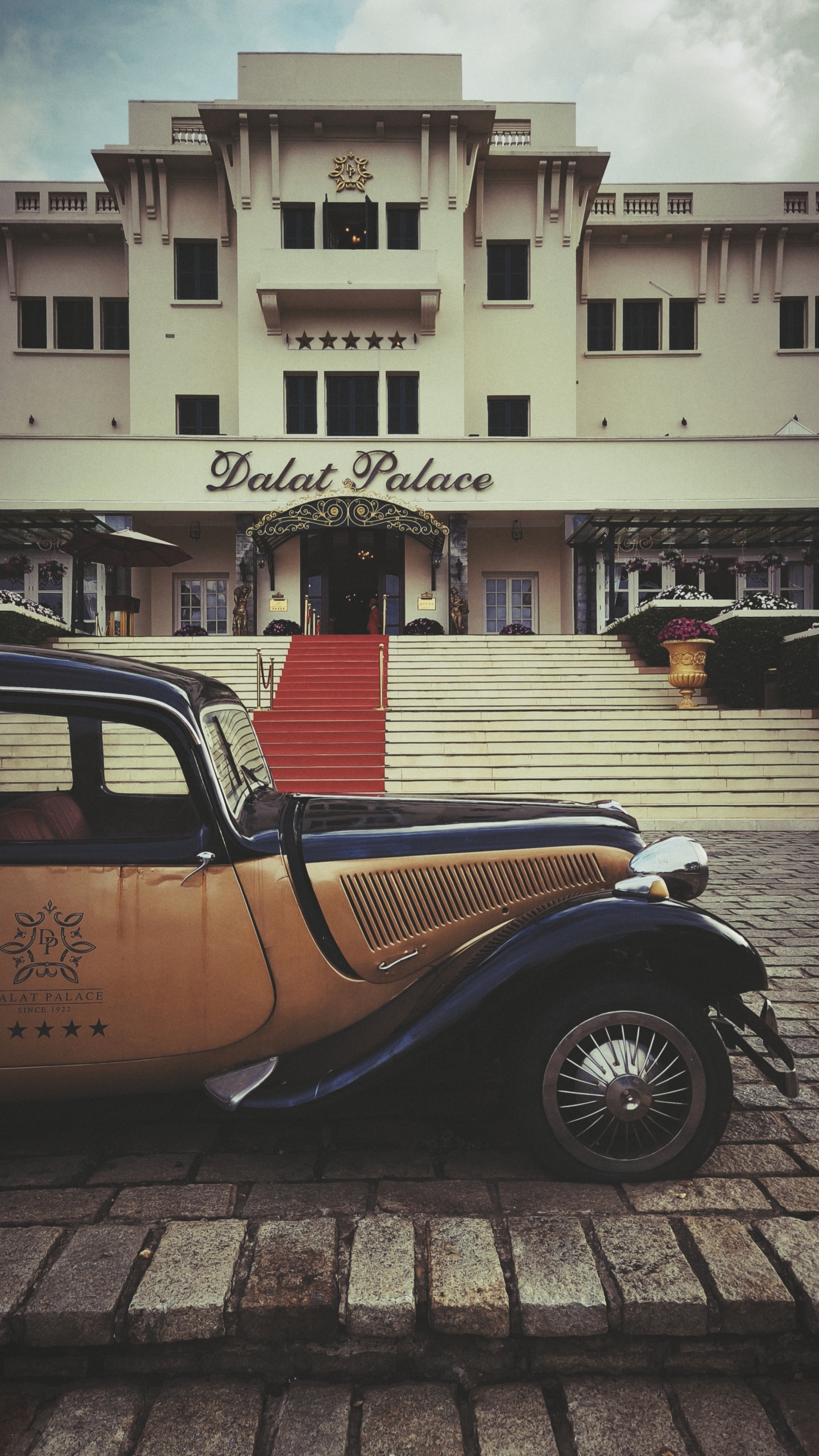
And suddenly, the Art Deco façade of the Dalat Palace and the highland peoples seem to share one hell of a strange talent: reducing the world to geometric signs.
Two geometric modernities staring at one another without necessarily knowing it.
One looking towards the future.
The other staring into the guts of the spirit world.
And suddenly the Dalat Palace isn’t just another handsome colonial hotel.
It becomes a machine for looking at form.
So I order another gin and tonic.
Just to put two systems of visual thought on equal footing, without asking History for permission.
Then I order a third.
Without asking my wife.
Three drinks behind the missus’s back.
Now that’s luxury.
Have you seen the breakfast buffet? Honestly, a show worth matching the end-of-day gin and tonic.