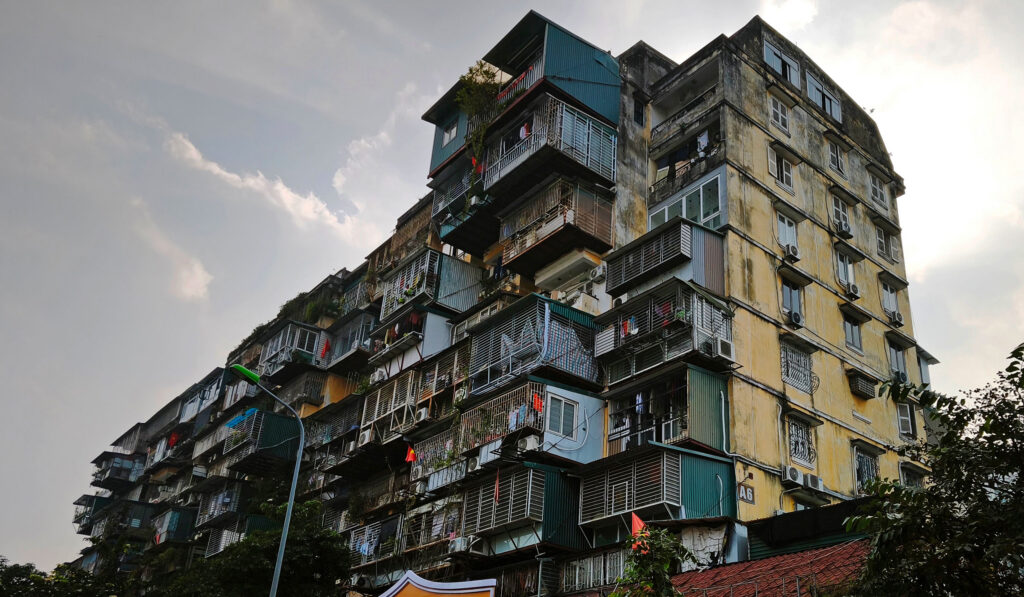
Hanoi does not shine with the sharp, polished glow of other Asian capitals. Its incomparable charm lies in its faded tones, softened by monsoon rains and filtered through time. The khu tap thê, those collective housing blocks born of the socialist era, are a perfect and emblematic example of this weathered, washed-out poetry that clothes the vietnamese capital, gifting it a melancholic beauty found nowhere else.
The truest Hanoi does not perform
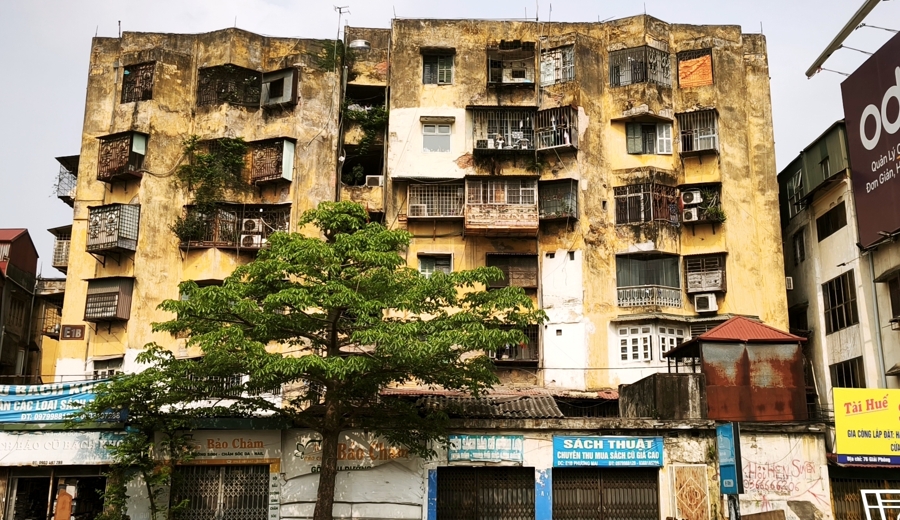
Rather than joining the bleating crowds delighting in the instagram-made spectacle of Train Street, lit by garish neon, the curious traveler would do better to turn away and seek a Hanoi that does not perform for an audience. A Hanoi that reveals itself in the khu tap thê with their monsoon-eaten walls, in the rustle of narrow alleyways, in the improvised hanging gardens perched on precarious balconies, in whispered conversations over bitter tea. These are the true monuments of Hanoi, built from memory, daily struggle and raw humanity. Far more profound than a train brushing past two coffees at fixed hours.
Genesis of a collective utopia
The story begins in 1941, when architect Louis-Georges Pineau first envisioned modern residential blocks as part of a university city. The colonial administration turned a deaf ear, and his dream fell asleep in the dusty drawers of power.
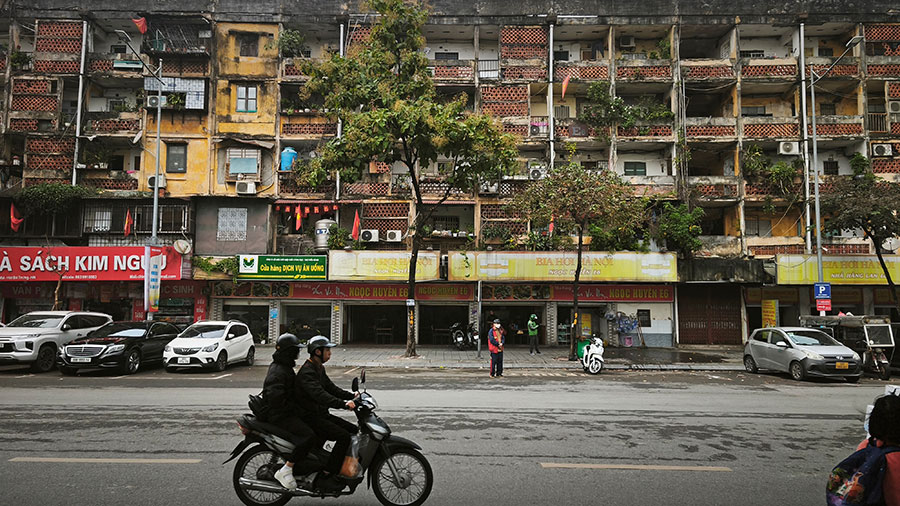
After 1954, a desperate housing crisis erupted, and the new government launched a massive low-cost construction plan. Between 1954 and 1960, the first khu tap thê rose ex nihilo, emergency responses to cities scarred and overcrowded by war.
Beyond concrete, the mission was ideological: socializing the population, forging a New Man devoted to labor and collective life. In these corridors, a fraternal society was meant to be born, sharing courtyards, staircases, light, and destiny. Easier drafted by planners than lived in reality.
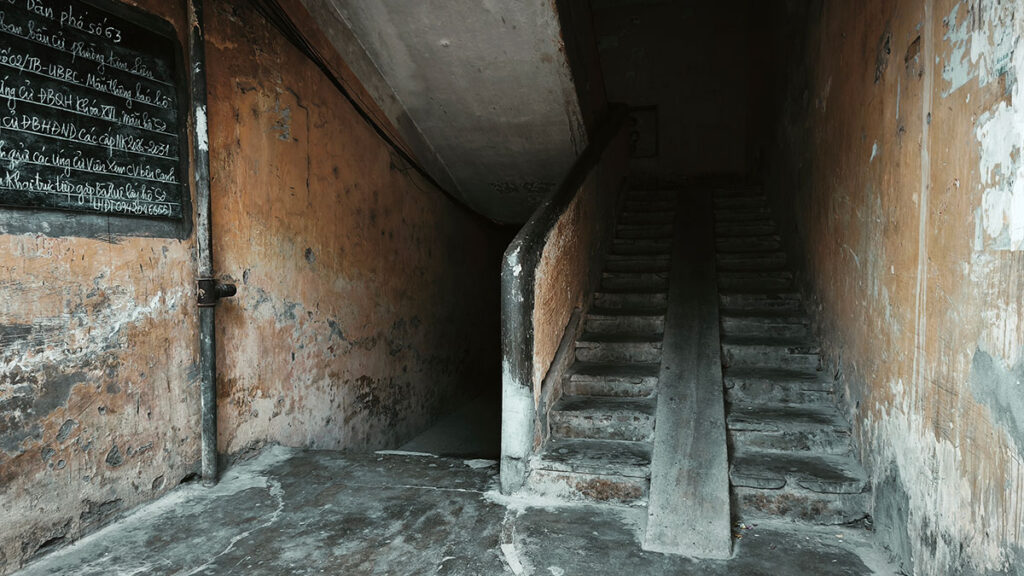
Between 1960 and 1975 came a second generation of blocks, housing civil servants, workers, teachers, soldiers. A crossroads between revolutionary utopia and Western modernism, they became the living laboratory of a transforming Vietnam. The khu tap thê and Le Corbusier’s Cité Radieuse shared the same founding ambition: reinventing how humans live together. Yet forced proximity in stairwells and courtyards produced as many conflicts as camaraderie. Living stacked atop one another was exhausting.
Mutations and survival
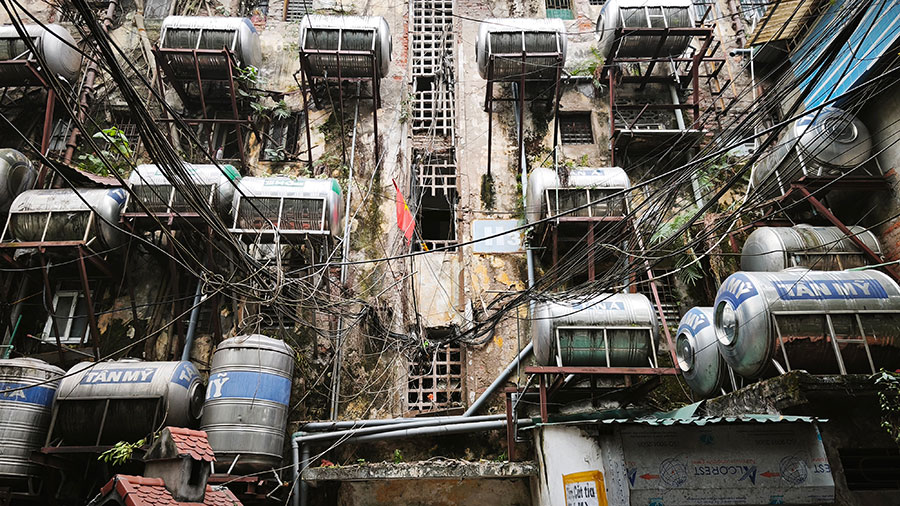
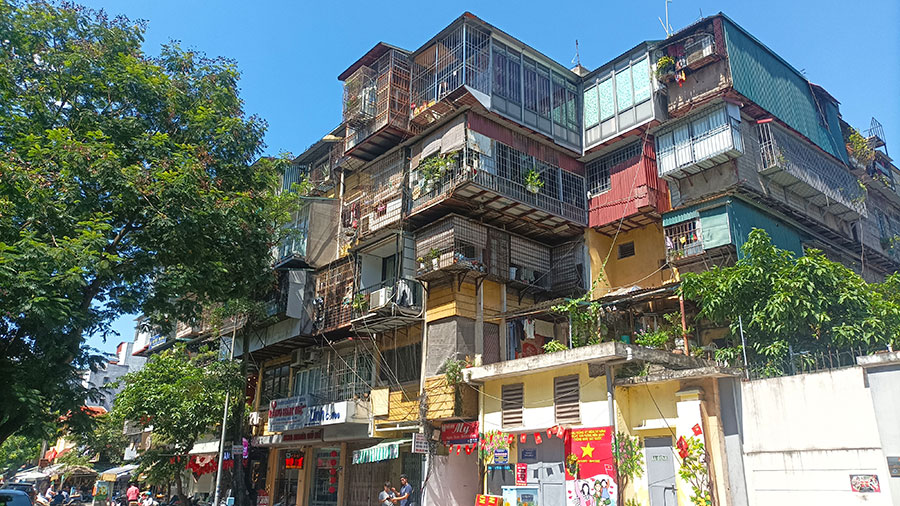
With the Đổi Mới reforms of 1986, the khu tap thê entered a new phase of metamorphosis. Urban populations exploded, housing shortages persisted, and the buildings, already aging, began to crumble. With no public funds for renovation, residents took matters into their own hands, expanding their apartments with suspended extensions, sheet-metal mezzanines, steel cages and “tiger cage” balconies growing like organic excrescences.
This collective bricolage transformed standardized modernism into anarchic patchwork, an expression of Vietnamese ingenuity, but also of a slow reprivatization of once-collective space.
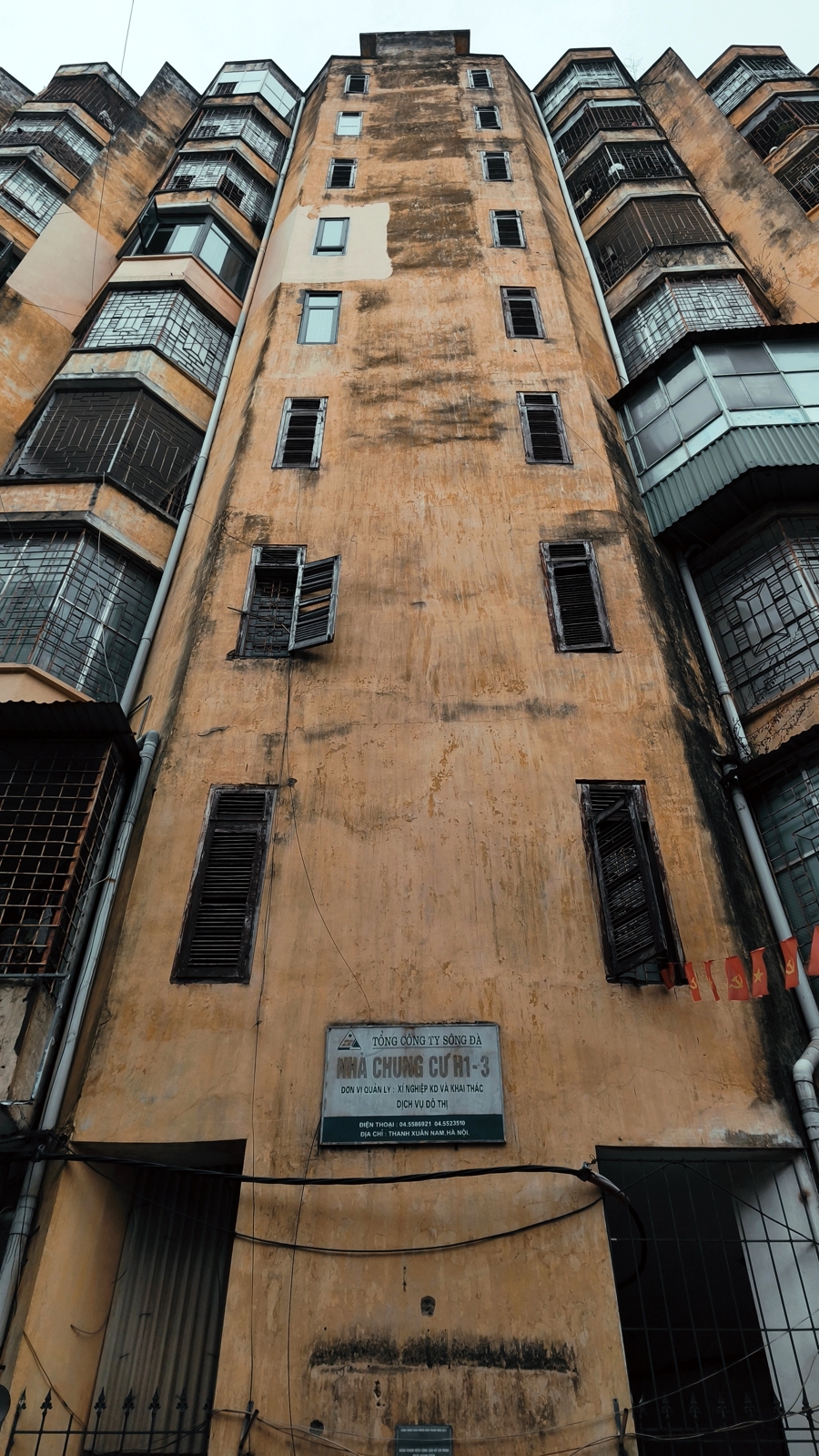
Many blocks were later condemned as unsafe; some vanished, others survive thanks to the affection of their inhabitants and their atmospheric heritage.
An inimitable atmosphere
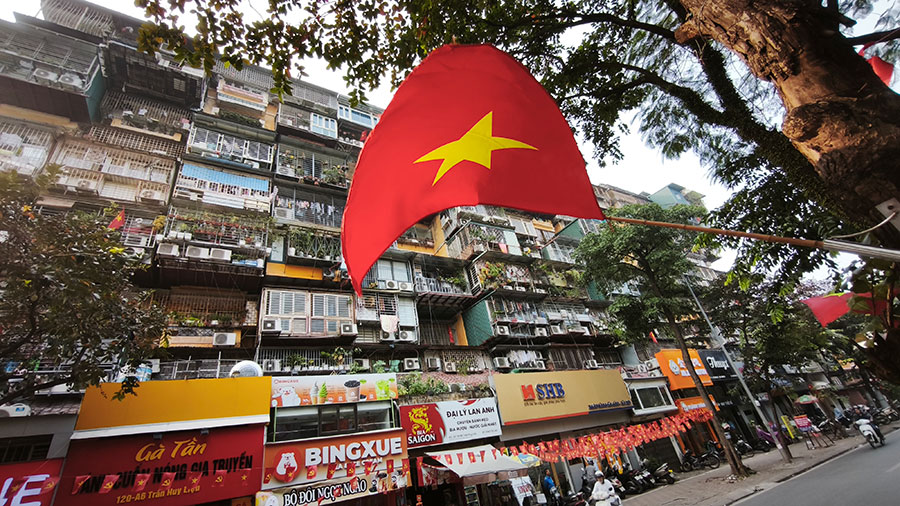
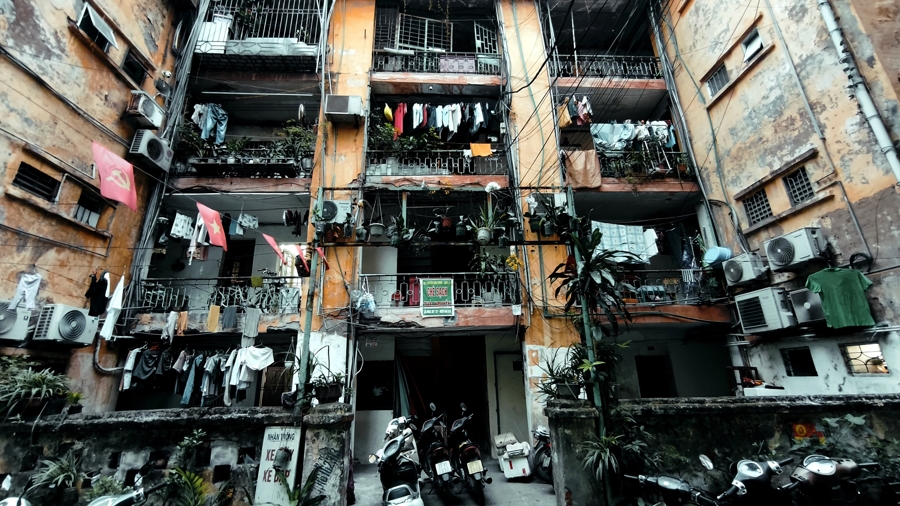
In Europe, collective housing blocks often repel me with their cold functionalism. But in Hanoi, these weather-beaten, humidity-scarred blocks bristling with improbable additions cling to the present with heartbreaking stubbornness, and I am captivated. For the world at the foot of the khu tap thê is a wonderfully theatrical one.
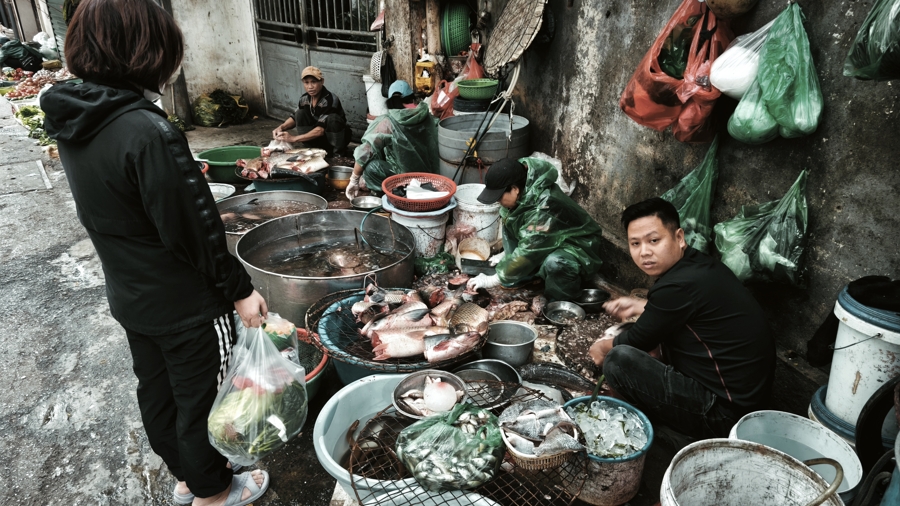
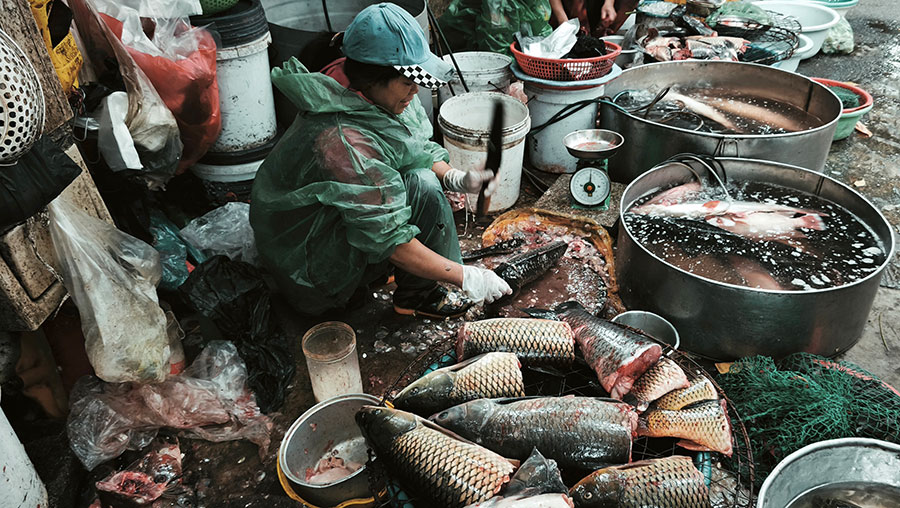
There is something of Naples in the laundry fluttering across balconies, a touch of Madrid’s movida in the buzz of coffee terraces, a hint of Parisian street kids in the shouting of children playing football, a whisper of Palermo in the external staircases twisting above the void, and pure Pagnol in the market mayhem when the fishmonger bellows at the top of her lungs that her fish is fresh.
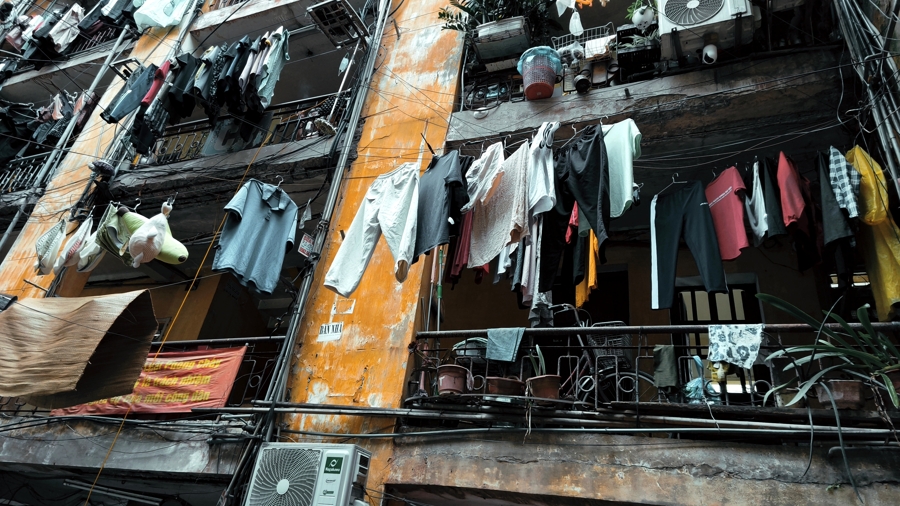
This is where the discreet heart of the city beats : in the sharp morning crack of the butcher’s knife on the chopping block, in the rhythmic swish of brooms sweeping the pavement at dawn, in the slow procession of fruit sellers bowed under the quang gánh, in the metallic singsong chant of the knife-sharpener pedaling his bicycle.
One resident, an elderly man with a wispy beard and mischievous eyes, once told me : “The khu tap thê ? They’re a little bit of countryside in the city. Listen, those chickens clucking? They belong to my neighbor next door.”
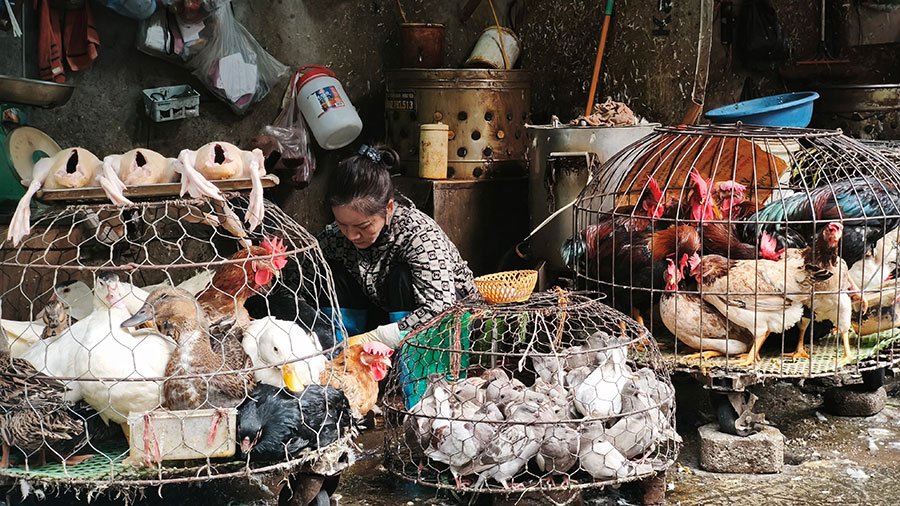
In Europe, social housing is too often seen as dangerous, no-go zones to avoid at all costs. But here in Hanoi, these same concrete blocks become a living stage, a vibrant backdrop where life spills out of every window and every pavement. In France, my country, they are walls of fear. In Hanoi, they are walls whose patina tells stories.