In Ninh Binh, the terrain is no postcard backdrop.
It dictates where dogma takes root, what posture the spirit assumes, how power relates to land.
Two spatial theologies stand face to face, diametrically opposed.
On one side: ancestral belief burrowed into the karst, seeking shelter, seeking cover.
On the other: a Christianity that stakes out territory, asserting divine presence over the rice paddies and the waters. Here, the landscape itself organizes two regimes of visibility for the sacred.
The karst swallows the sacred.
The plain puts it on display.
The Telluric Sacred, Buried in the Rock
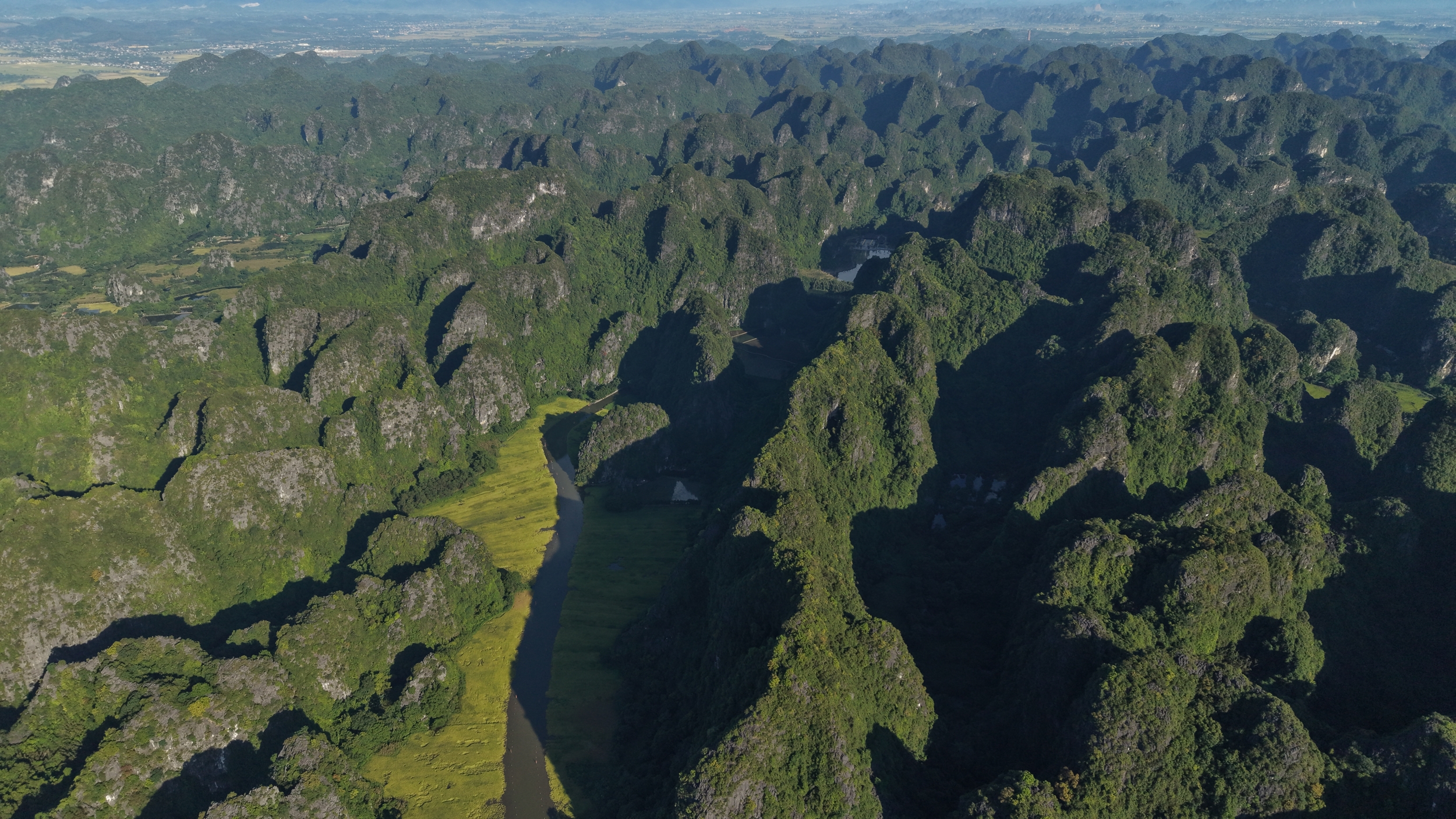
At the heart of this jumble of limestone peaks, people cultivate a geopolitics of refuge.
At Hoa Lu, first capital of an independent Đại Việt, nature served as rampart.
No grand Vauban-style stone walls went up.
The gaps between the karsts were simply sealed.
The cult of kings follows the same logic of the bastion.
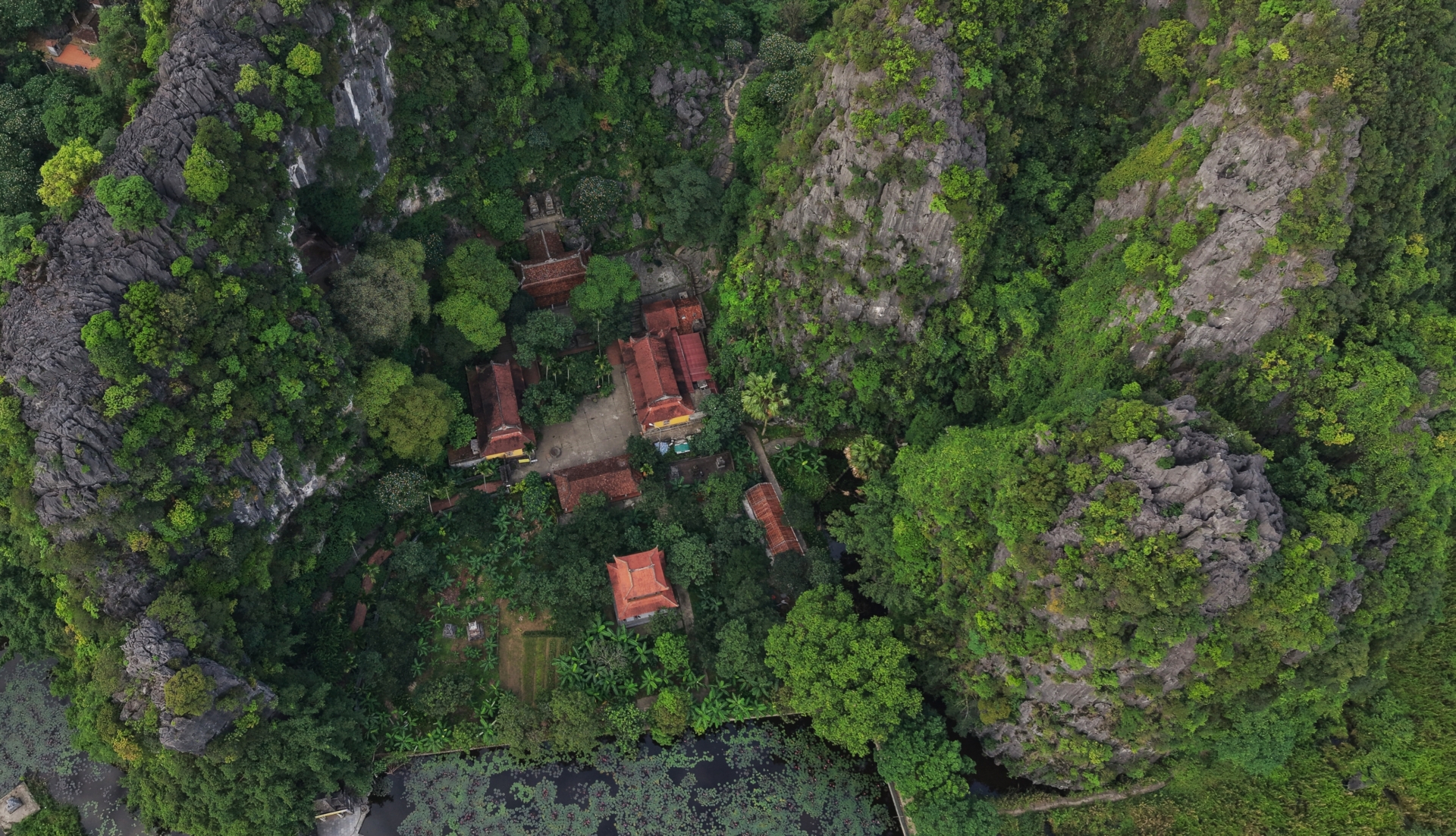
Whether at Hoa Lu, the Bich Dong pagoda, or the caves of the Trang An landscape complex, Buddhist pilgrimage and the worship of national heroes demand that you burrow in, crawl, or paddle at water level.
The divine and the ancestral fuse into matter itself.
But careful — none of it hides at random. It’s arranged by geomancy.
In Sino-Vietnamese thought, landscape isn’t passive scenery. It’s a living body coursing with vital breath.
So at Ninh Binh, tucking sanctuaries into the limestone is an act of political and spiritual engineering, precise as surgery.
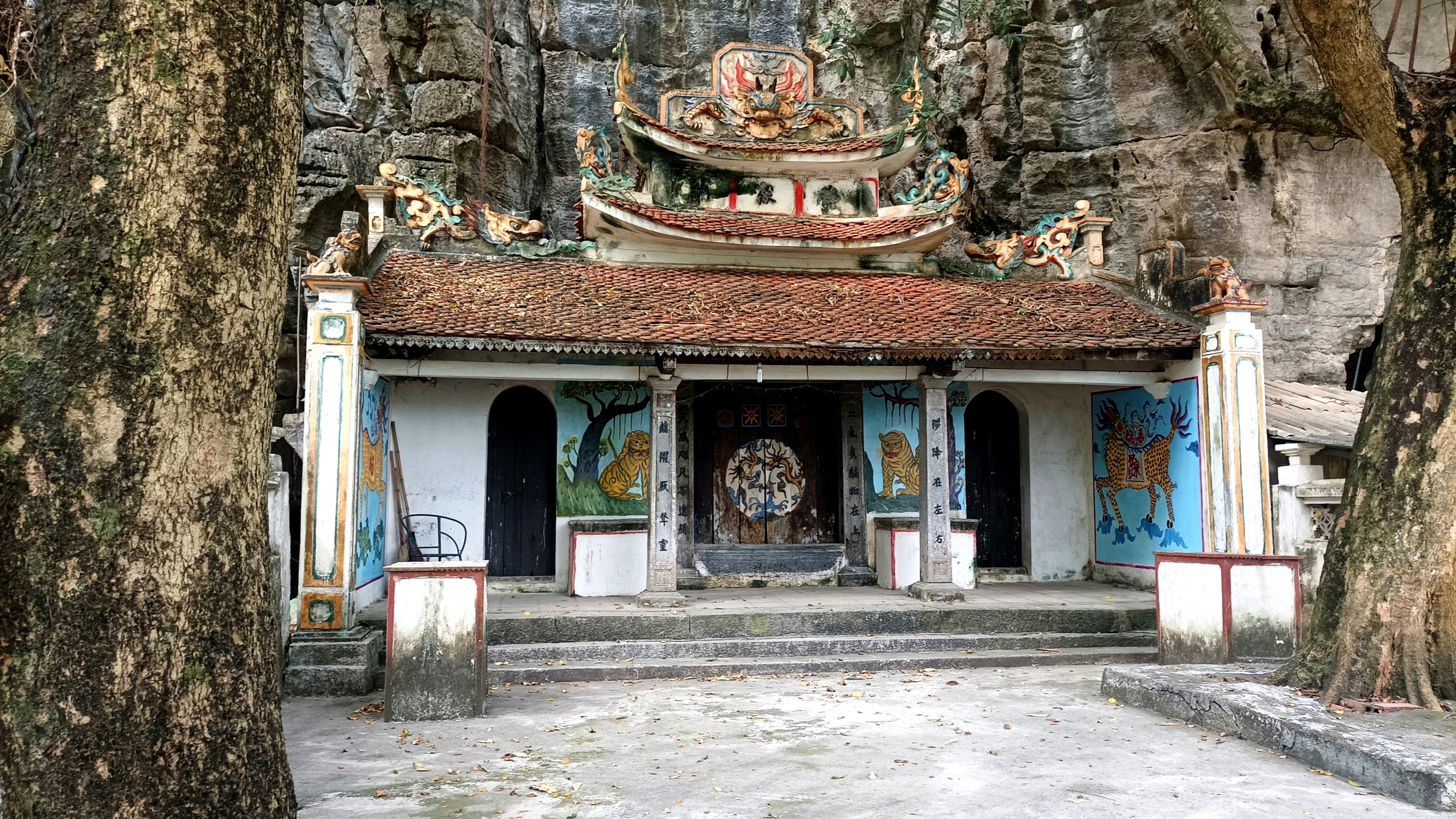
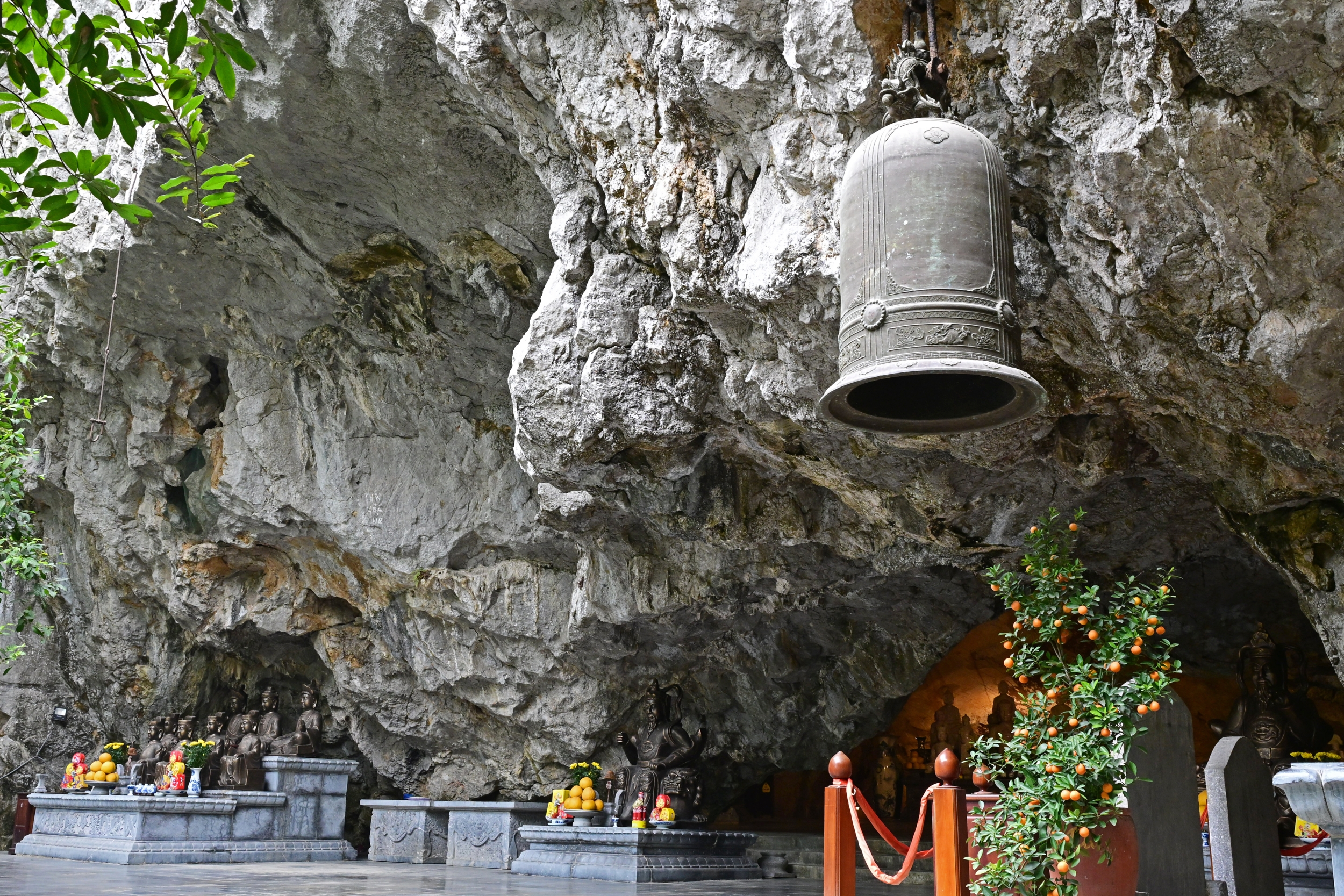
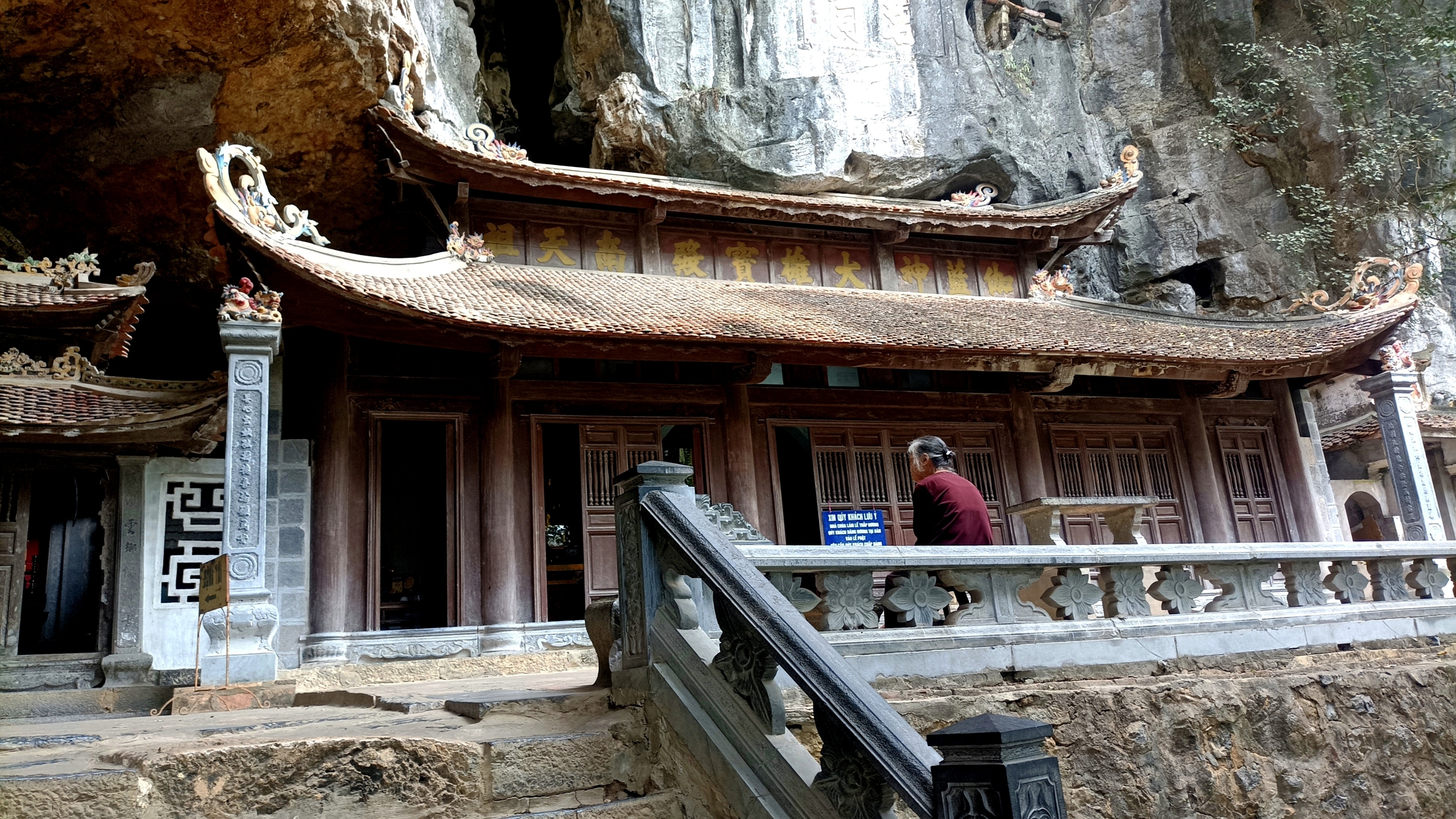
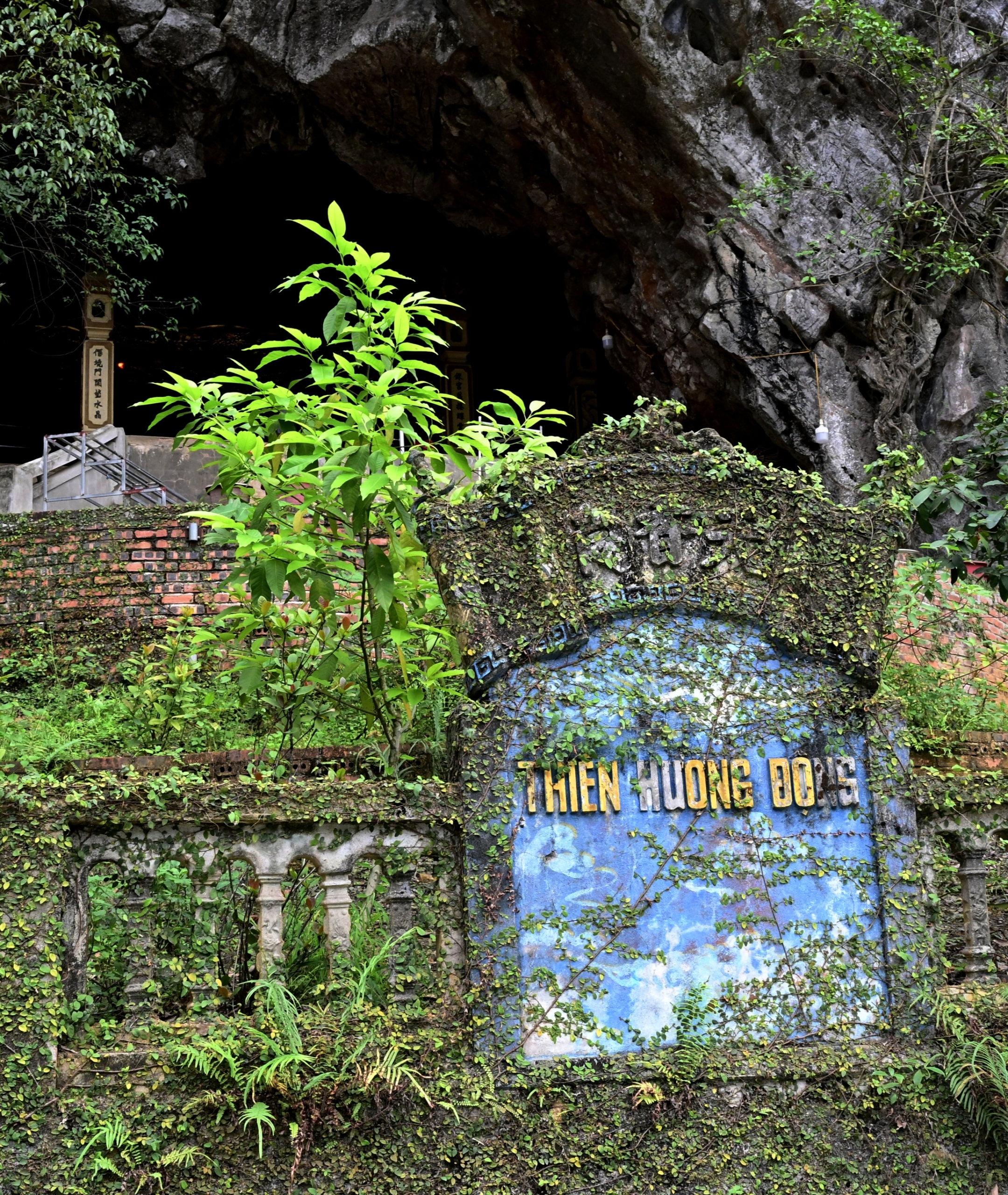
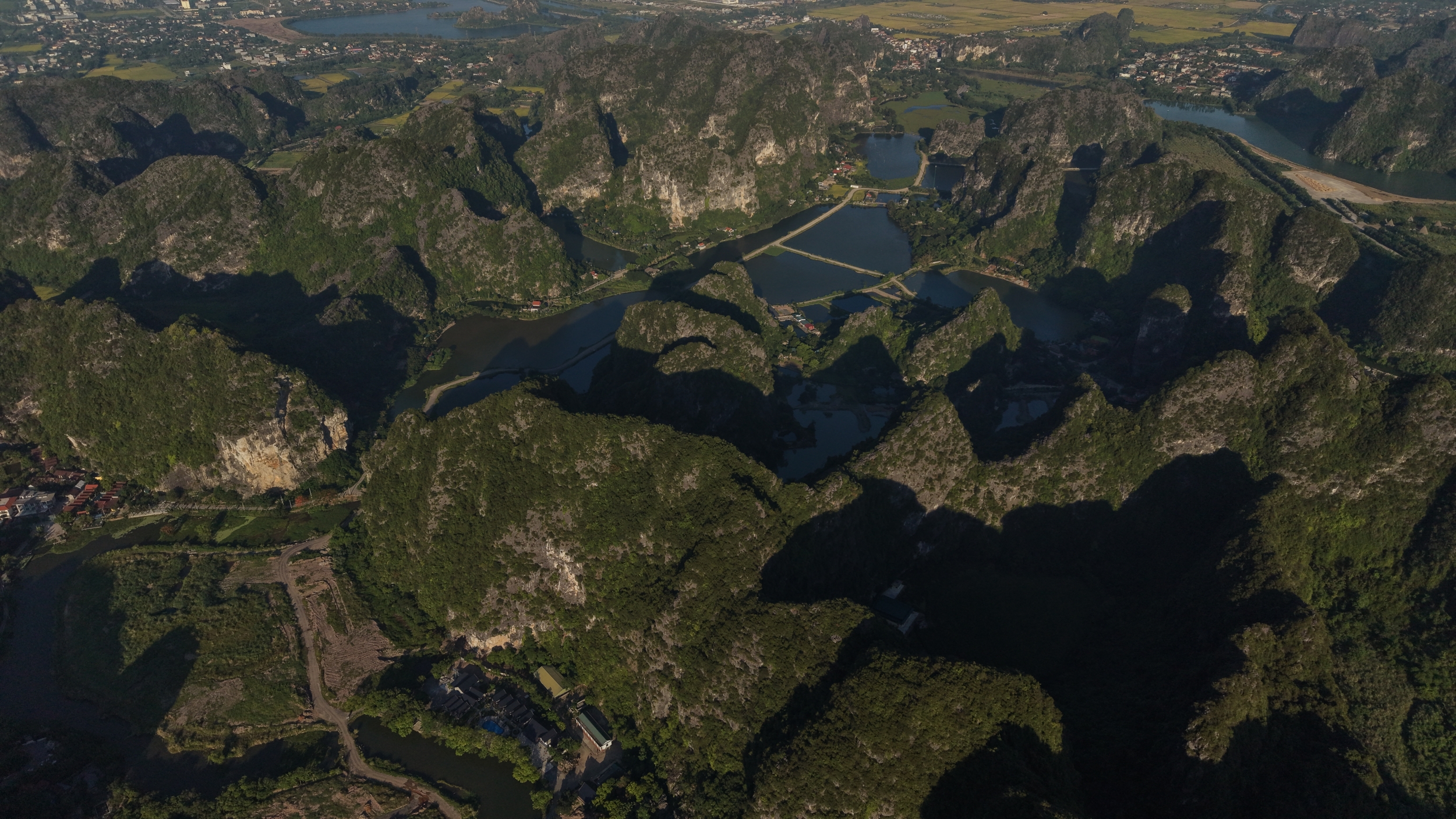
To watch a sacred mountain — one that shielded the nation under the Đinh and Lê dynasties, read for centuries as the spine of a protector dragon — get dynamited flat into a bus parking lot or the footings of an infinity-pool resort: that’s symbolic violence of a staggering order.
No transition, no mercy.
Straight from a thousand years of geomancy to the crudest extractive logic.
Contemporary tourism doesn’t just wreck landscapes.
It wrecks an ancient way of making sense of them.
The Vertical Sacred, Planted in the Plain
The moment you leave the karst’s embrace for the flat alluvial and coastal plain, the terrain flips the script.
Hundreds of churches throw up a massive vertical signal.
The steeple has to be seen for miles.
The church claims open space.
It doesn’t hide.
It tames the horizon to announce itself.
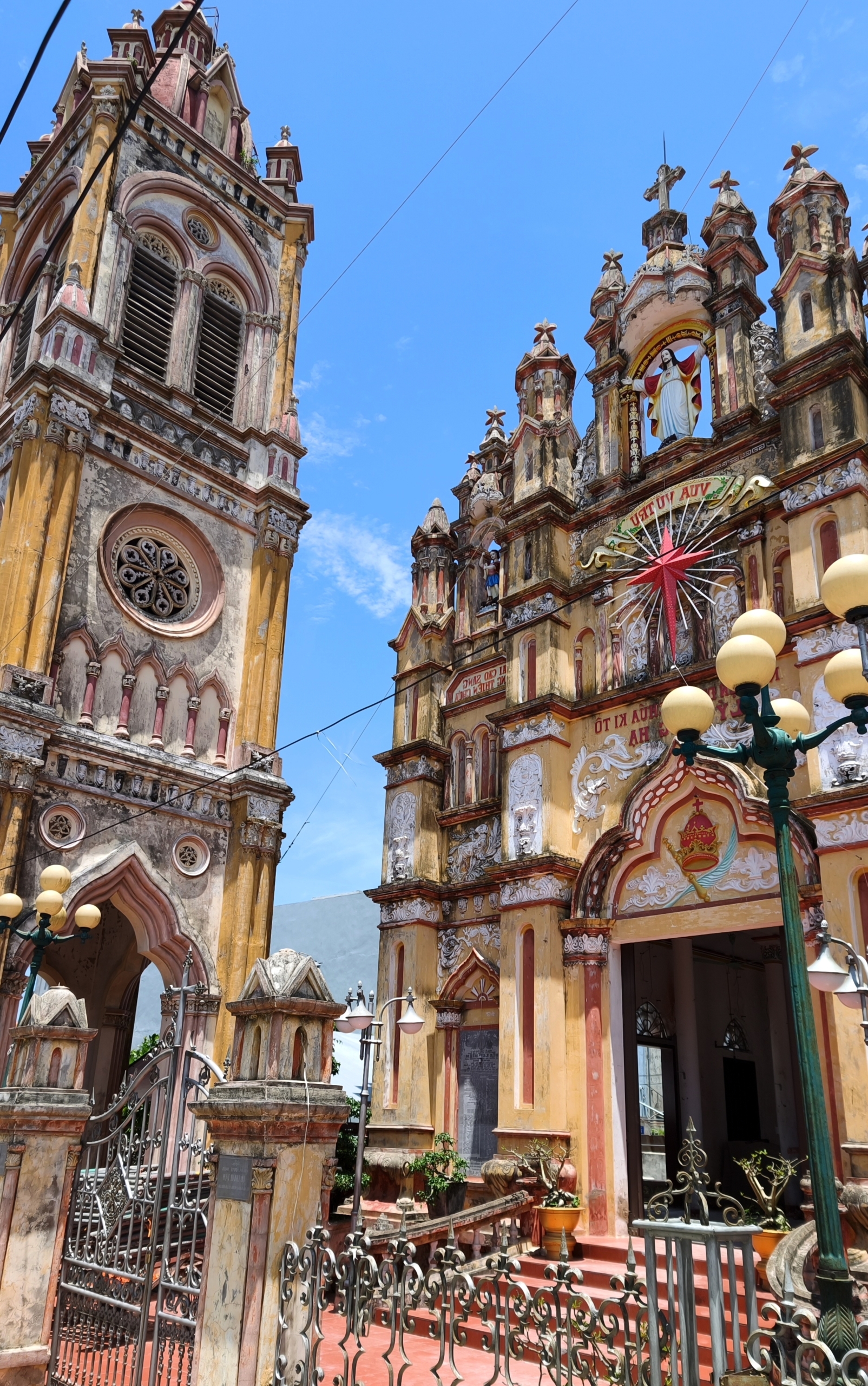
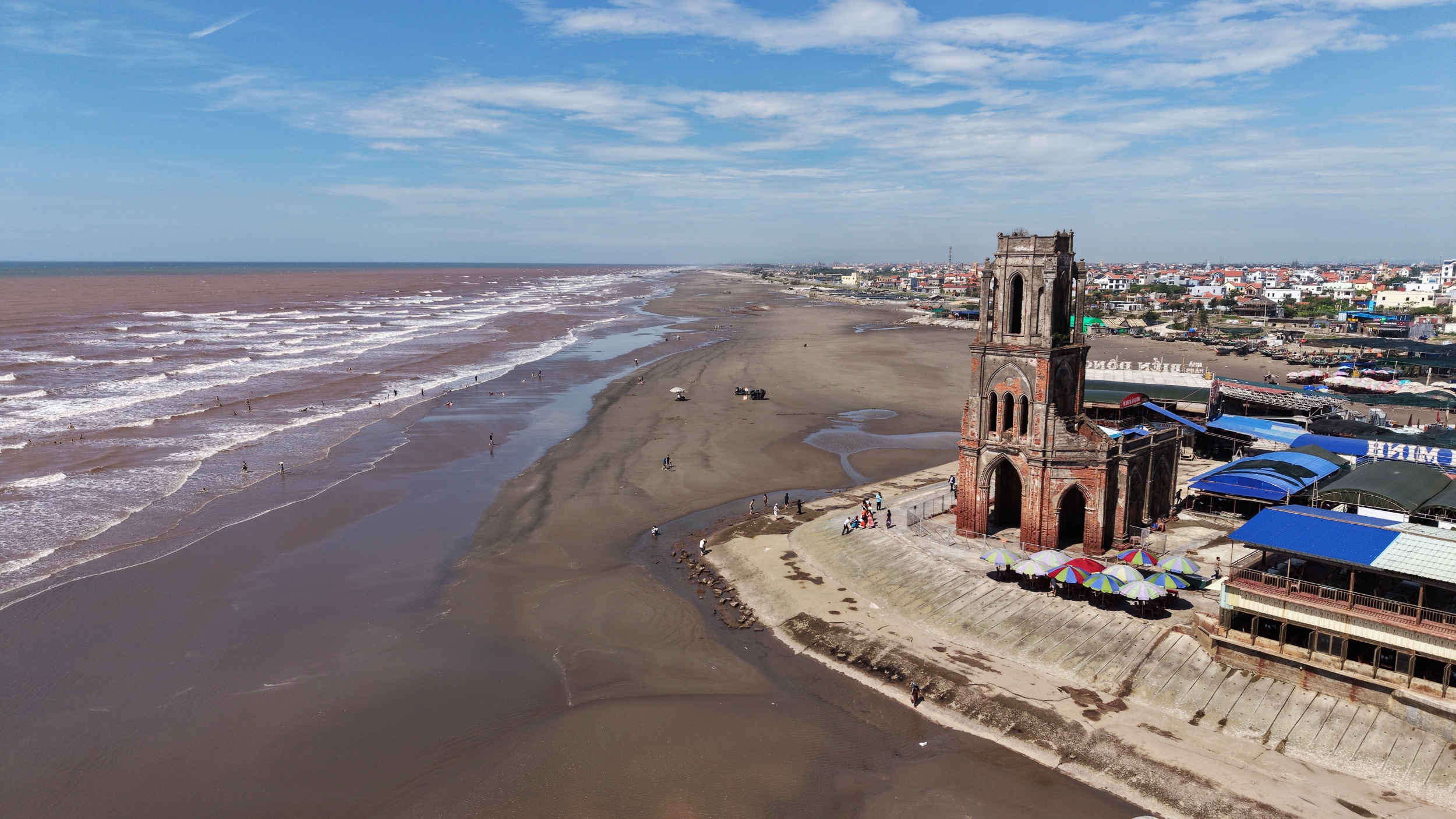
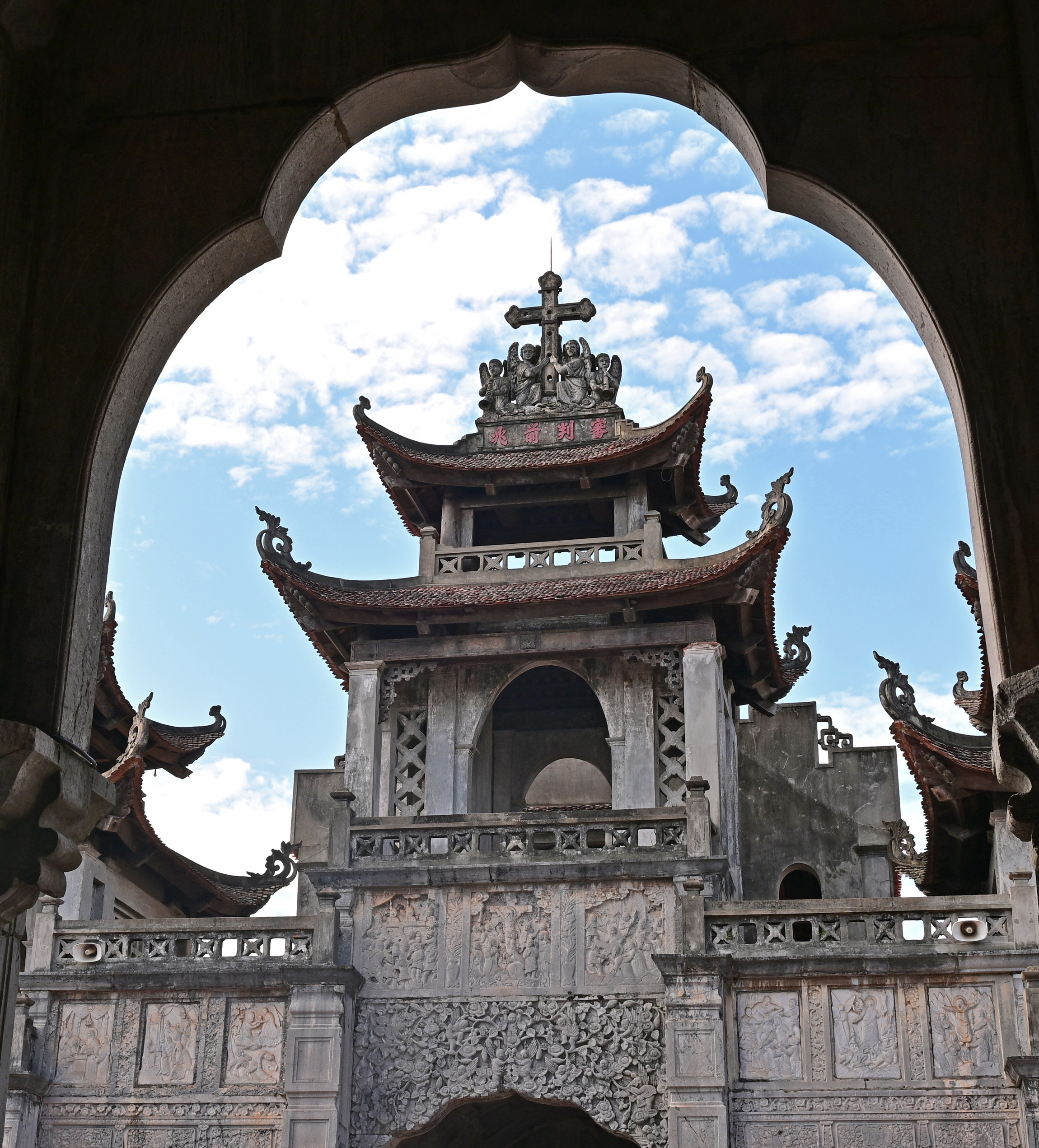
Where the temple or pagoda dissolves into nature, the church becomes the beacon — ideological, communal, visible all around.
The old sanctuary asks you to come to it.
The church asks to be seen.
It’s also a clash of two acoustics.
On one side: bronze — deaf, low, almost womb-like, rolling through rock, bouncing off cavities, mixing with water, seeming to rise straight out of the landscape’s own guts.
On the other: the bell. It doesn’t resonate. It carries.
It cuts through the plain, crosses the paddies, leaps over villages.
It doesn’t ask you to come.
It summons.
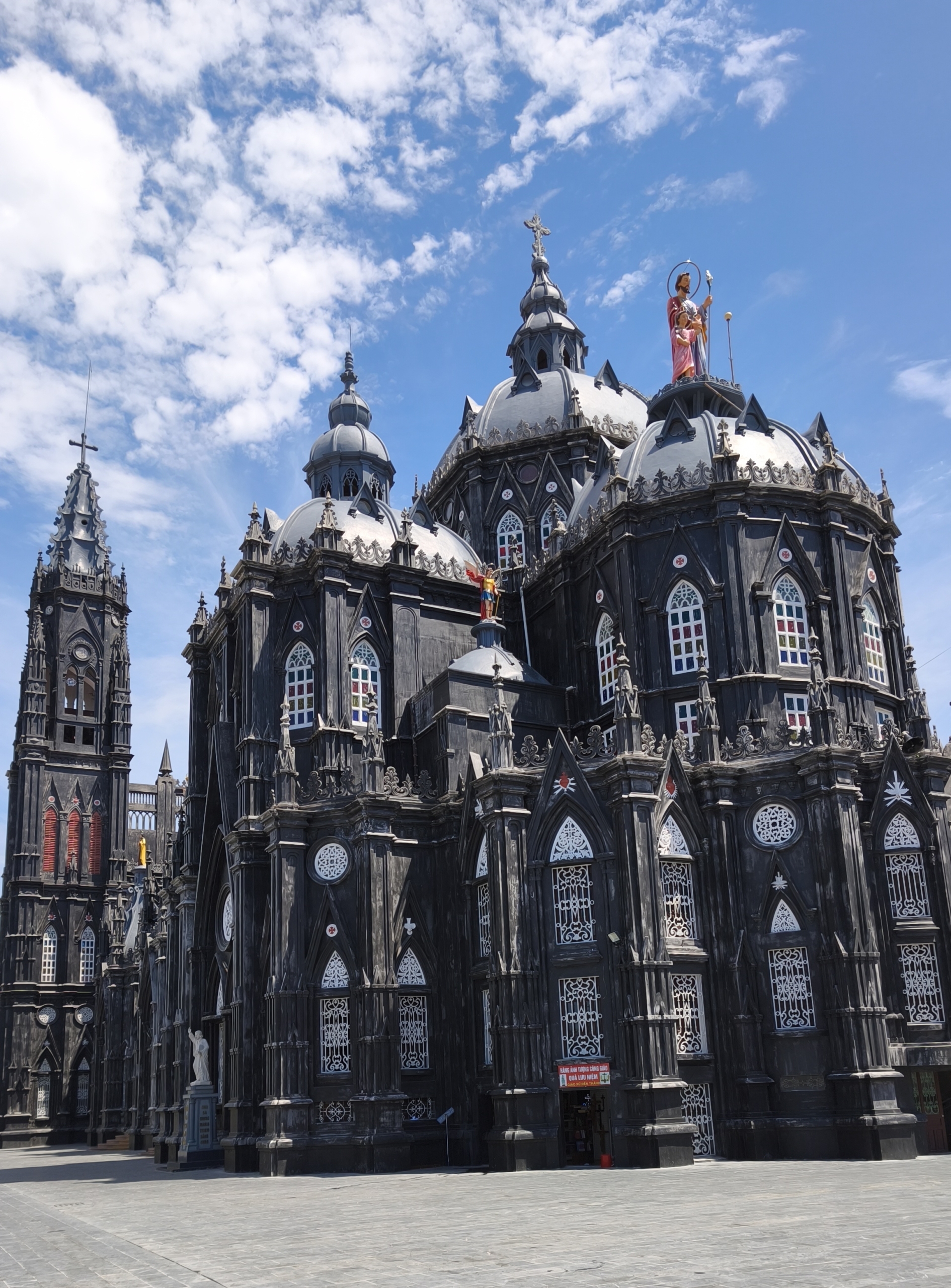
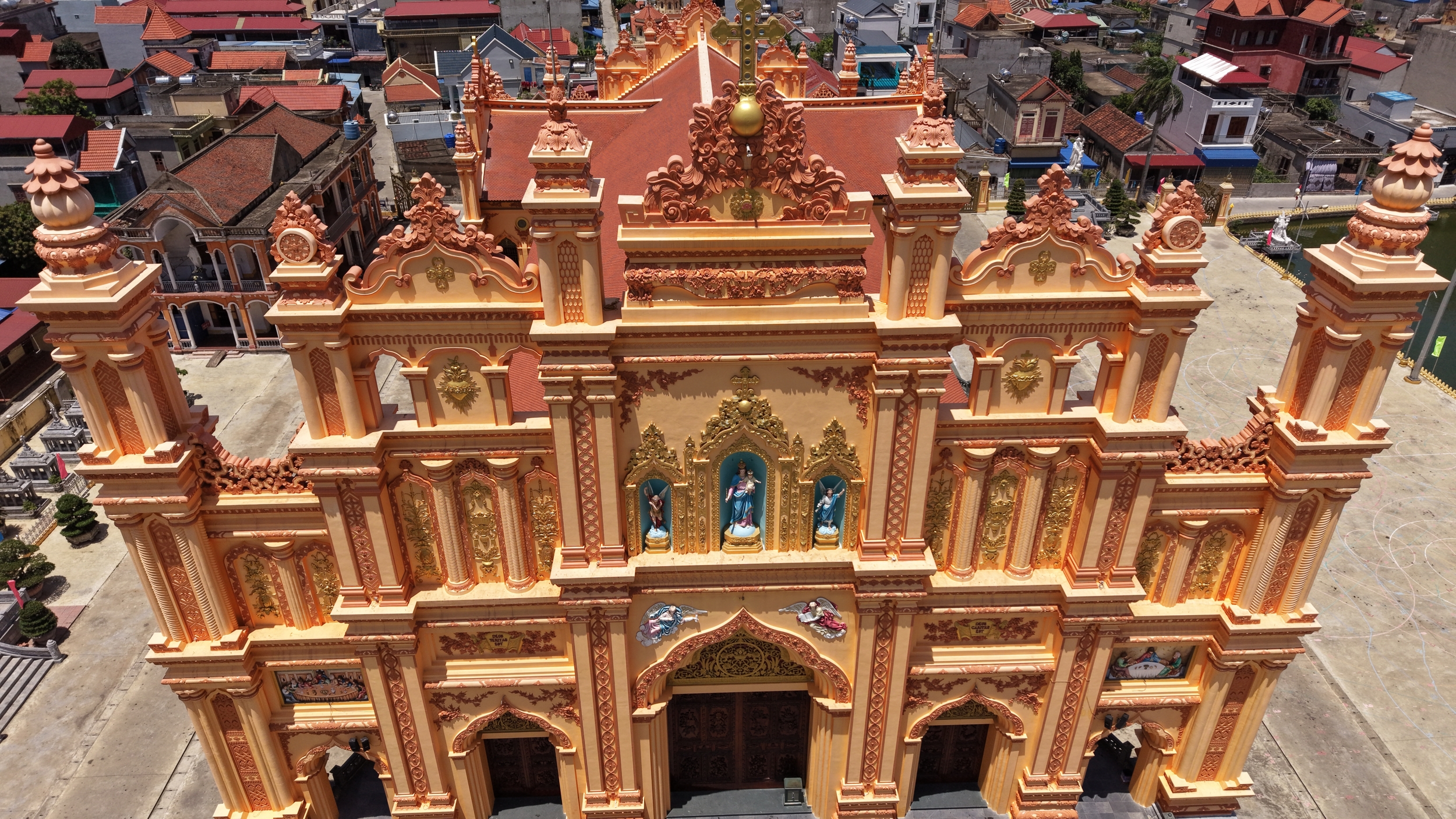
Using the Mountain Two Different Ways
Where the temple or pagoda tucks into the cavities to vanish, to melt into the mountain’s living body, the Chau Son monastery uses the relief differently.
It doesn’t try to disappear into the rock.
It leans against it.
The mountain becomes its screen.
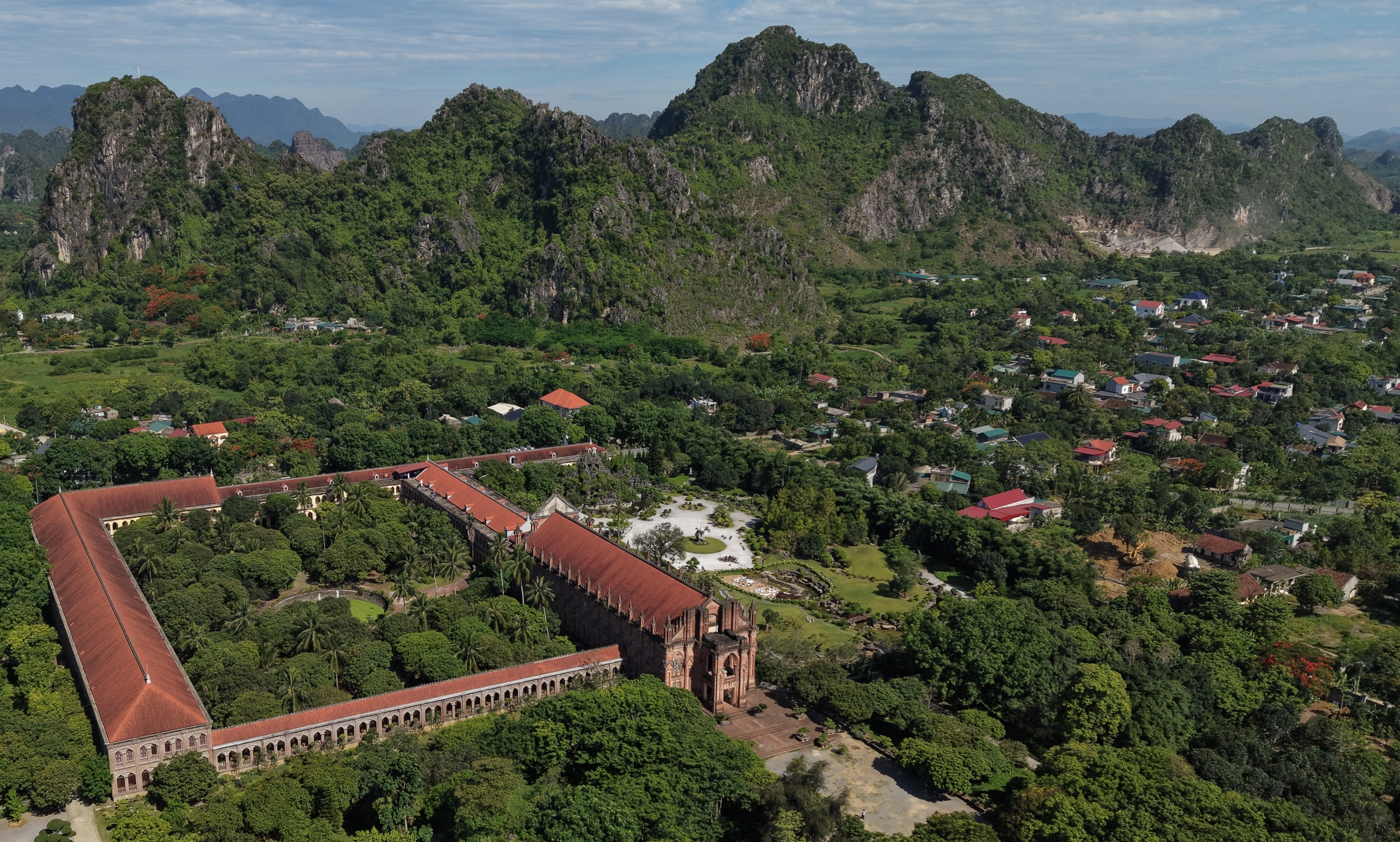
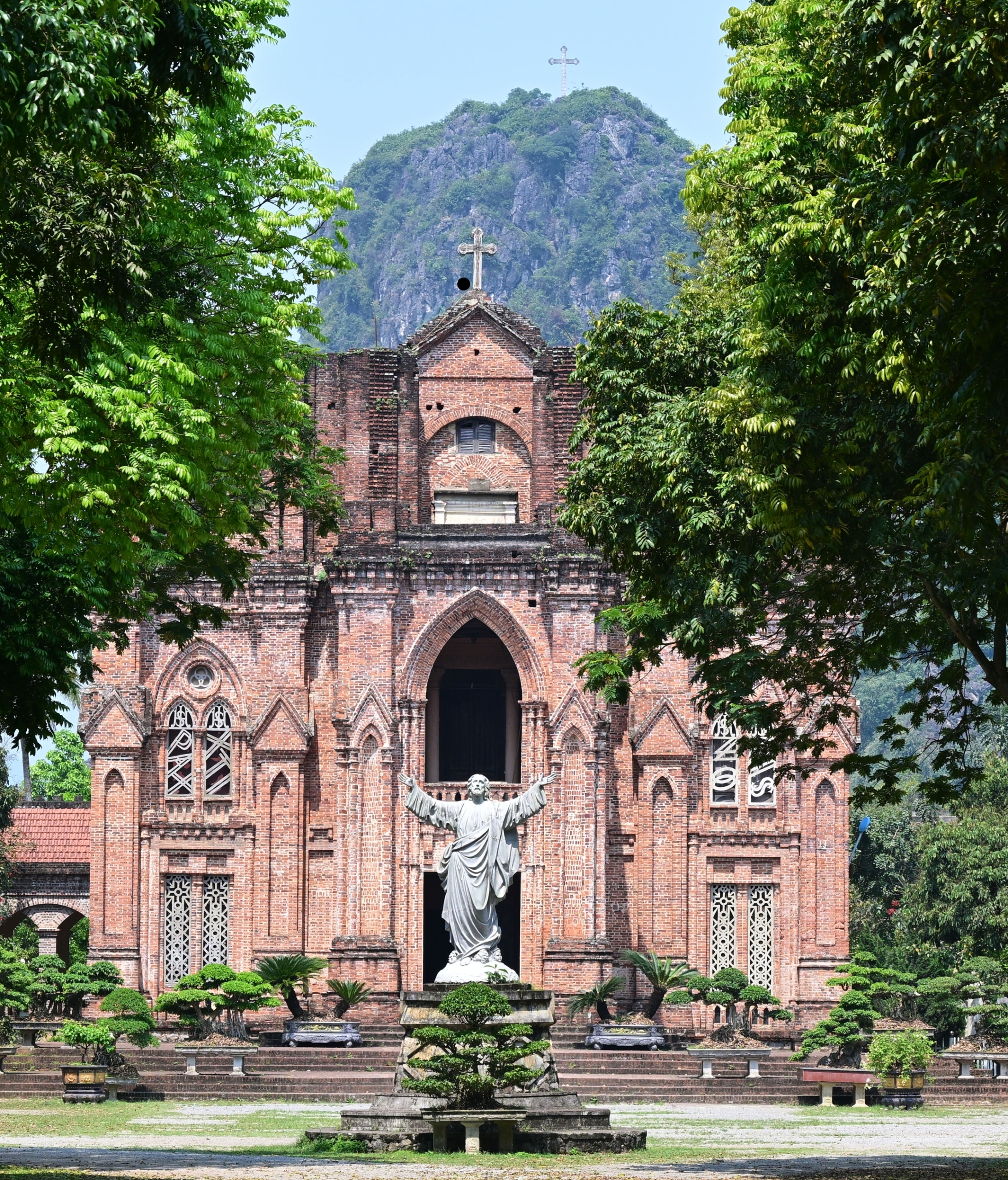
In front, the monastery unfurls its long brick wings, wraps its interior space, turns its back on the noise of the world.
This isn’t an architecture that conquers the horizon.
It’s an architecture that manufactures withdrawal.
Vertical here and there, sure — but its core gesture is horizontal: encircle, protect, contain.
The mountain behind.
The world outside.
And in between, silence.
And Between the Two: The Rice Paddies, the Villages, the Water
This is the living tissue that absorbs the shock and stitches everything together.
The horizontal mirror where limestone peaks and steeples both find their reflection.
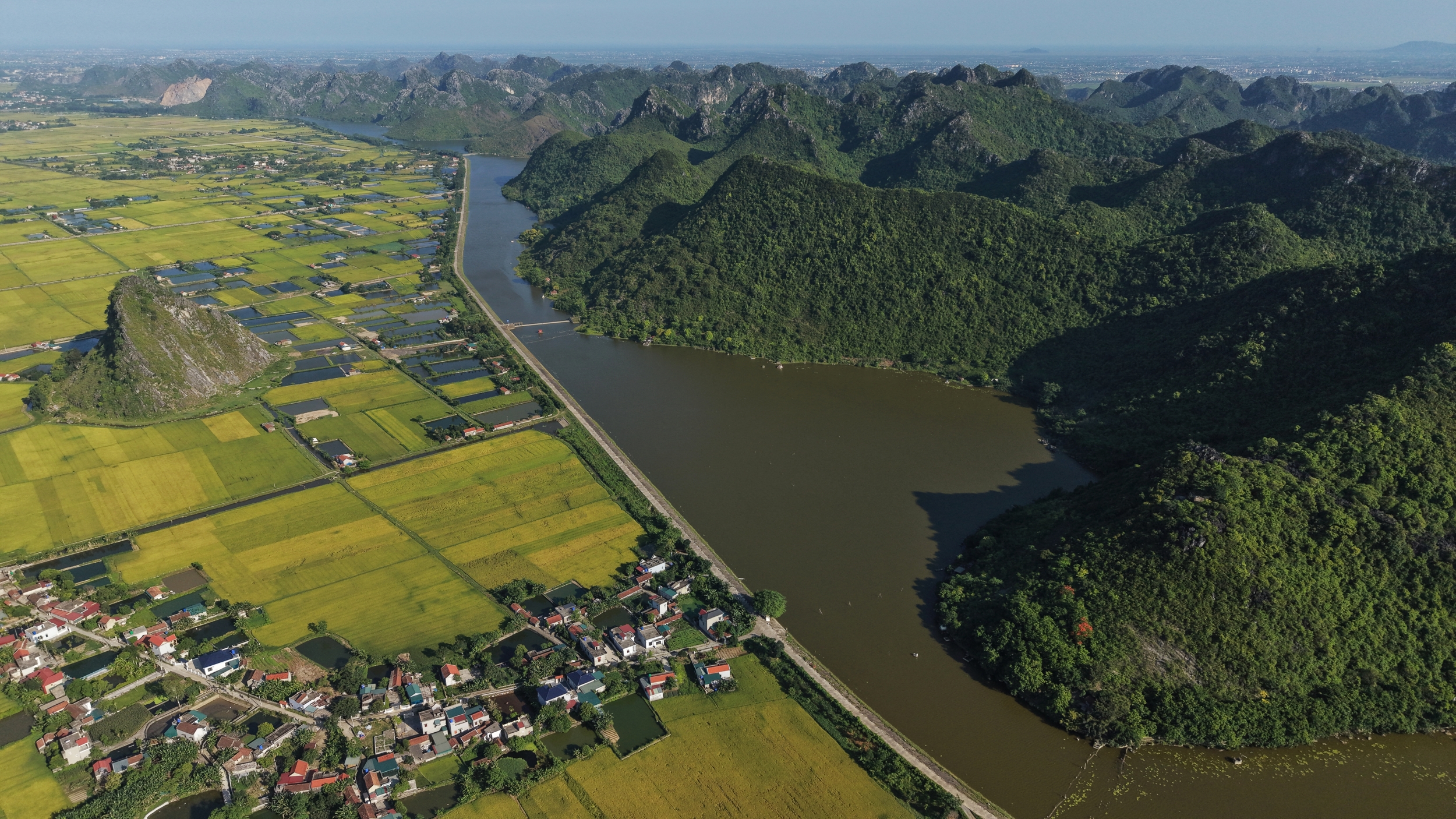
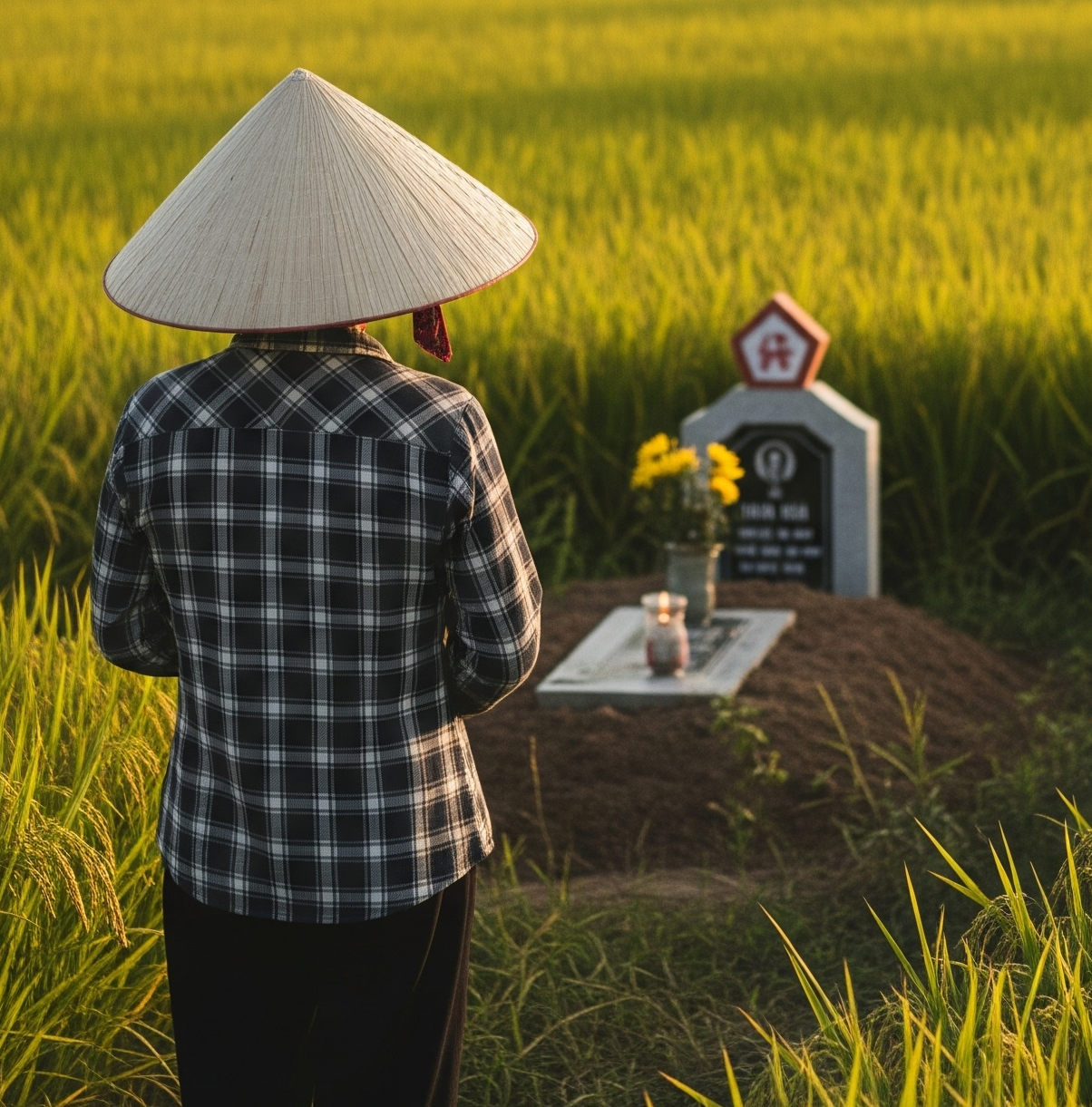
But even here, the divine isn’t far off. The rice paddy is sanctuary too. The dead aren’t banished from view. They stay right where they bent their backs their whole lives.
Far more than simple graves, they’re expressions of ancestral belief, of an unbroken family bond, of feng shui’s weight in life and in death.
Death doesn’t sever the tie to the land.
It takes root there.