
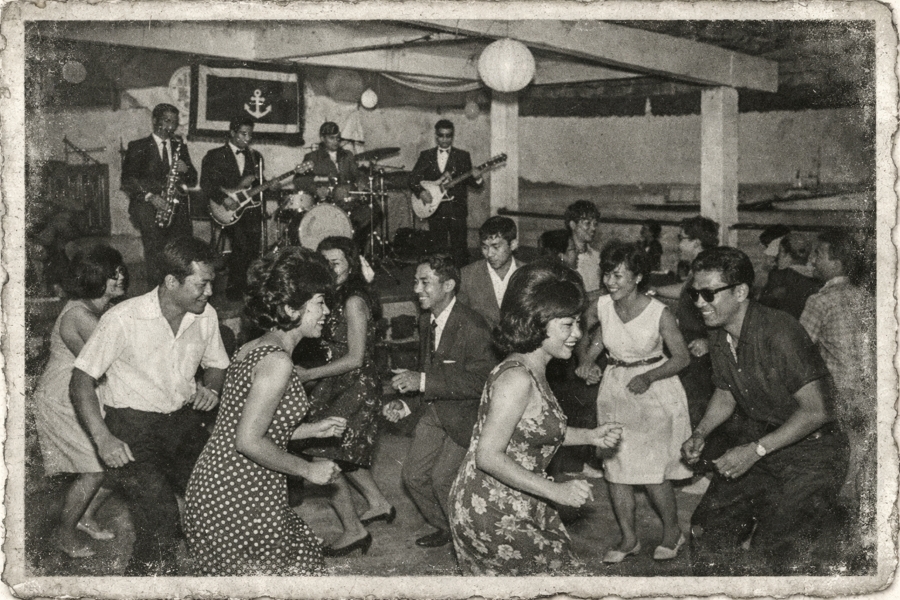
Forget, for a moment, the bas-reliefs of Angkor Wat. The true national monument of the 1960s was not something you visited—it was something you listened to. It was funk. In Cambodia’s extraordinary history, there exists a stretch of time, a parenthesis of silk and vinyl, utterly singular, that nostalgics call the “Golden Age.” Between the end of the French protectorate in 1953 and the looming shadow of the Khmer Rouge in 1975, the kingdom experienced an unprecedented cultural effervescence. At the heart of this metamorphosis stood Kep-by-the-Sea: a tropical Riviera where modernist architecture, princely dandyism, and the electric rhythms of a hybrid funk gave birth to a way of life found nowhere else in the world—before history abruptly cut the sound.
The stage of tropical modernism
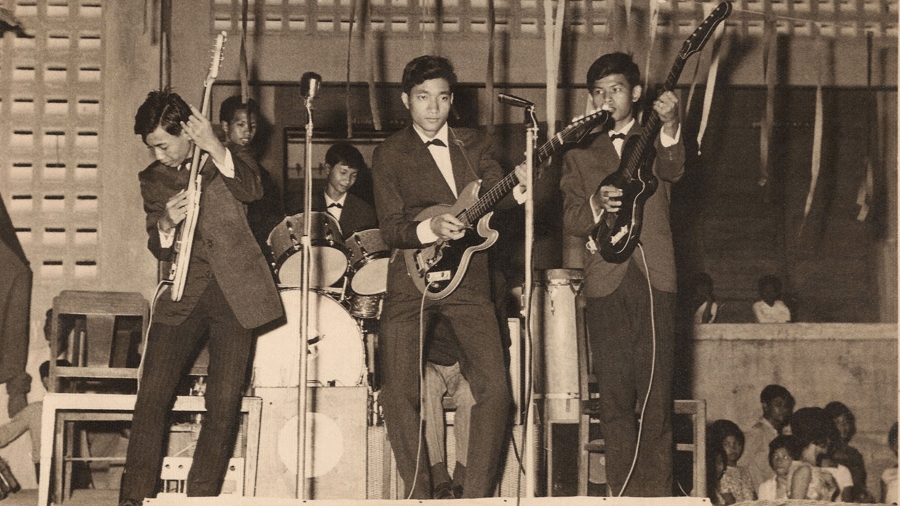
Who would have guessed, strolling through Kep today, that this now slightly faded, gently obsolete seaside town was, in the 1960s, the boldest showcase of Khmer modernity ? Under the impetus of Prince Norodom Sihanouk, himself a filmmaker, musician, and aesthete, the city filled with hundreds of experimental villas. Here, concrete was not meant to be cold, it was the language of “New Khmer Architecture.” Inspired by Le Corbusier yet adapted to the tropical climate, architects such as Vann Molyvann raised suspended houses with butterfly roofs and perforated façades of brise-soleil, defying gravity above the Gulf of Thailand.
Within these cases of pure geometry, Phnom Penh’s elite came to escape the capital’s heat. Diplomats, artists, and a gilded youth mingled there, all wrapped in a relaxed elegance, linen shorts and trapeze dresses, foreshadowing a tropical dandyism that rivaled the Côte d’Azur or Palm Springs. It was the perfect setting for the Sangkum’s cultural project: to present a Cambodia that was elegant, contemporary, self-assured, and finally free of the colonial gaze.

The soundtrack of an electric kingdom
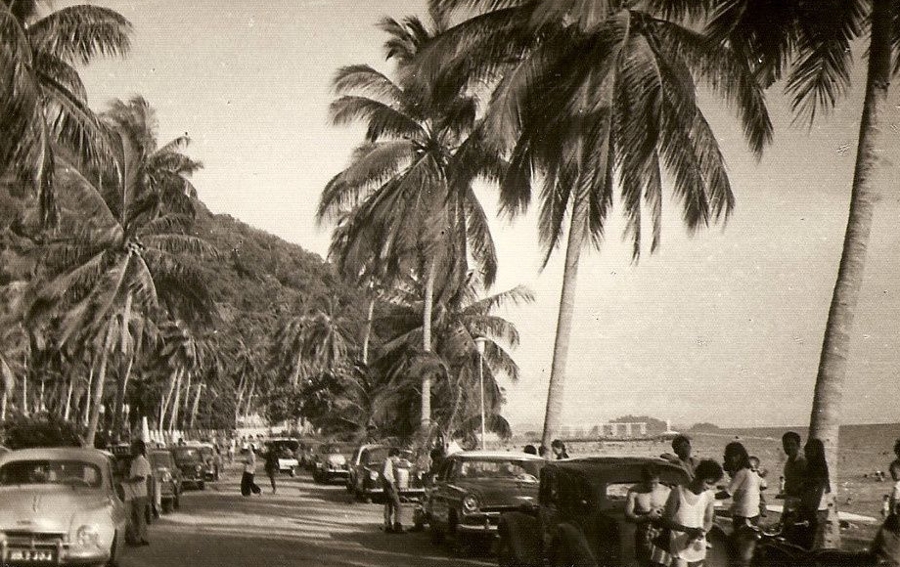
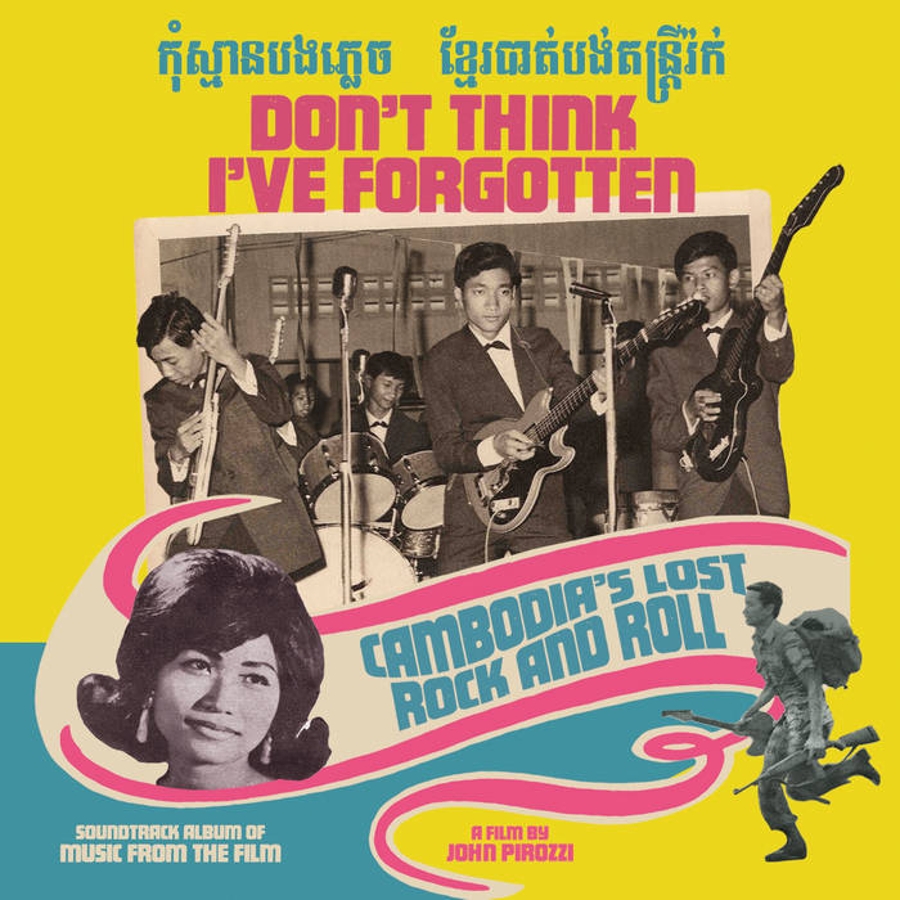
But Kep would have been nothing more than a film set without its soundtrack. At the time, Cambodian radio picked up waves from American bases in neighboring South Vietnam. Rock ’n’ roll, surf rock, then funk, psychedelia, and even French yé-yé seeped into the ears of local musicians. A miraculous fusion followed : the marriage of electric instruments, fuzz guitars or Hammond organs, with melancholic scales and traditional Khmer vocals. Cambodian funk-rock was born.
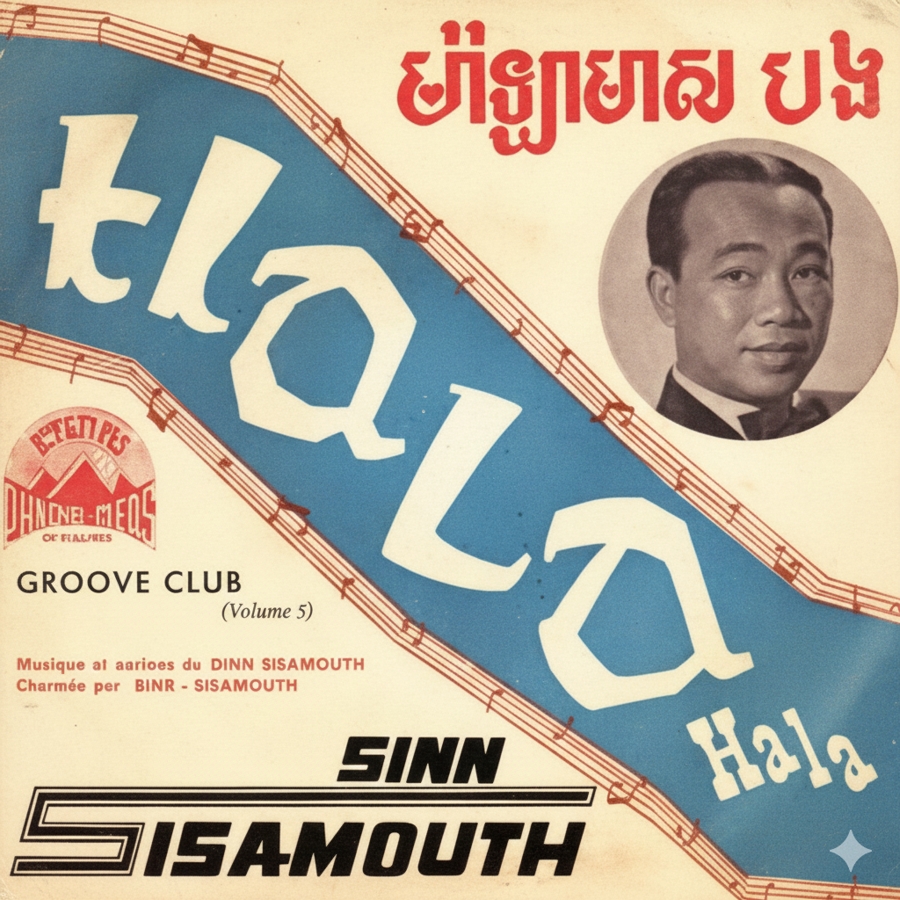
Sinn Sisamouth, “the King,” an absolute crooner with a velvet voice, adapted Western ballads while composing irresistible rock anthems. Ros Serey Sothea, the “Golden Voice,” brought yé-yé energy and a vocal power that still resonates today on the turntables of collectors worldwide. Pan Ron, more rebellious and provocative, injected funk rhythms into go-go hips in the resort’s clubs.
In Kep, during evenings at the Yacht Club or in the gardens of private villas, carefree abandon reigned. People danced the twist, the agogo, and an electrified ramvong to saturated guitars, while Prince Sihanouk organized impromptu jazz festivals, making Kep the center of gravity of Asian cool. Kep embodied a confident, elegant Cambodia, firmly in step with the world’s tempo. Ah ! Once again, I seem to have the knack for being born in the wrong era. I console myself by thinking that arriving too late for the party sometimes offers a clearer view than having danced in it.
A brilliant interlude, brutally closed
This perpetual fête, this “swinging Phnom Penh” transplanted to the seaside, came to a brutal end in April 1975. The Khmer Rouge’s rise to power did not merely mark the end of a political regime; it was an attempt to erase a culture entirely. Music was declared “imperialist,” instruments were smashed, and artists were among the first targets of the purge. Sinn Sisamouth, Ros Serey Sothea, and Pan Ron vanished, taking with them the secrets of their melodies. In Kep, villas were evacuated, looted, then abandoned. The Khmer Rouge, and later the jungle, reclaimed their rights.
Kep and the art of disappearance
Today, Kep presents a fascinating face: that of an “elegant decay.” Along the coastal roads, one still glimpses these concrete skeletons—gutted modernist villas whose staircases lead nowhere, once glorious, their walls still bearing bullet scars.
Yet the funk never entirely went silent. Thanks to devoted enthusiasts and contemporary bands who unearthed vinyl miraculously saved from the earth, the sound of Kep lives again. Discerning travelers come in search of this scent of nostalgia, a singular atmosphere where the discreet luxury of today’s boutique hotels converses with the ghosts of a radiant past.
Kep, antithesis of Sihanoukville, remains a land of languor where, if you listen closely at sunset, you can still hear the crackle of an old 45 rpm record and the laughter of a youth who believed the music would never stop.
