
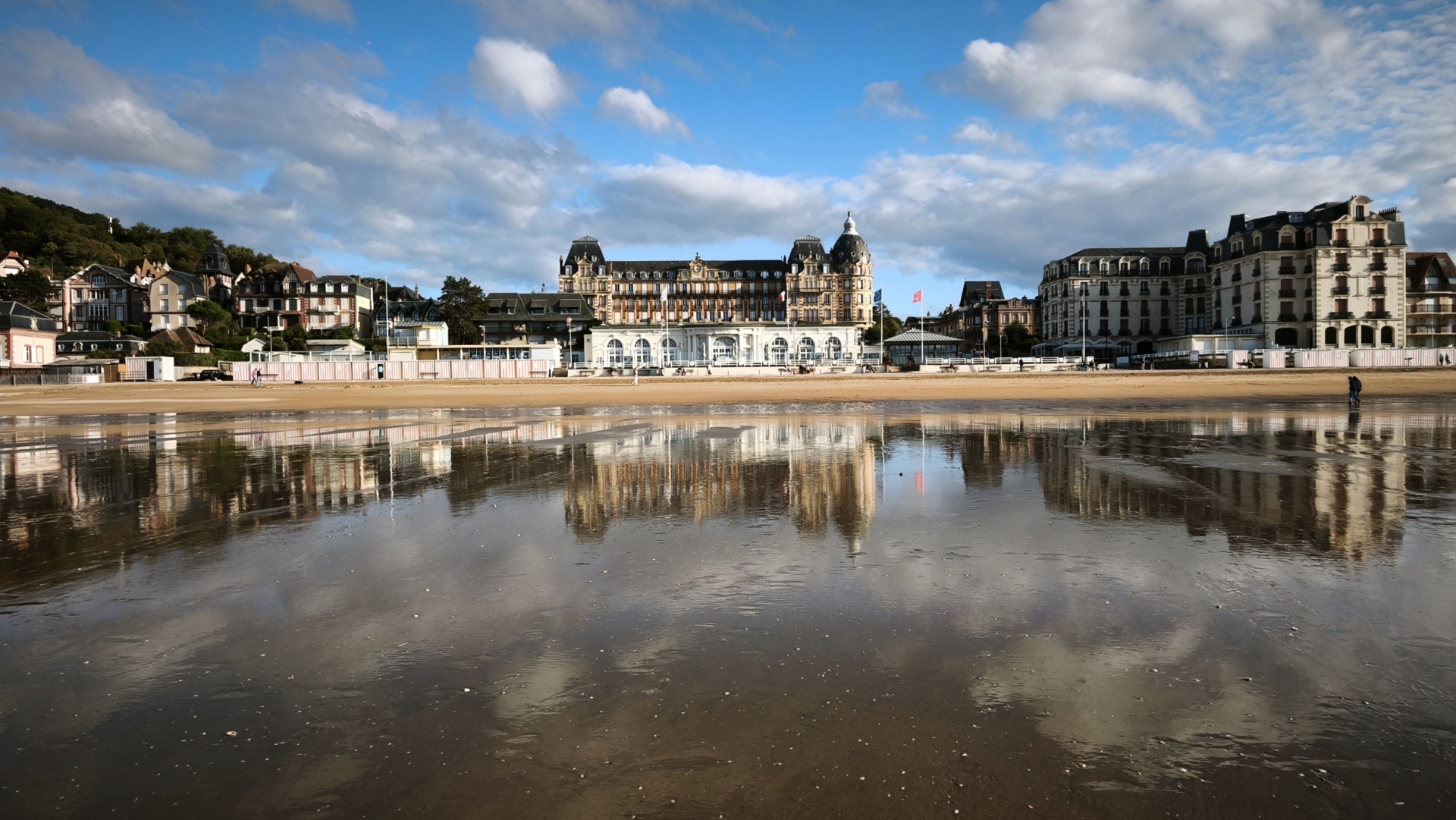
Ah, Houlgate! If Trouville is the dignified countess and Deauville the show-off courtesan strutting her boardwalk, Houlgate is the one who slipped in quietly through the back door.
Uninvited.
But with enough swagger to make them pull up a chair for her anyway.
This is the resort that suddenly sprang up in its own little corner, in the shadow of the Vaches Noires cliffs, to lure in a Parisian bourgeoisie that was a notch less aristocratic but loaded with cash — the kind looking to get a little wild by the sea, only to do it from villas even more eccentric, more extravagant, more shamelessly neo-Norman and neo-Gothic.
A quiet, discreet elegance that has somehow survived.
But look closer. Behind this slightly outrageous architectural spectacle, this body of brick and turrets, lurks the raw violence of nineteenth-century capitalism.
The Norman Postcard
I always love coming back to Houlgate.
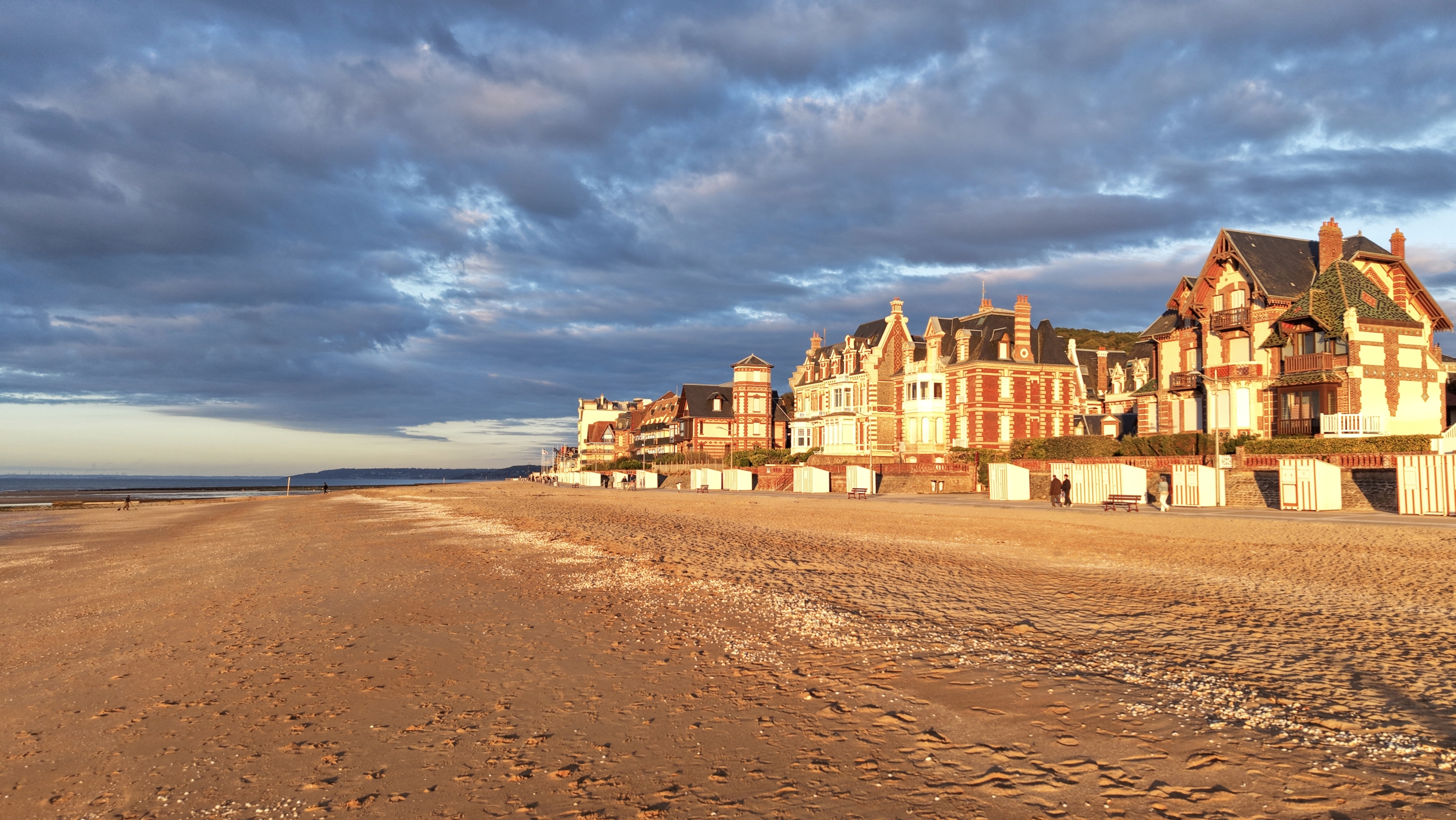
The town seduces. It is the perfect Norman postcard.
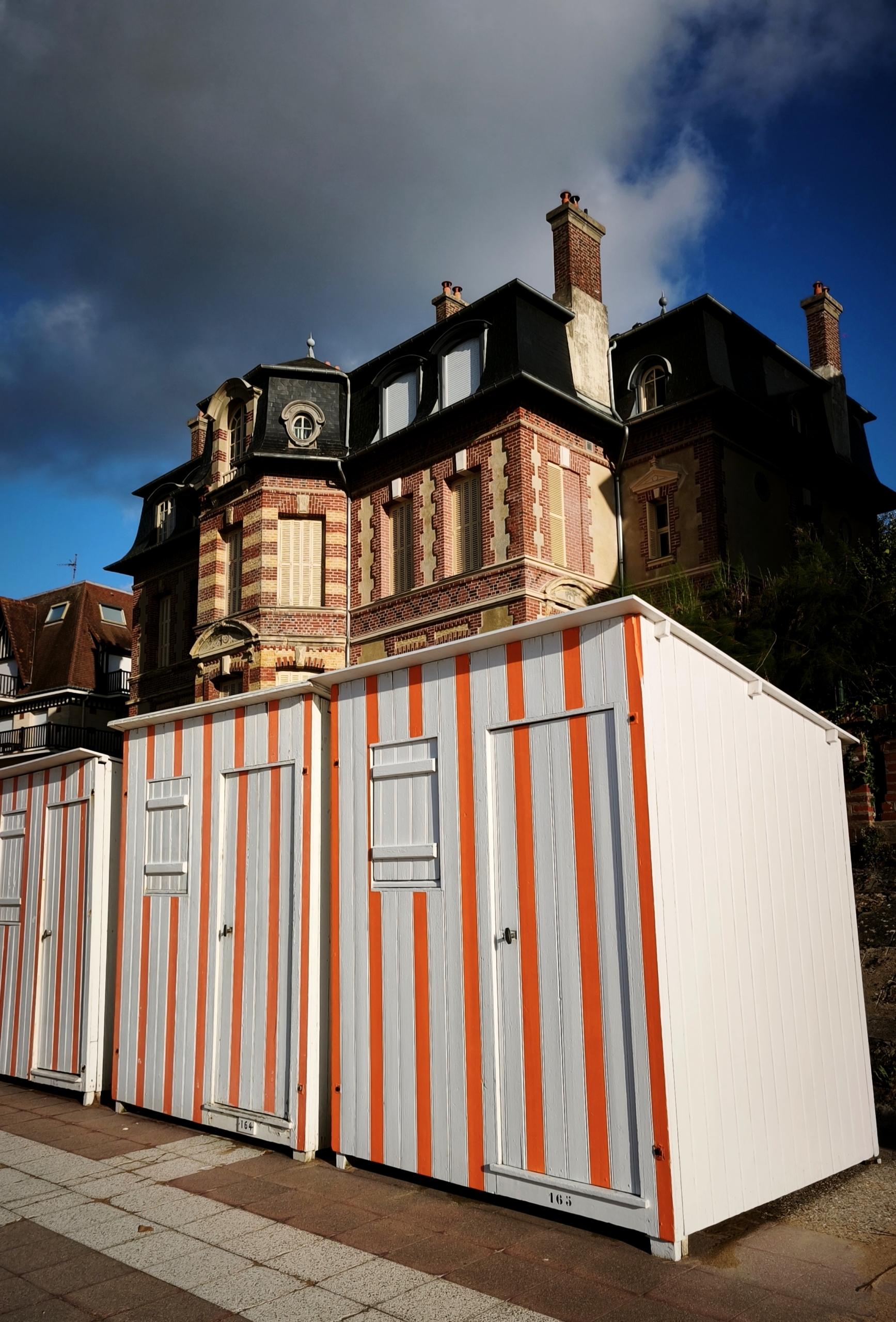
Stately villas lined up neatly along the sea, rooflines tumbling down the hillside before running smack into the regimented rows of beach huts. Versailles or the 16th arrondissement at the seaside. Apolline and Marius with their plastic buckets.
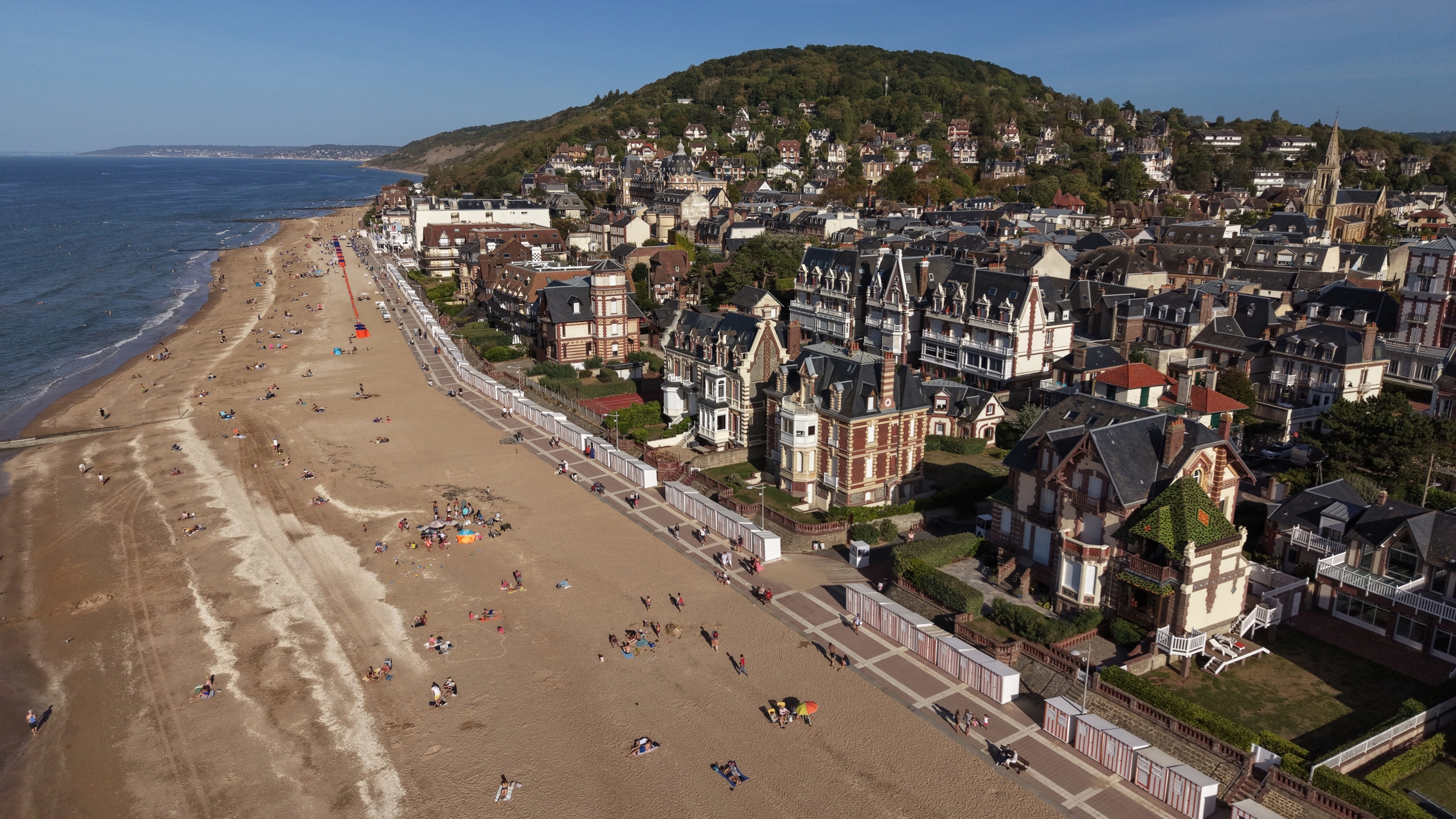
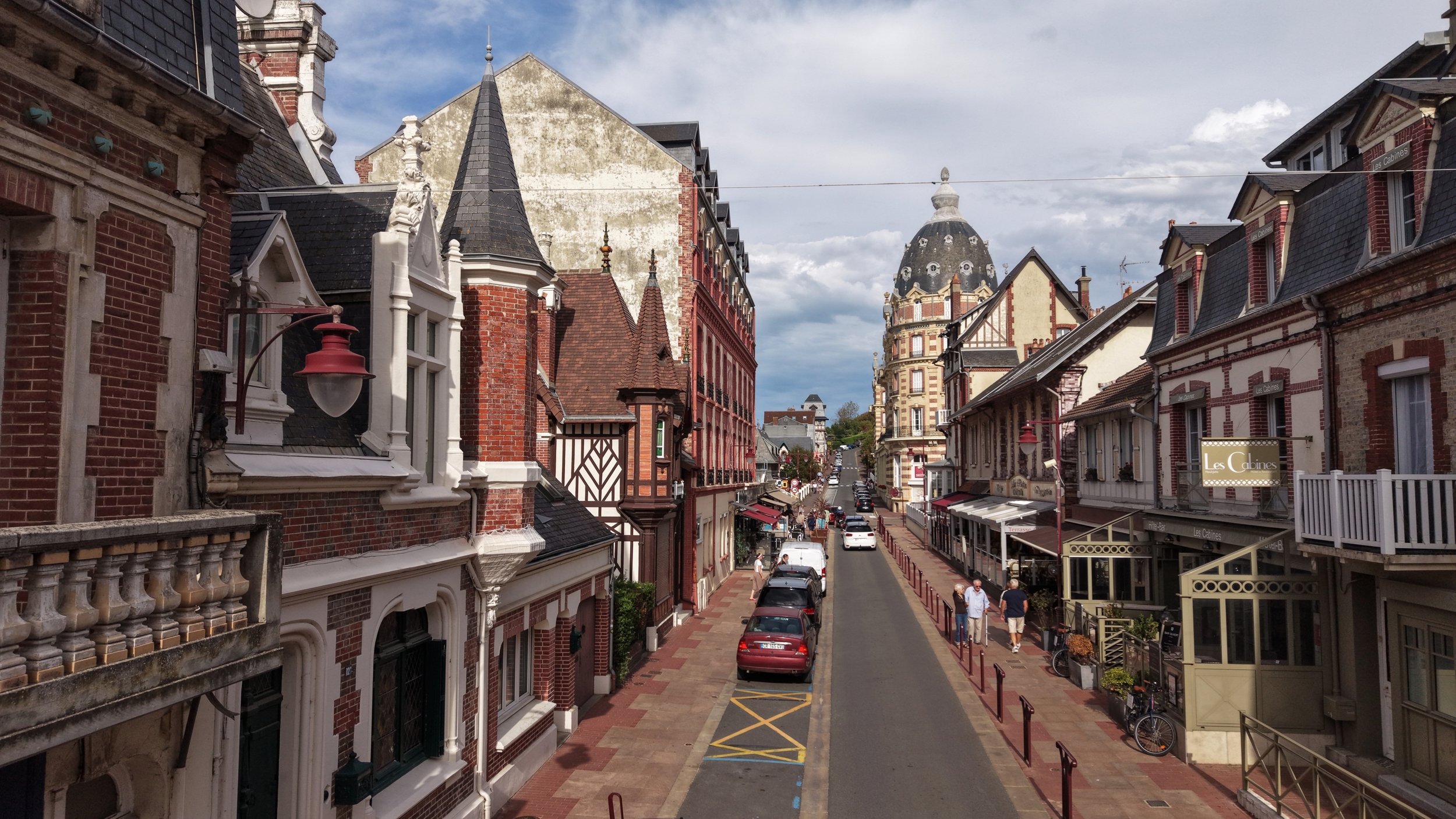
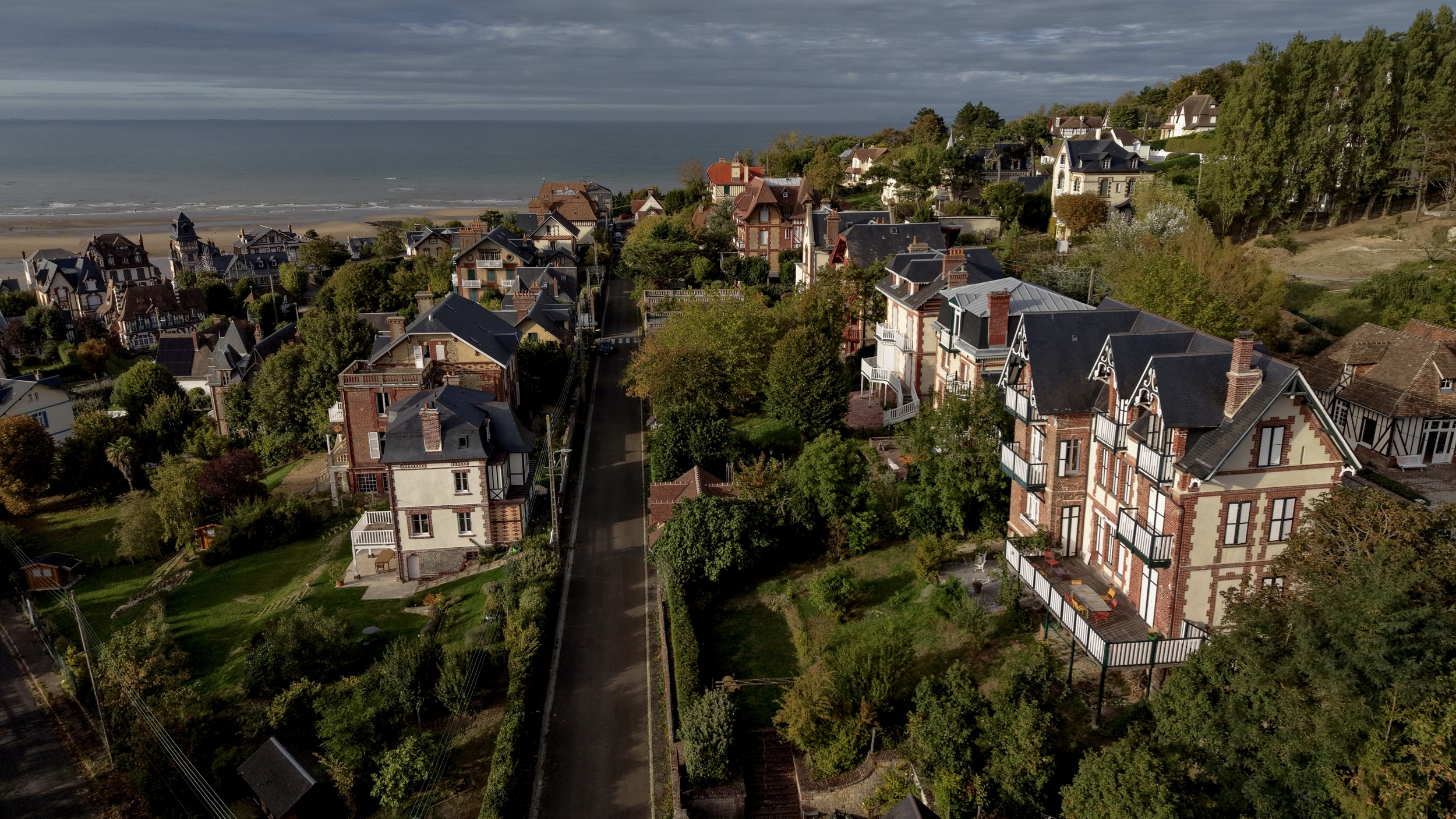
No noise. No bling. No pretentious beach lounge. No champagne showers. No yacht bobbing offshore.
Discretion is the local religion.
But tasteful discretion. Well-groomed, well-bred, dressed in a branded Breton shirt and loafers that wouldn’t offend a soul.
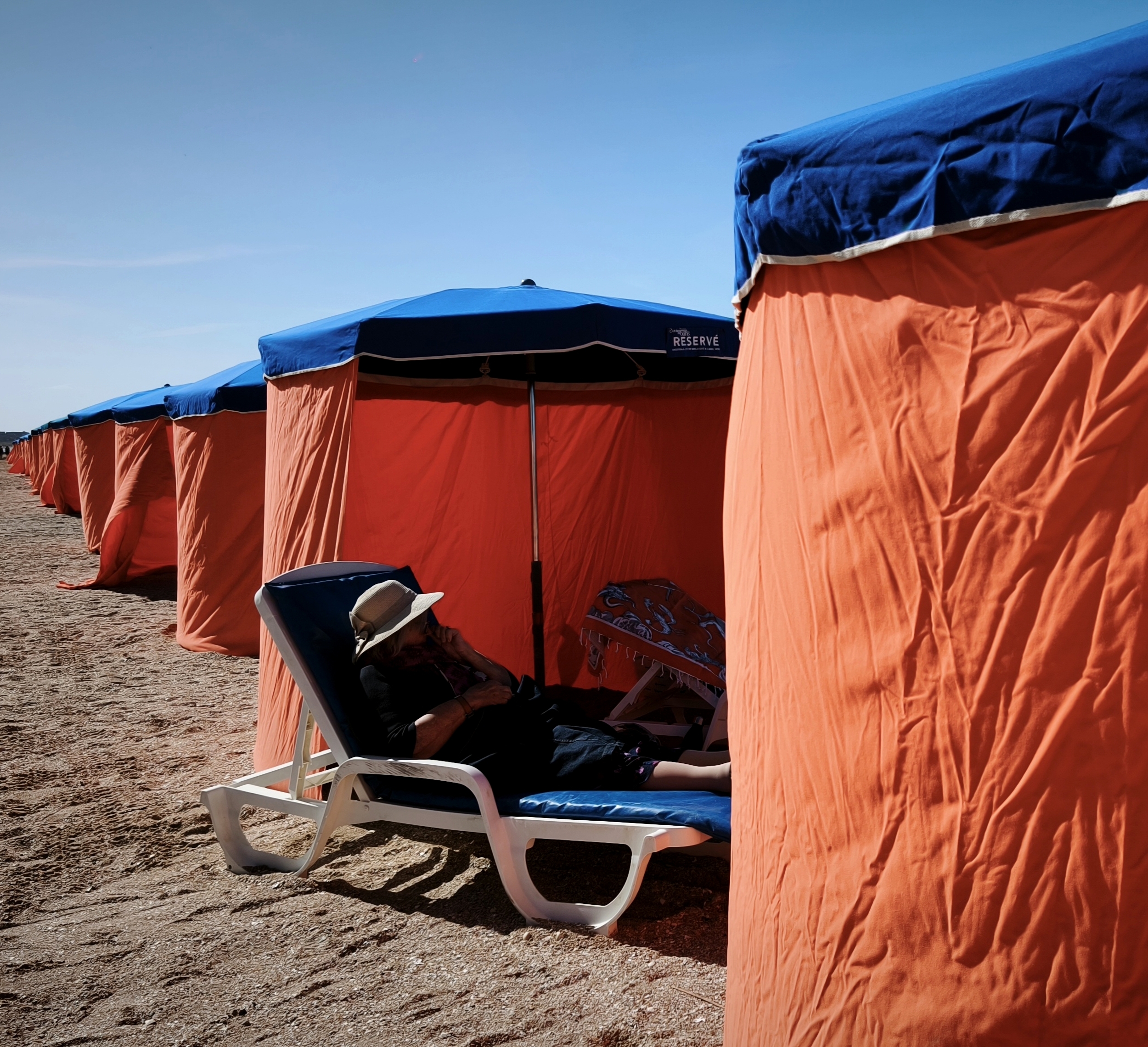
Even the campsite behaves itself.
Right on the water, no waterslides, no Miss Camping night, it has mastered the art of keeping a low profile.
Camping for respectable family men, where the aperitif never gets out of hand.
A proper little slice of “good France”, respectable from top to bottom, a protected bubble, a plush refuge for the well-off who want the spectacle of the sea without ever having to deal with its waves.
And when I take my mother on holiday, you don’t say no to that.
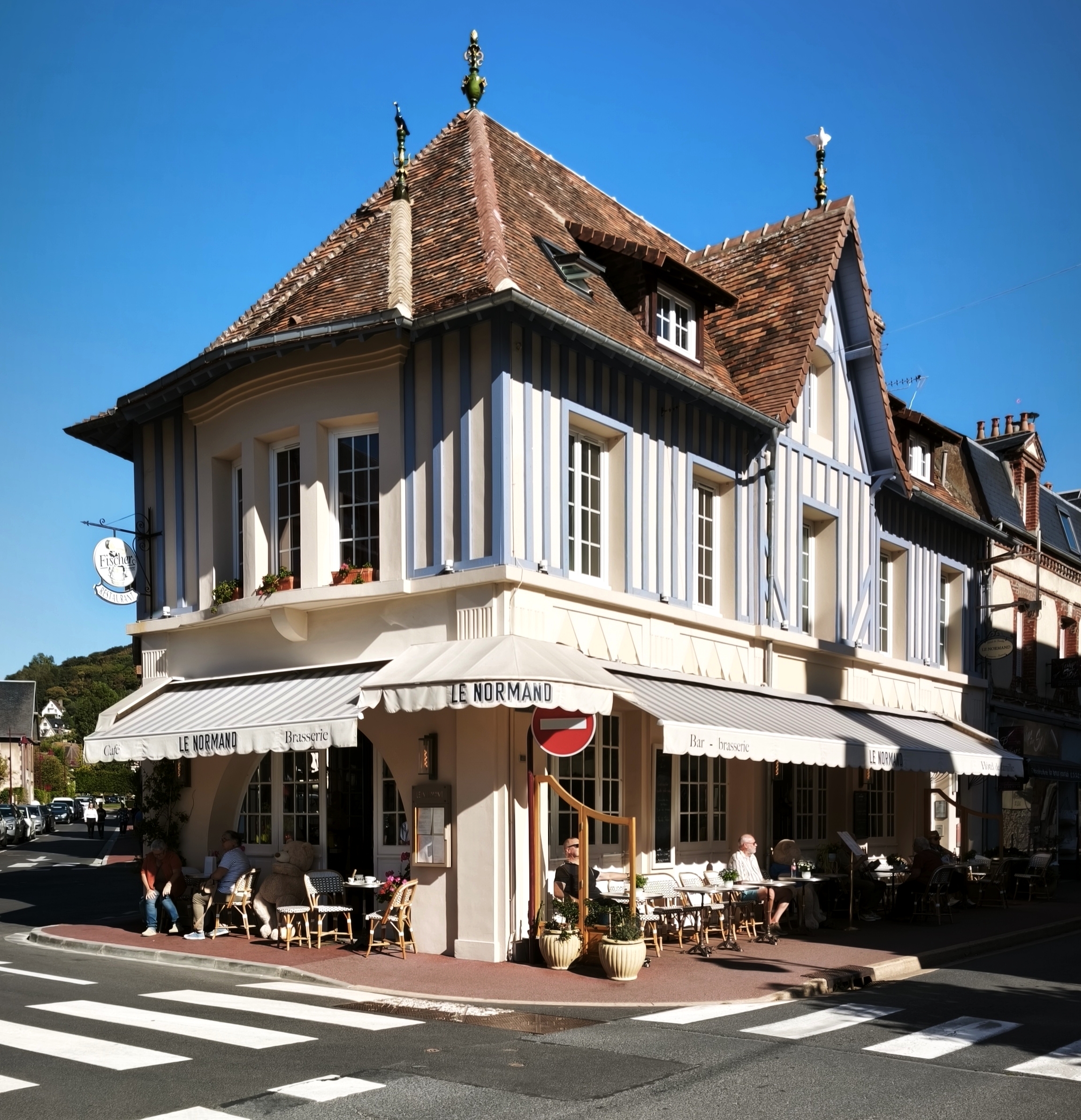
The Taste of Blood
Behind the poetry of Houlgate’s half-timbered façades, blue ceramics and neo-Gothic turrets, there is more than lace.
There is the brutal takeover of a rural, maritime territory by the merchant and financial bourgeoisie of the Second Empire and the Third Republic.
These villas didn’t spring from the grace of God or some love of seaside aesthetics.
They were built with the sweat and blood of the Industrial Revolution.
It was money from the coal mines of northern France, from the blast furnaces, from the fledgling stock market and from colonial exploitation that came to take physical form in brick and stucco facing the Channel.
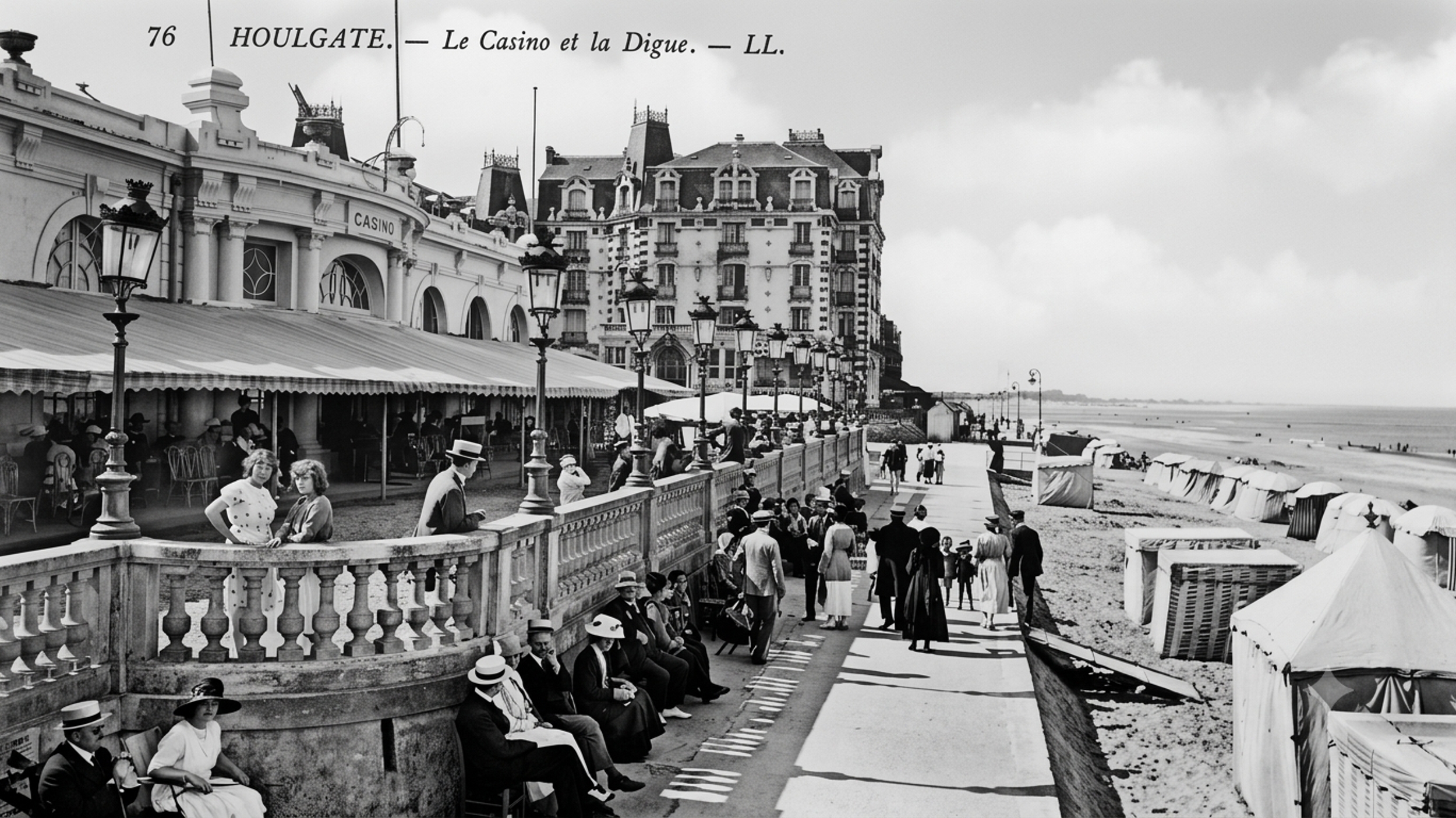
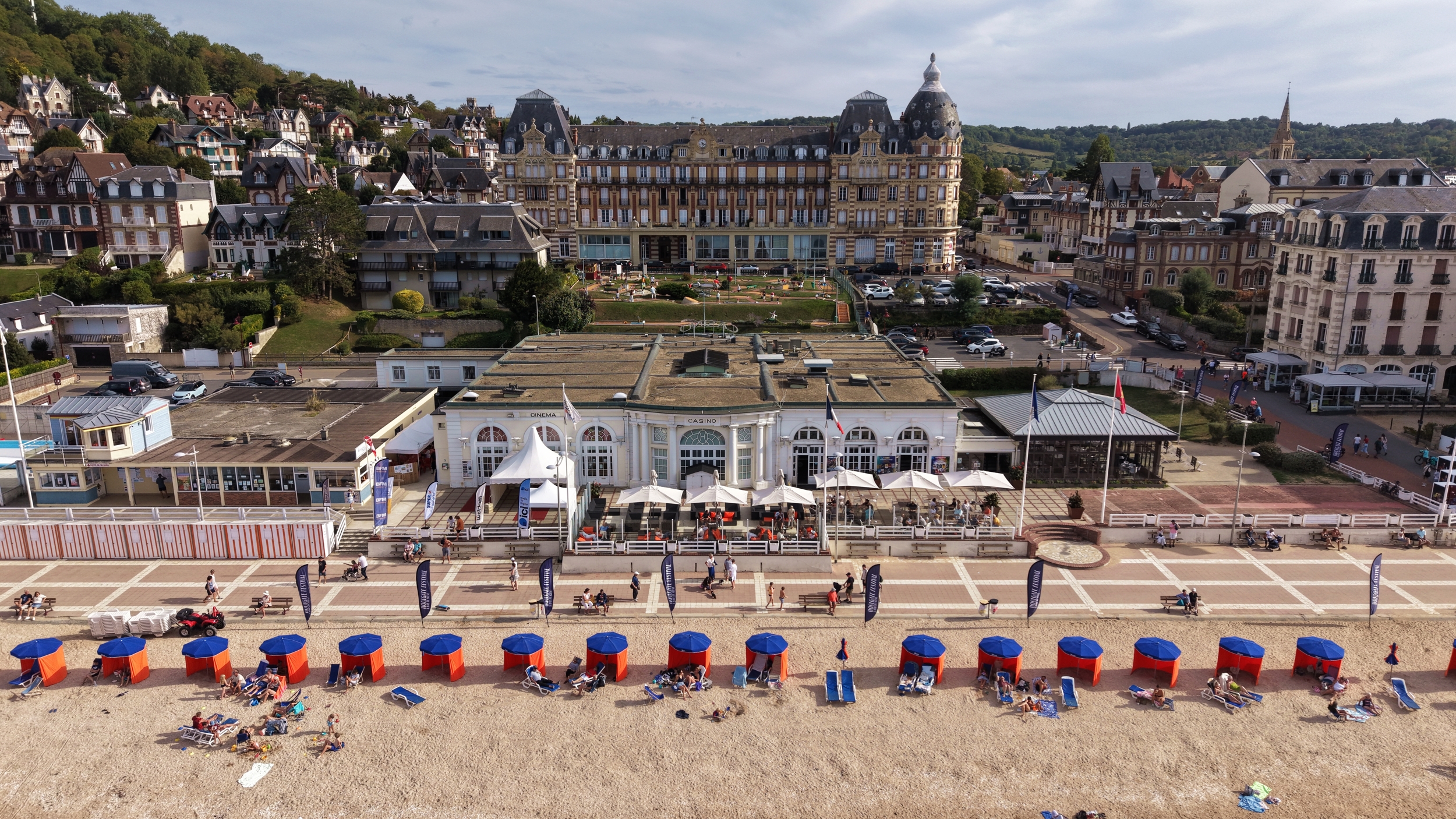
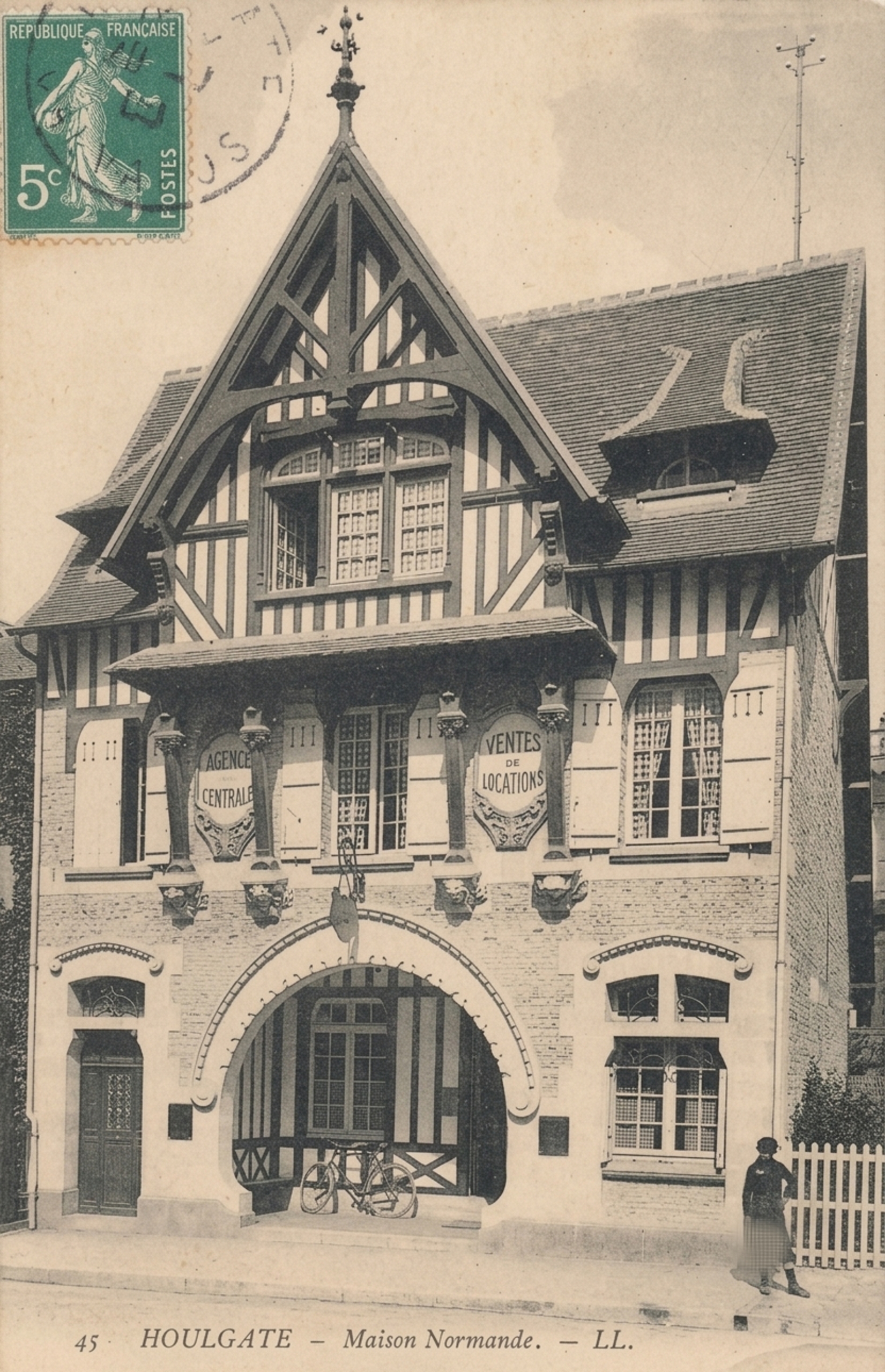
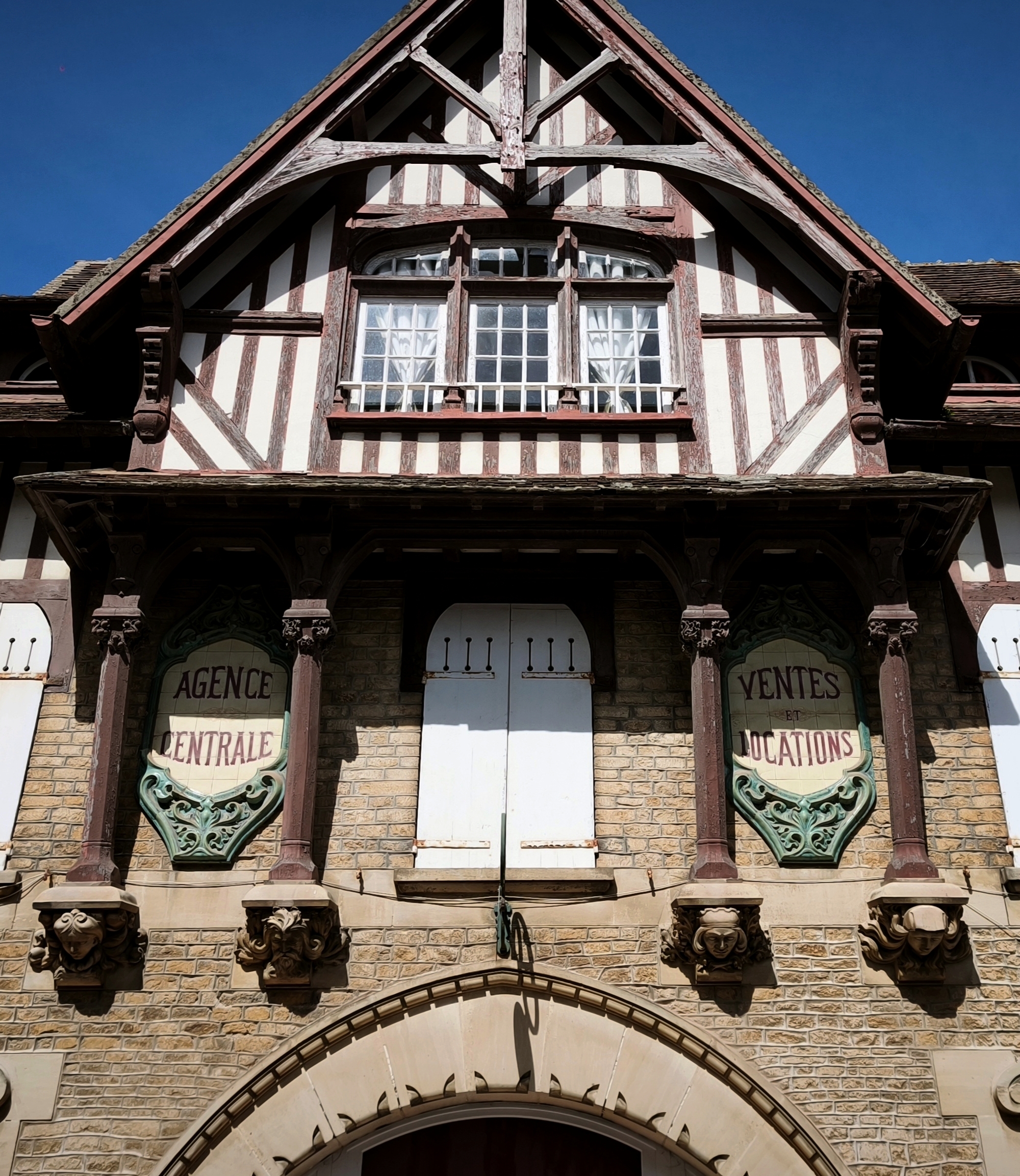
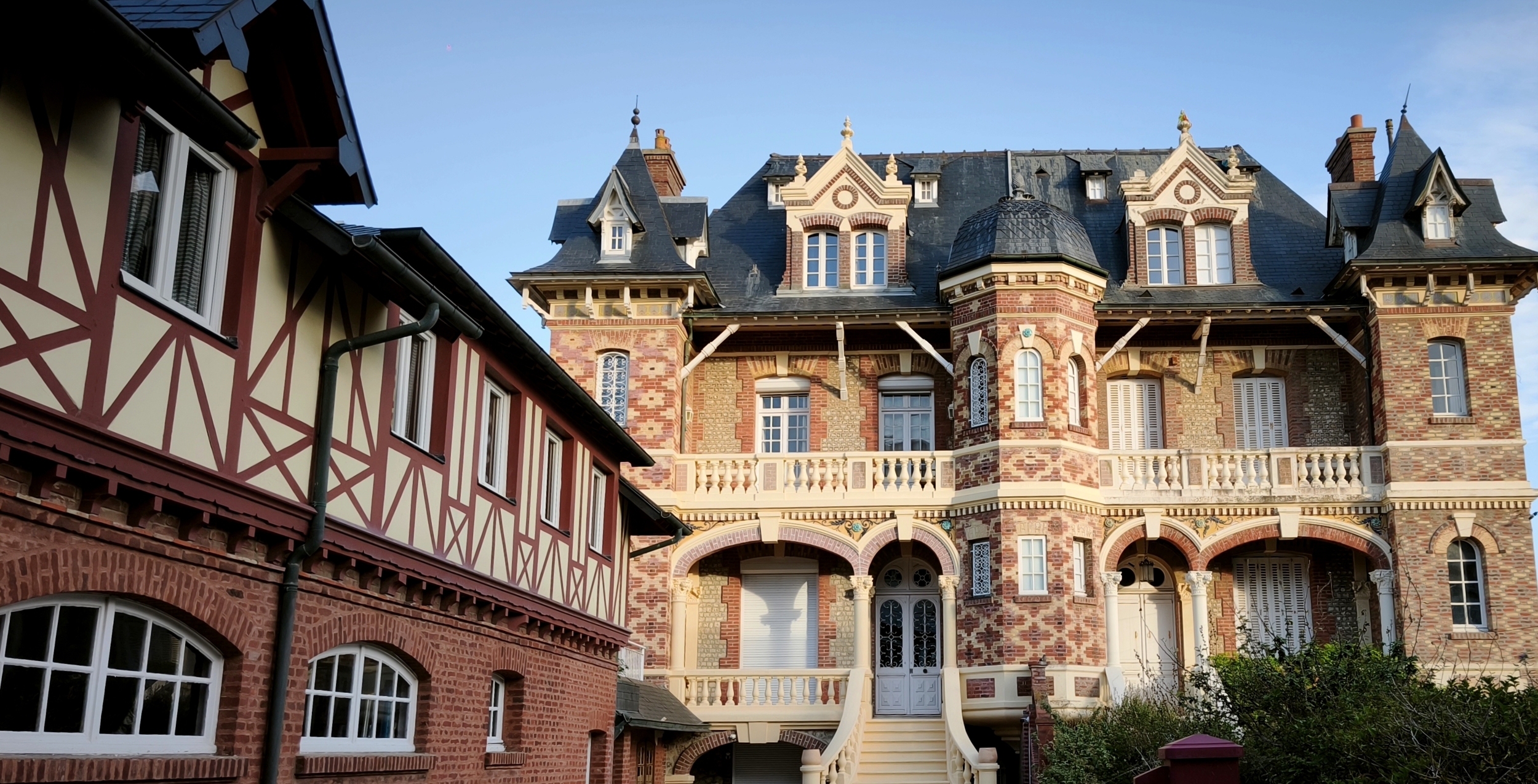
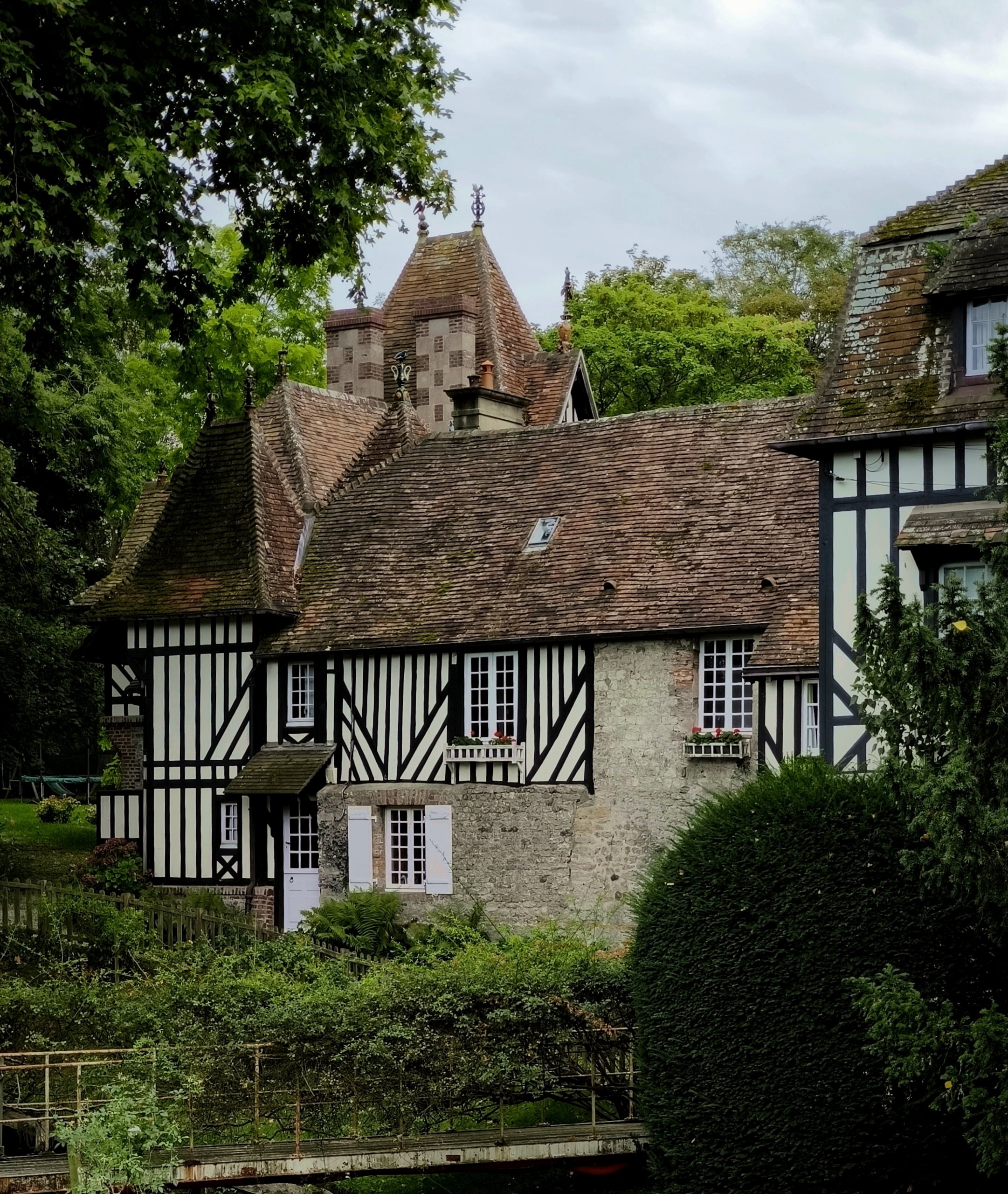
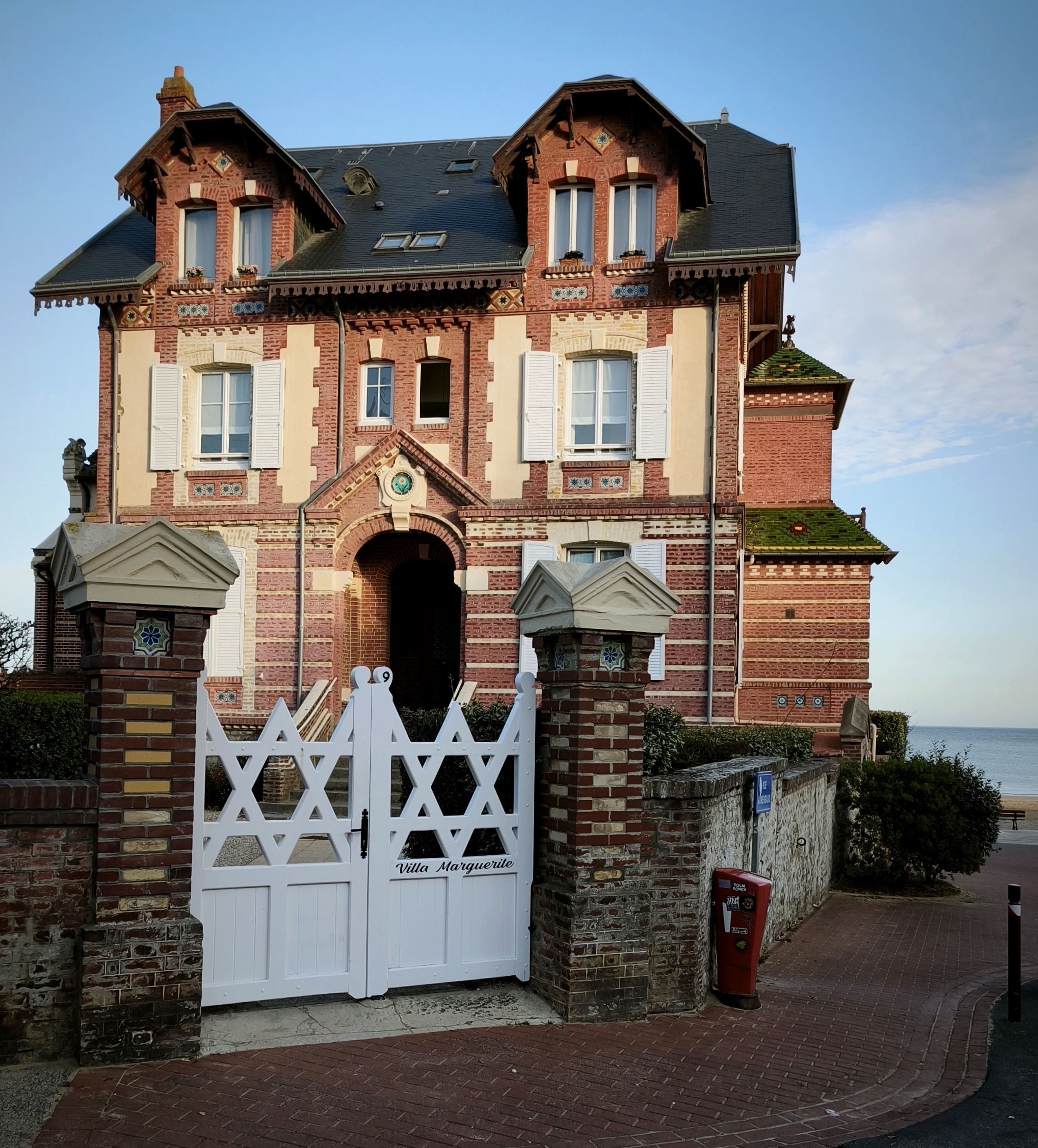
Houlgate wasn’t born out of some poetic impulse, but out of a straight-up real-estate speculation scheme launched in 1858 by the Société immobilière d’Houlgate, founded by Parisian banker Victor Delagarde and lawyer Onfroy.
“Mother, stop swooning over these properties for a minute. Don’t be naive.”
These villas are aestheticized strongboxes.
They carry the taste of blood, sweat and utter class contempt, frozen in stone beneath the respectable label of a family seaside resort.
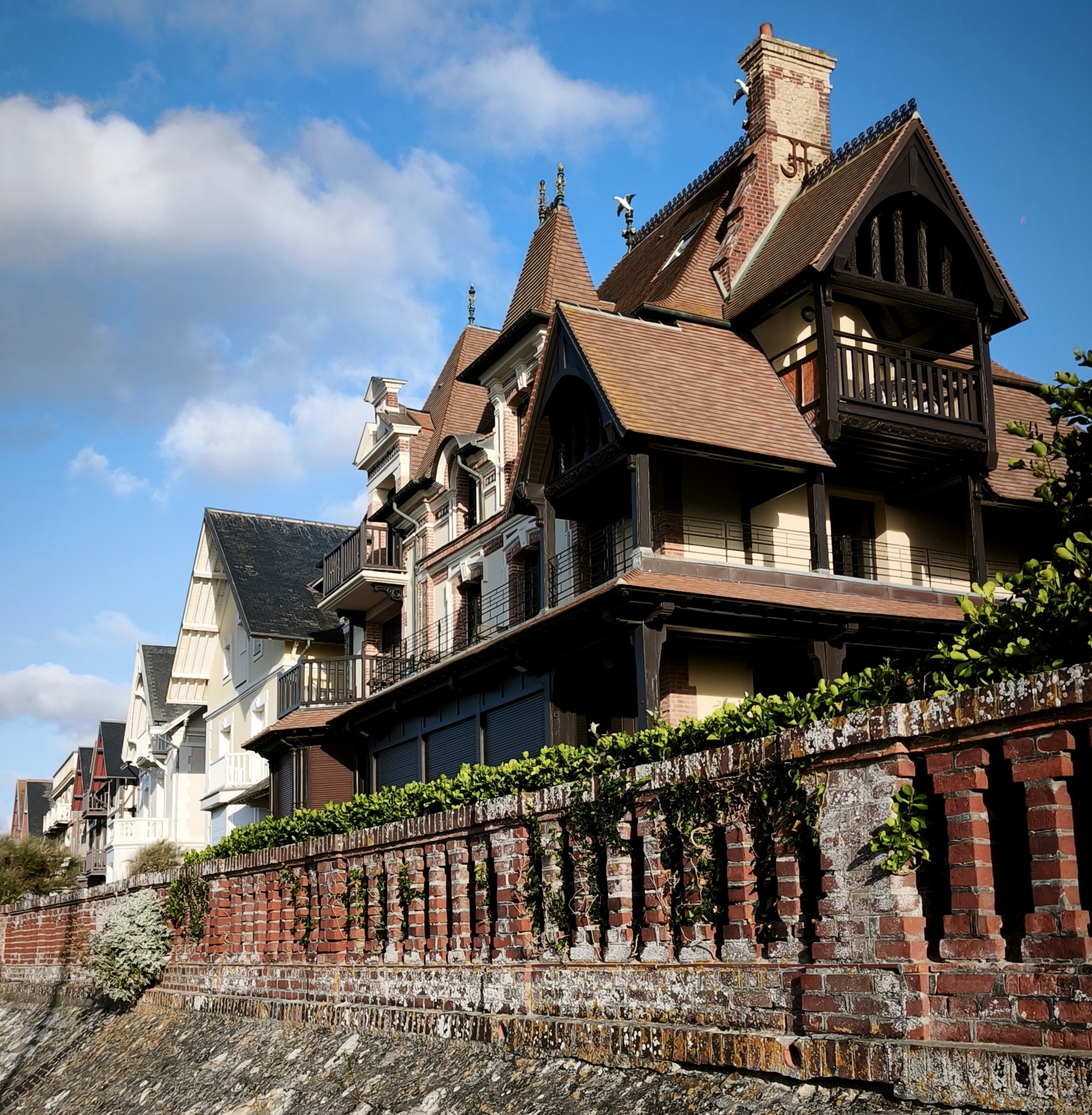
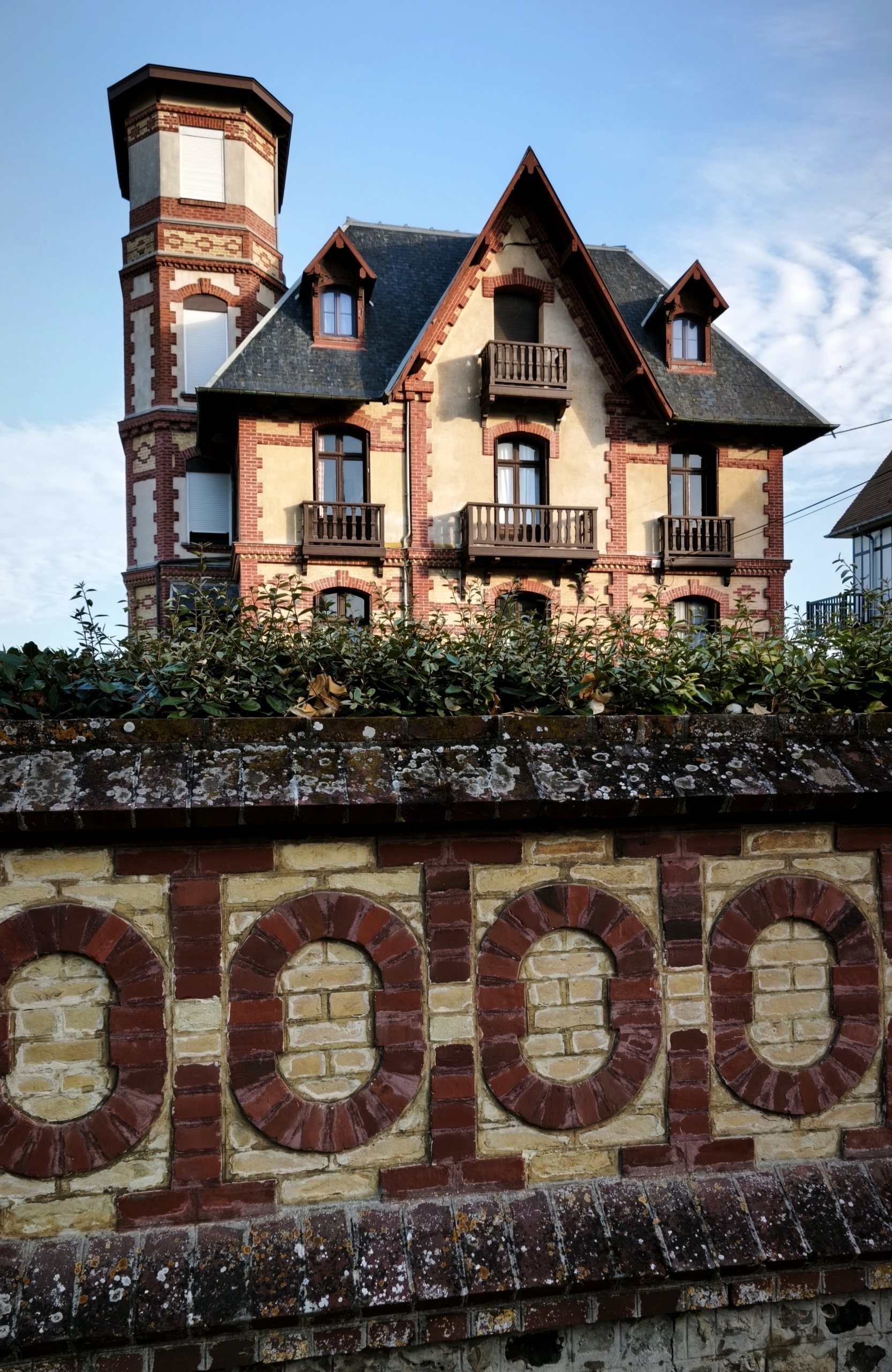
The Belle Époque veneer is, when you strip it down, nothing more than the marketing wrapper around this real-estate heist.
Brick-and-mortar advertising for financial power with absolutely no shame.
While the miner or factory worker was worked to death by forty in the grime of the industrial world, the Parisian grand bourgeois treated himself to a seaside folly, sending his wife there to nurse her nerves and his children to get three months of sea air a year.
It’s the insolent triumph of a social class spreading its dividends across the sand.
A colonization of the coastline by money.
The dirtiest kind.
The Good Old France of the Belle Époque
And then there were two churches in Houlgate.
Protestant or Catholic, it hardly mattered.
Both served as a badge of moral respectability, a stamp of good standing, for this society of white-collar crooks.
The week’s financial dirty work, neatly washed clean in the Christian light of Sunday morning.
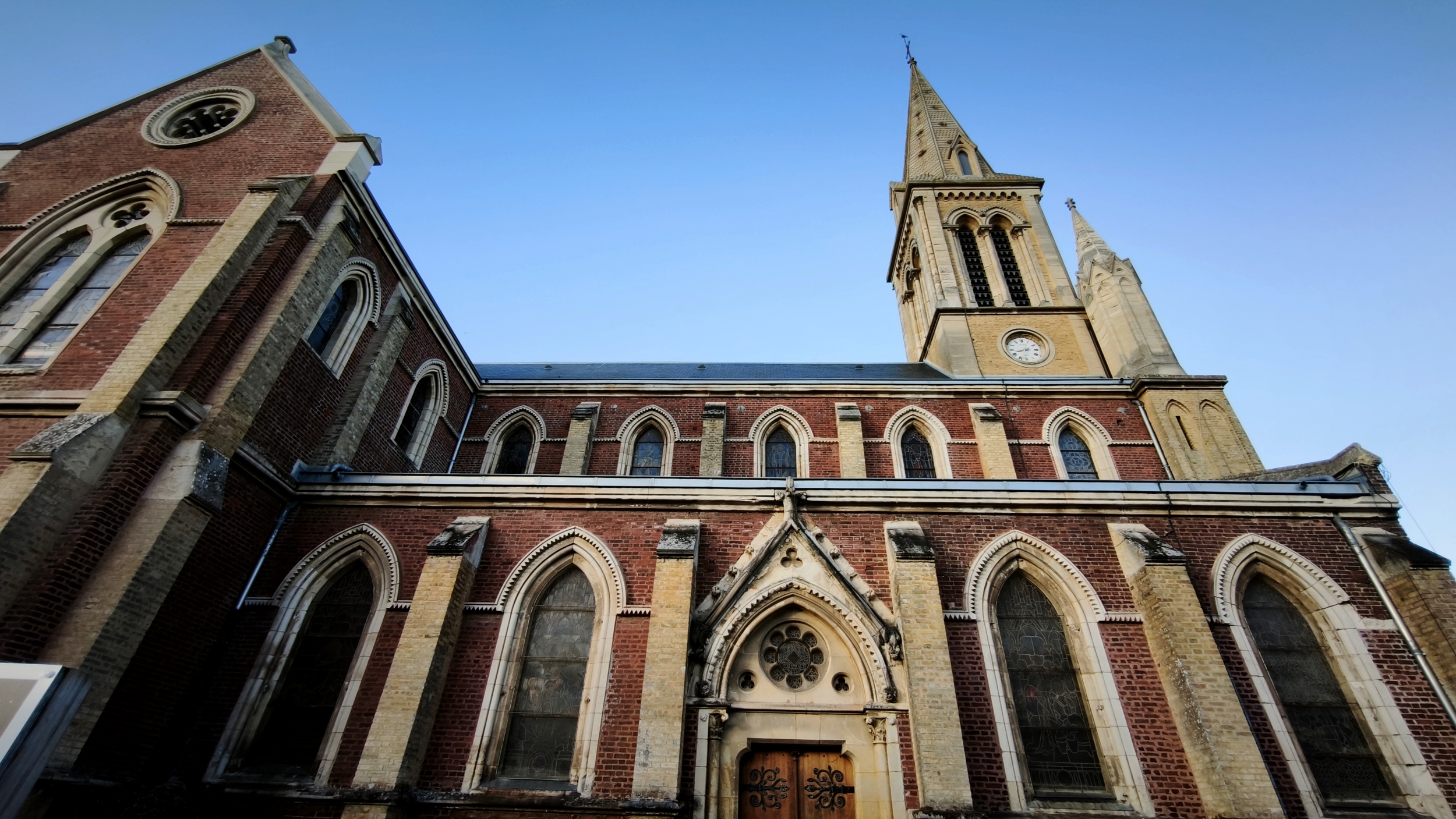
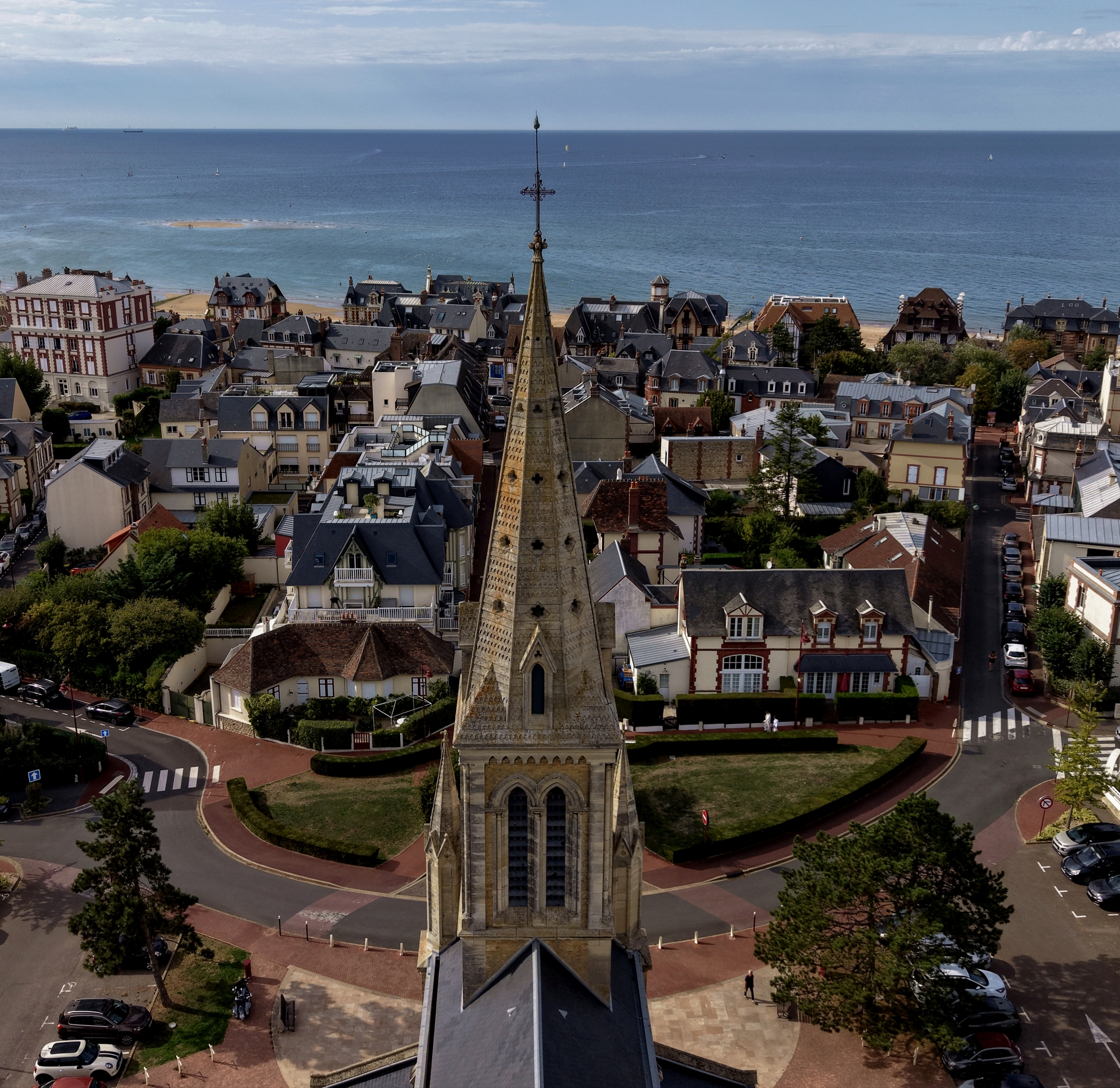
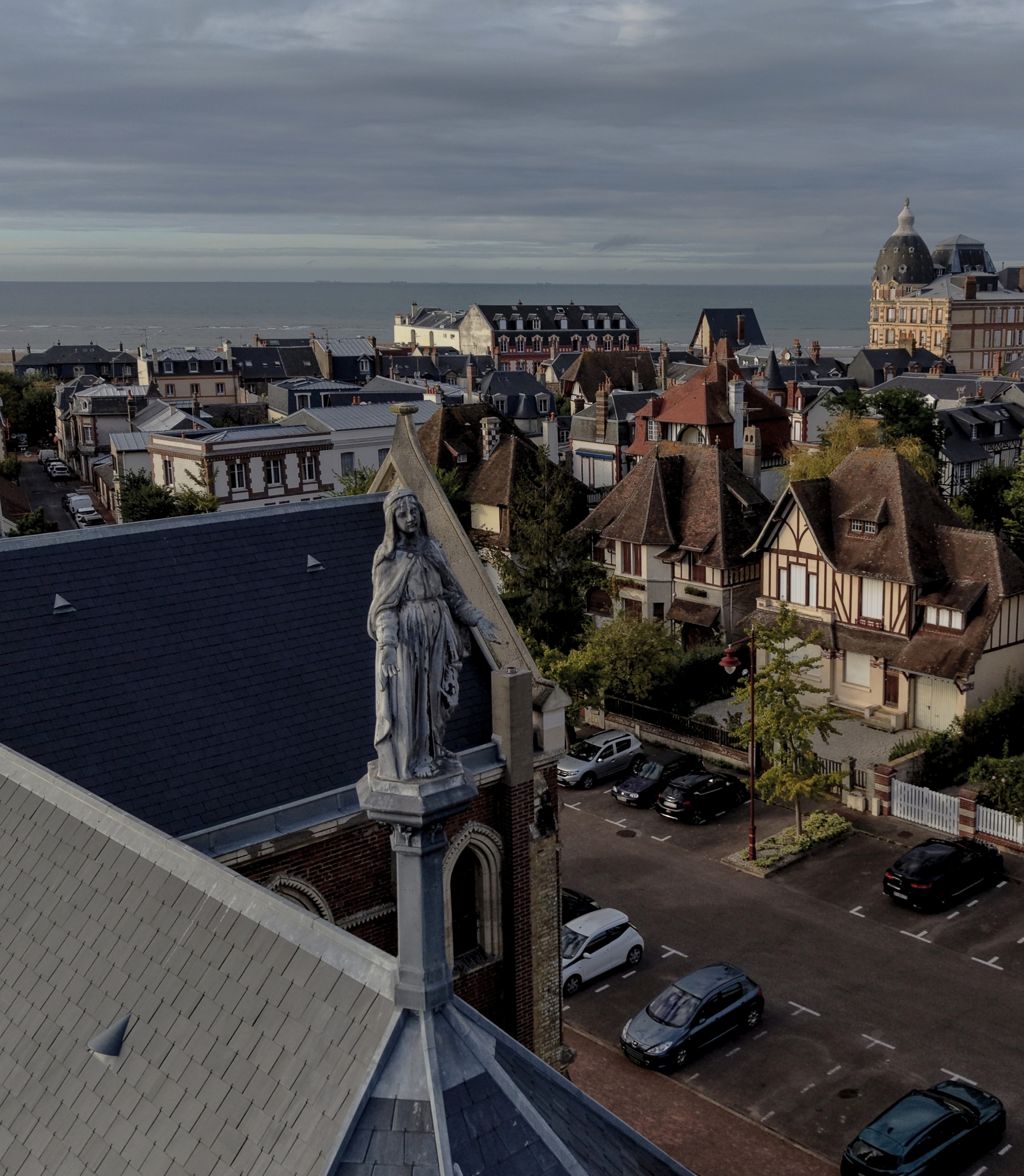
While the missus did her charity rounds with the priest, Monsieur was hatching his little financial schemes with friends at the Grand Hôtel or along the promenade, hands clasped behind his back, cigar between his lips, gazing out at the freighters sailing in and out of Le Havre.
A veneer of sainthood to settle the books of speculation.
Cute on the Outside, Cash Underneath
To mask the brutality of financial accumulation, the architectural brief was simple: make it picturesque. Almost naive.
Look at that abundance of ceramic roof finials.
Cats, seagulls, saints, scholars — stylized finials from the Avisseau and Saumur potteries, all enlisted in the staging.
Put a little terracotta cat on the roof of a fifteen-room neo-Norman villa and suddenly the fortune looks a little less obscene.
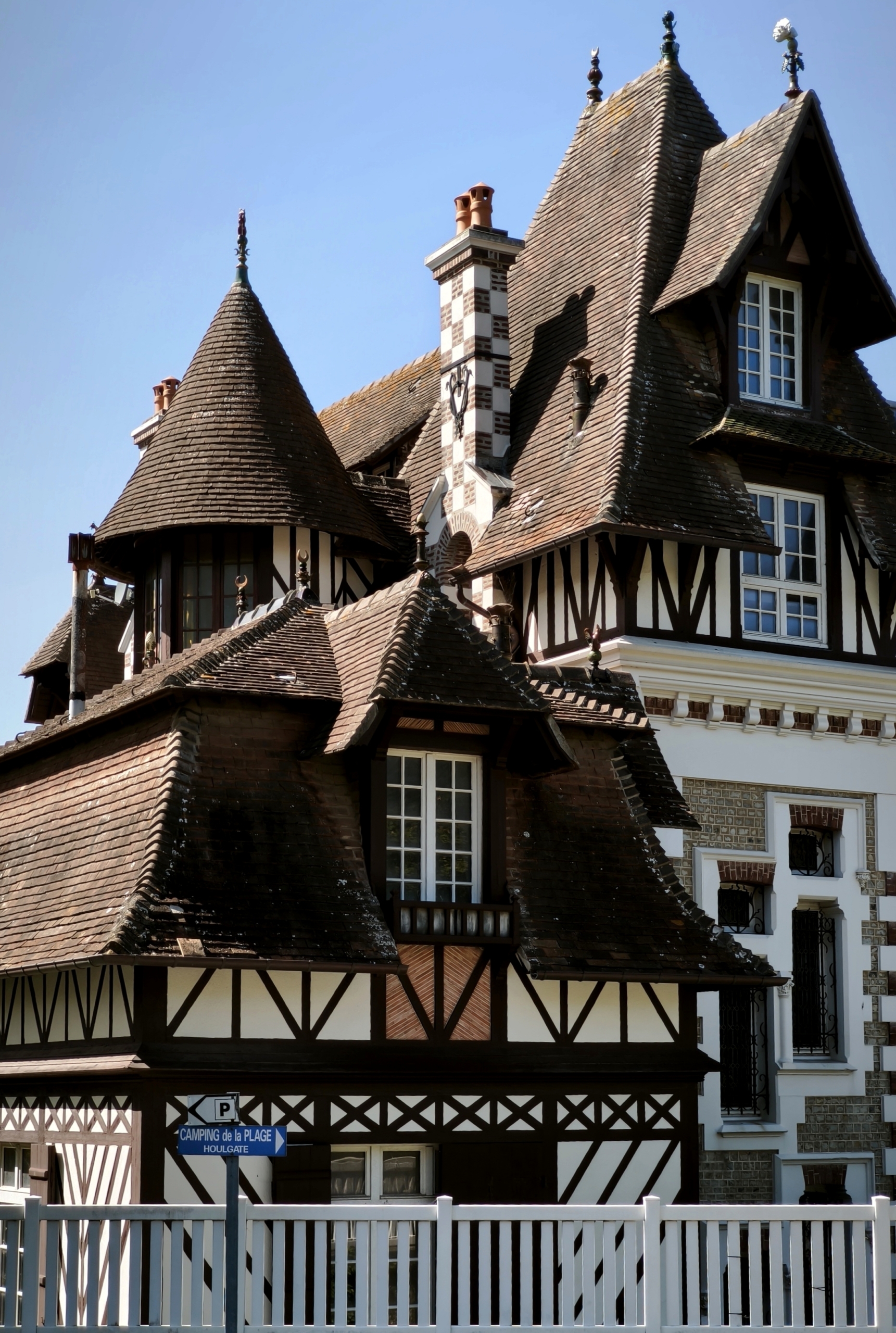
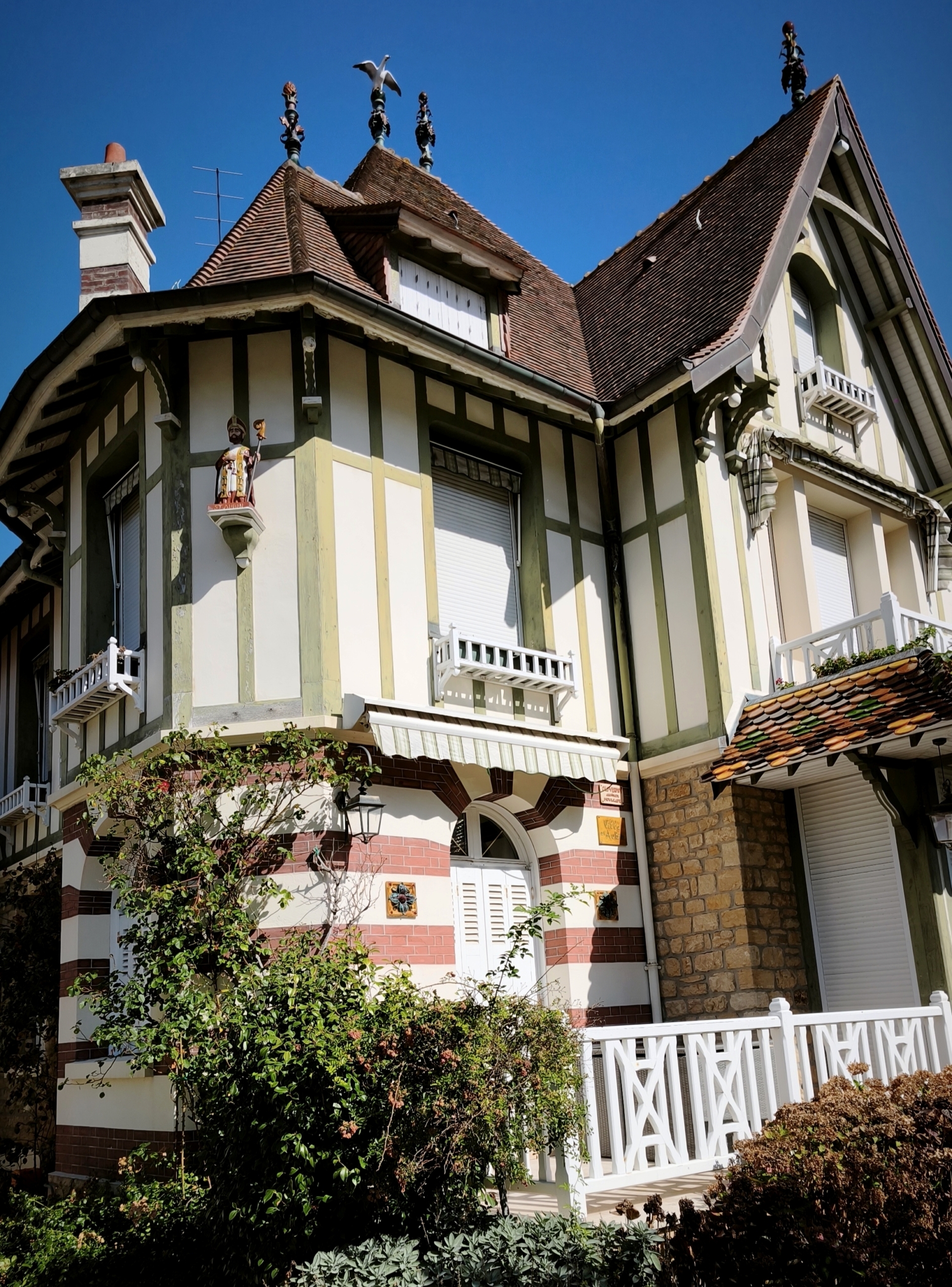
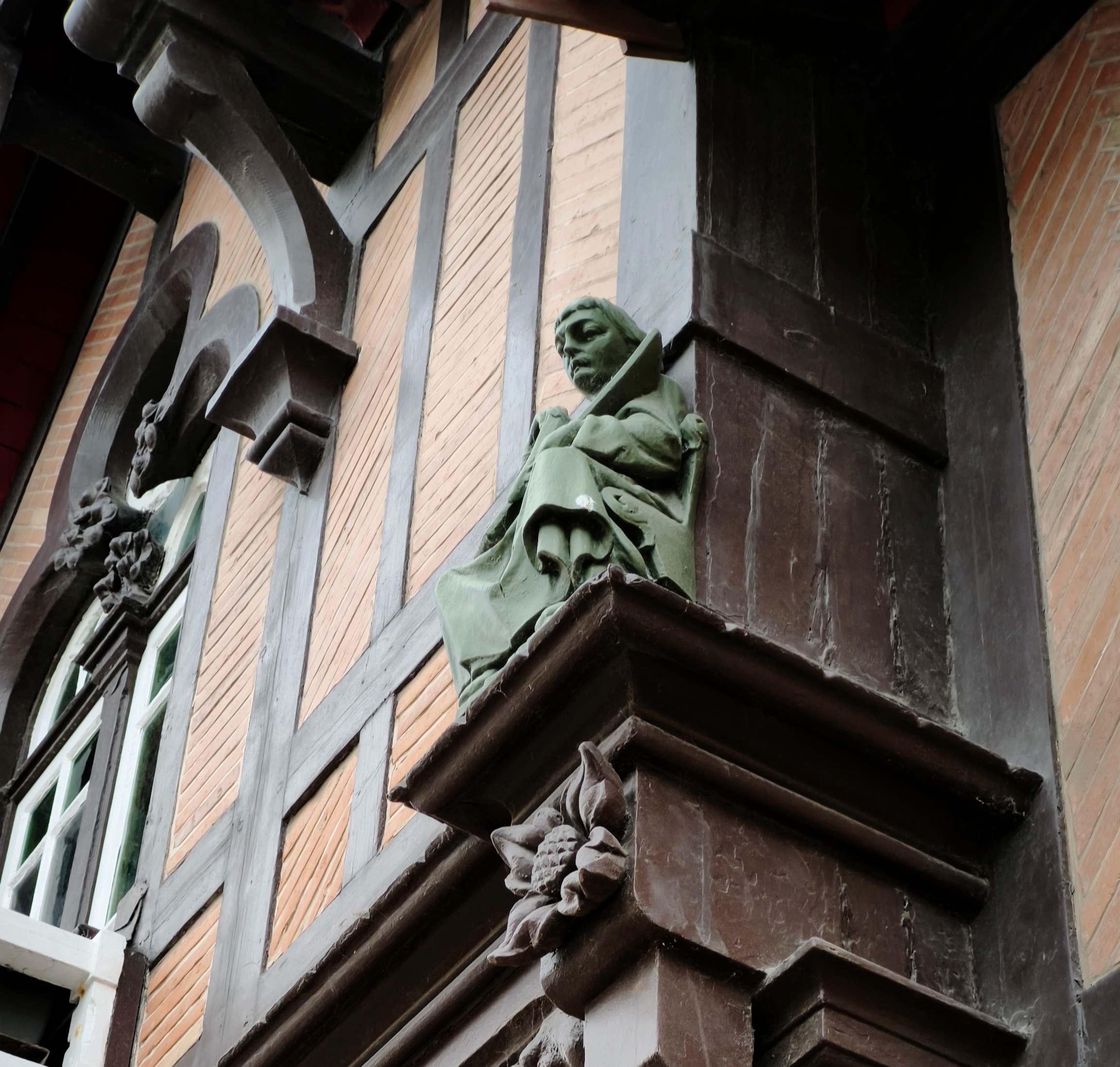
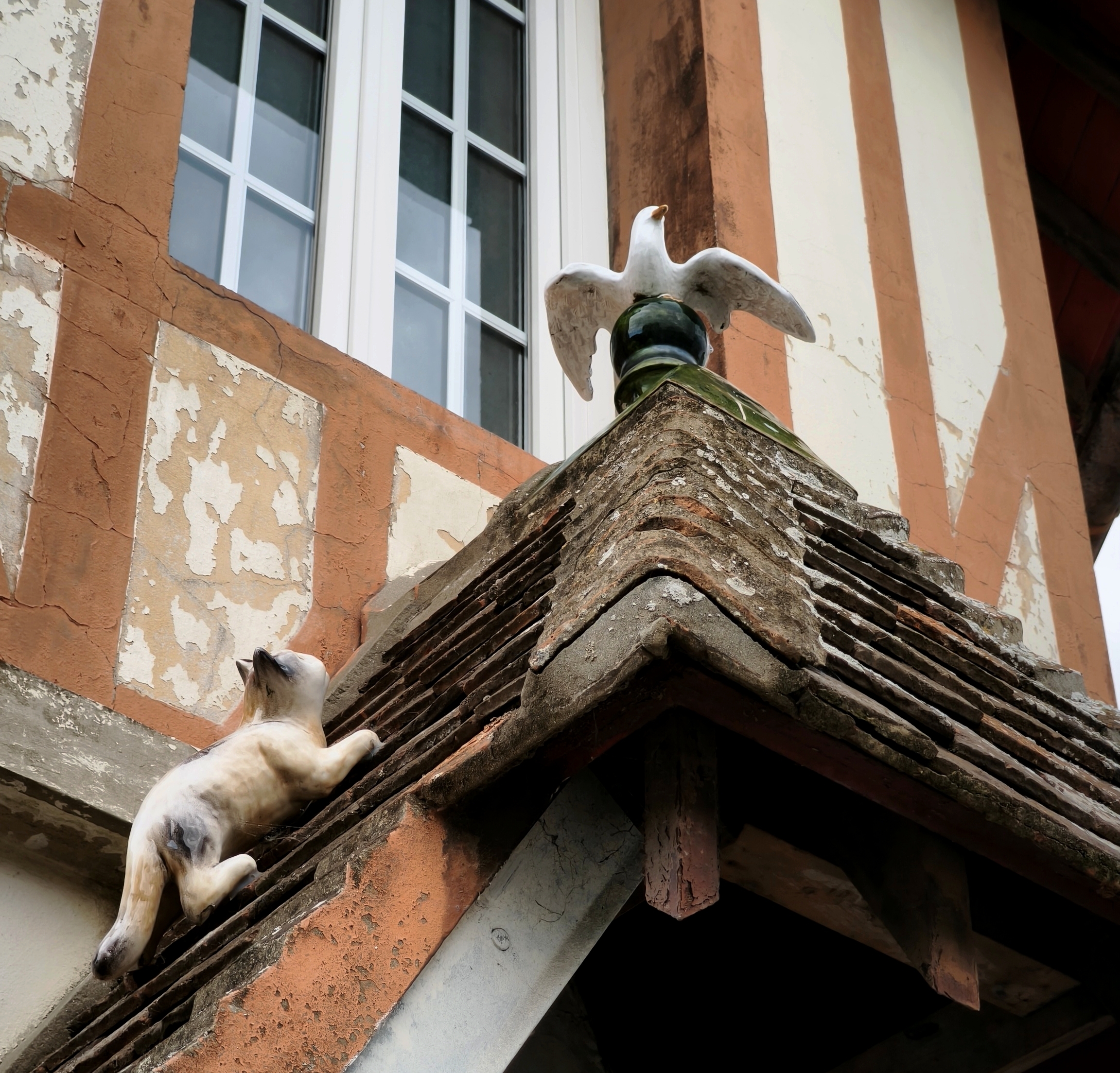
You dress up wealth as rustic charm.
You manufacture the countryside out of expensive materials.
These costly ceramics doubled as visual calling cards among insiders, while presenting a friendly, harmless face to passers-by.
That’s the genius of seaside décor in this era.
Making wealth look lovable.
Behind the little terracotta cat is the fiercest kind of capital.
The kind that bares its claws.
And waits for its mouse.