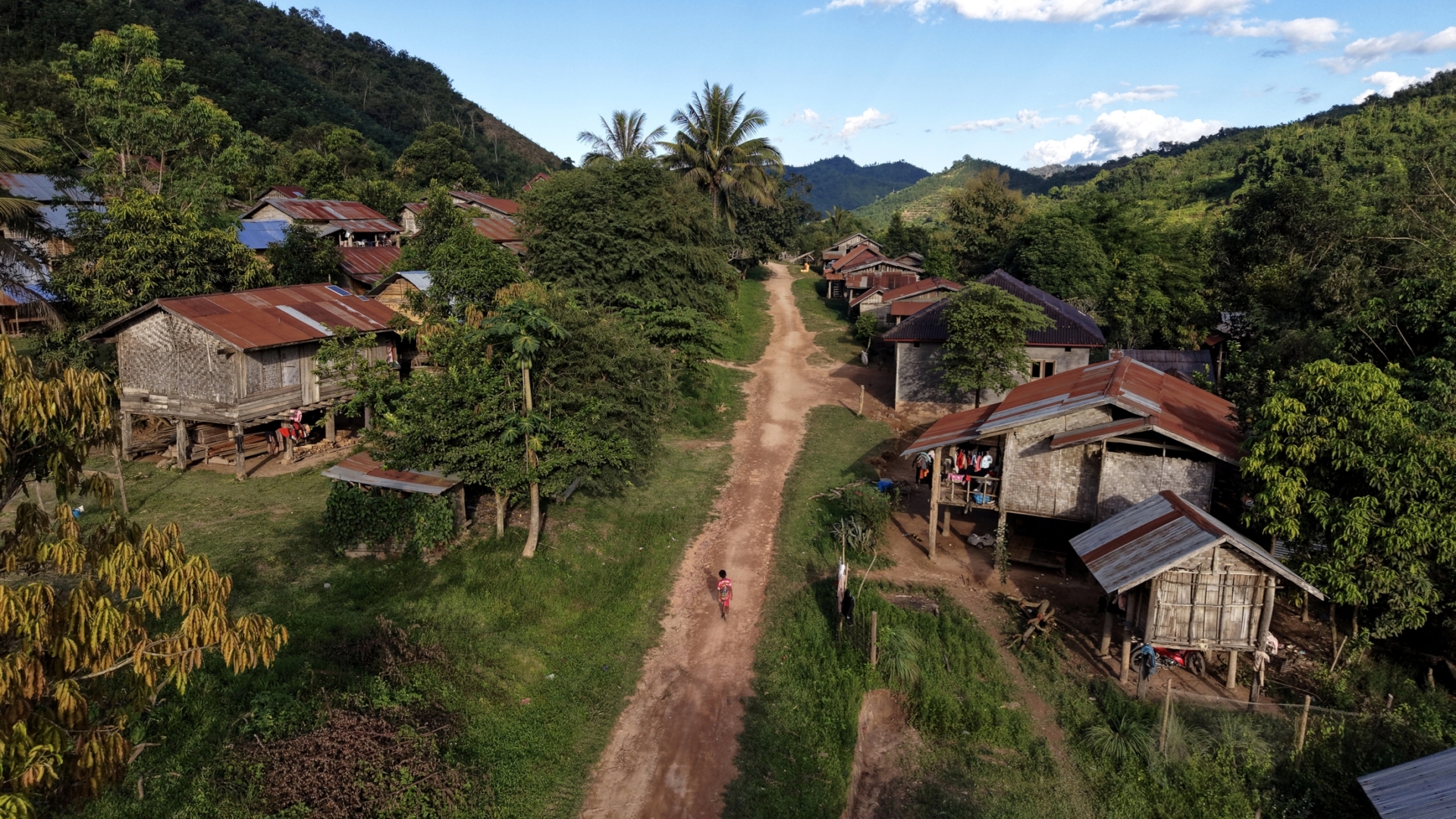
Not exactly an untouched corner of Laos.
That would be telling tall tales.
But a place that has held on to a certain roughness.
A Laos that pushes back when you bite into it.
Less polished, more substantial than the shop-window display of Luang Prabang or the travelling circus of Vang Vieng.
Up here, between the foothills of Yunnan and the winding bends of the Nam Tha, travel still has some chew to it. Like a face-to-face encounter with a hulking old bruiser stumbling out of a bar. Sandpaper cheeks, stale tobacco on his breath, a whiff of rotgut and cheap cologne.
This is no sanctuary pickled in formaldehyde. It’s a land of friction, where an ancestral way of life meets the raw edge of modernity, banging at the door.
That’s the very disorder that gives it its honest flavour.
Nothing here is entirely tamed.
Not for the traveller. Nor for those who live here.
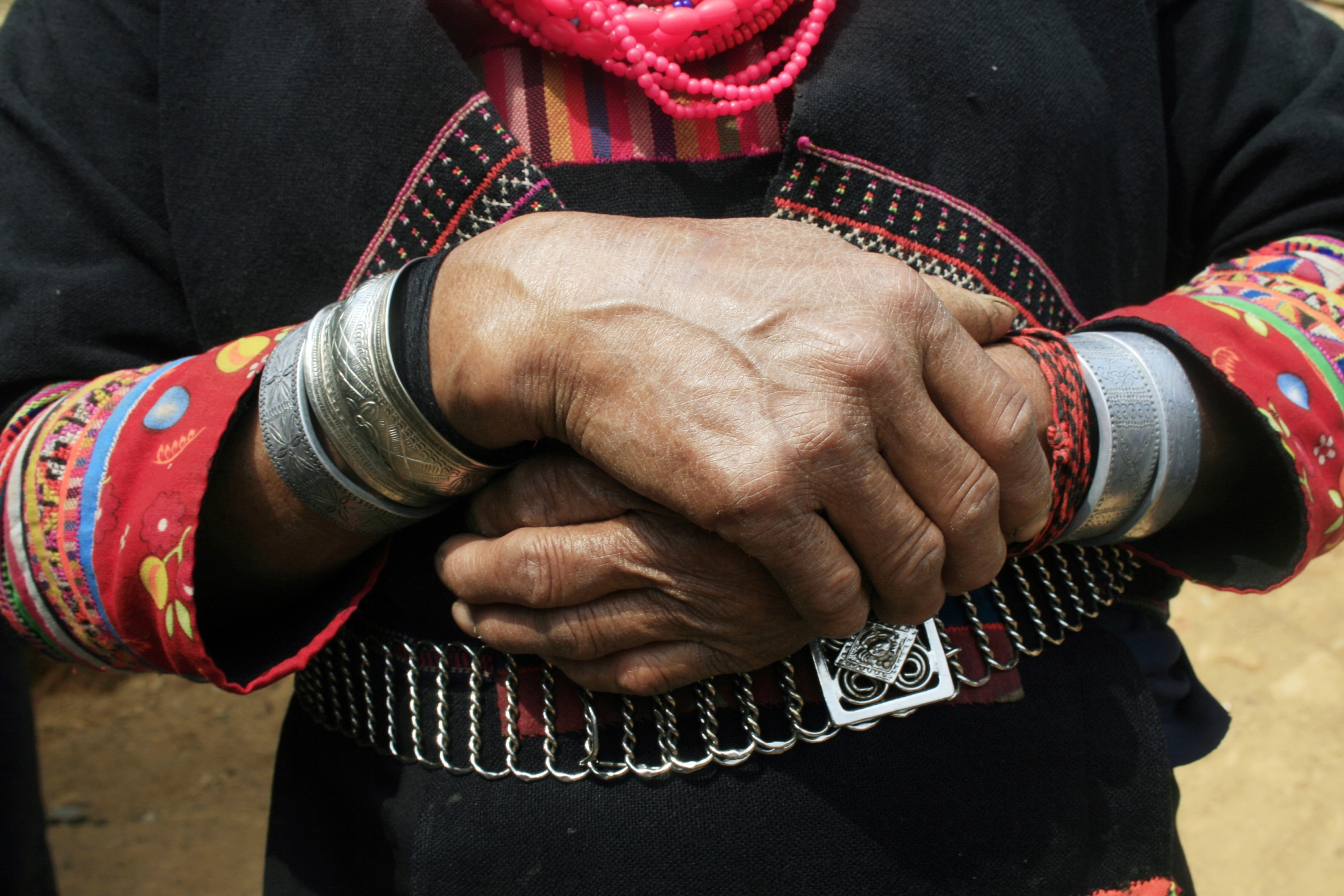
A Geography That Still Sets the Rules
Mountains, valleys, tracks, distances.
The land doesn’t give itself away at first glance.
Unlike the instant awe of Khammouane or the sheer visual drama of Nong Khiaw, nestled among its cliffs, this is a place that asks something of you. You have to put in the effort. Scratch beneath the surface. Swallow the kilometres of dirt track before the land begins to tell its story.
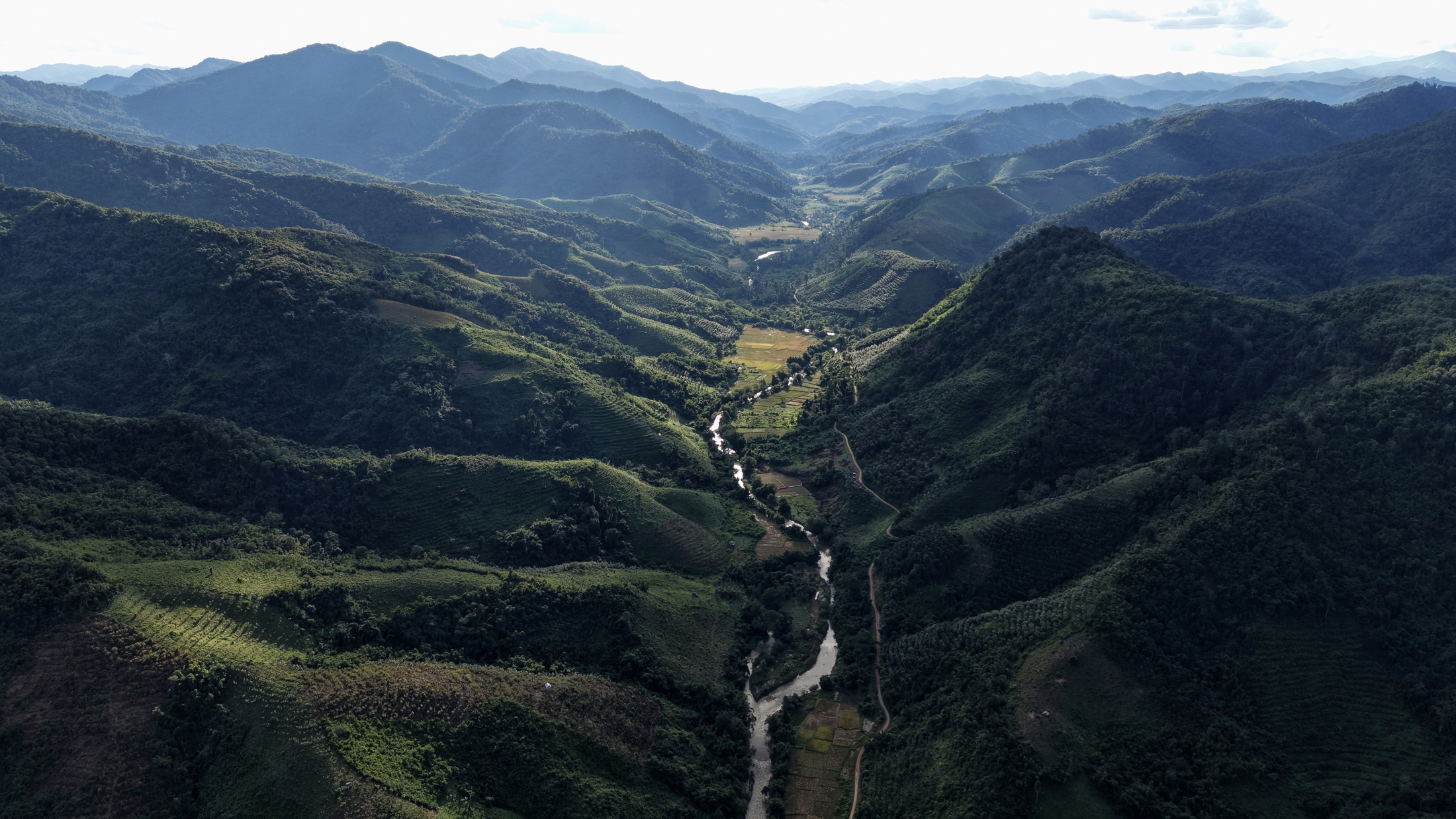
The Luang Namtha basin, with its sprawling crossroads-town feel, has an unfinished look about it. At first sight, it risks being convicted of the crime of having a rough face.
But appearances can be deceptive.
The moment you tear yourself away from the tarmac and plunge into the folds of Nam Ha National Park, the landscape shifts up a gear.
Here, the jungle is thick, clinging, sometimes devouring, rarely forgiving.
This is where you have to let yourself be swallowed whole.
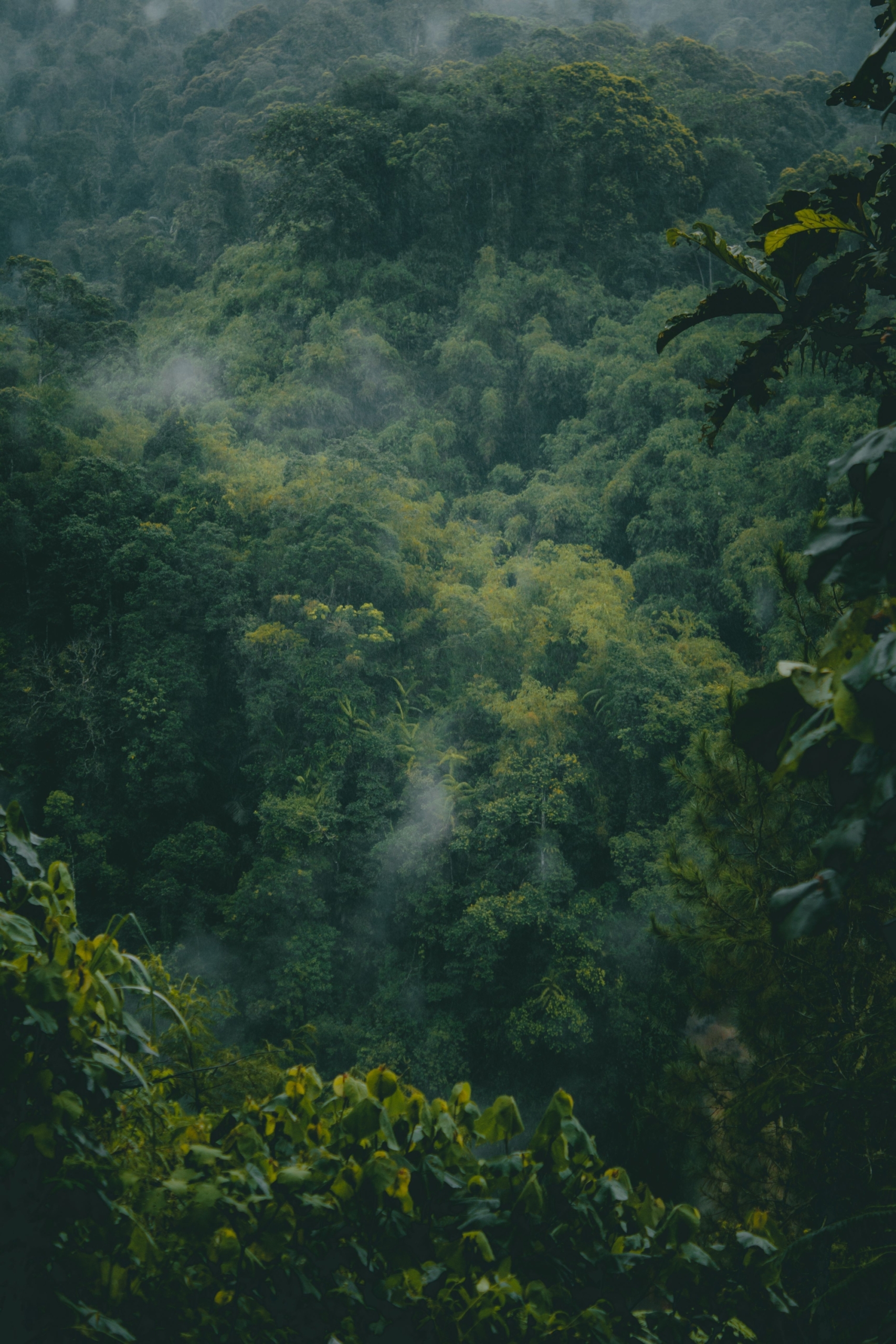
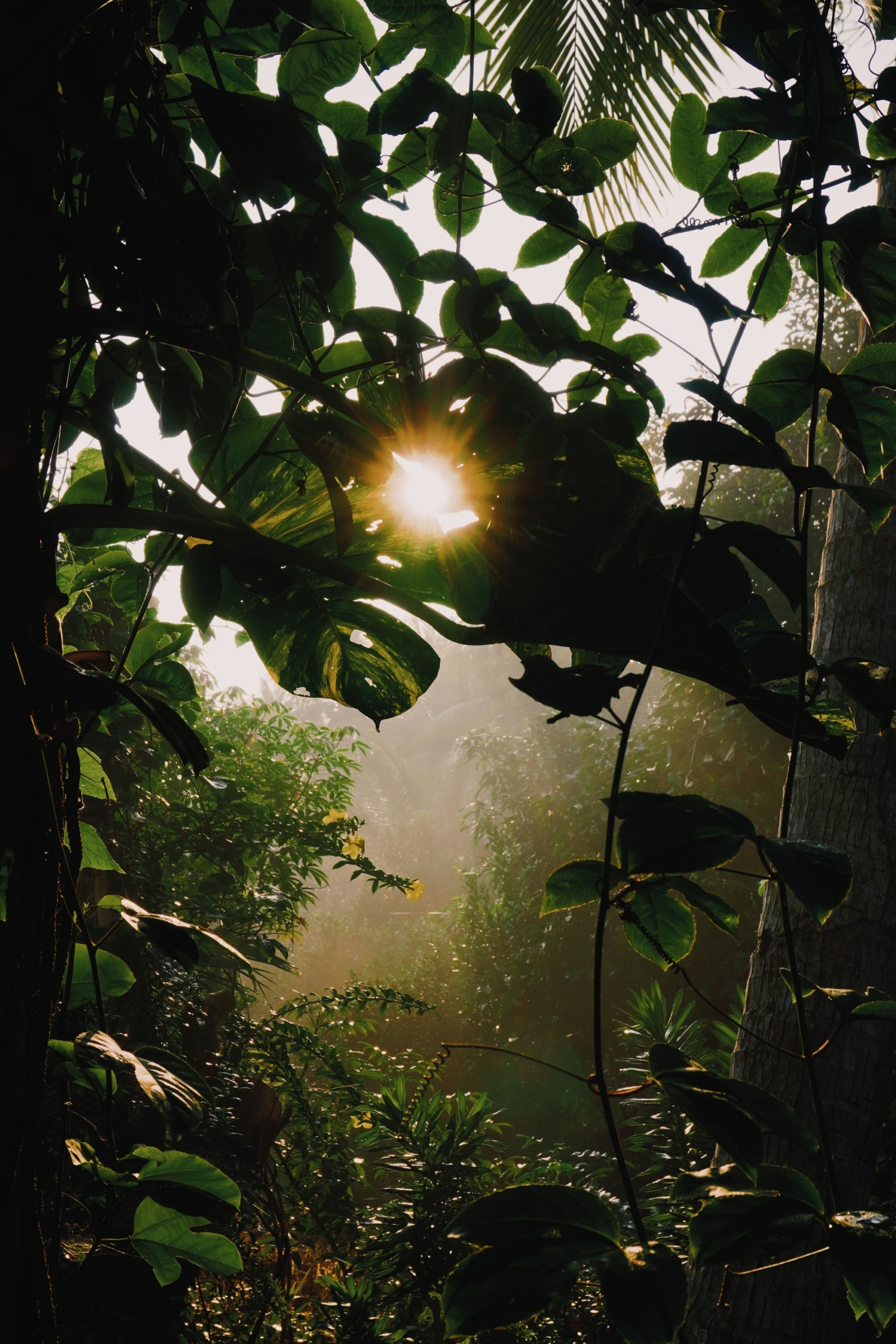
To grasp the true weight of the terrain. To measure the isolation of its valleys. To get a feel for what, in this corner of northern Laos, still escapes the great tourist free-for-all.
Luang Namtha is a destination you have to work your way into.
First and foremost.
The Hard Edges of Everyday Life
Geography doesn’t just lay down the law for travellers.
It shapes an everyday existence subject to much the same harsh rules.
It’s a fine stretch of country to travel through, but living here is no picnic. Making a living still comes down largely to physical labour, the seasons, sheer resourcefulness and a bit of luck — or the lack of it.
There is nothing remotely folkloric about this hardship. It shouldn’t be romanticised simply because it gives the destination character.
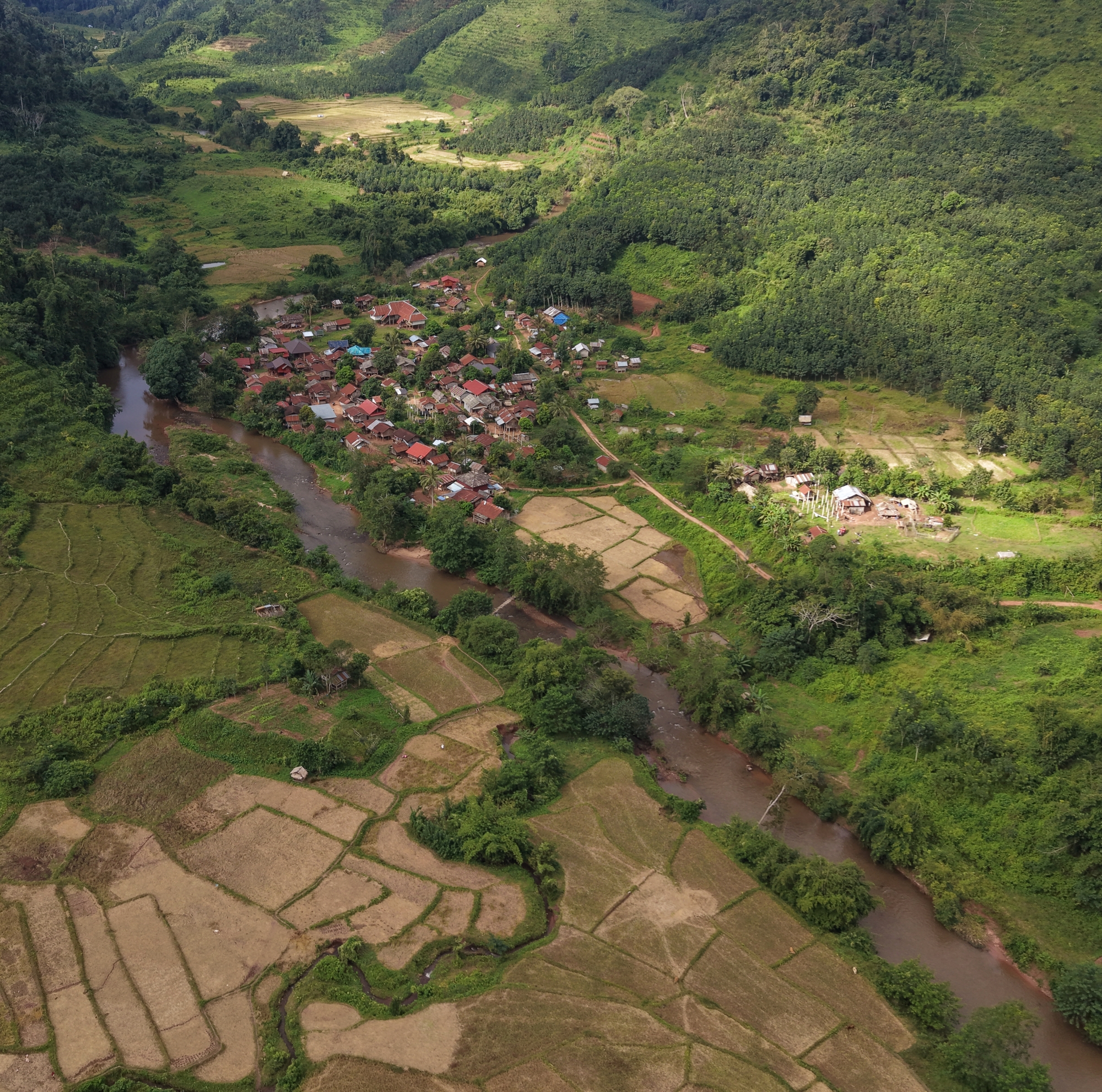
Geography continues to weigh heavily on people’s lives. Remote villages, rough roads, unequal access to healthcare and education, unpredictable weather, subsistence farming.
But the hardships don’t come from the terrain alone. They also stem from the economic changes shaking the region to its foundations.
Modernity is making its way in through roads, cross-border trade, investment and plantations. But it isn’t dealing everyone the same hand.

On one side, growing trade with China, new infrastructure and economic zones redrawing the regional balance. On the other, rural communities whose land-use practices and ways of life are being reshaped from the ground up.
One question runs through all these upheavals: who keeps control of the land, who decides what gets planted, and who walks away with the value it produces?
A Human Jigsaw
This is also a human jigsaw that refuses to be neatly filed away in a travel brochure.
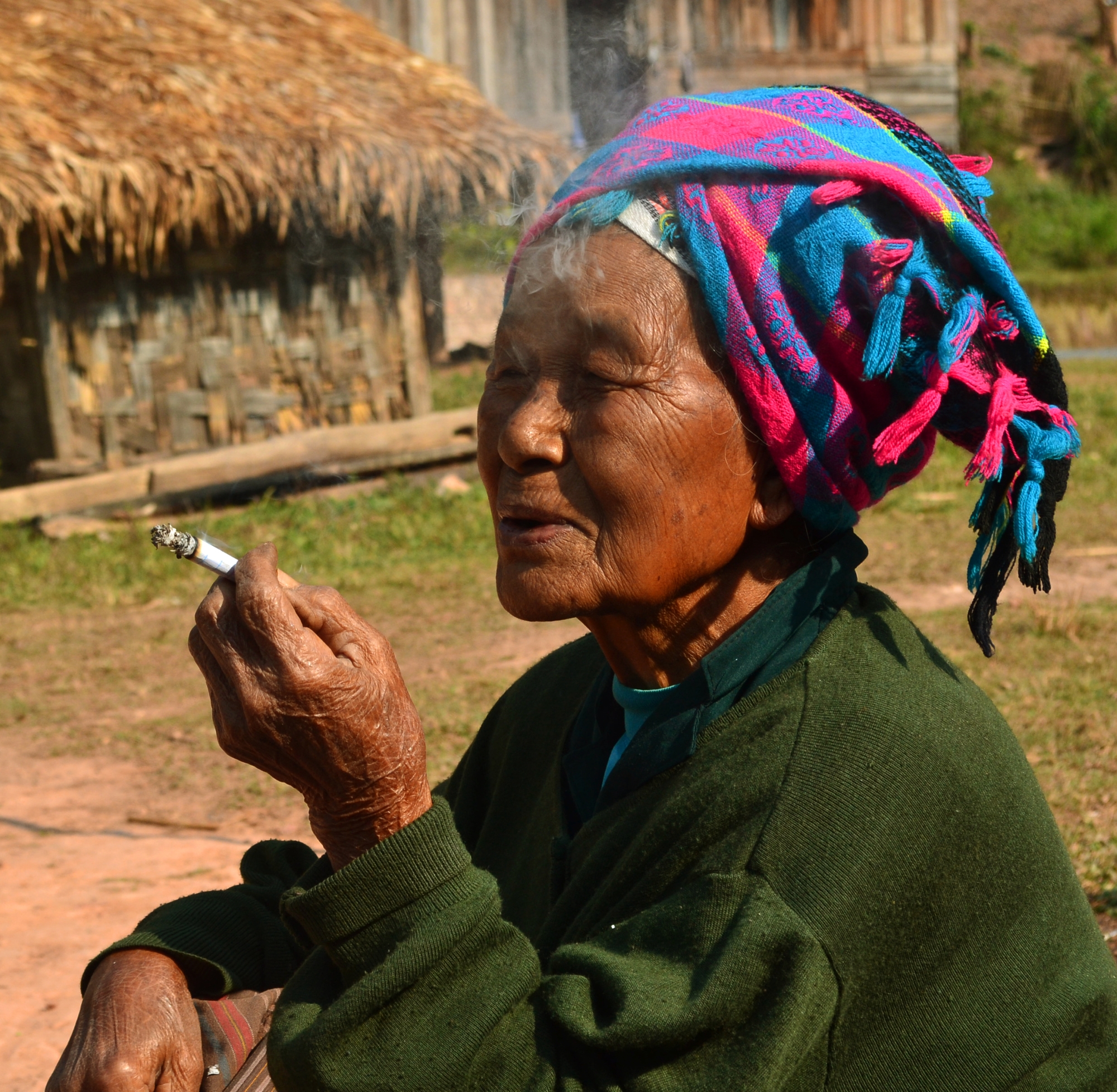
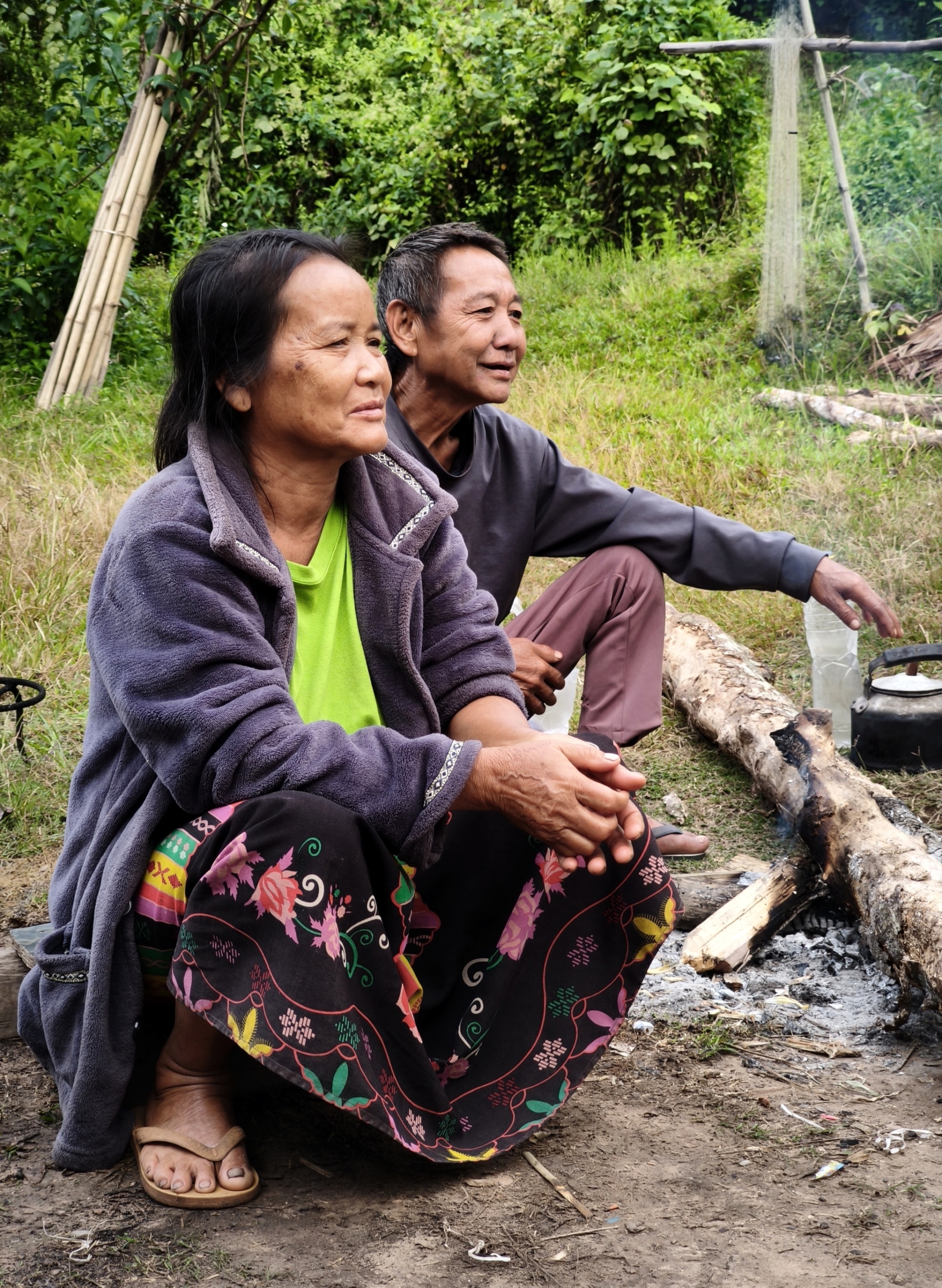
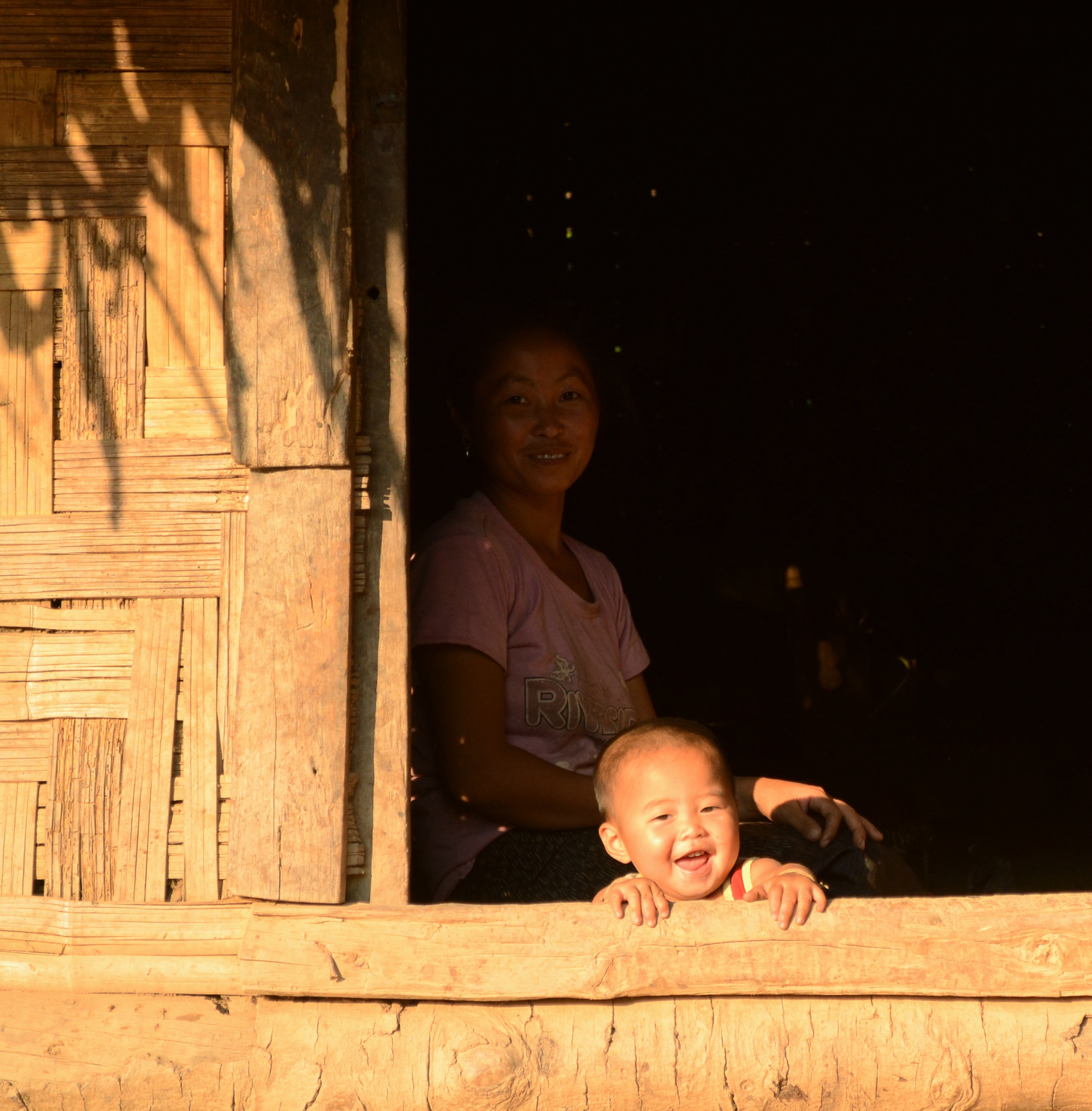
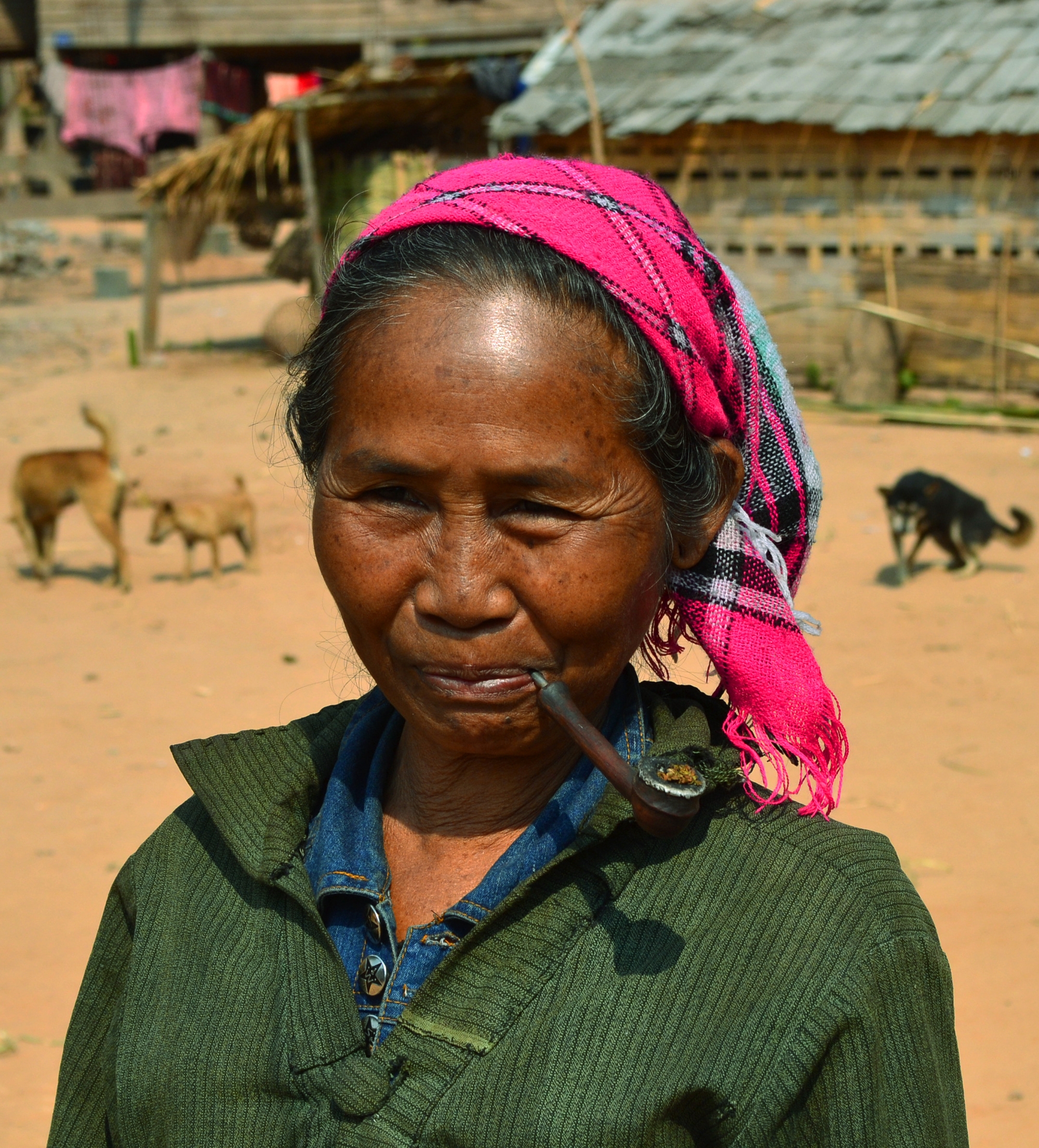
Akha, Lanten, Yao, Tai Dam and Khmu. Each carries a history of migration, of ridgelines and valleys, along with its own codes, tensions and share of headaches.
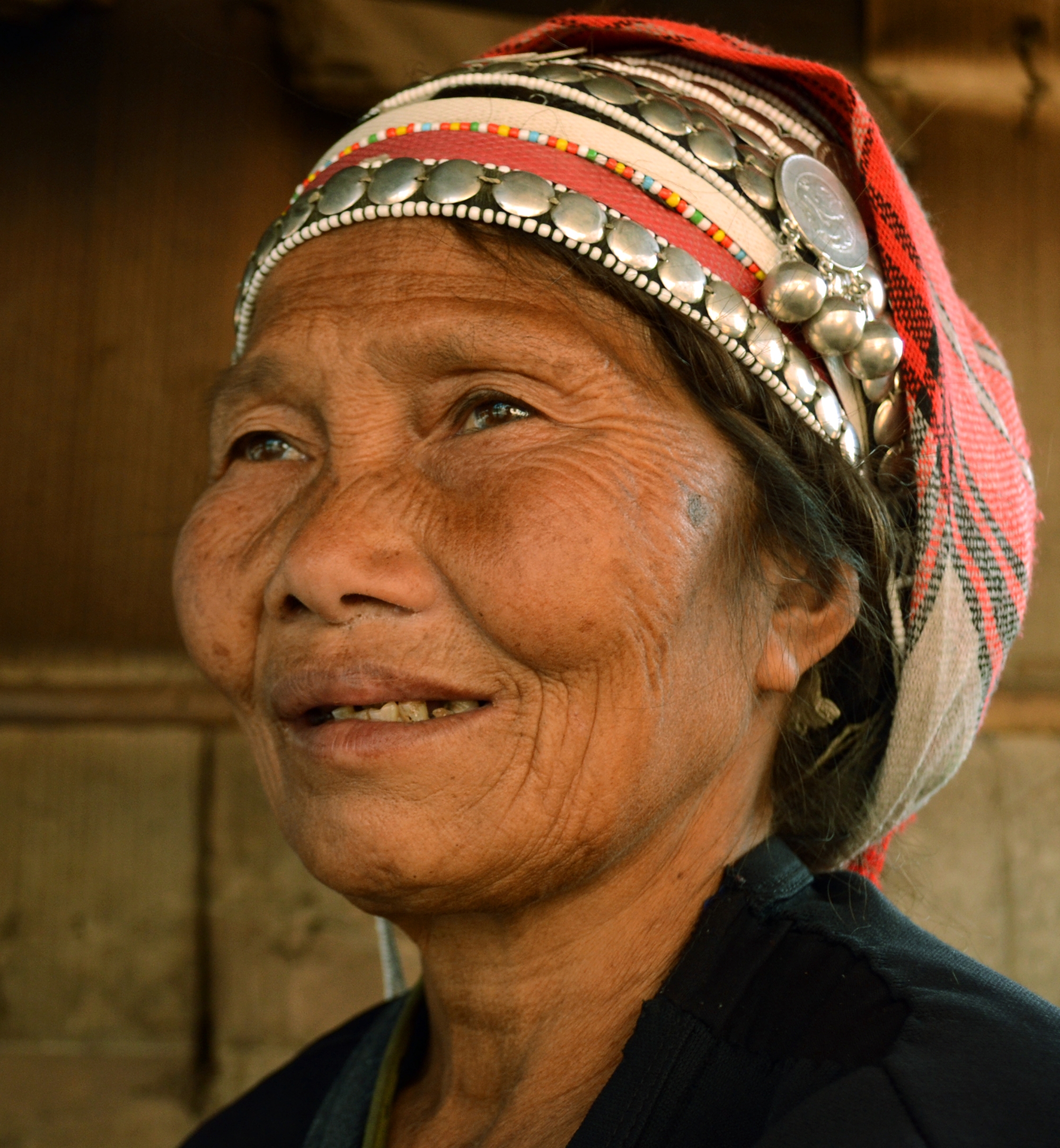
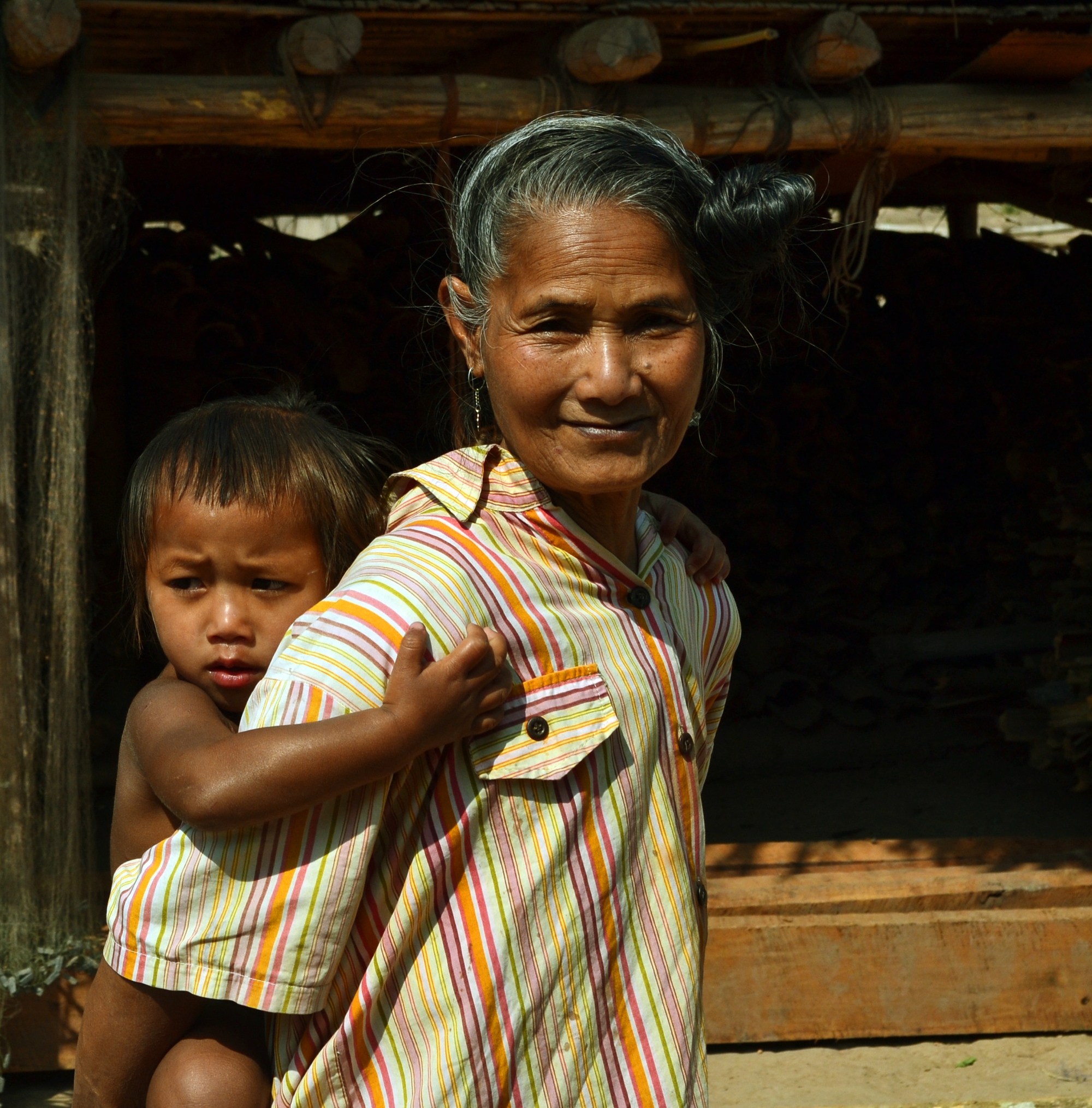
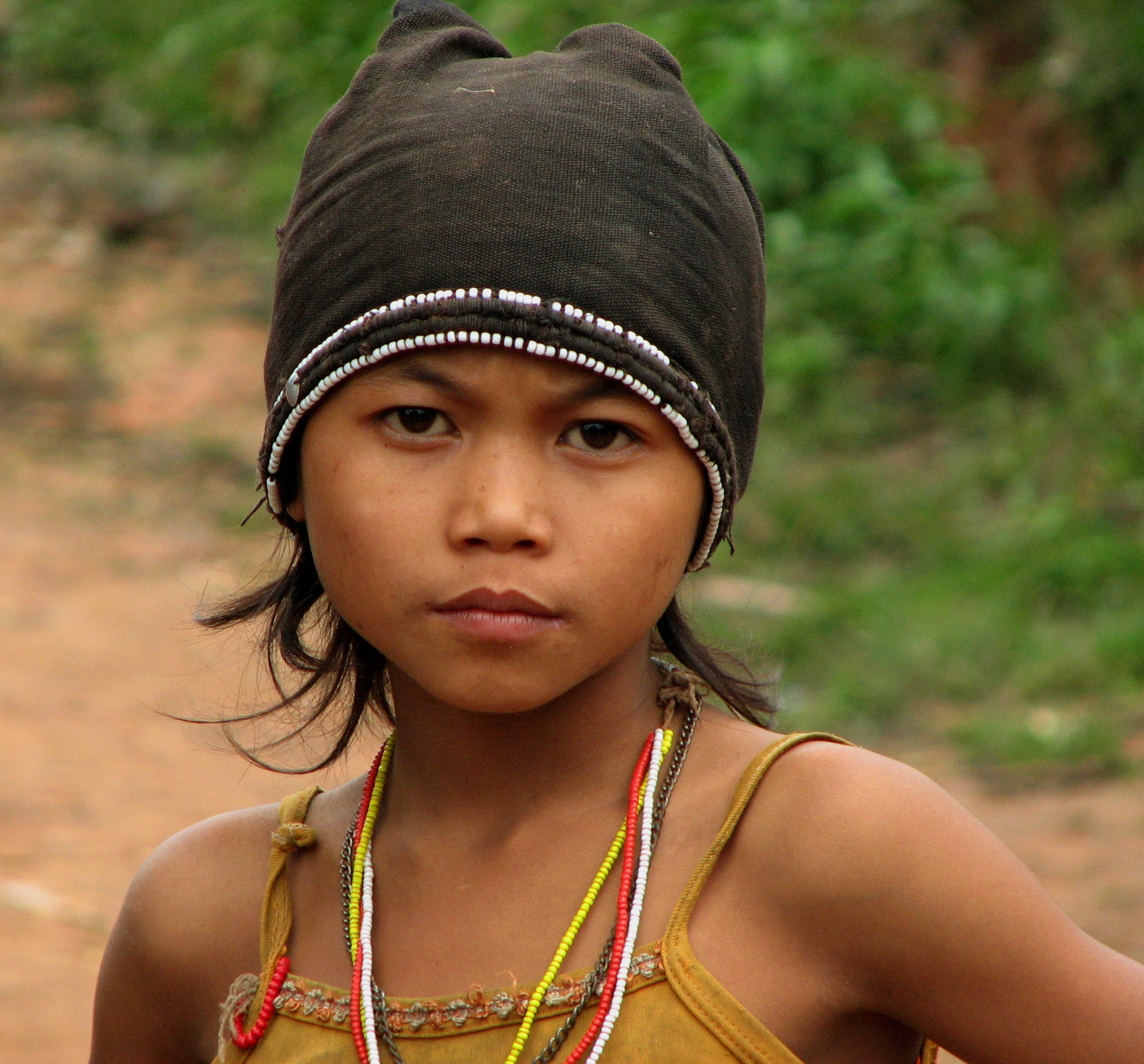
Three days on a trail may seem like a drop in the ocean against centuries of migration, animist beliefs and pressure on the land.
To claim you can understand the Akha or the Lanten in 72 hours would be breathtakingly arrogant.
But it’s more than enough to bring you down a peg or two.
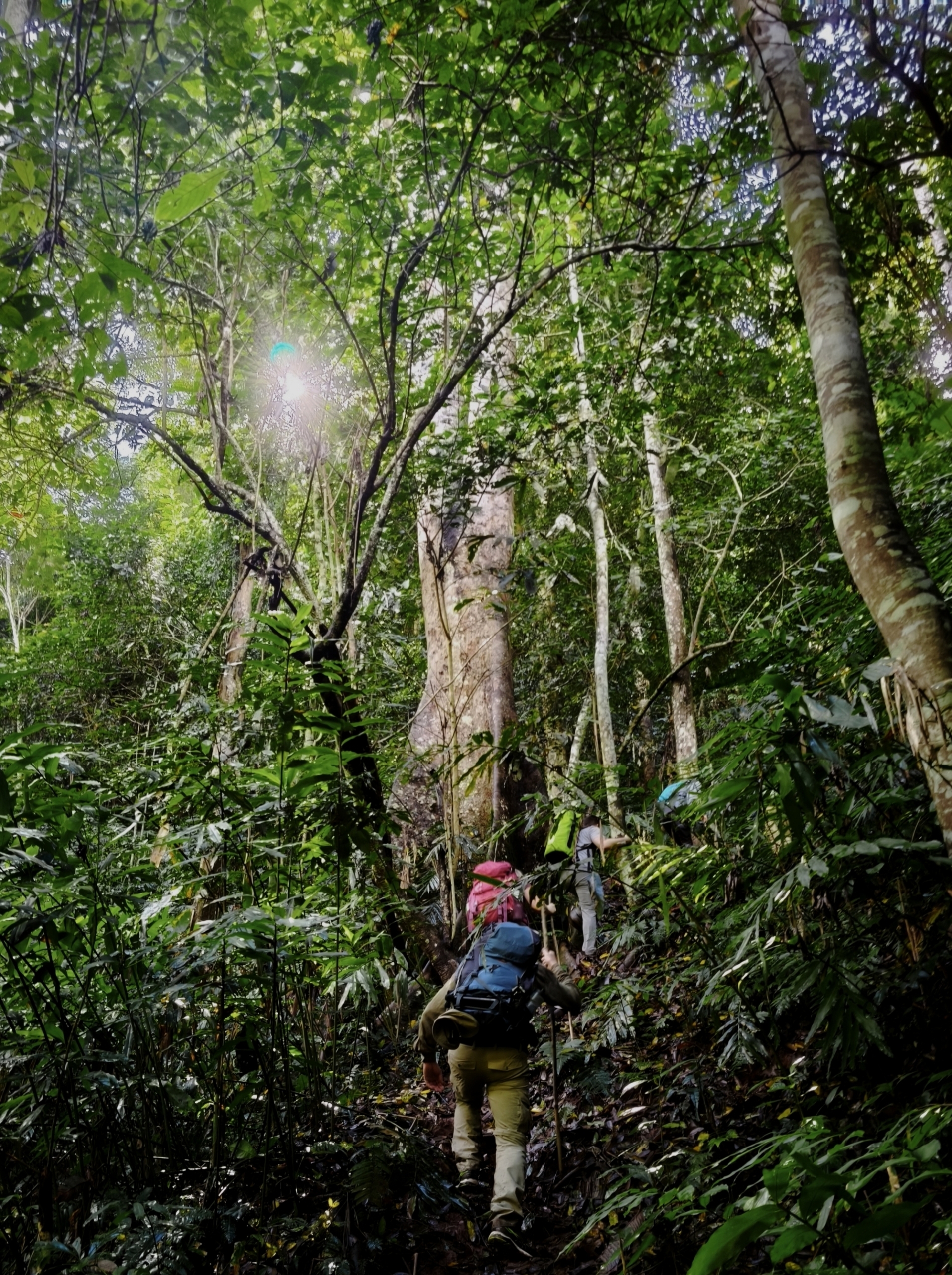
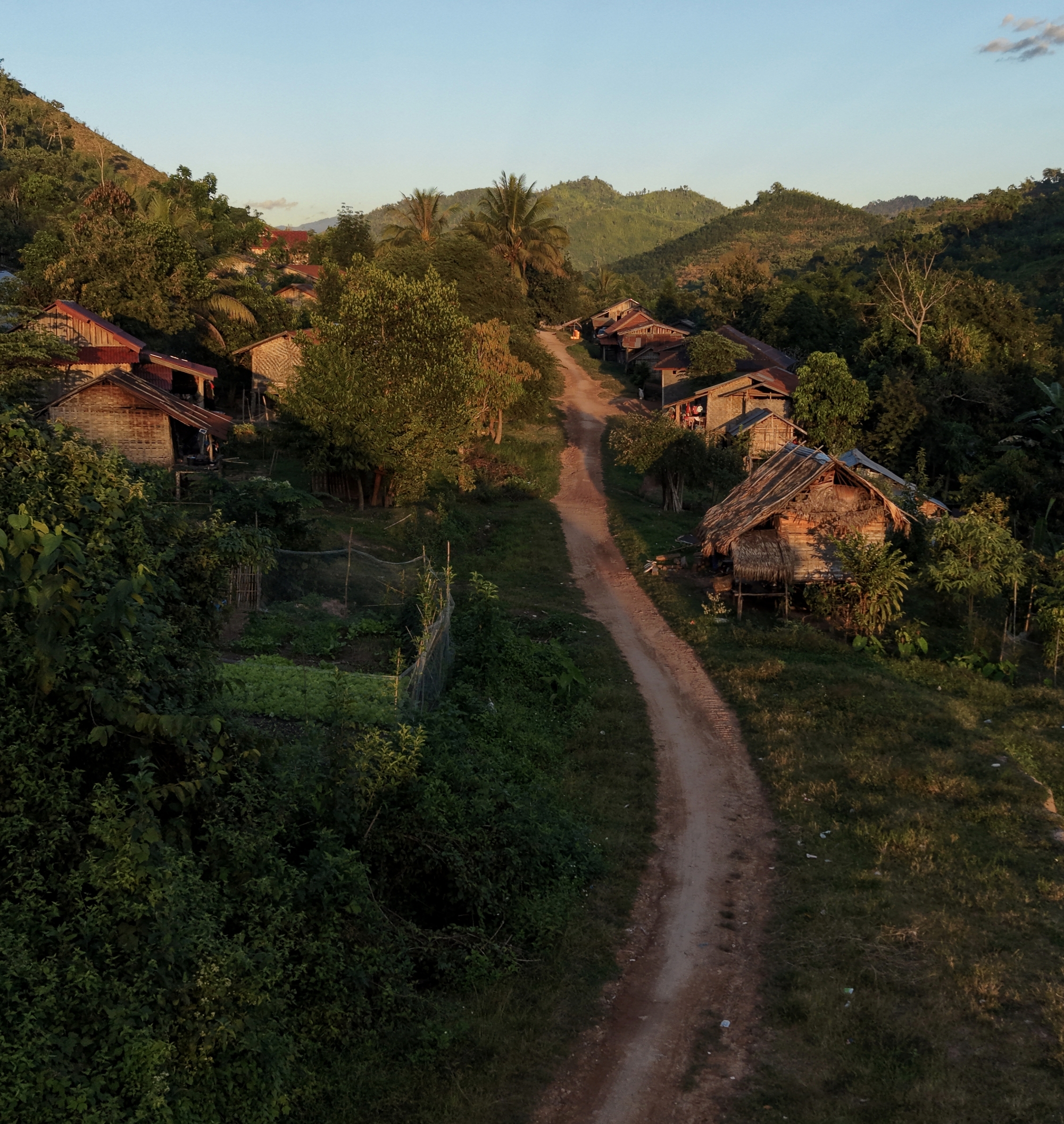
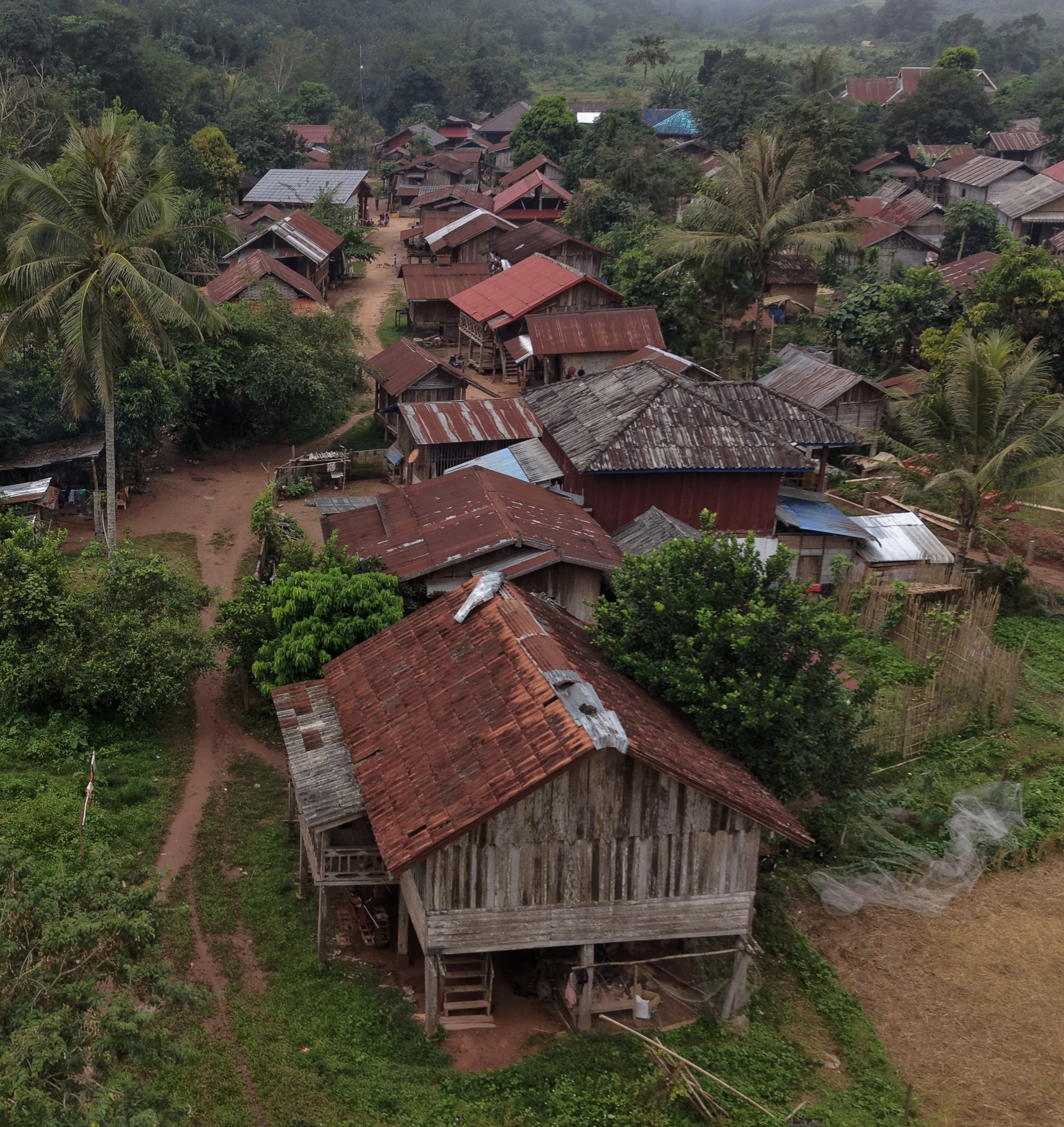
In truth, those three days aren’t about decoding anyone.
They’re mostly about putting a few things into perspective back home.
It’s homo digitalus coming face to face with a world that still has to reckon with unseen forces.
Two worlds looking at each other in the mirror, each discovering just how strange the other one is.
Perhaps the real culture shock isn’t where you expect it.