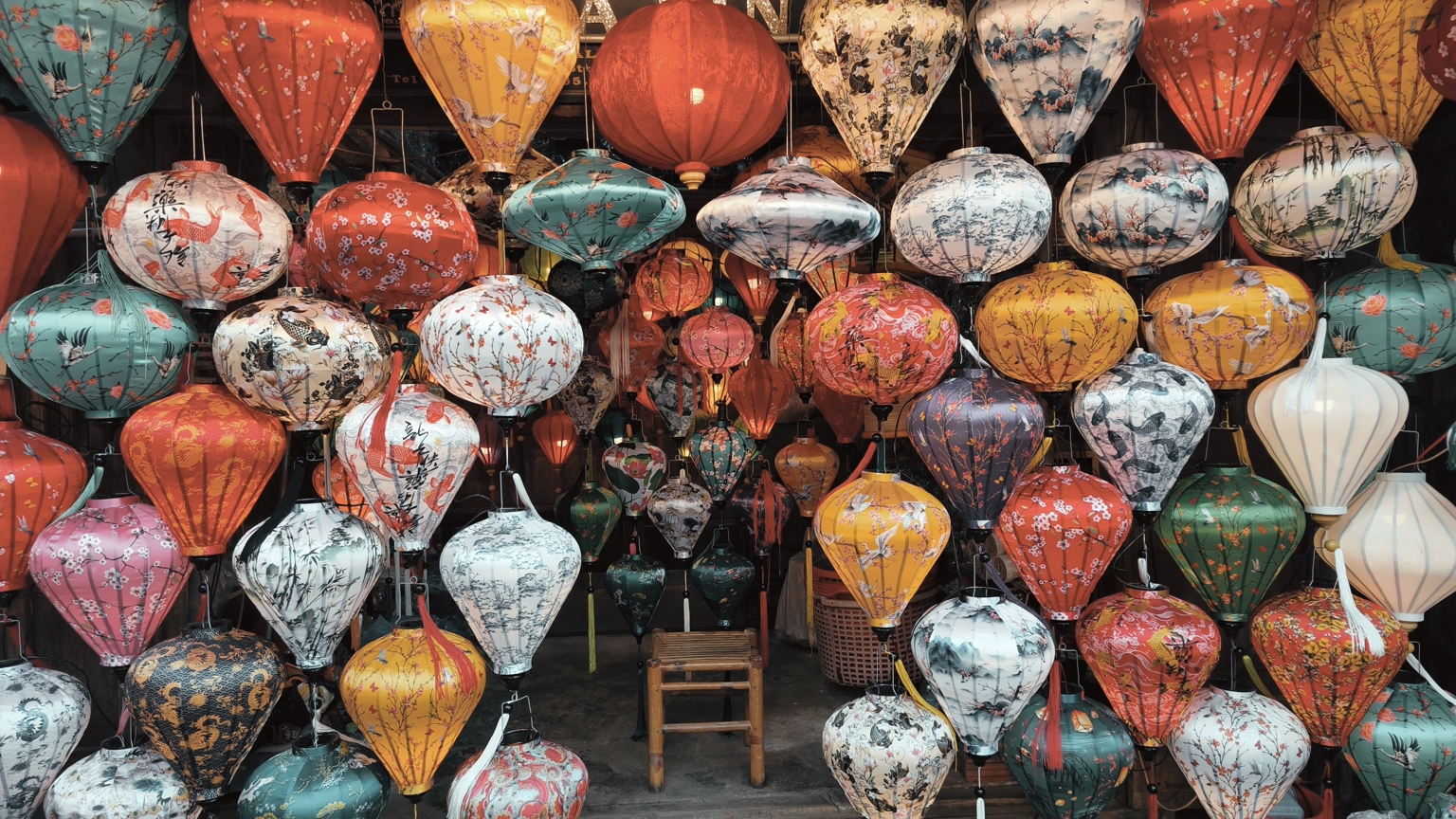
Hội An doesn’t walk.
She struts.
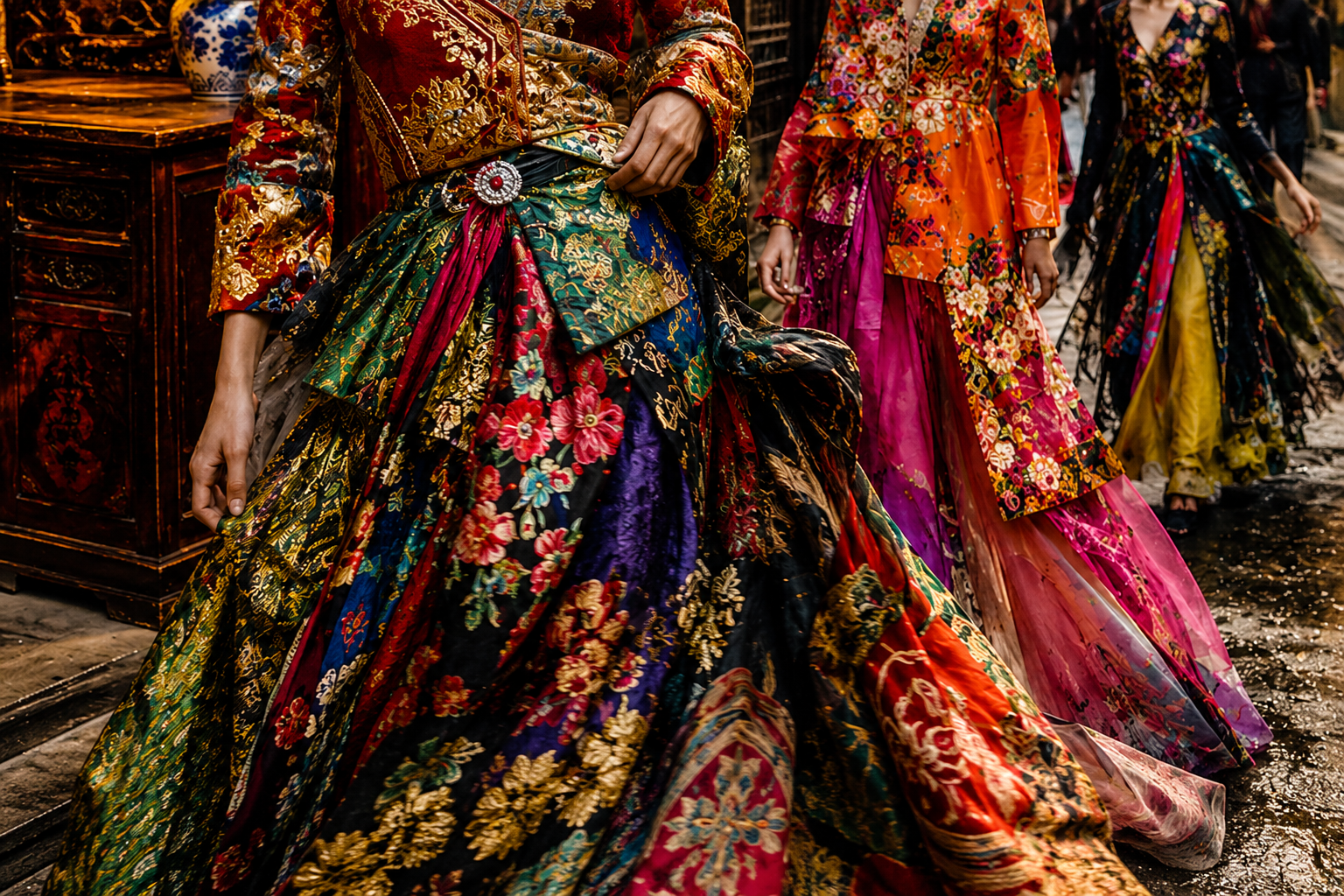
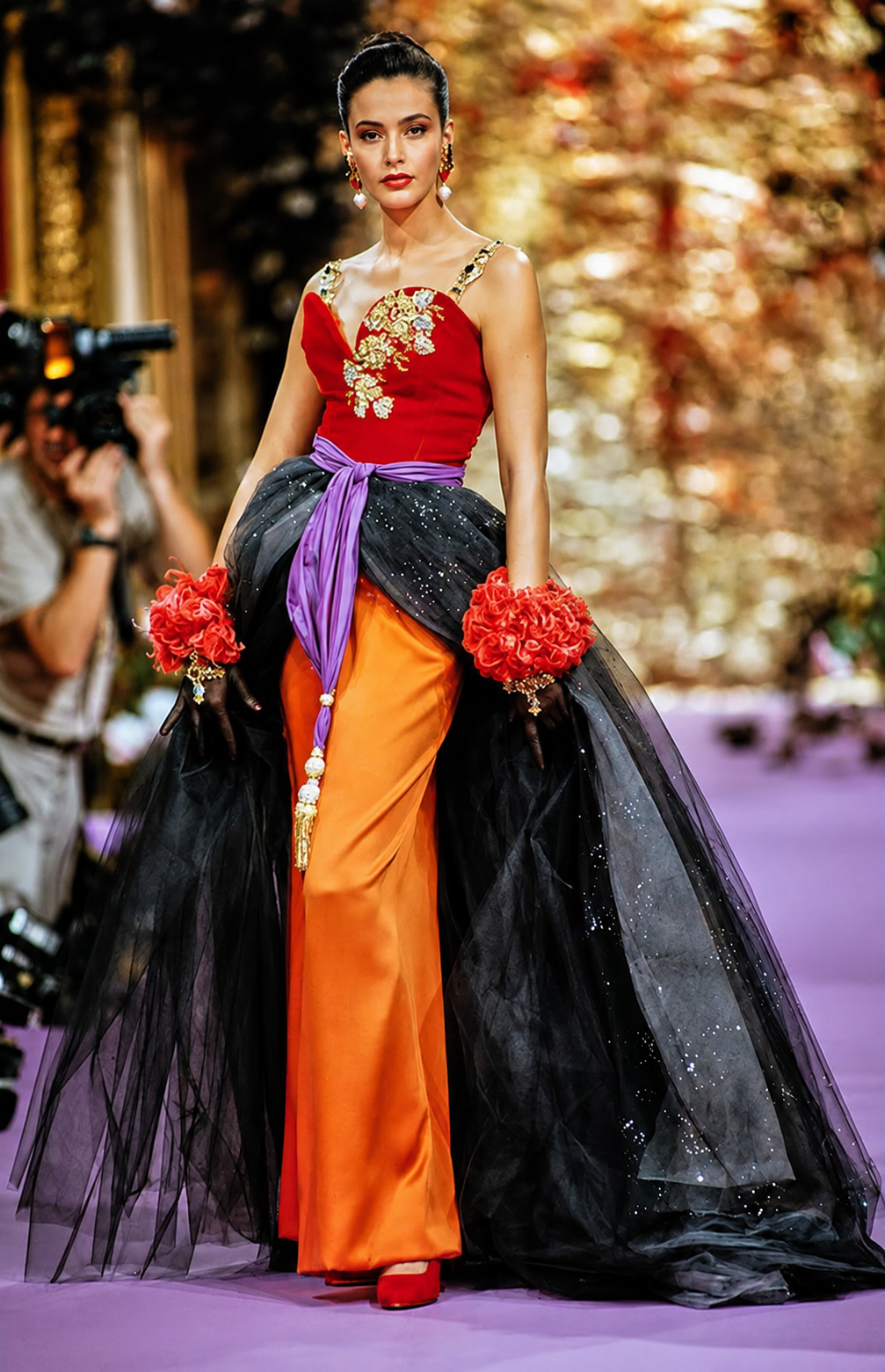
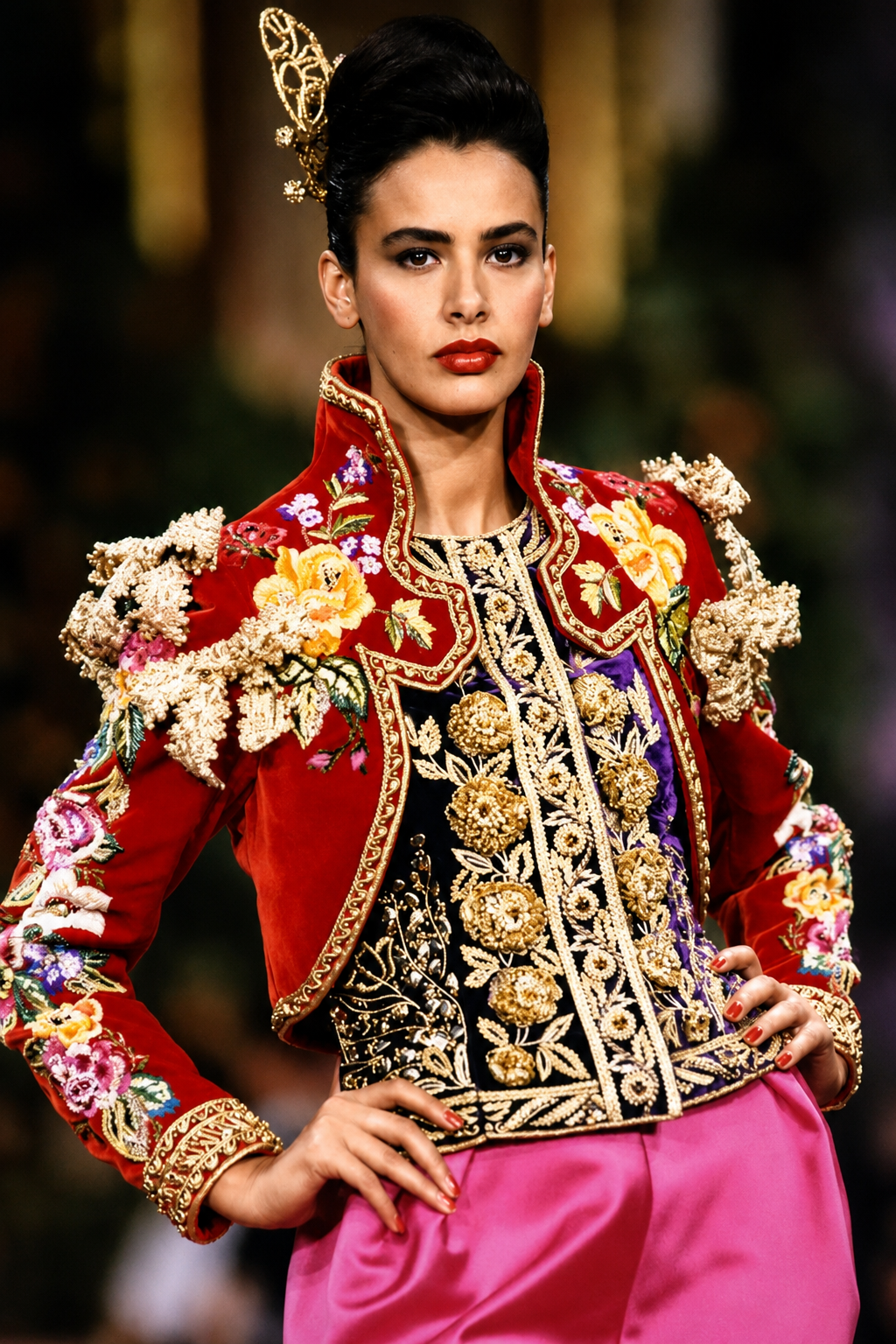
Like a Christian Lacroix creation gone rogue from the runway, saturated in color and piled high with fabric, she shifts guises from one sidewalk to the next.
All allure in the Chinese Assembly Halls—radiant with gold and incense—she turns reserved, almost brooding, beneath the timber frames of the ancient houses. A seamless succession of roles, yet she never leaves the stage.
Less streetwalker, more theatrical courtesan.
A city not meant for crossing, but for watching parade by.
An opening fanfare
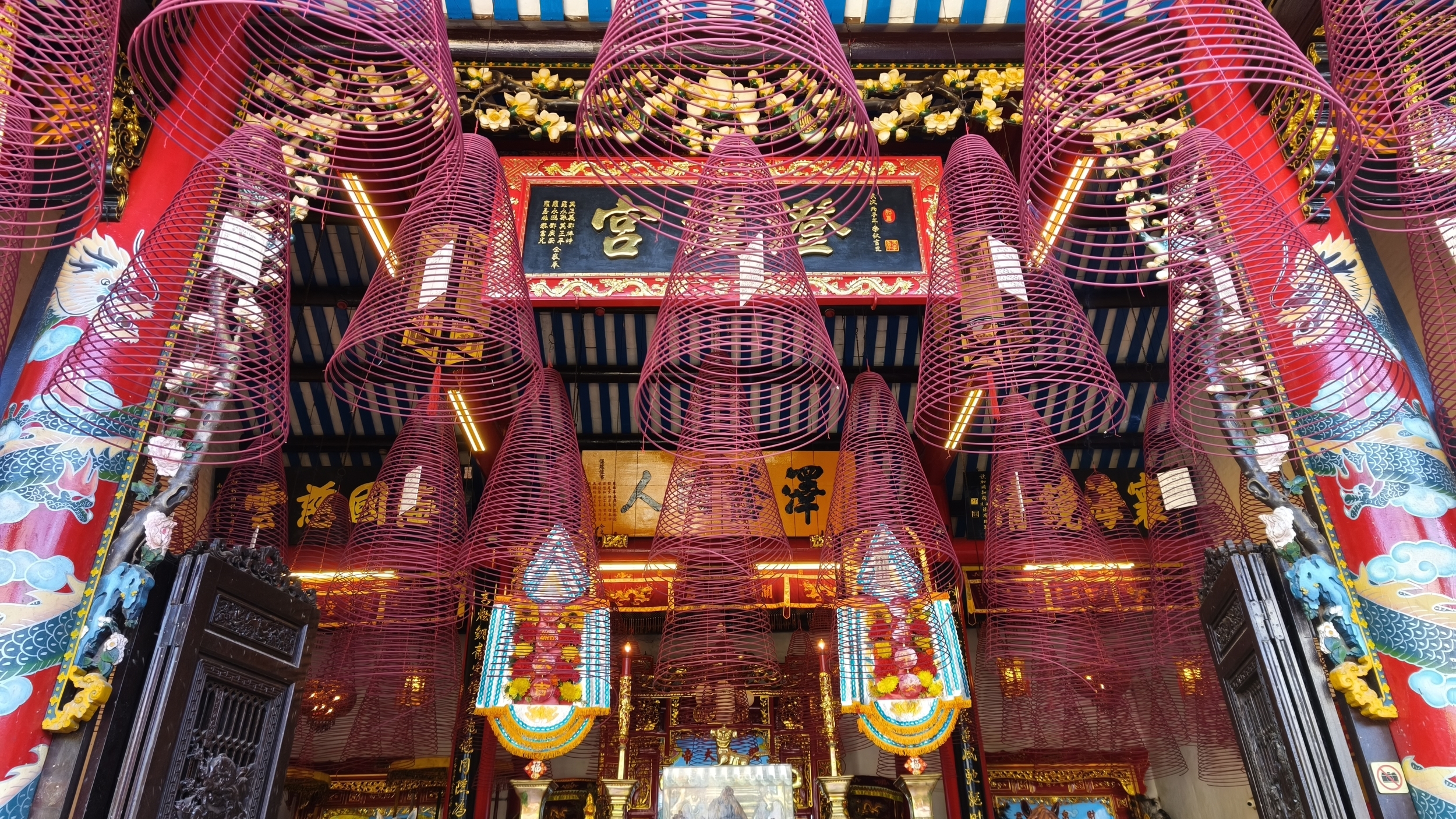
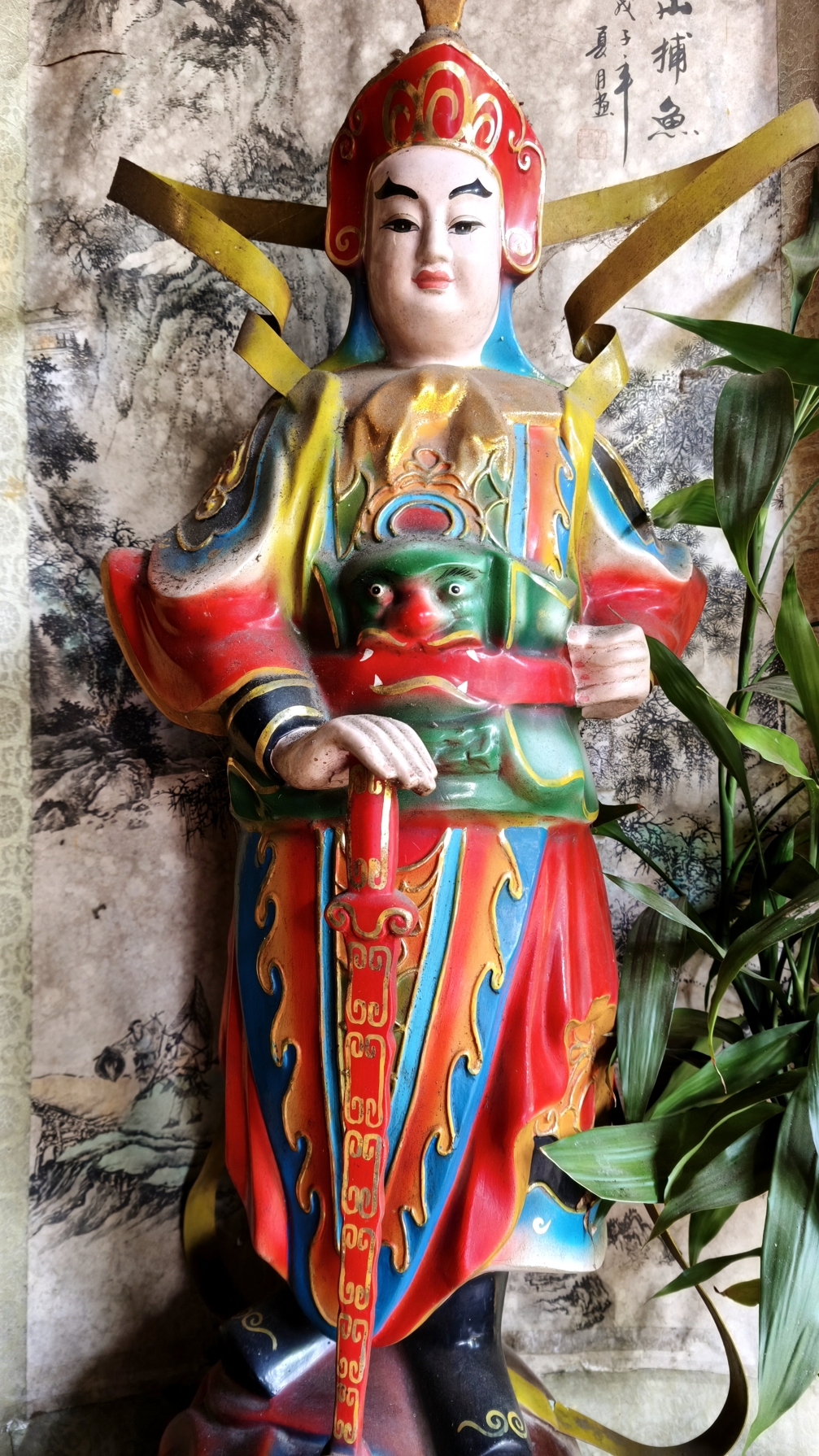
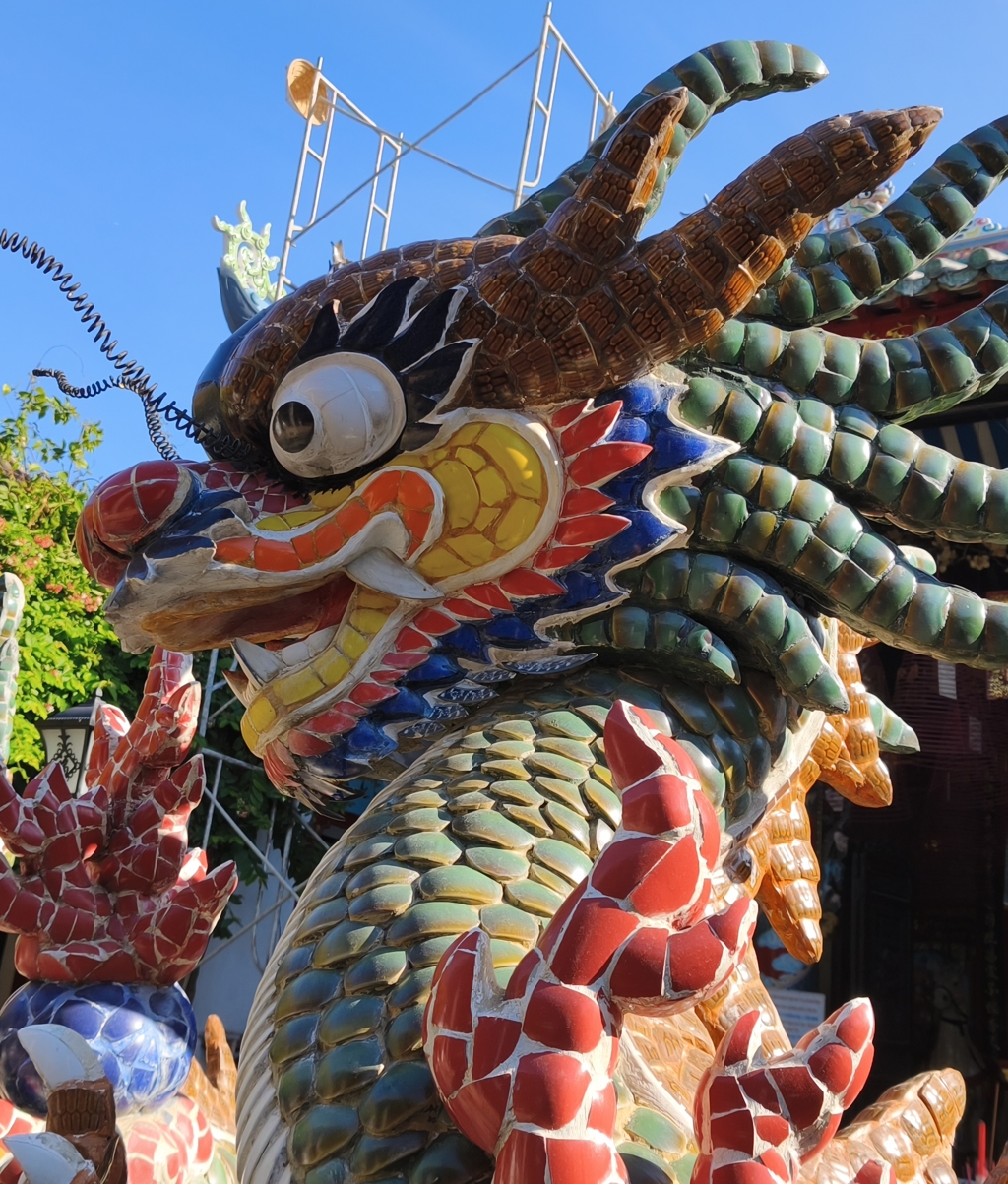
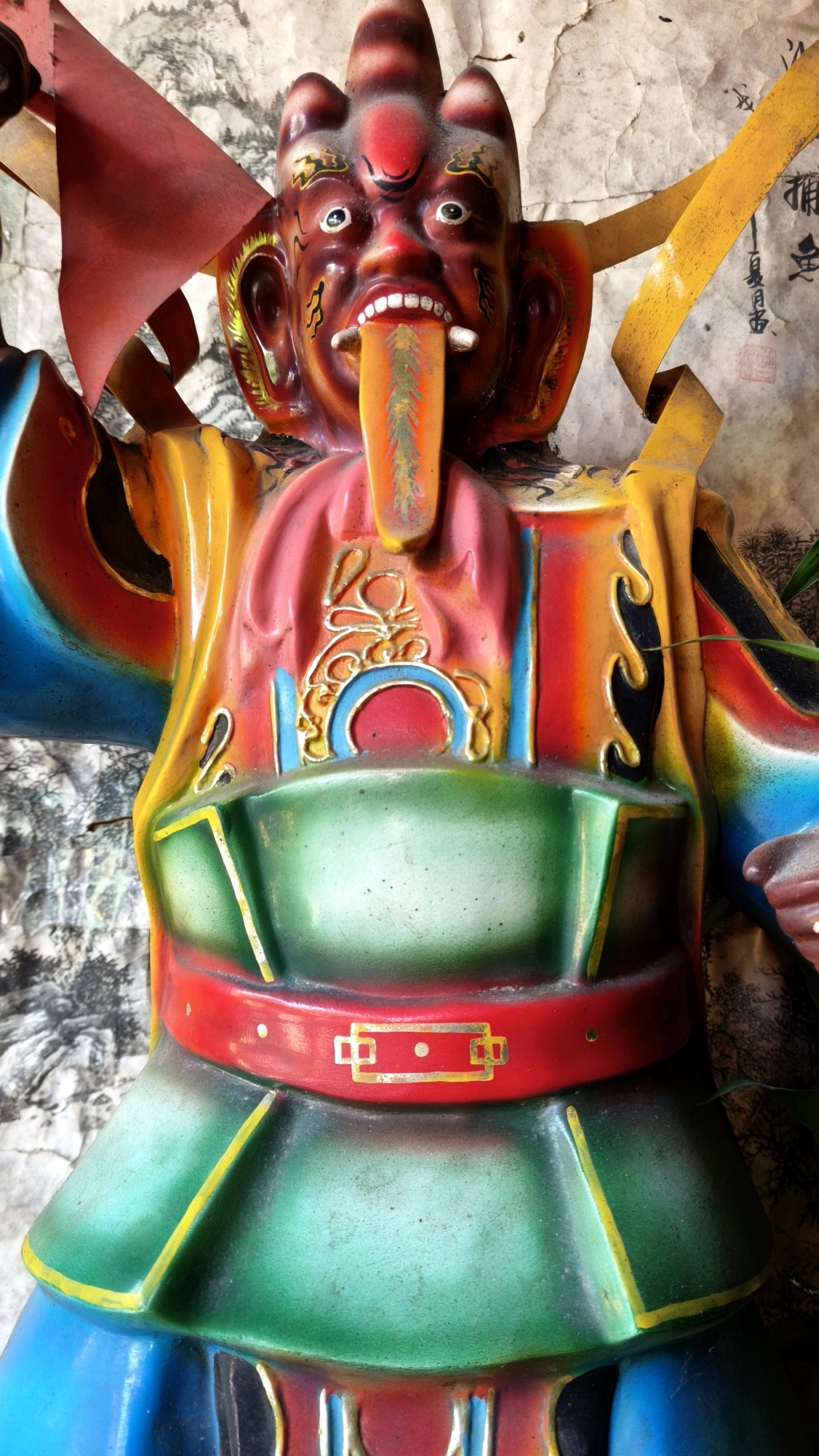
Under the early sun, these Chinese Assembly Halls stand like frozen models.
The bolero jacket, the Arlésienne, the matador—the whole repertoire is on display.
Built by merchants to impress, to flaunt both power and exile, this is less architecture than sheer costumery.
In the morning glare of the runway spotlights, stone dissolves into textile.
No skeletal models here.
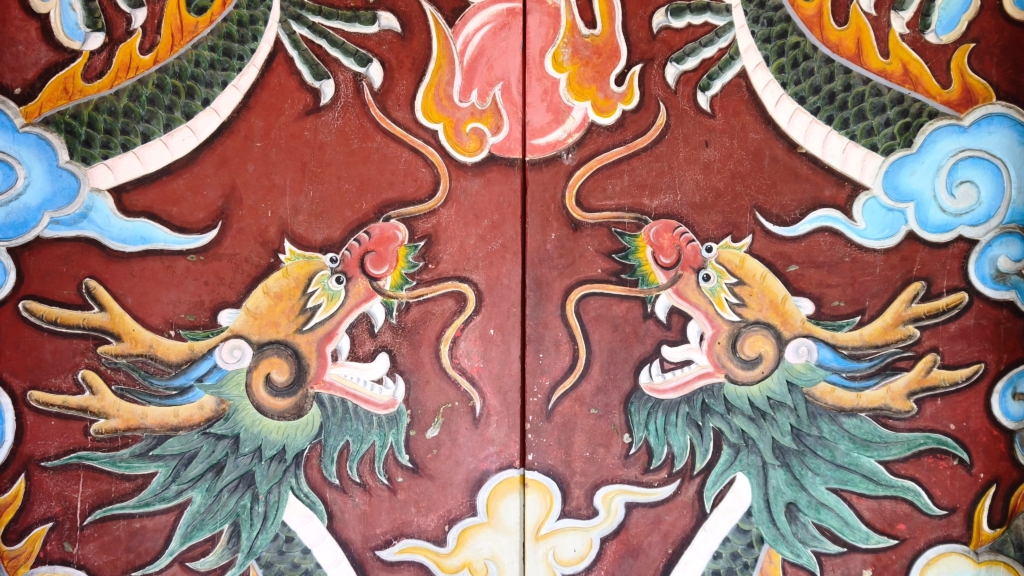
The dragons roar. The phoenixes are plump. Broken porcelain bares its belly.
Here, the baroque refuses to starve.
Coils of hanging incense, grey-blue smoke slicing through the air, wave and cloud motifs carved into the rooflines—everything feeds into an operatic scenography, balancing theater and devotion.
High fashion as high power.
The Camargue and Vietnam are old acquaintances. Intimate ones.
This is no metaphor.
A century ago, Indochinese soldiers made it all the way to the French salt marshes. They brought with them methods, gestures, and a certain mastery of rice that would permanently rewrite the landscape.
The make-up of ancient shadows
Then the light shifts; the runway narrows.
The street’s roar dies the moment you cross the threshold of the old merchant houses.
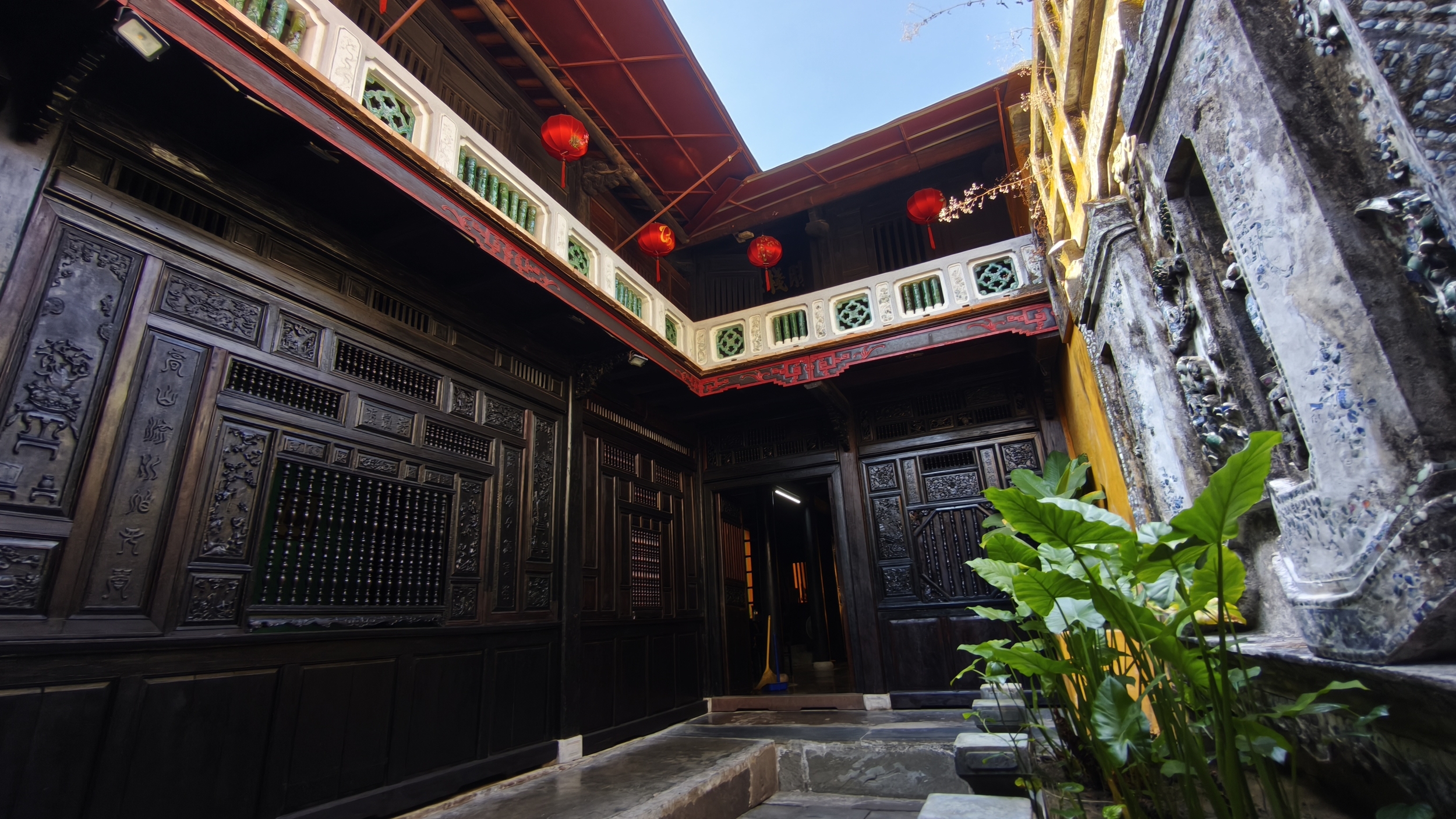
Beneath ironwood and jackfruit timbers, exuberance surrenders to a calculated, almost monastic sobriety—the kind that reeks of invisible wealth.
Backstage.
Beams patinated by centuries act as rigid corsets, carving the space into violent chiaroscuro.
Here, Lacroix packs away his garish fuchsias to draw his deep blacks, his mother-of-pearl browns, his India-ink reflections.
The couturier lived for these silhouettes of Infantas or Sicilian widows—stark blocks of black fabric broken only by a white collar or a flash of purple-gold jewelry.
The ancient house operates on the exact same logic.
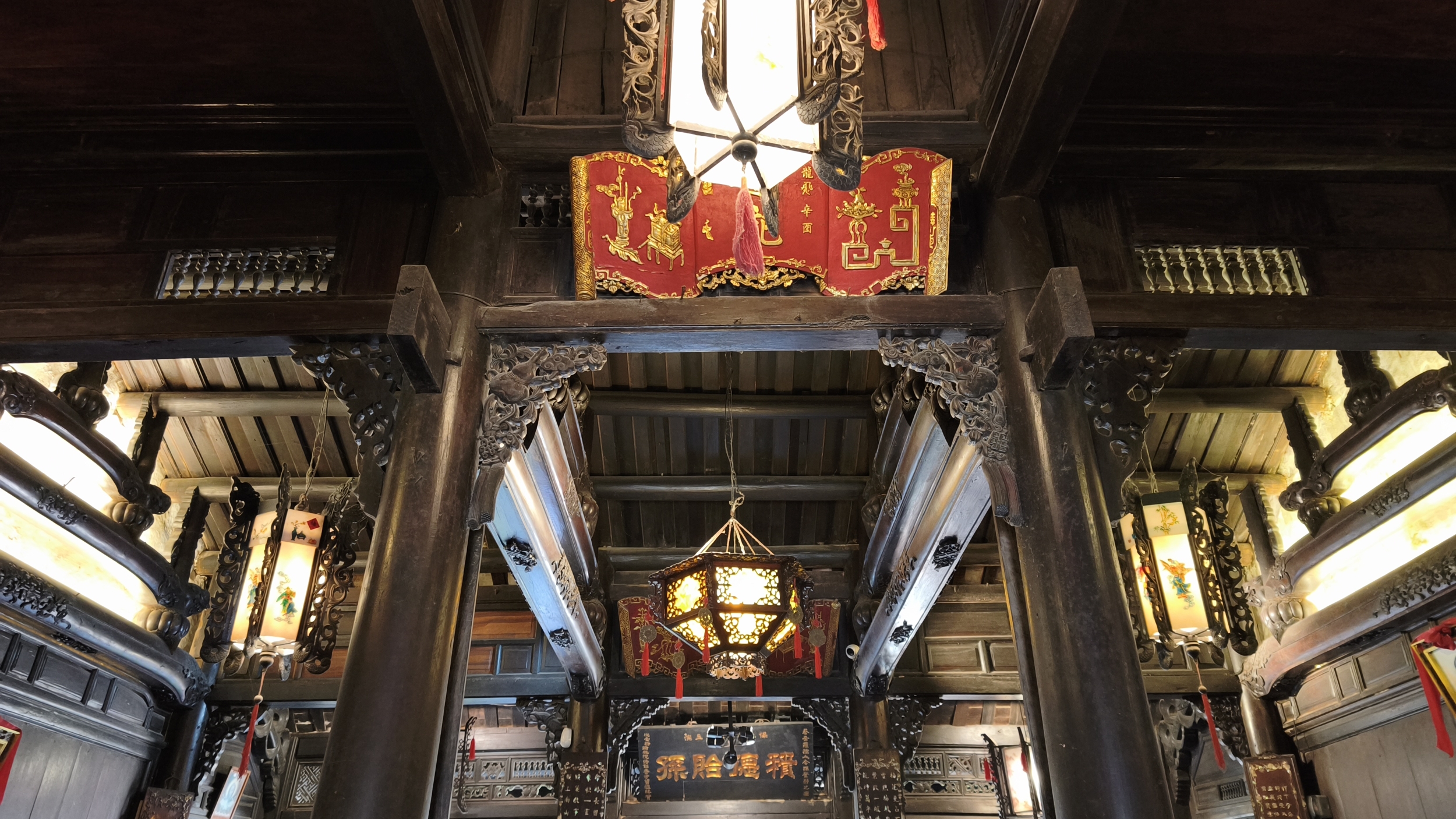
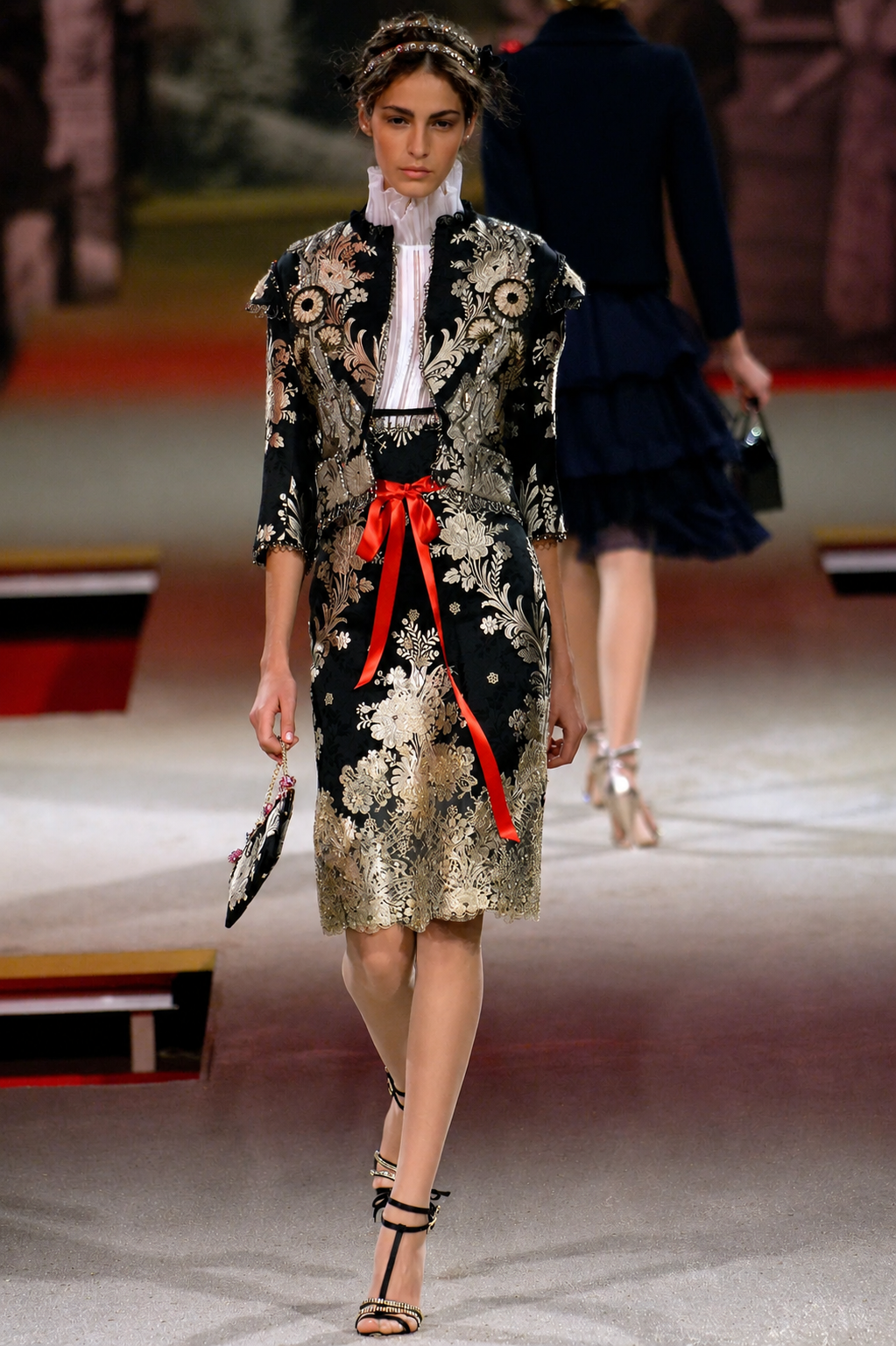
Built like a long, dark corridor, architectural mourning in stone, it nevertheless cracks open at its core.
Internal courtyards pierce the roofline, dropping shafts of raw light onto damp flagstones.
The sun falls like a blade, a solitary spotlight trained on the silence.
The contrast is sharp, theatrical, unbuffered.
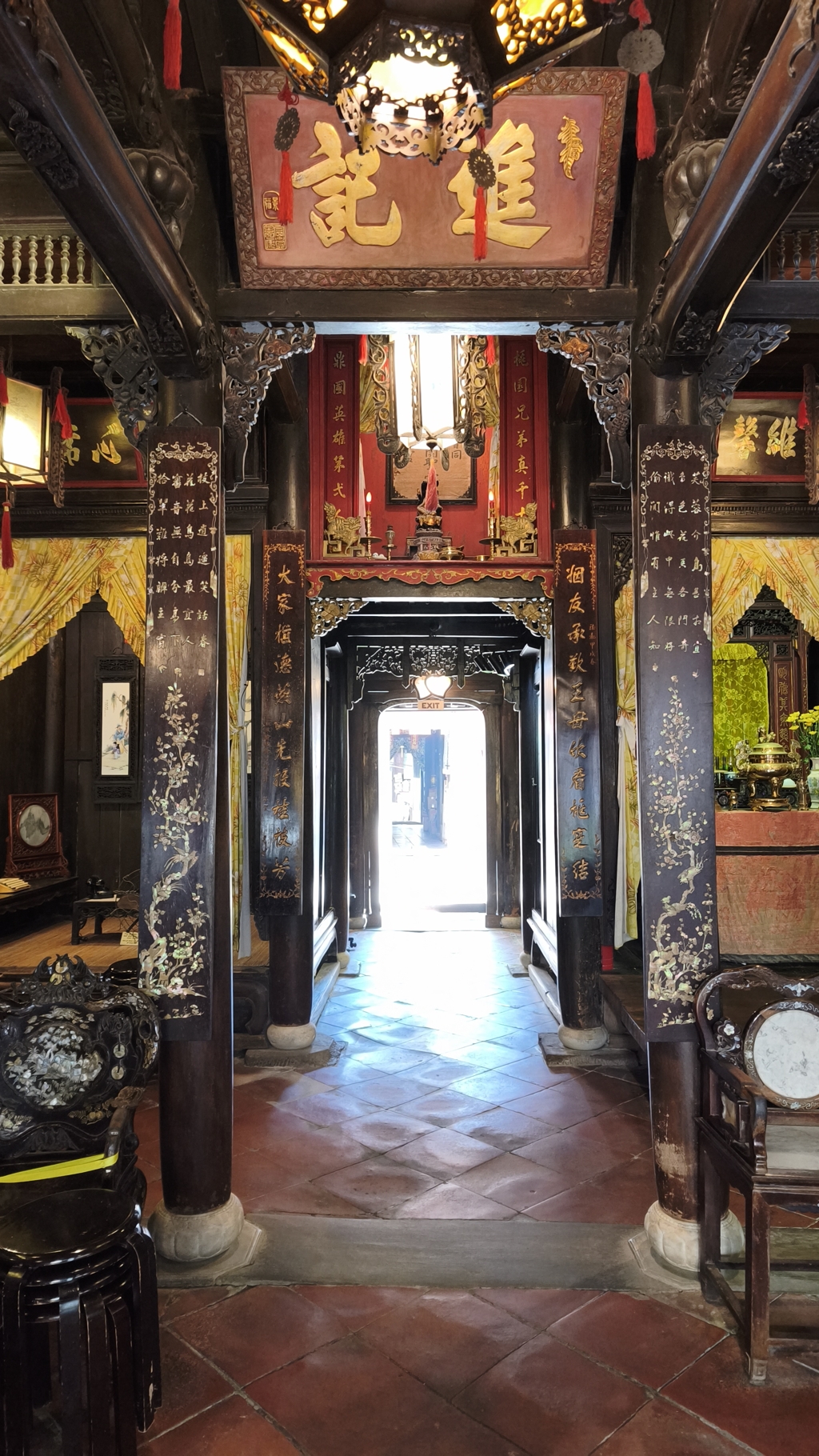
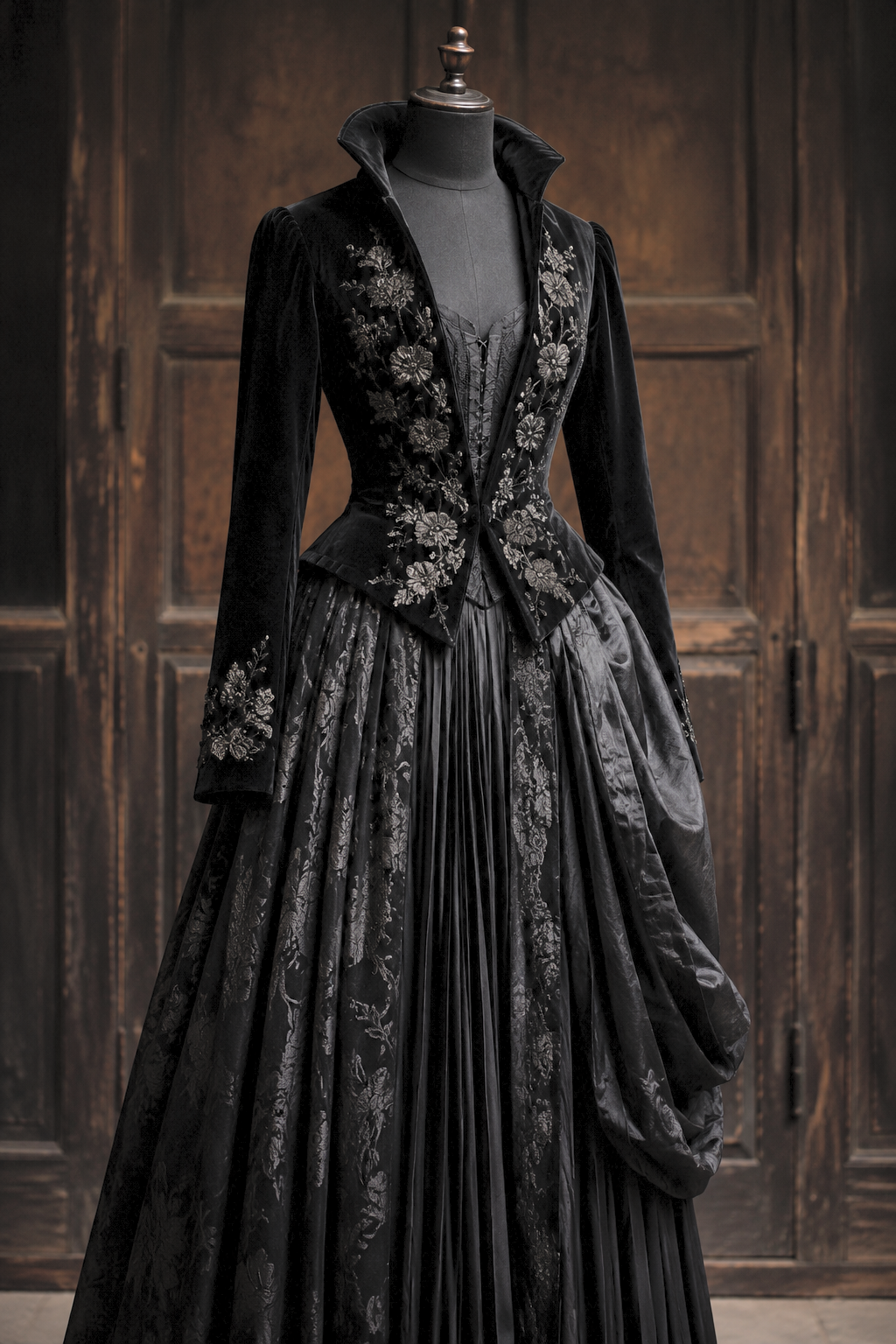
Lacroix’s black refuses emptiness; he crowds it with jet beads to give the shadow weight.
In the gloom of Hội An, that weight comes from mother-of-pearl inlay.
The calligraphed verses on the dark wood columns don’t demand attention. They wait for a moonbeam or a candle-flare to throw off opalescent, grey-blue, almost spectral gleams.
Shadow embroidery.
The collection goes off script
Hoi An runs on Chinese symmetries and carefully charted perspectives.
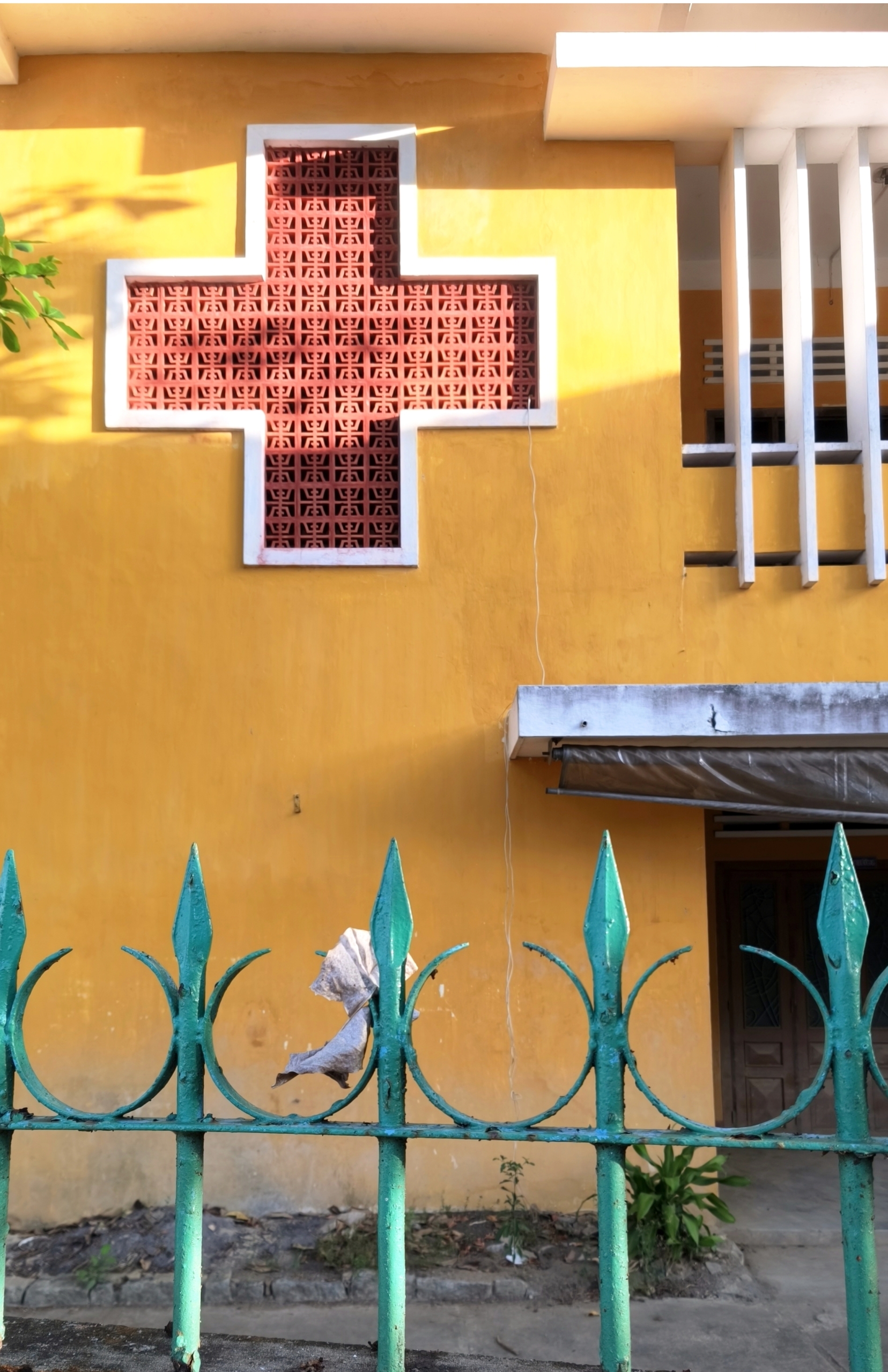
So when a modernist facade cuts in with its porthole windows, geometric screens, and concrete balconies, the parade stumbles.
The eye trips.
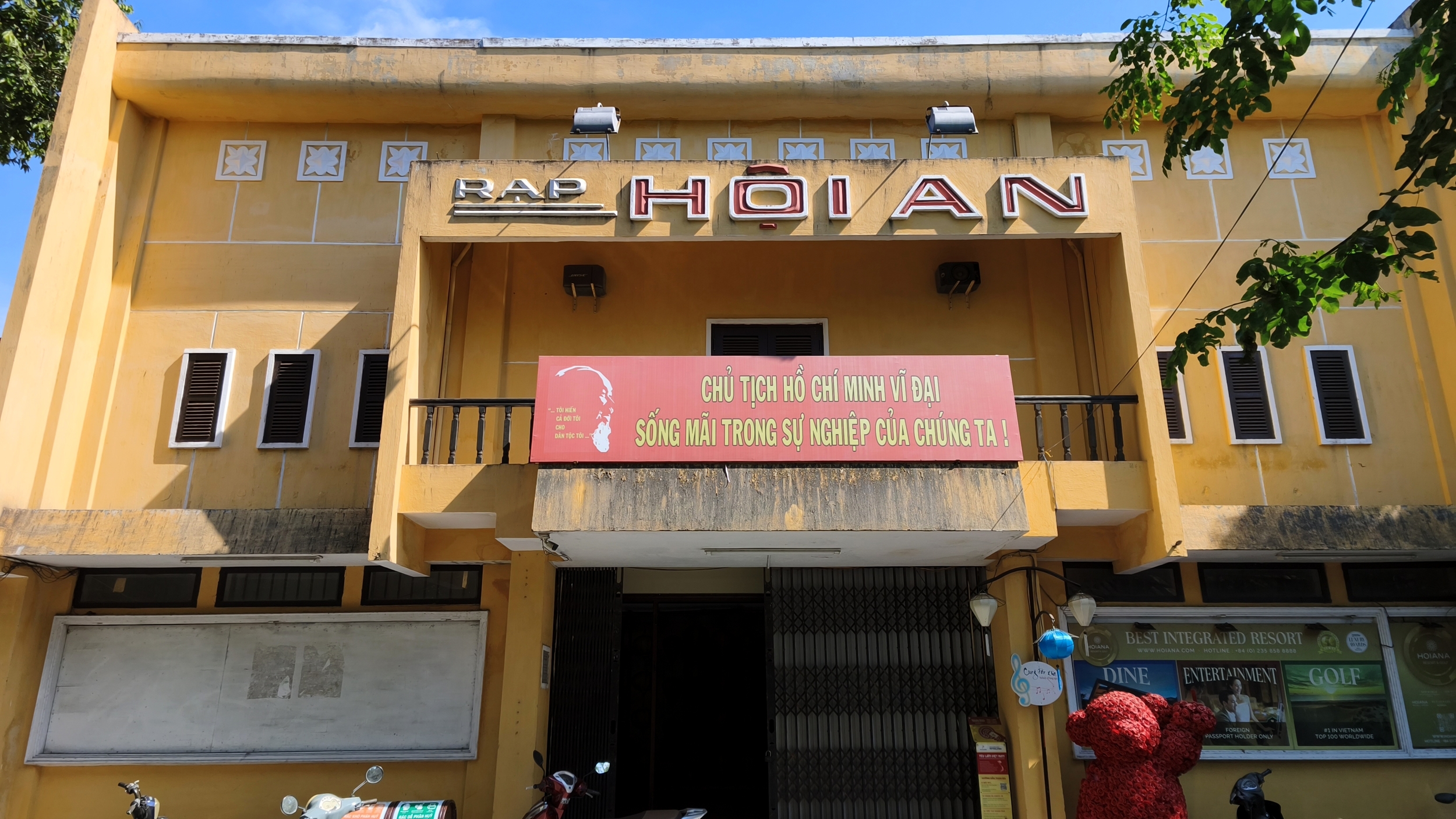
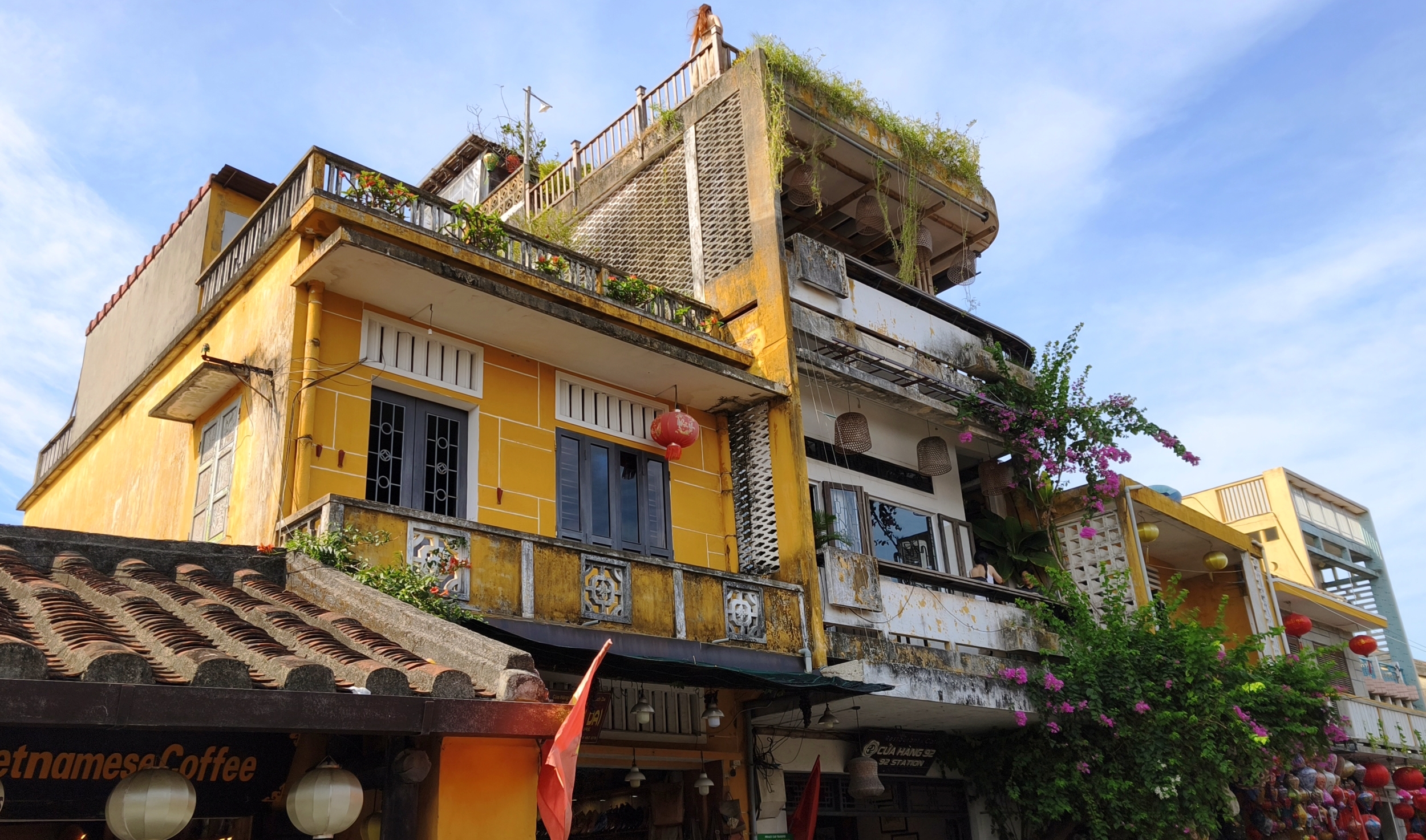
Which is precisely what Lacroix chased: the accident. An asymmetrical silhouette, a broken line, the single detail capable of deranging a too-perfect composition.
For Lacroix, it’s a deliberate dissonance, a reminder of the present tense—proof that the dress, or the city, is alive, not preserved in museum formaldehyde.
Insolent modernity staring down the past: “Watch me. This is my runway now.”
The final bow
Then comes the moment you stop looking for the designer.
The collection carries itself.
The dragons retreat into their porcelain clouds. The ancient houses sink back into shadow. The modernist facades resume their role as provocateurs. The city changes skin at every corner, answering to no one.
Perhaps that is Hội An’s true triumph:
Her stubborn refusal to wear just one face.
Simultaneously Chinese, Vietnamese, Japanese, colonial, modernist, and contemporary, she rejects categories the way truly elegant women reject advice.
She splices gold with shadow, restraint with hyperbole, discipline with accident.
Christian Lacroix would have recognised something familiar in this way of composing.
Not an aesthetic.
As a freedom.
The freedom to mix eras, influences, textures, and colors without ever offering an apology.
The show draws to a close.
The spotlights dim.
The lanterns take the cue.
And in the amber glow of evening, Hội An goes back to doing what she has done for four hundred years.
Strutting.