
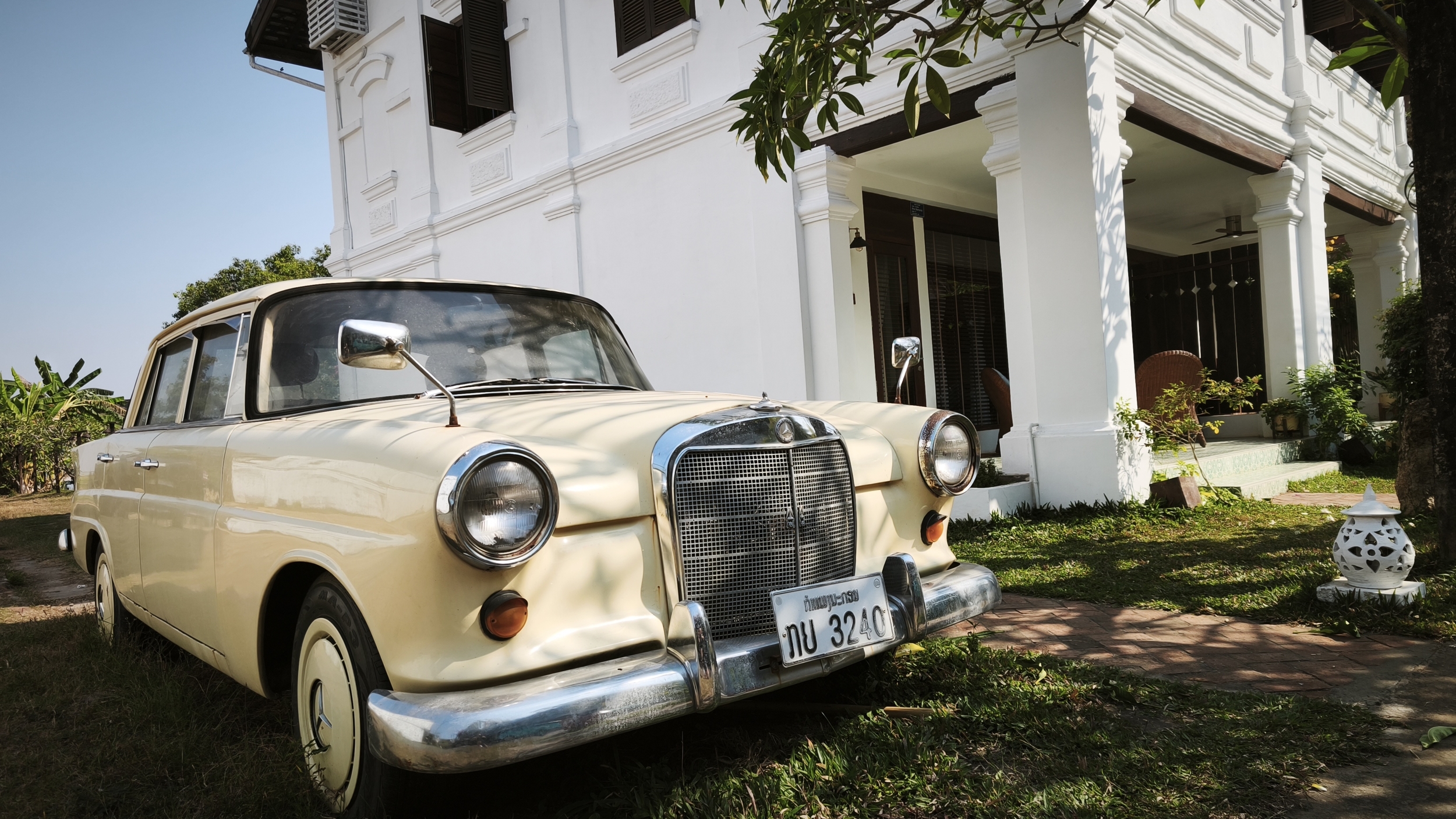
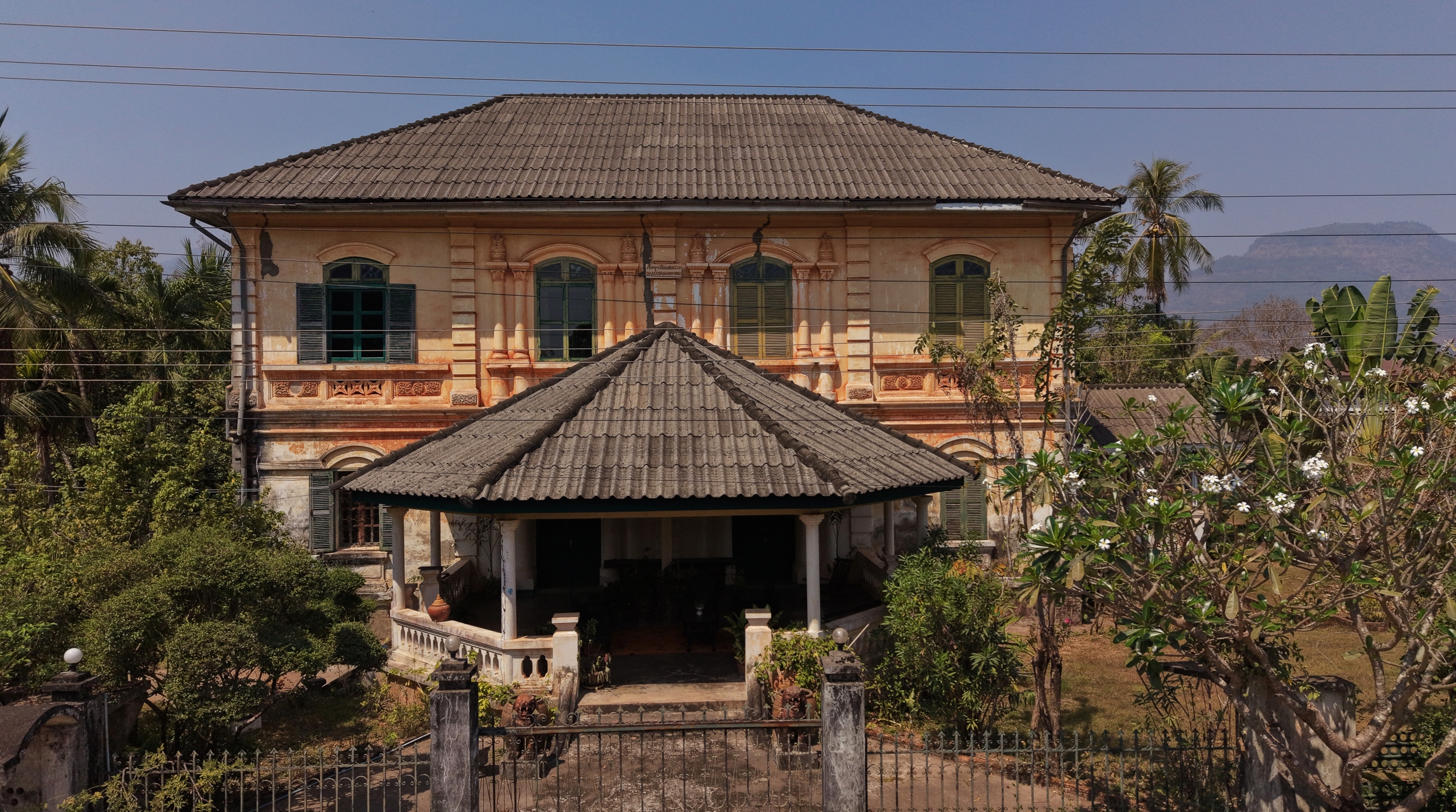
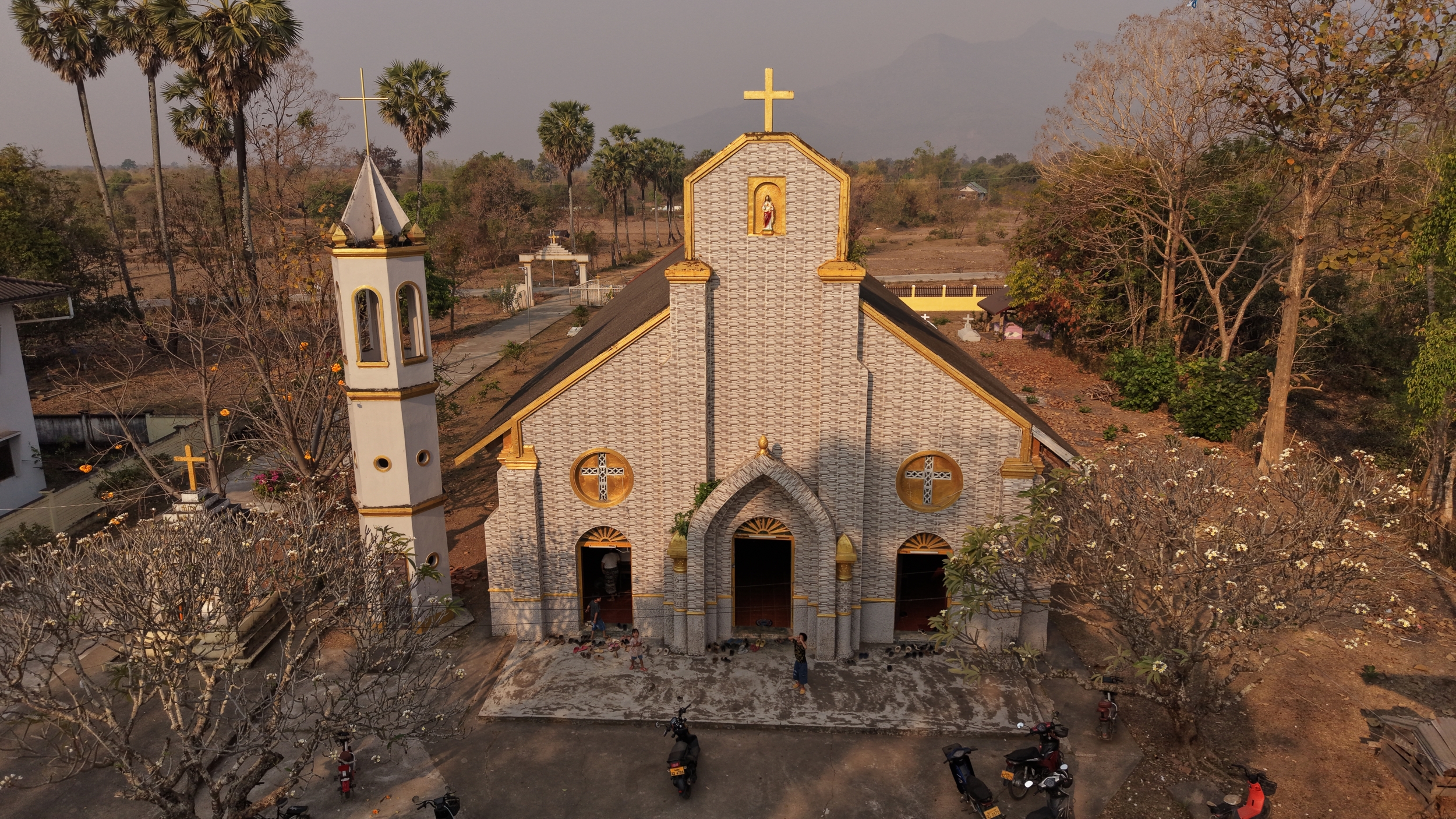
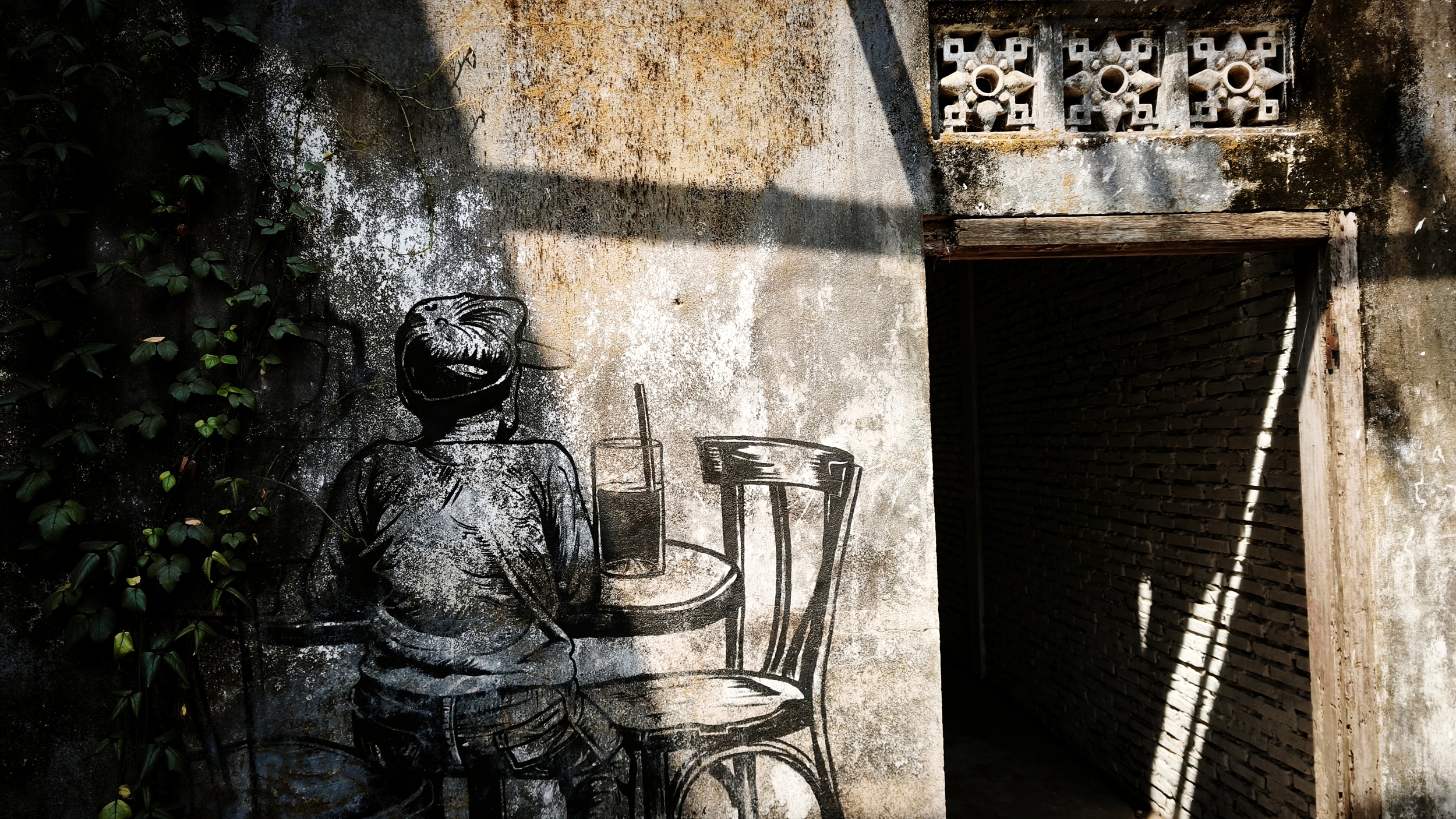
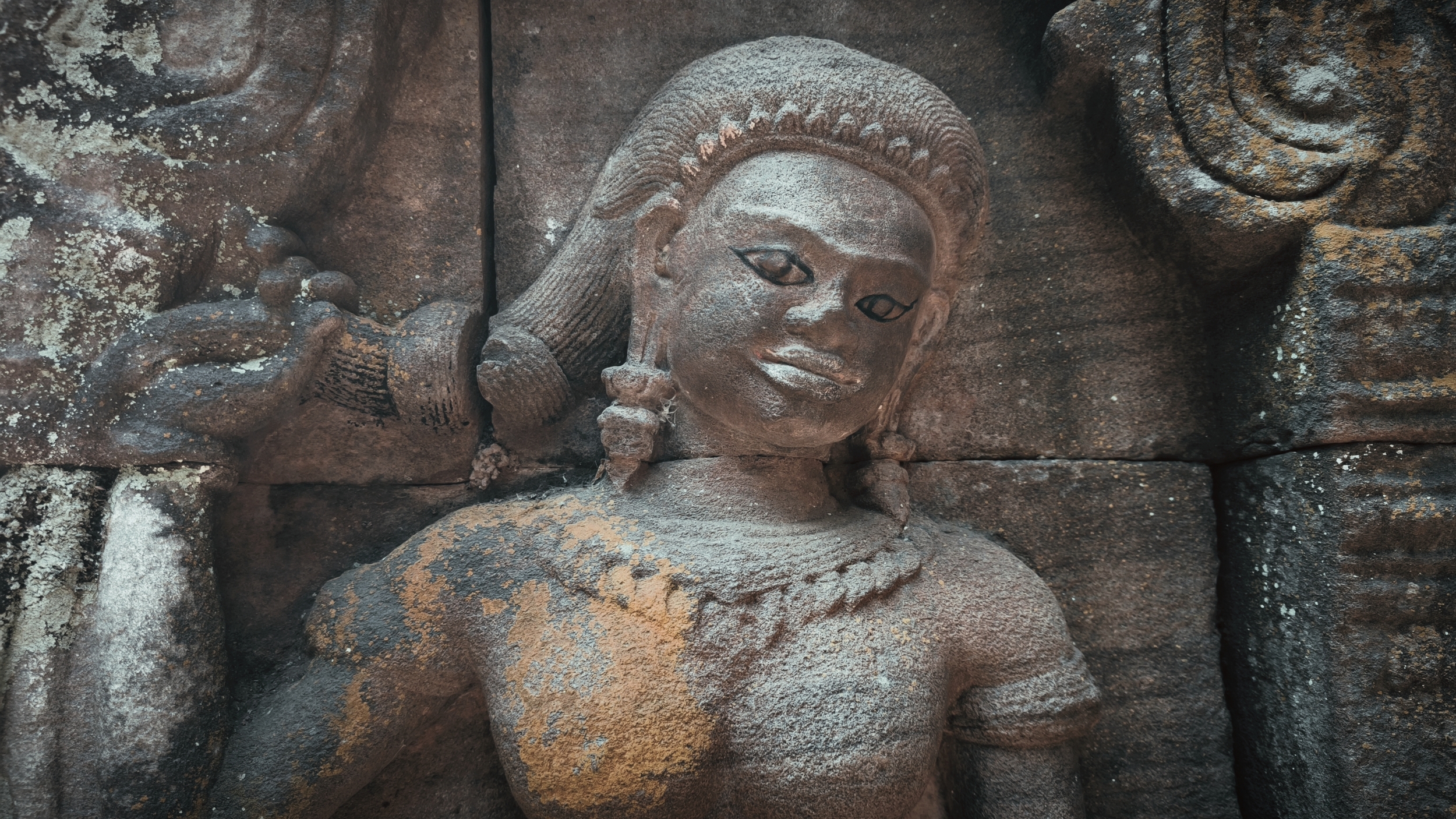
Faithful to herself. Champassak remains one of the few destinations in Laos that doesn’t seem to be at war with her own destiny. She possesses that motionless, almost aristocratic class that requires no artifice. Every time I return, I feel as though I’m visiting an old aunt with faded, courtly manners—her makeup peeling under the Mekong’s leaden sun, seemingly waking from a century-long nap.
This is the luxury of decrepitude: an attic-bound elegance where one comes to breathe the dust of fallen kingdoms, wondering if time itself hasn’t simply forgotten its own existence behind a frangipani tree.
Don Daeng Island is the other aunt—the one who left the parlor to sit in the garden, barefoot in the red dust, watching the Mekong flow.
This aunt is an illusionist.
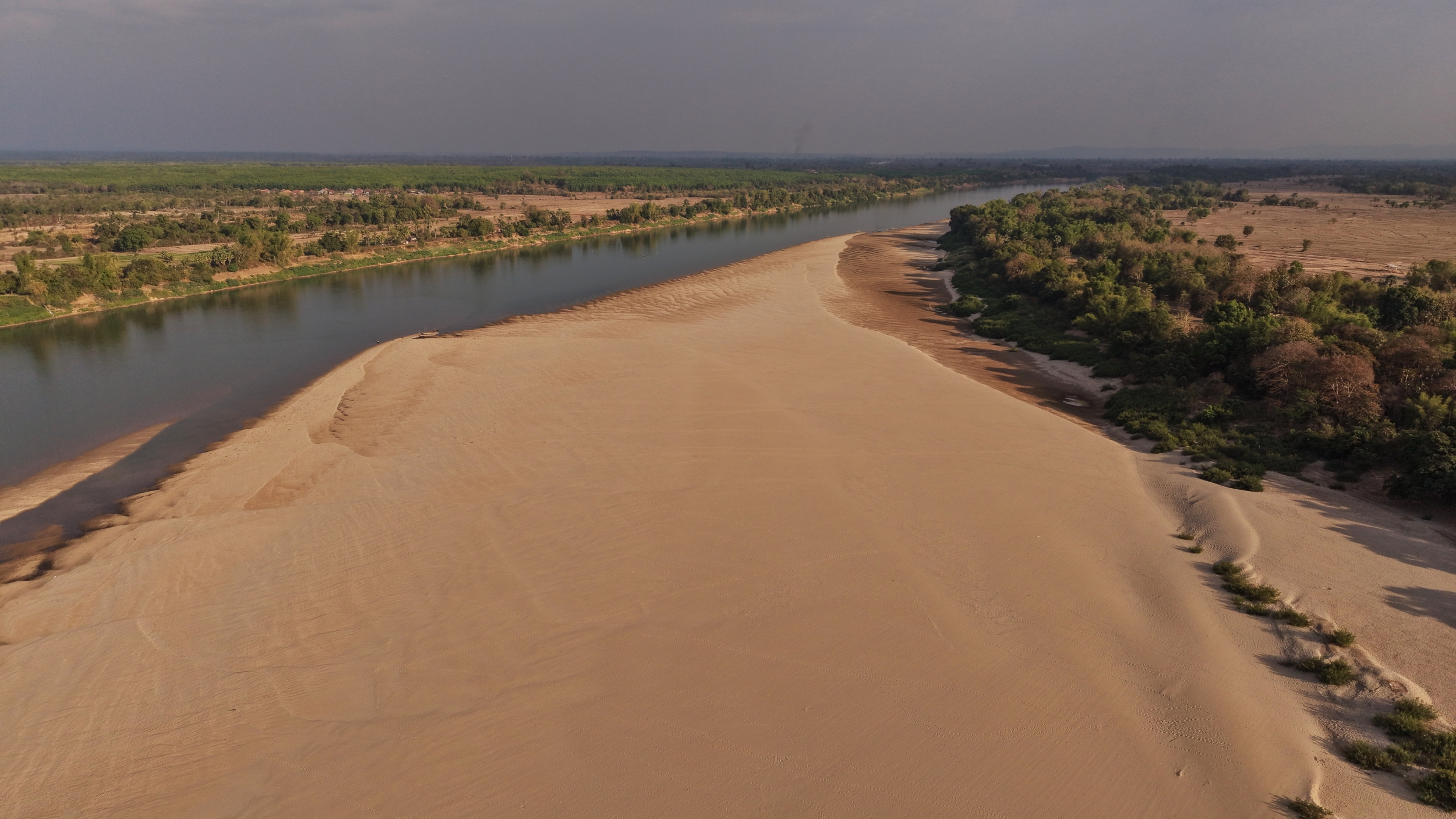
She has granted the country what geography denied it: a coastline. In the dry season, Don Daeng unfurls beaches that rival those of neighboring countries. Minus the vulgarity.
Here, laziness is far from a flaw; it is a courtesy extended to the landscape. There is nothing to do but be a professional idler. On Don Daeng, the greatest privilege isn’t owning time—it’s letting it flow, like the river.
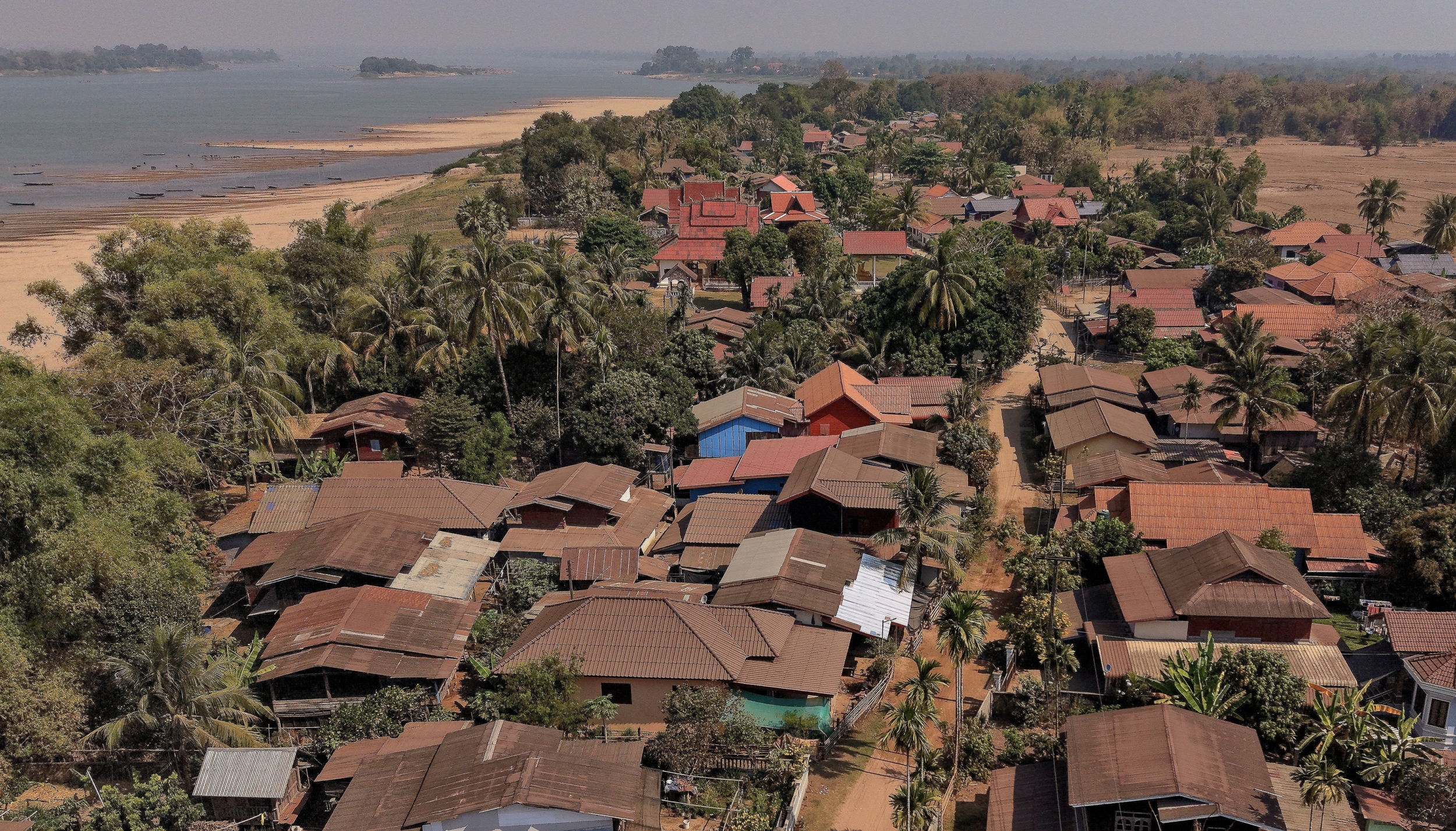
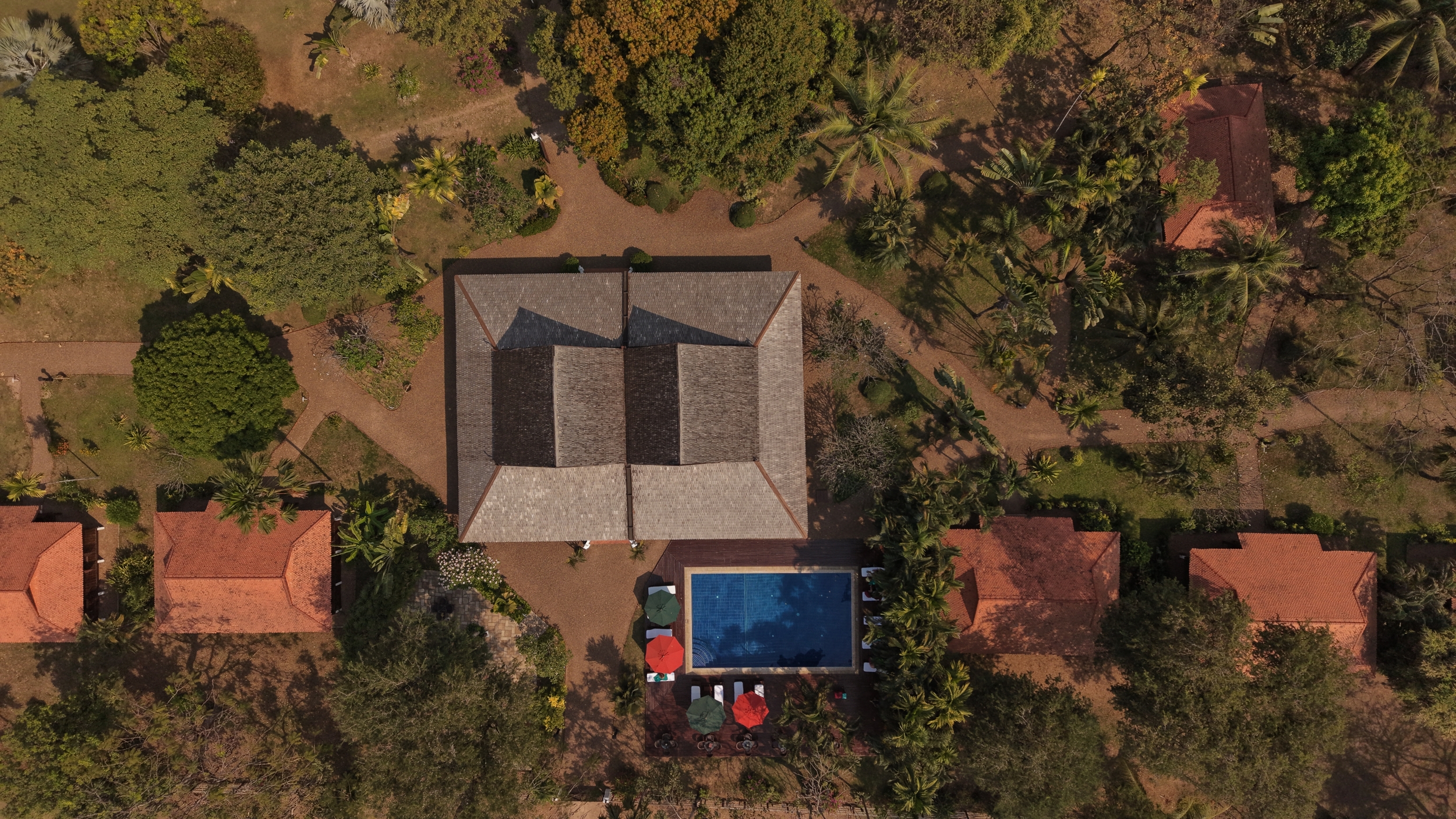
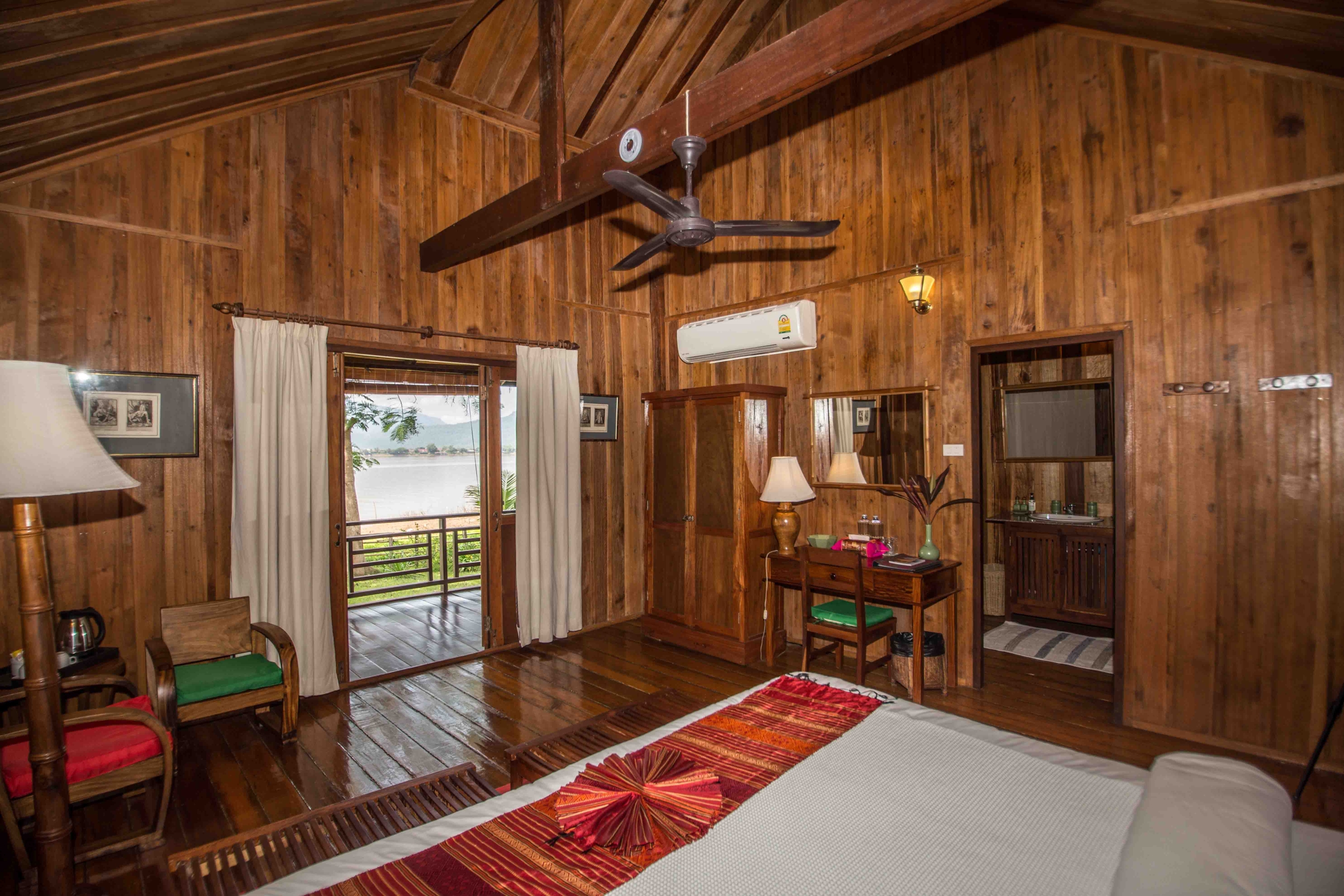
La Folie Lodge has understood this perfectly. The colorful owner, Count Antoine de Noailles, developed the place with a simple premise: preserve the rhythm, do not brutalize the landscape, and let wood, water, and seasons dictate the scene. Consequently, even the word “owner” feels misplaced; one feels more like he is its temporary guardian.
And unlike other establishments where financiers cycle through every decade—switching from Thai to Japanese—at La Folie, the owner is a character anchored in the island’s history.
Arrival is met with a certain humility.
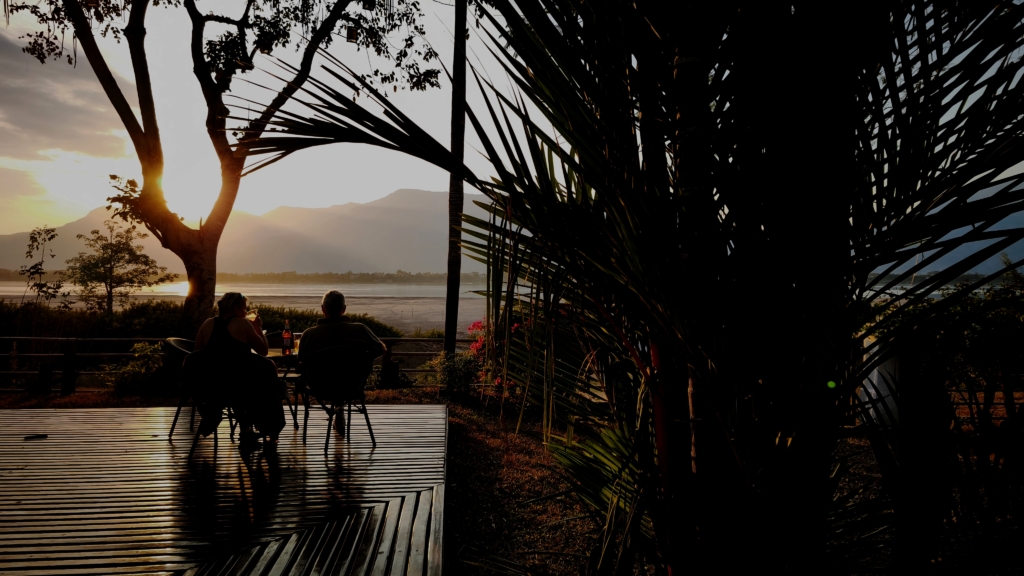
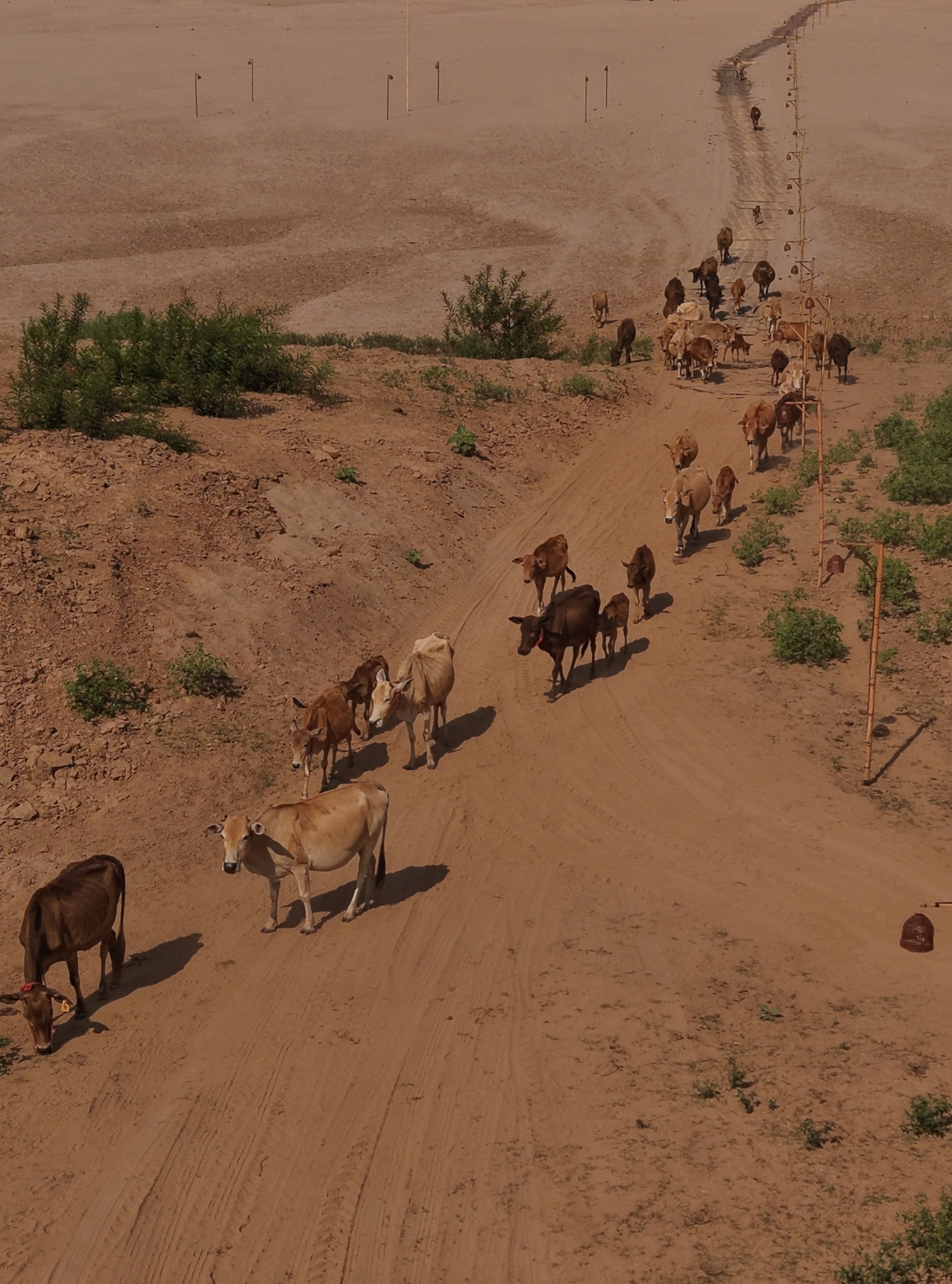
You cross the Mekong from Champassak on an areca nut shell of a boat, then board a tak-tak—the Lao do-it-all tractor—to reach the lodge from the beach. It’s a rite of passage from one world to another, from one aunt to the next. The comfort? Discreet, never flashy. It’s the creak of precious wood, the sweeping, sovereign view, and the cows that, around 8:30 AM, leave the Mekong’s banks where they spent the night to slowly wander back toward the village, some pausing to graze on the lodge’s garden grass.
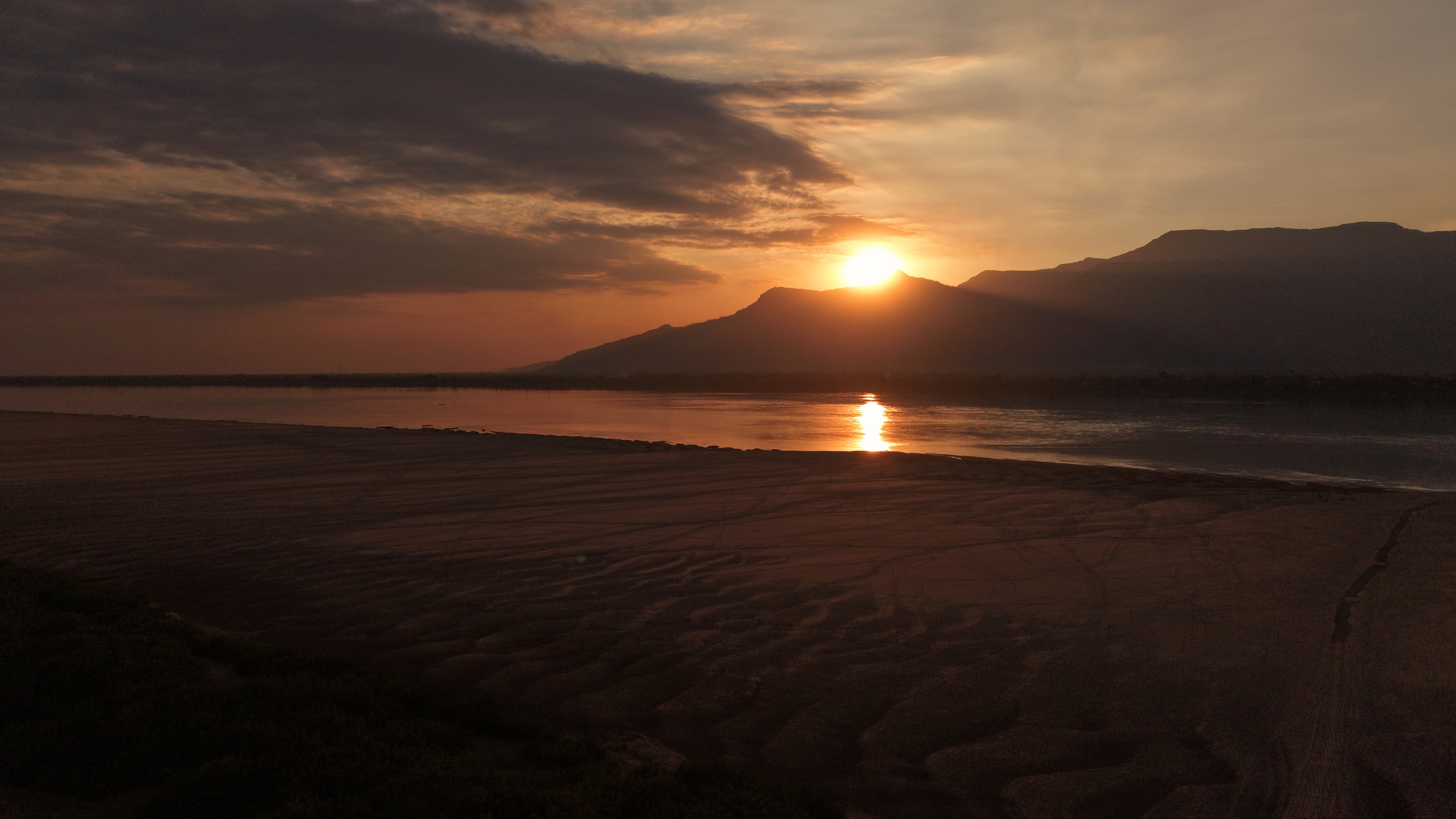
And as the sun sets behind the sacred mountain of Phou Kao, you finally understand the name: the “Red Island” (Don Daeng).
And when the sky acts up, smeared with red like a whore heading to a ball, then it’s time to hit the banks of Champasak. The lanterns are lit, but not to play some cheap café-concert tune. It’s the local orchestra coming to pierce the silence of a town still numb. Between the communal house and the snoring Mekong, the Champasak shadow puppet troupe stirs to life, four times a week.
When the lanterns catch fire, it’s not to put on a show for the gallery. It’s to drag the ghosts of the Ramayana out of the night, through intricately chiseled buffalo hides. Or to breathe life back into the silent film Chang, as if the jungle itself still refused to close its eyes.
Travelers and villagers commune. At long last.

While Luang Prabang is a grand, brassy entrance, leaving Laos through Champassak is choosing to close the book on a note of nobility. A decadent nobility that makes no apologies for having aged.
Dedicated to my friend Yves Bernard who, against the headwinds and a quiet indifference, refused to let this local treasure end up in the graveyard of traditions we applaud right before forgetting.